How to Open Your Front Door If Key Is Locked Inside
Getting locked out is stressful, but you can still get back inside. This guide covers simple tricks and proven methods to open your front door if key is locked inside, whether it is your house or car. You will learn safe DIY techniques, when to call a professional, and how to prevent future lockouts.
We have all been there. You step out of your car or close your house door, and suddenly it hits you. Your keys are locked inside. That sinking feeling in your stomach is real, and it can happen to anyone. The good news is that you are not stuck forever. There are several practical ways to handle a door lockout without calling for help right away.
Whether your front door key is trapped inside your house or your car keys are sitting on the kitchen counter, this guide has you covered. We will walk you through every method, from simple tricks you can try at home to knowing when to bring in a professional. By the end, you will feel confident and prepared for your next emergency lockout.
A house door lockout or a car door lockout can happen to the most careful person. Keys slip out of pockets. Doors close automatically. Wind gusts shut things you forgot to latch. The important thing is knowing what to do next. Let us dive into the solutions.
Key Takeaways
- Stay Calm and Assess: Panicking makes things worse. Check all doors and windows first before trying any method.
- Try Simple DIY Methods: A wire hanger, string technique, or credit card can work on older door locks.
- Use a Spare Key: Always keep a spare key with a trusted neighbor or family member.
- Call a Professional Locksmith: When DIY methods fail, a licensed locksmith is the safest option.
- Prevent Future Lockouts: Spare keys, smart locks, and key finders can save you from repeat lockouts.
- Know Your Lock Type: Different locks require different approaches. Deadbolts need different tools than spring locks.
- Avoid Damage: Forceful methods can break doors and cost more than a locksmith call.
📑 Table of Contents
- Understand Why Door Lockouts Happen
- How to Open Your Front Door If Key Is Locked Inside: DIY Methods
- When to Call a Professional Locksmith
- Car Door Lockout: Special Tips for Vehicles
- Prevention: Stop Lockouts Before They Happen
- Common Mistakes to Avoid During a Lockout
- Quick Tips for Every Lockout Situation
- Final Thoughts on Handling a Door Lockout
Understand Why Door Lockouts Happen
Before we get into the how-to, it helps to understand why lockouts occur. Knowing the cause can sometimes help you prevent them in the future. Most lockouts fall into a few common categories.
Common Causes of Lockouts
- Automatic door locks: Many modern cars and some doors lock automatically when you walk away. If your keys are still inside, you are locked out before you even realize it.
- Keys left on tables or counters: A quick stop to grab something from another room, and the door closes behind you.
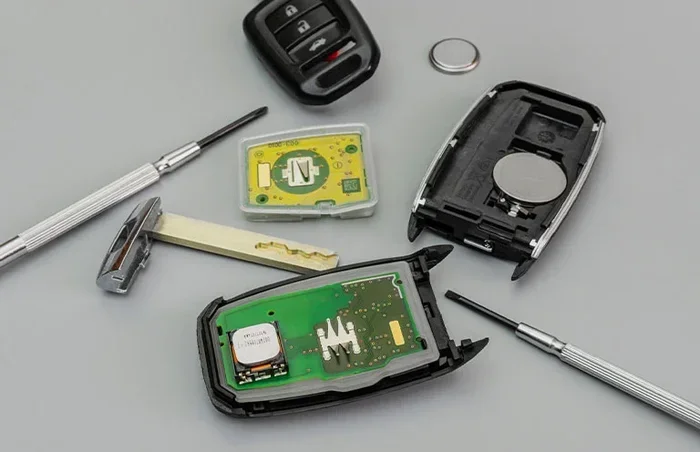
- Broken key fobs: Dead batteries in your keyless entry can make it seem like your keys are locked inside.
- Wind or weather: Strong gusts can push a door shut even when you think it is open.
- Children or pets: Little ones love to close doors. A pet can nudge a door shut with a tail or a paw.
- Worn-out locks: Old locks can jam or stick, making it harder to open them even with a key on the outside.
Understanding these causes helps you stay one step ahead. Once you know the pattern, you can build better habits around your daily routine.
How to Open Your Front Door If Key Is Locked Inside: DIY Methods
Now let us get into the actual solutions. These DIY lockout methods work for many standard door locks. Always start with the least invasive option and work your way up. Patience is your best friend here.
Method 1: The String Technique
This method works well on doors with a round knob lock. You will need a length of string, dental floss, or even a shoelace. Here is how it works.
- Tie a small loop in the middle of your string.
- Slide the loop up through the gap between the door and the frame, near the top of the door.
- Maneuver the loop over the door knob by twisting and pushing it around.
- Once the loop is over the knob, pull the ends of the string tight to tighten the loop around the knob.
- Push the door knob down by pulling the string ends toward the floor.
This string method takes a little practice, but it works surprisingly well on older interior and exterior doors. It causes no damage to your door or lock.
Method 2: The Wire Hanger Trick
The wire hanger is a classic lockout rescue tool. You will need a metal coat hanger and a pair of pliers.
- Straighten the hanger as much as possible, leaving a small hook at one end.
- Bend the hook at about a 45-degree angle.
- Slide the hooked end between the door frame and the weather stripping.
- Feel around for the door latch mechanism on the inside.
- Hook the latch and pull it toward you to open the door.
Important: This method works best on older doors with simple latch mechanisms. Modern doors with reinforced frames or electronic locks may not respond to this approach. Be gentle to avoid scratching your door or frame.
Method 3: The Credit Card or Plastic Strip
For doors with a spring bolt latch (not a deadbolt), a sturdy plastic card can sometimes do the trick.
- Choose a card you do not mind damaging, like an old gift card or expired credit card.
- Insert the card between the door and the frame, right above the latch.
- Angle the card toward the latch and bend it back toward the door frame.
- The pressure should push the latch back into the door, releasing the lock.
This credit card trick only works on spring latches. It will not work on deadbolts or mortise locks. And it can damage your card, so use something you do not need later.
Method 4: The Key Retrieval Tool
If your key is still inside the lock but the door is closed, a key retrieval tool can help. These small hooks and grabbers are available at most hardware stores for just a few dollars.
- Slide the thin tool through the gap between the door and the frame.
- Feel for the key inside the lock cylinder.
- Gently hook the key ring or shaft and pull it out.
This method is non-destructive and works on most standard lock cylinders. It is one of the safest DIY lockout solutions you can try.
When to Call a Professional Locksmith
Sometimes the DIY methods just do not cut it. That is perfectly okay. Knowing when to call a professional locksmith saves you time, frustration, and potential damage to your door.
Signs You Need a Locksmith
- The deadbolt lock is engaged and none of the DIY methods work.
- You have tried multiple methods and the door still will not open.
- Your lock is a high-security model that requires specialized tools.
- You have a smart lock or electronic lock that needs professional diagnosis.
- The door or frame is damaged from your attempts, and you need repair.
A licensed locksmith can handle any door lockout situation safely. They carry the right tools and have the training to avoid causing damage. Most locksmiths can arrive within 30 minutes for an emergency call. The cost typically ranges from $50 to $150 depending on your location and the time of day.
How to Choose the Right Locksmith
Not all locksmiths are the same. Here are a few tips to find a reliable one.
- Look for licensed and insured professionals in your area.
- Check online reviews and ratings before calling.
- Ask for a price estimate over the phone before they arrive.
- Avoid locksmiths who show up in unmarked vehicles with no identification.
- Choose a local locksmith who is familiar with common lock brands in your area.
Building a relationship with a trusted locksmith means you will always have someone to call when lockout emergencies happen. It is worth the small effort to find the right one now.
Car Door Lockout: Special Tips for Vehicles
A car lockout is one of the most common types of lockouts. Car doors have different mechanisms than house doors, so the approach is a bit different.
Methods That Work for Car Doors
The Tennis Ball Trick: This popular method involves heating a tennis ball and pressing it against the lock. The pressure supposedly pushes air into the lock mechanism and releases the latch. While results vary, many people swear by it. Poke a hole in the ball with a screwdriver, press it firmly against the lock, and push hard.
The Inflatable Wedge Method: An inflatable wedge creates a small gap between the door and the frame. You then use a long rod to press the unlock button or pull the door handle. This method works on most modern vehicles without causing damage.
The Long Reach Tool: Tools like the Big Easy or similar auto lockout kits are designed specifically for car doors. They slide between the window seal and the door to reach the lock or unlock button.
When Not to DIY on Your Car
- Newer cars with advanced keyless entry systems may have sensitive electronics that DIY tools can damage.
- Luxury vehicles with specialized locking mechanisms require professional tools.
- If your car has power locks and the system is electronic, a locksmith or dealer may be the safest choice.
- Never use sharp metal tools inside your car. You risk scratching the interior or puncturing wires.
Your car is a big investment. Protecting it from accidental damage during a lockout is just as important as getting back inside.
Prevention: Stop Lockouts Before They Happen
The best way to handle a front door lockout is to never have one in the first place. Prevention is simple and costs very little. A few small habits can save you from a world of frustration.
Smart Prevention Strategies
- Keep a spare key: Give a spare to a trusted neighbor, family member, or friend. This is the single best prevention step you can take.
- Use a key finder: Bluetooth key finders like Tile or Apple AirTag help you locate your keys quickly if they go missing.
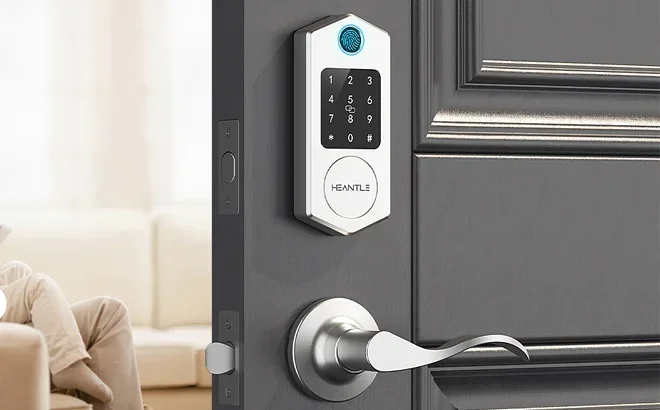
- Install a smart lock: Smart locks let you unlock your door with your phone, a code, or even your voice. No more physical keys to worry about.
- Create a key spot: Always place your keys in the same spot when you come home. A hook by the door works great.
- Check before you close the door: Make it a habit to feel for your keys in your pocket before the door clicks shut.
- Use a lockout kit: Keep a small auto lockout kit in your car. It includes tools that can help in a pinch.
Products That Help Prevent Lockouts
| Product | Type | Why It Helps |
|---|---|---|
| Bluetooth Key Finder | Electronics | Tracks your keys using your phone |
| Smart Lock | Smart Home | Unlock with phone or code, no key needed |
| Spare Key Lockbox | Storage | Secure place for a hidden spare key |
| Auto Lockout Kit | Tool Kit | Contains tools for car door lockouts |
| Key Hook | Hardware | Designated spot for keys by the door |
Investing a little time and money in prevention pays off every single time you avoid a lockout. These small steps add up to big peace of mind.
Common Mistakes to Avoid During a Lockout
When you are stressed and locked out, it is easy to make things worse. Here are mistakes you should avoid at all costs.
Mistakes That Cause More Harm
- Forcing the door open: Kicking or slamming your door can damage the frame, hinges, and lock. Repair costs can easily exceed a locksmith visit.
- Using the wrong tool: Improvised tools like screwdrivers or sharp objects can scratch, dent, or break your door mechanism.
- Ignoring the lock type: Using a credit card on a deadbolt will not work and may damage the card or the door frame.
- Calling the first locksmith you find: Unlicensed or unverified locksmiths can overcharge you or cause further damage.
- Panicking and giving up: Taking a moment to breathe and think clearly leads to better decisions.
Every one of these mistakes is avoidable. Stay calm, assess your situation, and choose the method that fits your lock type. A little patience goes a long way.
Quick Tips for Every Lockout Situation
No matter what kind of lockout you face, these quick tips will help you stay safe and efficient.
- Check all doors and windows first. Sometimes a back door or ground-floor window is unlocked and easy to access.
- Keep your phone charged. You will need it to call a locksmith or a family member with a spare key.
- Stay visible and safe. If you are locked out on the street, stand in a well-lit area and stay aware of your surroundings.
- Have ID ready. A locksmith will need to verify your identity before unlocking your door. Keep your driver’s license or other ID handy.
- Ask about pricing upfront. A good locksmith will give you a clear estimate before starting any work.
- Document the process. If you try a DIY method, take photos so you can explain what you attempted to the locksmith.
Final Thoughts on Handling a Door Lockout
A door lockout is never fun, but it is a situation you can handle with the right knowledge and tools. Whether you use the string technique, a wire hanger, a credit card, or a professional locksmith, the goal is the same: get back inside safely without causing damage.
Remember that prevention is your best long-term strategy. Spare keys, smart locks, and key finders can make lockouts a thing of the past. And when all else fails, a trusted locksmith is just a phone call away.
The next time you find yourself locked out, take a deep breath. You now know how to open your front door if key is locked inside using several proven methods. You are prepared, you are informed, and you are ready to handle whatever the lock throws at you.
Stay calm, try the right method for your lock type, and do not be afraid to call for help when you need it. You have got this.
Frequently Asked Questions
Can I use a coat hanger to open my front door if key is locked inside?
Yes, a coat hanger can work on doors with simple latch mechanisms. Straighten the hanger, create a small hook, and slide it between the door and frame to reach the latch. This method works best on older doors without reinforced frames or deadbolts.
How much does a locksmith cost for a lockout?
Most locksmiths charge between $50 and $150 for a standard lockout service. Prices vary based on your location, the time of day, and the type of lock. Emergency after-hours calls may cost more. Always ask for a price estimate before the locksmith starts working.
Will the string method damage my door lock?
No, the string method is one of the least invasive lockout techniques. It does not scratch, dent, or damage your lock or door in any way. This makes it a great first option to try when you find yourself locked out.
Can a credit card really open a locked door?
A credit card can work on doors with spring bolt latches, but not on deadbolts. The plastic card slides between the door and frame to push the latch back. Use an old card you do not need, as this method will damage the card.
What should I do if my car keys are locked inside?
Start with non-invasive methods like the inflatable wedge or a long reach tool. Avoid using sharp metal objects inside your car. If those methods fail, call a professional auto locksmith. They have the right tools for modern vehicles with electronic locks.
How can I prevent getting locked out in the future?
Keep a spare key with a trusted person, install a smart lock that lets you unlock with your phone, use a Bluetooth key finder, and always check for your keys before closing the door. These simple habits can prevent most lockouts from happening.
=== CONCLUSION ===
Knowing how to open your front door if key is locked inside is a valuable life skill. You now have several practical methods to try, from the simple string technique to knowing exactly when to call a locksmith. Remember to stay calm, choose the right method for your lock type, and always prioritize safety over speed.
Prevention is your strongest defense against future lockouts. Spare keys, smart locks, and key finders are small investments that pay off every single day. And when you do find yourself in a lockout situation, you are now equipped with the knowledge to handle it like a pro.
Take what you have learned here and put it into practice today. Share this guide with a friend or family member who might need it. Being prepared is the best way to turn a stressful moment into a quick and easy solution.