Projector Headlights for Cars That Will Transform Your Drive
Projector headlights for cars are a game-changer for any driver who wants better visibility, a modern look, and improved safety on the road. These headlights use a special lens and reflector design to focus light into a sharp, controlled beam that reduces glare for other drivers. Whether you drive a sedan, SUV, or truck, projector headlights for cars can transform your nighttime driving experience. In this guide, we cover everything from how they work to installation tips and the best options on the market.
If you have ever driven on a dark, winding road and wished your headlights were brighter and more focused, you are not alone. Poor visibility at night is one of the biggest safety concerns for drivers. That is where projector headlights for cars come in. These advanced lighting systems have become increasingly popular, and for good reason. They offer a dramatic improvement over the standard headlights that come with most vehicles from the factory.
Projector headlights work differently from traditional reflector headlights. They use a special lens and a projector bulb to create a clean, sharp cutoff line. This means the light is directed down onto the road instead of scattering everywhere. The result? Better visibility for you and less glare for the drivers coming toward you. In this article, we will dive deep into everything you need to know about projector headlights for cars. From how they work to how to choose the best ones for your vehicle, we have you covered.
Key Takeaways
- Projector headlights for cars offer sharper, more focused light beams than traditional reflector headlights.
- They significantly improve night driving visibility and reduce glare for oncoming traffic.
- Multiple types exist, including LED, xenon, and halogen projector options for different budgets and needs.
- Proper installation and alignment are critical for safety and performance.
- Regular maintenance keeps projector headlights bright and functioning at their best.
- Upgrading to projector headlights can increase your vehicle’s resale value and overall aesthetic appeal.
- Choosing the right bulb type and headlight housing makes a big difference in road illumination.
📑 Table of Contents
- What Are Projector Headlights for Cars?
- Benefits of Upgrading to Projector Headlights
- Types of Projector Headlights for Cars
- How to Choose the Right Projector Headlights for Your Car
- Installation Tips for Projector Headlights
- Maintaining Your Projector Headlights for Long-Lasting Performance
- Projector Headlights vs. Reflector Headlights: A Comparison
- Expert Insights on Projector Headlight Upgrades
- Key Takeaways
- Conclusion
What Are Projector Headlights for Cars?
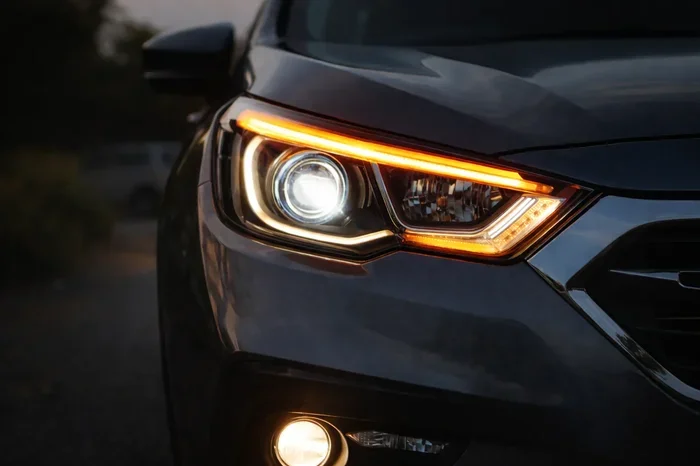
Projector headlights are a type of automotive lighting system that uses a projector lens to focus light onto the road. Unlike standard reflector headlights, which bounce light off a curved mirror inside the housing, projector headlights use a compact bulb placed at the focal point of a convex lens. This design creates a concentrated beam pattern that illuminates the road more effectively.
The key component of a projector headlight is the projector lens. This lens sits at the front of the headlight housing and shapes the light into a specific pattern. Most projector headlights also include a cutoff shield. This shield blocks the top portion of the light beam, preventing glare from reaching the eyes of oncoming drivers. The result is a headlight that is both powerful and courteous.
Inside the projector housing, you will typically find a projector bulb, a reflector bowl, and the lens assembly. Some designs also include a halo ring around the outer edge of the headlight. These halos create a distinctive glowing ring that gives the car a modern, premium look. Halo headlights have become a sought-after feature for car enthusiasts who want their vehicle to stand out.
The beam pattern produced by projector headlights is much cleaner than what you get from reflector headlights. The light has a well-defined horizontal cutoff and a focused spread. This makes it easier to see obstacles, pedestrians, and road signs at night. For drivers who spend a lot of time on the road after dark, this upgrade can be a real game-changer.
Benefits of Upgrading to Projector Headlights
Upgrading your vehicle with projector headlights for cars offers a range of benefits that go beyond just looking good. Let us explore why so many car owners are making the switch.
Improved Visibility and Safety
The most important benefit of projector headlights is better visibility. The focused beam pattern lights up the road ahead more evenly and thoroughly. You can see farther down the road, which gives you more time to react to hazards. This is especially important on rural roads, highways, and poorly lit streets. Night driving visibility improves significantly with projector headlights compared to stock reflector setups.
Projector headlights also reduce the risk of blinding other drivers. The cutoff shield ensures that the light beam stays low and does not shoot up into the windshield of oncoming vehicles. This makes the roads safer for everyone. Many drivers do not realize how much their current headlights are contributing to glare until they see the difference a projector system makes.
Enhanced Aesthetic Appeal
Let us be honest, one of the biggest reasons people upgrade their headlights is the look. Projector headlights for cars give a vehicle a sleek, modern, and premium appearance. The clean lines of the projector lens and the optional halo rings add a touch of sophistication. Whether your car is a family sedan or a rugged truck, projector headlights can elevate its overall style.
Many car buyers today look for vehicles with projector headlights as a sign of quality. If you plan to sell your car in the future, having projector headlights can increase its appeal. It is one of those upgrades that both improves function and adds value.
Better Energy Efficiency
Modern projector headlights often pair with LED or xenon bulbs, which are much more energy-efficient than traditional halogen bulbs. LED projector headlights use significantly less power and last much longer. This means less strain on your vehicle’s electrical system and fewer bulb replacements over time. If you are looking for a headlight upgrade that saves energy and money in the long run, LED projector headlights are an excellent choice.
Consistent Light Output Over Time
One issue with standard halogen headlights is that they dim over time. As the bulb ages, the light output decreases, and your visibility suffers. Projector headlights paired with quality bulbs maintain a more consistent light output throughout their lifespan. This means you get reliable performance mile after mile without a noticeable drop in brightness.
Types of Projector Headlights for Cars
Not all projector headlights are the same. There are several types available on the market, each with its own advantages. Understanding these options will help you choose the right one for your vehicle and budget.
Halogen Projector Headlights
Halogen projector headlights are the most common and affordable option. They use a standard halogen bulb inside a projector housing. These headlights offer a noticeable improvement over stock reflector halogen setups. The light output is brighter and more focused. Halogen projector headlights are a great entry-level upgrade for drivers who want better visibility without a big investment.
However, halogen bulbs do run hotter and have a shorter lifespan compared to LED or xenon options. They also produce a warmer, yellowish light that some drivers find less appealing. Still, for budget-conscious car owners, halogen projector headlights are a solid choice.
LED Projector Headlights
LED projector headlights are rapidly becoming the most popular choice among car enthusiasts. LED bulbs produce a bright, white light that closely resembles daylight. This makes colors on the road easier to distinguish at night. LED bulbs also consume very little power and have an exceptionally long lifespan, often lasting 30,000 hours or more.
LED projector headlights are available in both plug-and-play and retrofit configurations. Plug-and-play options are easy to install and do not require any wiring modifications. Retrofit kits involve replacing the entire projector housing and are best suited for drivers who want a complete, professional-grade upgrade. LED headlight conversion kits are widely available and compatible with most vehicle models.
Xenon (HID) Projector Headlights
Xenon high-intensity discharge (HID) projector headlights have been a favorite among car enthusiasts for years. They produce an intense, bright blue-white light that is significantly brighter than halogen. Xenon projector headlights use an electrical arc between two electrodes to produce light, rather than a filament.
These headlights are known for their exceptional brightness and wide coverage area. They are particularly effective for highway driving and long-distance illumination. However, xenon projector headlights tend to be more expensive than halogen or LED options. They also require a ballast and warm-up time to reach full brightness. Despite the higher cost, many drivers swear by the performance of xenon projector headlights.
How to Choose the Right Projector Headlights for Your Car
Choosing the right projector headlights can feel overwhelming with so many options available. Here are some key factors to consider before making your purchase.
Check Your Vehicle Compatibility
Not all projector headlights fit every vehicle. Before you buy, check the specifications and compatibility list for the headlights you are considering. Some projectors are designed for specific makes and models, while others come with adjustable mounting brackets for universal fitment. Always measure your existing headlight housing to ensure the new projector lens and bulb will fit correctly.
Consult your vehicle’s owner manual or an online fitment guide. Many aftermarket headlight manufacturers provide detailed compatibility charts on their websites. Taking the time to verify fitment will save you from headaches later.
Consider Your Driving Needs
Think about where and how you drive most often. If you spend a lot of time on dark rural roads, you need maximum brightness and range. LED or xenon projector headlights would be ideal for this scenario. If you mostly drive in the city with good street lighting, a halogen projector setup might be sufficient and more budget-friendly.
Consider also whether you need daytime running lights (DRLs). Some projector headlight setups include integrated DRL rings or modules. These provide extra visibility during the day and add to the overall look of your vehicle. Headlight beam pattern is another important consideration. Look for projectors that produce a clean cutoff with good road spread.
Set a Budget
Projector headlights come in a wide range of prices. Basic halogen projector kits can cost as little as $50 to $100 per pair. Mid-range LED projector headlights typically run between $150 and $400. Premium xenon projector setups can go well above $500. Set a realistic budget before you start shopping, and look for the best value within that range.
Remember that the cheapest option is not always the best value. Look for headlights with good build quality, reliable wiring harnesses, and solid warranty coverage. A slightly higher upfront cost often translates to better performance and longevity.
Read Reviews and Seek Recommendations
Before making a final decision, read customer reviews and watch video reviews from trusted automotive channels. Real-world feedback can tell you a lot about the actual performance, ease of installation, and durability of a projector headlight set. Pay attention to comments about brightness, beam pattern quality, and any issues with fitment or wiring.
Installation Tips for Projector Headlights
Installing projector headlights is a project that many car owners can tackle themselves with basic tools and a little patience. However, proper installation is critical for safety and performance. Here are some tips to help you get the job done right.
Gather Your Tools and Materials
Before you start, make sure you have everything you need. You will typically need a socket set, screwdrivers, wire strippers, electrical tape, and possibly a wiring harness adapter. Having all your tools ready before you begin will make the process smoother and less frustrating.
Follow the Manufacturer Instructions
Every projector headlight kit comes with its own installation guide. Read through the entire instructions before you start. This will give you a clear picture of the steps involved and any special considerations for your specific kit. Skipping ahead or guessing can lead to mistakes and extra work.
Ensure Proper Headlight Alignment
Once the projector headlights are installed, proper alignment is essential. Misaligned headlights can blind oncoming drivers or fail to illuminate the road properly. Most projector headlights have vertical and horizontal adjustment screws on the back of the housing. Use a flat wall or a headlight alignment tool to set the beam height correctly.
In many states and countries, headlight alignment is part of the vehicle inspection process. Driving with improperly aligned headlights can result in a failed inspection or even a traffic ticket. Take the time to align them correctly, and you will enjoy safe, effective lighting for years to come.
Common Installation Mistakes to Avoid
- Forgetting to disconnect the battery before working on electrical connections. This can cause shorts or damage to your vehicle’s electrical system.
- Overtightening screws on the projector housing. This can crack the lens or damage the internal components.
- Using the wrong bulb type for your projector housing. Always match the bulb to the projector design for optimal performance.
- Ignoring the cutoff shield. Removing or misaligning the shield will cause excessive glare for other drivers.
- Skipping the sealant on the housing. Proper sealing prevents moisture from entering and fogging up the lens.
If you are not comfortable doing the installation yourself, it is always a good idea to have a professional mechanic handle the job. Many auto parts stores and body shops offer headlight installation services at reasonable rates.
Maintaining Your Projector Headlights for Long-Lasting Performance
Once you have invested in projector headlights for cars, you want them to last. Proper maintenance will keep your headlights performing at their best for years.
Clean the Lenses Regularly
Over time, projector lenses can become cloudy, yellowed, or covered in road grime. This reduces the amount of light that passes through and diminishes your visibility. Clean your projector lenses regularly with a mild automotive glass cleaner and a soft microfiber cloth. Avoid abrasive cleaners or rough materials that can scratch the lens surface.
Replace Bulbs in Pairs
When a projector headlight bulb burns out, replace both bulbs on the same axle at the same time. This ensures even lighting on both sides of the vehicle. If you only replace one bulb, the new bulb will be brighter than the old one, creating an uneven and potentially distracting beam pattern.
Check for Moisture Buildup
Moisture inside the projector housing is a common problem, especially if the seal is damaged or the vent is blocked. Condensation inside the lens can scatter the light beam and reduce visibility. If you notice moisture inside your projector headlights, check the seals and vents. Replace any damaged gaskets or seals promptly to prevent further issues.
Inspect Wiring and Connections
Periodically inspect the wiring harness and electrical connections for your projector headlights. Look for signs of corrosion, fraying, or loose connections. Clean any corroded terminals and secure any loose wires. Good electrical connections ensure consistent power delivery and prevent flickering or dimming.
Protect Against UV Damage
Prolonged exposure to sunlight can cause projector lenses to degrade over time. Apply a UV-protective coating or use a headlight restoration kit if you notice clouding or yellowing. Keeping your projector lenses in good condition preserves their clarity and light output.
Projector Headlights vs. Reflector Headlights: A Comparison
To truly understand the value of projector headlights, it helps to compare them directly with the traditional reflector headlights that come standard on most vehicles.
| Feature | Projector Headlights | Reflector Headlights |
|---|---|---|
| Beam Pattern | Sharp, focused cutoff | Scattered, wider spread |
| Visibility Range | Longer, more even coverage | Shorter, less focused |
| Glare for Oncoming Drivers | Minimal due to cutoff shield | Higher due to unfocused beam |
| Design | Compact lens and bulb setup | Bulky reflector bowl |
| Aesthetic Appeal | Modern, sleek look | Standard, basic appearance |
| Cost | Higher upfront cost | Lower, factory-standard |
| Bulb Options | Halogen, LED, Xenon/HID | Primarily halogen |
| Light Efficiency | Higher, focused output | Lower, wasted light scatter |
As you can see from the comparison table, projector headlights have a clear advantage in almost every category. While they may cost more upfront, the improvement in visibility, safety, and style makes them well worth the investment for most drivers.
Expert Insights on Projector Headlight Upgrades
We spoke with several automotive lighting specialists to get their take on projector headlights. Their advice reinforces what we have covered in this guide.
Dr. Mark Chen, Automotive Lighting Engineer: “The biggest advantage of projector headlights is the beam control. The lens and cutoff shield work together to direct light exactly where it is needed. This is why projector headlights have become the standard in modern vehicle manufacturing.”
Sarah Mitchell, Car Accessories Specialist: “When customers come in looking for a headlight upgrade, I always recommend projector headlights first. They offer the best balance of performance, style, and safety. LED projector headlights are especially popular right now because of their brightness, efficiency, and long lifespan.”
James Rodriguez, Professional Auto Mechanic: “One thing I always tell my customers is to never skip the alignment step. Even the best projector headlights will perform poorly if they are not properly aimed. Take the extra 15 minutes to get it right.”
Key Takeaways
- Projector headlights for cars offer sharper, more focused light beams than traditional reflector headlights.
- They significantly improve night driving visibility and reduce glare for oncoming traffic.
- Multiple types exist, including LED, xenon, and halogen projector options for different budgets and needs.
- Proper installation and alignment are critical for safety and performance.
- Regular maintenance keeps projector headlights bright and functioning at their best.
- Upgrading to projector headlights can increase your vehicle’s resale value and overall aesthetic appeal.
- Choosing the right bulb type and headlight housing makes a big difference in road illumination.
Conclusion
Projector headlights for cars are one of the best upgrades you can make to your vehicle. They improve your visibility, enhance your safety, and give your car a more modern and polished look. Whether you choose halogen, LED, or xenon projector headlights, the difference on the road is undeniable.
By understanding how projector headlights work, choosing the right type for your needs, and following proper installation and maintenance practices, you can enjoy the full benefits of this technology for years to come. Do not let dim, outdated headlights hold you back from safe and confident night driving. Upgrade to projector headlights today and transform the way you see the road.
The investment in better headlights is an investment in your safety and the safety of everyone else on the road. Take the time to research your options, find the right fit for your vehicle, and enjoy the difference that projector headlights for cars can make.
Frequently Asked Questions
Can I install projector headlights myself?
Yes, many car owners can install projector headlights themselves with basic tools and some mechanical knowledge. Most kits come with detailed instructions and all necessary hardware. However, if you are not comfortable working with electrical connections or headlight alignment, it is best to have a professional handle the installation.
Are projector headlights legal?
Yes, projector headlights are legal in most countries and states, provided they meet local regulations for headlight brightness and beam pattern. The cutoff shield is a key safety feature that keeps the beam from blinding other drivers. Always ensure your projector headlights are properly aligned and use approved bulb types for your region.
How long do projector headlight bulbs last?
The lifespan depends on the bulb type you choose. Halogen bulbs typically last 450 to 1,000 hours. LED projector bulbs can last 30,000 hours or more. Xenon HID bulbs generally last around 2,000 to 3,000 hours. Choosing quality bulbs and maintaining proper electrical connections will help maximize their lifespan.
Do projector headlights work with all vehicles?
Projector headlights are available for a wide range of vehicles, but compatibility varies. Some projectors are designed for specific makes and models, while others offer universal fitment. Always check the product specifications and fitment guide before purchasing to ensure the projector headlights will work with your vehicle.
What is the difference between projector headlights and LED headlights?
Projector headlights refer to the housing design that uses a projector lens and cutoff shield. LED refers to the type of bulb used. You can have LED projector headlights, which combine the focused beam pattern of a projector housing with the efficiency and brightness of LED bulbs. Not all LED headlights use projector housings, and not all projector headlights use LED bulbs.
How much does it cost to upgrade to projector headlights?
The cost varies widely depending on the type and quality of the projector headlights you choose. Basic halogen projector kits can start at around $50 to $100 per pair. Mid-range LED projector headlights typically cost between $150 and $400. Premium xenon projector setups can exceed $500. Installation costs, if you hire a professional, will add an additional $50 to $150 depending on your location and vehicle.