Does Toyota Do State Inspections Here Is Your Answer
Does Toyota do state inspections? The answer depends on your location and the type of inspection needed. Toyota dealerships can help with many inspection-related services, but they do not always perform official state inspections themselves. Understanding the difference between dealer inspections and state-mandated checks saves you time, money, and stress. This guide breaks down everything you need to know about getting your Toyota inspected and road-ready.
Every car owner faces this question at some point. You need to get your vehicle inspected, and you wonder, does Toyota do state inspections? Maybe you just bought a used Toyota Camry or you own a shiny new RAV4 and the inspection sticker is about to expire. Either way, you want a clear, honest answer. You do not want to waste a trip. You do not want to get surprised by hidden costs. And you definitely do not want your car to fail because you did not know what to expect.
This guide covers everything you need to know about Toyota and state inspections. We will look at what state inspections actually involve. We will explore what Toyota dealerships can and cannot do. We will share practical tips to help you pass with confidence. By the end, you will have a clear game plan. No confusion. No stress. Just straightforward answers you can trust.
Let us dive right in and get you the answers you are looking for.
Key Takeaways
- Toyota dealerships offer inspection-related services: They can run diagnostic checks and help you understand what your vehicle needs to pass a state inspection.
- State inspections vary by location: Some states require annual safety checks while others only test emissions. Know your local rules before visiting.
- Toyota service centers are certified facilities: Many Toyota dealers are certified inspection stations that can perform official state inspections on your behalf.
- Preparation is key: Simple steps like checking lights, tires, and fluid levels can help your Toyota pass inspection the first time.
- Cost varies widely: State inspection fees typically range from $15 to $75 depending on your state and the type of test required.
- Common failure points are easy to fix: Worn brake pads, burnt-out bulbs, and dirty air filters are the top reasons cars fail state inspections.
- Know your Toyota maintenance schedule: Staying current with Toyota recommended maintenance keeps your vehicle in inspection-ready condition year-round.
📑 Table of Contents
- What Is a State Vehicle Inspection and Why Does It Matter?
- Does Toyota Perform State Inspections?
- What to Expect During a Toyota Inspection Visit
- Common Reasons Cars Fail State Inspections
- How to Prepare Your Toyota for a State Inspection
- State Inspection Laws and Requirements by Region
- How Much Does a State Inspection Cost at a Toyota Dealership?
- Expert Tips for Keeping Your Toyota Inspection-Ready Year-Round
- Conclusion
What Is a State Vehicle Inspection and Why Does It Matter?
A state vehicle inspection is a mandatory check that proves your car meets safety and environmental standards set by your state government. Every state has its own rules. Some states require a full safety inspection every year. Others only test for emissions. A few states have no inspection requirement at all. The goal is the same everywhere: keep unsafe vehicles off the road and reduce harmful pollution.
During a typical inspection, a certified technician checks several key systems on your vehicle. They look at your brakes, lights, tires, steering, and suspension. They may also test your exhaust emissions. If your car passes, you receive an inspection sticker or certificate. You place it on your windshield as proof of compliance. If it fails, you get a list of issues that need fixing before you can re-test.
Why does this matter for Toyota owners? Because knowing the process helps you prepare. It also helps you choose the right place to get the job done. A Toyota service center can be a great option, but it is not the only one. Understanding the full picture gives you an advantage.
Types of State Inspections
Most states fall into one of three categories when it comes to vehicle inspection requirements. Here is a quick breakdown.
- Safety Inspections: These check the mechanical and visual safety of your vehicle. Technicians examine brakes, lights, mirrors, tires, and more. This is the most common type across the United States.
- Emissions Inspections: These test the amount of pollution your car releases. Vehicles with failing emissions tests cannot receive a passing inspection sticker. This is especially common in states like California, Colorado, and New York.
- Combined Safety and Emissions Inspections: Some states require both a safety check and an emissions test. This is the most thorough type of inspection and covers everything from brake performance to exhaust output.
Before you visit a Toyota dealer, look up your state’s specific requirements. A quick online search for your state name plus vehicle inspection laws will give you exactly what you need. This saves time and helps you walk in prepared.
Does Toyota Perform State Inspections?
Here is the short answer: it depends. Some Toyota dealerships are certified inspection stations and can perform official state inspections for you. Others are not authorized to do so. The ability to conduct a state inspection depends on your state’s regulations and the specific dealership’s certification status.
Let us break this down further so you know exactly what to expect.
When Toyota Dealers Can Perform State Inspections
In many states, Toyota dealerships have the equipment and trained technicians needed to serve as certified inspection stations. States like Texas, for example, allow dealerships to perform state inspections. If you live in Texas and own a Toyota, your local dealer might be able to handle the entire inspection process for you. This is incredibly convenient because you can get your car inspected and serviced in the same visit.
Toyota dealerships that offer state inspections typically provide:
- A full safety inspection checklist review
- Emissions testing where required
- Immediate repairs for minor issues found during the inspection
- Official inspection stickers and documentation
- Certified technician signatures and state compliance stamps
When Toyota Dealers Cannot Perform State Inspections
In some states, only independent inspection stations or specialized testing facilities are authorized to perform official state inspections. If you live in one of these states, your Toyota dealer can still help you in other important ways. They can run a pre-inspection diagnostic check on your vehicle. They can identify potential problem areas before you visit an official inspection station. This proactive approach saves you from the frustration of a failed inspection.
Some states also restrict who can perform inspections based on the type of vehicle. For example, certain states require independent stations for diesel vehicles or older model cars. Always call your local Toyota dealer ahead of time to confirm whether they handle state inspections for your specific vehicle type.
The Difference Between a Toyota Dealer Inspection and a State Inspection
This is a point of confusion for many car owners. A Toyota dealer inspection is not the same as an official state inspection. A dealer inspection is a voluntary check performed by Toyota-trained technicians. They assess your vehicle’s overall health using Toyota-specific diagnostic tools. They check fluid levels, tire wear, brake condition, and more. This is part of Toyota’s recommended maintenance schedule and is designed to keep your car running well.
A state inspection, on the other hand, is a legal requirement. It is performed by a government-authorized facility or certified station. It follows strict state guidelines and standards. The results determine whether your vehicle is legally allowed on the road. Understanding this distinction is crucial. You cannot substitute a dealer inspection for a state inspection. But you can use a dealer visit to prepare for one.
What to Expect During a Toyota Inspection Visit
If you decide to visit a Toyota dealership for your inspection, knowing what happens step by step makes the experience much smoother. Here is a realistic look at what your visit will involve.
Step One: Check-In and Paperwork
When you arrive at the Toyota dealership, you check in at the service desk. You will need your vehicle registration, proof of insurance, and any previous inspection documents. The service advisor will enter your information into their system and assign a technician to your vehicle. This part usually takes just a few minutes.
Step Two: Visual and Physical Inspection
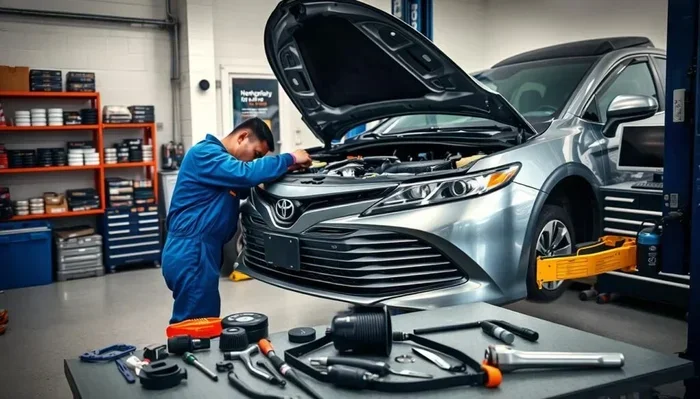
The technician then performs a thorough check of your vehicle. They examine your exterior lights, turn signals, brake lights, and headlights. They check your tires for proper tread depth and even wear. They inspect your brakes, steering, and suspension components. They look under your vehicle for any visible leaks or damage. This visual inspection covers the same ground as a standard state safety check.
Step Three: Diagnostic Testing
For emissions inspections, the technician connects your Toyota to a diagnostic machine. This device reads your vehicle’s onboard computer and measures exhaust output. Modern Toyotas with OBD-II systems make this process quick and accurate. The technician checks for error codes, sensor readings, and overall engine health. If your Toyota is well-maintained, this step should go smoothly.
Step Four: Results and Documentation
Once the inspection is complete, the technician shares the results with you. If your vehicle passes, you receive your official inspection sticker or certificate. You can place it on your windshield right away. If your vehicle fails, the technician provides a detailed list of what needs fixing. You can often get those repairs done at the same dealership, which saves you a second trip.
How Long Does a Toyota Inspection Take?
A typical inspection visit at a Toyota dealership takes between 30 minutes and one hour. If your vehicle needs repairs before it can pass, the timeline depends on the severity of the issues. Minor fixes like replacing a bulb or topping off fluids might take just 15 minutes. More complex repairs could require a full day or more. Planning ahead and scheduling your appointment helps you avoid long wait times.
Common Reasons Cars Fail State Inspections
Failing a state inspection is frustrating, but it happens to a lot of car owners every year. The good news is that most common failure reasons are easy to fix. Here are the top issues that cause vehicles to fail their state vehicle inspection.
- Burnt-Out Lights: This is the number one reason cars fail inspections. A single dead bulb in your tail lights, brake lights, or headlights is enough to trigger a failure. It is a quick and cheap fix.
- Worn Brake Pads: Inspectors check your brake pads for remaining thickness. If they are too thin, your vehicle will not pass. Replacing brake pads is a routine maintenance item that Toyota owners should stay on top of.
- Check Engine Light: If your check engine light is on, your vehicle will almost certainly fail an emissions inspection. The light signals an underlying problem that needs diagnosis and repair.
- Low or Dirty Fluids: Insufficient engine oil, coolant, or brake fluid can cause a failed inspection. Keeping your fluids topped off is simple and effective.
- Worn Tires: Tires with low tread depth or uneven wear patterns fail safety inspections. A quick tire check before your inspection can save you from a surprise failure.
- Dirty Air Filter: A clogged air filter affects engine performance and emissions. Replacing it is inexpensive and takes just minutes.
- Exhaust System Leaks: Any leaks in the exhaust system can cause an emissions test failure. These leaks are often invisible but easily detected during testing.
Most of these issues are things you can check yourself before heading to the dealership. A quick pre-inspection checklist takes just 15 minutes and dramatically increases your chances of passing on the first try.
How to Prepare Your Toyota for a State Inspection
Preparation is the single best thing you can do to ensure your Toyota passes its state inspection. A little effort beforehand saves you time, money, and the hassle of a failed test. Here is a practical preparation guide every Toyota owner should follow.
Check All Your Lights
Walk around your Toyota and check every light. Headlights, tail lights, brake lights, turn signals, reverse lights, and license plate lights. Have a friend help you by pressing the brake pedal while you check from outside. Replace any burnt-out bulbs immediately. This one step alone resolves the most common inspection failure.
Inspect Your Tires
Look at your tire tread depth. Use a penny test by inserting a penny into the tread with Lincoln’s head facing down. If you can see the top of Lincoln’s head, your tread is too low and needs replacement. Also check for uneven wear patterns, bulges, or visible damage. Properly inflated tires are also essential, so check your tire pressure against the recommended levels listed on your Toyota door jamb sticker.
Review Your Fluid Levels
Pop the hood and check your engine oil, coolant, brake fluid, and windshield washer fluid. Top off anything that is low. If your oil looks dark or gritty, consider getting an oil change before the inspection. Fresh oil not only helps your engine run better but also shows the inspector that you maintain your vehicle well.
Clear Any Warning Lights
If your check engine light or any other warning light is illuminated on your dashboard, address it before the inspection. Visit your Toyota service center for a diagnostic scan. They can read the error codes and identify the problem. Fixing even a minor issue like a loose gas cap can turn off your check engine light and save your inspection.
Get a Pre-Inspection Tune-Up
Consider scheduling a Toyota maintenance service visit before your inspection date. A tune-up that includes spark plug replacement, air filter change, and fuel system cleaning can improve your vehicle’s performance and emissions. This is especially helpful for older Toyotas that may be due for routine maintenance anyway.
Quick Tips for Inspection Day
- Drive your Toyota for at least 15 minutes before the inspection. This warms up the engine and gets all systems operating at normal temperature.
- Bring your registration, proof of insurance, and any previous inspection documents.
- Make sure your Toyota is clean, especially around the license plate and lights. Inspectors often check these areas closely.
- Arrive early and avoid peak hours to minimize wait time.
State Inspection Laws and Requirements by Region
State inspection laws vary dramatically across the United States. What applies in one state may not apply in another. Understanding your local requirements is essential for planning your inspection visit.
States That Require Annual Safety Inspections
Several states mandate annual safety inspections for all registered vehicles. States like New York, Pennsylvania, and Massachusetts fall into this category. If you live in one of these states, you need to get your Toyota inspected every year without exception. Missing the deadline can result in fines, penalties, or even registration suspension.
States That Require Emissions Testing Only
Other states focus exclusively on emissions testing. California is the most well-known example with its strict smog check requirements. Colorado, Arizona, and Georgia also require emissions tests in many counties. If you live in one of these areas, your Toyota needs to meet specific exhaust standards. Modern Toyotas generally pass emissions tests easily, but older models may need extra attention.
States With No Inspection Requirements
A handful of states have eliminated mandatory vehicle inspections altogether. Alaska, Michigan, and Mississippi are examples of states that do not require annual inspections. If you live in one of these states, you do not need to worry about state inspections for your Toyota. However, regular maintenance and safety checks are still smart practices.
How to Find Your State’s Specific Requirements
The easiest way to find your state’s inspection requirements is to visit your state’s Department of Motor Vehicles website. Most DMV sites have a dedicated section for vehicle inspections. You can find information about required tests, approved inspection stations, fees, and renewal deadlines. You can also call your local Toyota dealership and ask them directly. Their service advisors are familiar with state-specific inspection rules and can guide you accordingly.
How Much Does a State Inspection Cost at a Toyota Dealership?
Cost is always a factor when it comes to vehicle inspections. The good news is that state inspection fees are generally affordable. Most states charge between $15 and $75 for a standard safety or emissions inspection. The exact fee depends on your state, the type of inspection required, and the facility performing the test.
At a Toyota dealership, the inspection cost may be slightly higher than at an independent station. However, the trade-off is convenience and expertise. Toyota technicians are specifically trained on Toyota vehicles. They have access to manufacturer-specific diagnostic tools. If any repairs are needed, you can often get them done on the spot without scheduling a separate appointment.
Keep in mind that some states offer free or reduced-cost inspections for certain vehicles. Electric vehicles and hybrid models like the Toyota Prius may qualify for discounted or waived emissions tests in some regions. Check with your local DMV or Toyota dealer to see if you qualify for any savings.
Expert Tips for Keeping Your Toyota Inspection-Ready Year-Round
The best way to handle state inspections is to stay prepared all year long. You do not want to scramble the week before your inspection sticker expires. Here are some expert tips from experienced Toyota service professionals.
- Follow Toyota’s recommended maintenance schedule: Regular oil changes, brake inspections, and fluid checks keep your vehicle in top shape and inspection-ready.
- Address warning signs early: If something sounds, feels, or looks off with your Toyota, get it checked right away. Ignoring small problems leads to bigger issues that can cause inspection failures.
- Keep records of all maintenance: A service history shows inspectors and potential buyers that your Toyota has been well cared for. It also helps your dealer identify patterns that could affect inspection outcomes.
- Schedule seasonal check-ups: A quick inspection of your lights, tires, and fluid levels before each inspection cycle keeps you ahead of potential problems.
- Stay informed about changing regulations: State inspection laws can change. Subscribe to your state DMV newsletter or follow their social media channels for updates.
These habits take minimal effort but pay off big time. They keep your Toyota safe, reliable, and compliant with state requirements. Plus, a well-maintained Toyota holds its value better and runs more efficiently. That is a win-win for any owner.
Conclusion
So, does Toyota do state inspections? The answer is yes, in many cases, but not everywhere. Whether your local Toyota dealership performs official state inspections depends on your state’s laws and the dealership’s certification status. Even when they do not handle the official inspection, Toyota service centers provide invaluable support. They run pre-inspection diagnostics, identify potential issues, and perform the repairs needed to get your vehicle road-ready.
The key takeaway is simple: preparation is everything. Know your state’s inspection requirements. Take care of routine maintenance on your Toyota. Check your lights, tires, and fluids before every inspection visit. These steps put you in the best position to pass with confidence and avoid the frustration of a failed test.
Whether you drive a compact Corolla, a powerful Tacoma, or a family-friendly Highlander, staying on top of your state inspection keeps you safe and legal on the road. Take the time to understand the process, choose the right inspection option for your situation, and keep your Toyota in excellent condition. You will breeze through your next inspection with ease.
Frequently Asked Questions
Do all Toyota dealerships perform state inspections?
No, not all Toyota dealerships are certified inspection stations. Whether a Toyota dealer can perform a state inspection depends on your state’s regulations and the dealership’s certification status. Call your local Toyota service center ahead of time to confirm if they handle official state inspections for your vehicle.
How much does it cost to get a Toyota inspected for state requirements?
State inspection fees typically range from $15 to $75 depending on your state and the type of inspection required. If you visit a Toyota dealership, the cost may be slightly higher than an independent station, but you gain the benefit of trained Toyota technicians and the ability to handle any needed repairs on-site.
Can a Toyota dealership fix my car if it fails a state inspection?
Yes, in most cases, Toyota service centers can repair the issues that caused your vehicle to fail. Whether it is replacing brake pads, fixing a burnt-out light, or addressing an emissions problem, the dealership’s trained technicians can handle the repairs. This saves you from visiting a separate repair shop and simplifies the entire process.
How often do you need a state inspection for a Toyota?
Inspection frequency depends entirely on your state. Some states require annual inspections, while others require inspections every two years. A few states have no mandatory inspection requirement at all. Check your state’s Department of Motor Vehicles website or ask your Toyota dealer for the specific timeline that applies to your area.
What should I bring to a Toyota dealership for a state inspection?
Bring your vehicle registration, proof of insurance, and any previous inspection documents. Also bring your payment method for the inspection fee. If your Toyota has had recent repairs or maintenance, bringing those records can be helpful as well. Most dealerships will handle the rest of the process for you.
Are newer Toyota models easier to pass state inspections?
Yes, newer Toyota models generally pass state inspections more easily than older vehicles. Modern Toyotas come equipped with advanced onboard diagnostics, efficient emissions systems, and reliable components. However, even a new Toyota can fail if it has unresolved warning lights, low fluids, or neglected maintenance. Staying current with your Toyota service schedule is important regardless of your vehicle’s age.