Are Toyota Lug Nuts Metric And Why It Matters For Your Car
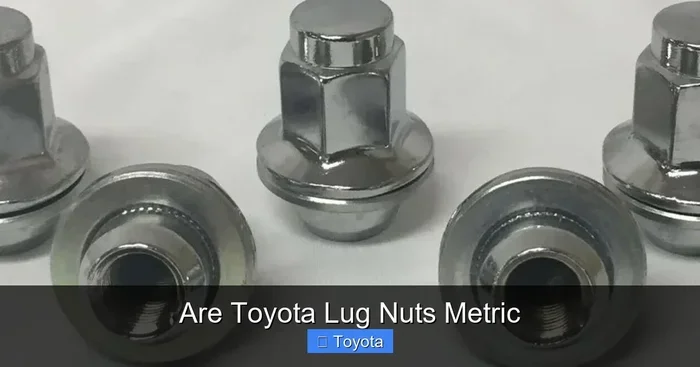
Yes, Toyota lug nuts are metric, and using the wrong size can cause serious safety issues. Most Toyota models use 14mm x 1.5 thread pitch with a 17mm hex size. Knowing your Toyota lug nuts metric specifications ensures proper wheel fitment, safe driving, and easy replacements. This guide covers everything you need to know.
Every Toyota owner should know one simple fact: Toyota lug nuts are metric. It might seem like a small detail, but it makes a huge difference when you are changing a tire, upgrading your wheels, or doing routine maintenance. Using the wrong lug nuts can lead to wheel wobble, damage to your wheel hub, or even a dangerous situation on the road.
If you have ever stood in an auto parts store staring at bins of lug nuts, you know how confusing it can be. There are so many sizes, shapes, and thread types. The good news is that Toyota keeps things fairly consistent. Most Toyota vehicles use metric lug nuts with a 14mm thread and a 1.5 thread pitch. Once you know this, shopping for replacements becomes much easier.
In this guide, we will break down everything you need to know about Toyota lug nuts metric specifications. We will cover the common sizes, why metric matters, how to identify the right lug nuts, and what can go wrong if you use the wrong ones. Whether you are a DIY mechanic or just someone who wants to be prepared, this article has you covered.
Key Takeaways
- Toyota uses metric lug nuts: Nearly all Toyota models use metric threading, not SAE or imperial.
- Common size is 14mm x 1.5: This is the most frequent thread pitch across Toyota’s lineup.
- Hex size matters too: Most Toyota lug nuts require a 17mm lug wrench or socket.
- Wrong lug nuts are dangerous: Mismatched lug nuts can lead to wheel detachment or damage.
- Aftermarket wheels need compatibility checks: Always verify metric specs before buying aftermarket lug nuts.
- Torque specs are critical: Toyota recommends specific lug nut torque values for each model.
- Always keep a spare set: Having a backup set of metric lug nuts saves time and money.
📑 Table of Contents
- What Are Lug Nuts and Why Do They Matter?
- Are Toyota Lug Nuts Metric?
- Common Toyota Lug Nut Sizes
- Why Using the Wrong Lug Nuts Is Dangerous
- How to Identify the Correct Lug Nuts for Your Toyota
- Aftermarket Lug Nuts for Toyota: What to Look For
- Lug Nut Torque Specifications for Toyota
- Common Mistakes People Make with Toyota Lug Nuts
- Quick Tips for Toyota Lug Nut Maintenance
- Expert Insights on Toyota Lug Nuts
- Key Takeaways
- Conclusion
What Are Lug Nuts and Why Do They Matter?
Lug nuts are the small but mighty fasteners that hold your wheels onto your car. They screw onto the wheel studs and clamp the wheel securely in place. Without properly functioning lug nuts, your wheels would not stay attached. It is that simple.
Every vehicle manufacturer uses specific lug nut sizes and thread pitches. These specifications are not random. They are engineered to match the wheel studs and ensure a tight, secure fit. When you buy the right lug nuts, you get a snug connection that can handle the weight of the vehicle and the forces of driving.
How Lug Nuts Work
The lug nut threads onto a wheel stud that is bolted to the brake rotor or drum. When you tighten the lug nuts, they create clamping force. This force holds the wheel hub, brake rotor, and wheel together as one unit. The tighter the lug nuts, the more secure the wheel stays while you drive.
Toyota designs their vehicles with specific wheel lug specifications in mind. The thread size, pitch, and hex size all work together to create a system that is safe and reliable. Changing any of these variables can compromise the entire setup.
Are Toyota Lug Nuts Metric?
The short answer is yes. Toyota uses metric lug nuts across nearly all of their vehicles. This means the thread measurements follow the metric system rather than the imperial or SAE system. If you own a Toyota, you need metric lug nuts.
Some car brands use SAE or imperial lug nuts. Ford, for example, uses a mix of both depending on the model and year. But Toyota has stuck with metric threading for decades. This makes it easier to find replacements and keeps things consistent across their lineup.
What Does Metric Mean for Lug Nuts?
Metric lug nuts are measured in millimeters. The two key measurements are the thread diameter and the thread pitch. For example, a 14mm x 1.5 lug nut has a thread diameter of 14 millimeters and a pitch of 1.5 millimeters between each thread.
Here is how metric differs from SAE:
- Metric lug nuts use millimeters for thread diameter and pitch.
- SAE lug nuts use fractions of an inch for measurements.
- Thread pitch refers to the distance between threads. Metric uses millimeters per thread.
- Hex size refers to the wrench size needed to tighten or loosen the lug nut.
Using an SAE lug nut on a metric Toyota wheel stud will not work properly. The threads will not align, and you risk cross-threading or damaging the stud. Always make sure you are using metric lug nuts for your Toyota.
Common Toyota Lug Nut Sizes
Toyota uses a few standard lug nut sizes across their vehicle range. Knowing these sizes helps you buy the right replacements quickly. Here are the most common Toyota lug nuts metric sizes you will encounter.
14mm x 1.5 Thread Pitch
This is the most common lug nut size for Toyota vehicles. Models like the Camry, Corolla, RAV4, Highlander, and Tacoma often use 14mm x 1.5 threading. The hex size for these lug nuts is typically 17mm.
If you own a Toyota and are not sure what size you need, start with 14mm x 1.5. It is the safest bet for most Toyota models. This size has been used across many generations of Toyota vehicles, making it a reliable standard.
12mm x 1.25 Thread Pitch
Some older Toyota models and smaller vehicles use 12mm x 1.25 threading. This size is less common but still appears on certain Toyota models from the 1980s and 1990s. Always check your owner’s manual or the existing lug nuts before purchasing replacements.
14mm x 1.25 Thread Pitch
A few Toyota models use a slightly different pitch of 14mm x 1.25. This is less common than the 1.5 pitch but can still be found on certain older models. The difference in pitch means you cannot swap a 1.5 pitch lug nut for a 1.25 pitch one.
17mm Hex Size
The hex size is the flat side of the lug nut that your wrench or socket grips. Most Toyota lug nuts use a 17mm hex size. This means you need a 17mm lug wrench or socket to tighten and loosen them. Keep this in mind when buying a lug wrench set for your Toyota.
Why Using the Wrong Lug Nuts Is Dangerous
Some people think lug nuts are all the same. They are not. Using the wrong lug nuts on your Toyota can lead to serious problems. Let us look at why this matters so much.
Risk of Wheel Detachment
The most dangerous outcome of using wrong lug nuts is wheel detachment. If the lug nuts do not thread properly onto the wheel studs, they will not create the correct clamping force. Over time, vibration and driving forces can loosen improperly fitted lug nuts. A loose wheel can come off while driving, which is a catastrophic safety hazard.
This is not a rare problem. It happens more often than you might think, especially when people use aftermarket lug nuts without checking the specifications. Always verify that your wheel lug nuts match your vehicle’s requirements.
Damage to Wheel Studs and Hubs
Cross-threading happens when you try to screw a lug nut onto a stud with the wrong thread size or pitch. This can damage the wheel stud permanently. In some cases, the entire wheel hub assembly may need to be replaced. Repair costs can add up quickly when you use the wrong parts.
Even if the lug nut appears to thread on, a mismatch in pitch can cause uneven stress on the stud. Over time, this stress can lead to stud fatigue and failure. Your wheel hub is a critical component, and you do not want to compromise it with incorrect lug nuts.
Inaccurate Torque Readings
Lug nuts are designed to be tightened to a specific torque specification. When you use the wrong lug nut, the torque reading on your wrench may not be accurate. This means you might over-tighten or under-tighten the nuts. Both situations are dangerous.
Toyota provides specific lug nut torque specifications for each model. Typically, Toyota recommends between 76 and 100 foot-pounds of torque for most models. Always use a torque wrench to ensure proper tightness.
How to Identify the Correct Lug Nuts for Your Toyota
Finding the right lug nuts for your Toyota does not have to be complicated. There are several straightforward ways to identify the correct Toyota lug nuts metric specifications.
Check Your Owner’s Manual
The easiest and most reliable method is to check your owner’s manual. Toyota includes detailed specifications for wheel and lug nut requirements in the manual. Look for the section on wheels, tires, or maintenance. The manual will list the thread size, pitch, hex size, and torque specifications.
Inspect Your Existing Lug Nuts
If you do not have the manual, you can measure your existing lug nuts. Use a metric ruler or caliper to measure the thread diameter. Count the number of threads within 10mm to determine the pitch. Check the flat sides of the lug nut to find the hex size.
Most Toyota owners will find that their lug nuts measure 14mm in diameter with a 1.5mm pitch and a 17mm hex size. But always double-check before buying replacements.
Look Up Your Vehicle Online
Toyota forums and parts websites are great resources. You can search for your specific model and year to find the correct lug nut specifications. Many parts retailers also have lookup tools where you enter your vehicle information and get the exact parts you need.
Ask a Toyota Dealer
Your local Toyota dealer can provide the exact lug nut specifications for your vehicle. They have access to Toyota’s parts database and can confirm the correct size. This is a foolproof method if you are unsure about any measurements.
Aftermarket Lug Nuts for Toyota: What to Look For
Many Toyota owners like to upgrade their wheels or add aftermarket lug nuts for a better look. Aftermarket lug nuts come in many styles, colors, and designs. But not all aftermarket lug nuts are created equal. You need to make sure they match your Toyota’s metric specifications.
Ball Seat vs. Cone Seat Lug Nuts
Toyota vehicles typically use cone seat or ball seat lug nuts. The seat is the part of the lug nut that contacts the wheel. Cone seat lug nuts have a tapered interior that matches a tapered wheel hole. Ball seat lug nuts have a rounded interior that matches a rounded wheel hole.
Using the wrong seat type can cause the wheel to sit improperly. This can lead to vibration, uneven tire wear, and potential safety issues. Always check which seat type your Toyota requires before buying aftermarket lug nuts.
Open-End vs. Closed-End Lug Nuts
Open-end lug nuts have an open top that allows the wheel stud to poke through. Closed-end lug nuts have a capped top that covers the stud. Both types work fine for Toyota vehicles. Closed-end lug nuts offer a cleaner look and protect the wheel stud from dirt and moisture.
When shopping for aftermarket lug nuts, make sure the thread size, pitch, and seat type match your Toyota. A lug nut kit designed for Toyota metric applications is a great option. These kits include all the sizes you need and often come with a storage case.
Popular Aftermarket Lug Nut Brands for Toyota
Several brands make high-quality aftermarket lug nuts that are compatible with Toyota vehicles. Look for brands that specialize in wheel lug accessories and offer metric thread options. Some popular brands include McGard, Acorn, and Gorilla Lug Nuts. Always verify compatibility before purchasing.
Lug Nut Torque Specifications for Toyota
Proper torque is essential for safe driving. Over-tightening lug nuts can warp brake rotors and damage wheel studs. Under-tightening can cause wheels to come loose. Toyota provides specific torque recommendations for each model.
Here are general torque guidelines for Toyota vehicles:
- Compact and midsize cars (Corolla, Camry): Typically 76 to 80 foot-pounds.
- SUVs and trucks (RAV4, Tacoma, Highlander): Typically 80 to 100 foot-pounds.
- Older models may have lower torque requirements. Always check the manual.
Use a torque wrench every time you install or remove lug nuts. Do not rely on feel or a standard impact wrench. A torque wrench ensures you apply the exact amount of force specified by Toyota.
It is also a good practice to re-torque your lug nuts after the first 50 to 100 miles of driving a new set of wheels. This helps settle the lug nuts into their proper position and ensures a secure fit.
Common Mistakes People Make with Toyota Lug Nuts
Even experienced car owners make mistakes when it comes to lug nuts. Here are some common errors to avoid.
Assuming All Lug Nuts Are the Same
This is the biggest mistake people make. Lug nuts come in different sizes, pitches, and seat types. Just because a lug nut fits does not mean it is correct. Always verify the specifications for your specific Toyota model.
Using Impact Wrenches Without a Torque Wrench
Impact wrenches are great for quick tire changes, but they do not provide precise torque. Always finish with a torque wrench to ensure proper tightness. Over-tightening with an impact wrench is a common cause of brake rotor warping and stud damage.
Mixing Metric and SAE Parts
Never mix metric and SAE lug nuts or wheel studs on the same vehicle. The threads will not match, and you risk cross-threading. Keep your Toyota’s metric wheel specifications consistent across all four wheels.
Ignoring Rust and Corrosion
Lug nuts can rust over time, especially in cold climates where road salt is used. Rust can make lug nuts difficult to remove and can affect the thread fit. If your lug nuts are corroded, replace them with new ones rather than trying to force them off.
Quick Tips for Toyota Lug Nut Maintenance
Keeping your lug nuts in good shape is simple with a few basic habits. Follow these tips to ensure your wheels stay secure and your Toyota runs smoothly.
- Check lug nut tightness monthly. Use a torque wrench to verify they are at the correct specification.
- Replace damaged lug nuts immediately. Do not reuse lug nuts that are stripped, cross-threaded, or corroded.
- Keep a spare set in your trunk. Having a backup set of metric lug nuts can save you in an emergency.
- Clean the threads before installing. Remove any dirt, rust, or debris from the wheel studs before threading on new lug nuts.
- Use an anti-seize compound sparingly. A small amount on the threads can prevent seizing, but do not overapply as it can affect torque readings.
- Store your lug nuts properly. Keep them in a clean, dry place to prevent corrosion and damage.
Expert Insights on Toyota Lug Nuts
Automotive experts agree that using the correct lug nuts is one of the simplest yet most important aspects of vehicle maintenance. According to Toyota service manuals, the factory-recommended lug nuts are specifically chosen for each model to ensure optimal fit and safety.
Certified Toyota technicians emphasize the importance of using OEM-spec lug nuts or high-quality aftermarket equivalents. They warn against cheap, no-name lug nuts that may not meet the required thread specifications or material standards. Investing in quality Toyota wheel nuts pays off in safety and longevity.
Many tire shops also recommend re-torqueing lug nuts after the first 100 miles on new wheels. This small step can prevent wheels from loosening over time and is a quick way to ensure peace of mind.
Key Takeaways
- Toyota lug nuts are metric: Nearly all Toyota vehicles use metric-threaded lug nuts, not SAE or imperial.
- 14mm x 1.5 is the most common size: This thread size and pitch covers the majority of Toyota models.
- 17mm hex size is standard: You will need a 17mm wrench or socket for most Toyota lug nuts.
- Wrong lug nuts create safety risks: Mismatched lug nuts can lead to wheel wobble, detachment, or hub damage.
- Always check seat type and thread pitch: Both cone seat and ball seat options exist, and they must match your wheels.
- Torque matters: Use a torque wrench and follow Toyota’s recommended specifications for your model.
- Aftermarket lug nuts must be compatible: Verify metric threading and correct seat type before purchasing upgrades.
Conclusion
The answer to whether Toyota lug nuts are metric is a clear and definitive yes. Toyota lug nuts metric specifications are consistent across the brand’s lineup, making it straightforward to find the right replacements and upgrades. The most common size is 14mm x 1.5 thread pitch with a 17mm hex size, but always verify for your specific model and year.
Using the correct lug nuts is not just about convenience. It is about safety. Your wheels are the only connection between your vehicle and the road. The lug nuts are what keep them attached. Taking a few extra minutes to ensure you have the right metric wheel lug nuts for your Toyota can prevent dangerous situations and costly repairs.
Whether you are a seasoned DIYer or a casual car owner, understanding your Toyota’s lug nut specifications is essential knowledge. Keep this guide handy, share it with fellow Toyota owners, and always prioritize safety when it comes to your wheels. The right lug nuts, tightened to the right torque, give you confidence every time you hit the road.
Frequently Asked Questions
Are all Toyota models using metric lug nuts?
Yes, virtually all Toyota vehicles use metric lug nuts. Some older models may have slight variations in thread pitch, but the metric system is standard across the entire Toyota lineup. Always check your specific model and year to confirm the exact size.
Can I use SAE lug nuts on a Toyota?
No, you should never use SAE lug nuts on a Toyota. The thread measurements are different, and using imperial-sized lug nuts can cause cross-threading, improper fit, and serious safety risks. Always use metric lug nuts for your Toyota vehicle.
What size socket do I need for Toyota lug nuts?
Most Toyota lug nuts require a 17mm socket or lug wrench. This is the standard hex size across Toyota’s vehicle range. Keep a 17mm metric socket in your emergency kit for tire changes and maintenance.
How often should I re-torque my Toyota lug nuts?
It is recommended to re-torque your lug nuts after the first 50 to 100 miles of driving new wheels. After that, check them monthly and before any long trips. Always use a torque wrench to ensure you apply the correct amount of force.
What happens if I use the wrong thread pitch on my Toyota?
Using the wrong thread pitch can cause cross-threading, improper clamping force, and potential wheel detachment. The threads will not align correctly, which can damage the wheel stud and compromise the safety of your vehicle. Always match the factory specifications.
Where can I buy replacement Toyota lug nuts?
You can buy replacement Toyota lug nuts at auto parts stores, Toyota dealerships, and online retailers. Look for metric lug nuts with the correct 14mm x 1.5 thread pitch and 17mm hex size. OEM Toyota lug nut kits are also available and ensure perfect compatibility.