How Does the Prius System Work and Why It Is So Efficient
The Toyota Prius hybrid system combines a gasoline engine, electric motor, and intelligent power control to deliver outstanding fuel efficiency. It uses a clever process called regenerative braking to capture energy usually wasted during slowing down. Understanding how the Prius system works helps drivers appreciate why these cars sip gas instead of guzzling it.
The Toyota Prius has been turning heads and saving drivers money at the pump for over two decades. But have you ever wondered exactly how the Prius system works? It is not magic, though it can feel like it when you watch the fuel gauge barely move. The truth is that Toyota engineered a brilliant hybrid powertrain that blends a gasoline engine and an electric motor in a way no other car did so successfully at first.
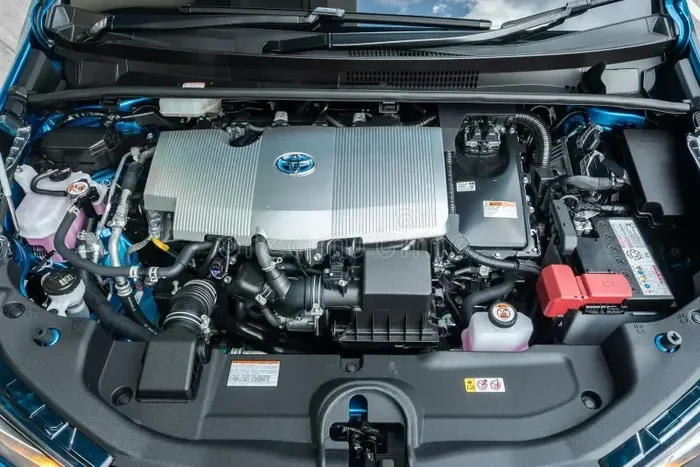
In this article, we will break down the Prius hybrid system piece by piece. You will learn what makes the powertrain so special, how energy recovery works, and why the fuel efficiency numbers are so impressive. Whether you are a curious buyer or a proud Prius owner, this guide will give you a clear picture of what happens under the hood.
The Prius uses a system called Hybrid Synergy Drive, and it is the core of everything. This technology manages how power flows between the engine, the electric motor, and the battery pack. The result is a car that sips fuel, produces low emissions, and still delivers a smooth, responsive ride. Let us dive into the details and see exactly how it all comes together.
Key Takeaways
- The Prius hybrid system blends a gasoline engine and electric motor seamlessly to maximize power and minimize fuel waste.
- Regenerative braking recovers energy that conventional cars simply discard as heat.
- Hybrid Synergy Drive is the brain behind it all, intelligently switching between power sources in real time.
- The Atkinson cycle engine is specially designed for efficiency rather than raw power.
- Electric-only mode lets the Prius run silently at low speeds, cutting emissions and fuel use.
- The power control unit manages everything, acting as the central command center for the entire hybrid powertrain.
- Regular maintenance keeps the hybrid battery healthy, ensuring long-term reliability and performance.
📑 Table of Contents
- What Is the Toyota Prius Hybrid System?
- The Core Components of the Prius Powertrain
- How Hybrid Synergy Drive Works
- Regenerative Braking and Energy Recovery
- Electric-Only Mode and Fuel Efficiency
- Why the Prius System Is So Efficient
- Common Mistakes Prius Owners Make
- Tips for Getting the Most Out of Your Prius System
- Expert Insights on the Prius Hybrid System
- Key Takeaways
- Conclusion
What Is the Toyota Prius Hybrid System?
At its heart, the Toyota Prius hybrid system is a clever combination of two power sources. One is a traditional gasoline engine, and the other is an electric motor. A computer system controls when to use each one, when to use both together, and when to let the electric motor do all the work. This is the essence of full hybrid technology.
The system is designed to use the right amount of power for every situation. When you pull away from a stoplight, the electric motor handles the job quietly and efficiently. When you need more speed or climbing power, the gasoline engine joins in. When you slow down, the system captures energy that would otherwise be lost. This constant back-and-forth is what makes the Prius so remarkably efficient.
The Hybrid Synergy Drive
The Hybrid Synergy Drive is the technical name for Toyota’s integrated hybrid system. It connects the gasoline engine, the electric motor, and a special type of transmission called a continuously variable transmission, or CVT. Together, these components work like a well-rehearsed orchestra, each playing its part at the right moment.
The power control unit acts as the conductor. It reads driving conditions in real time and decides how to split power between the engine and the motor. This happens so fast that you barely notice the transitions. The system can also charge the hybrid battery using energy from the engine and from regenerative braking, keeping the battery ready for the next electric boost.
Why the Prius Was a Game Changer
When Toyota launched the first-generation Prius in 1997, the world had never seen anything like it. A mass-produced hybrid car that could run partly on electricity was a genuine breakthrough. The Prius system worked so well that it set the standard for every hybrid that followed. Today, the Toyota Hybrid Synergy Drive platform is used across many Toyota and Lexus models, but the Prius remains the icon.
The original Prius proved that eco-friendly driving did not mean sacrificing practicality. The car could seat five, handle daily commutes, and go long distances between fill-ups. That combination of efficiency and usability is exactly what made the Prius system so popular and why it still matters today.
The Core Components of the Prius Powertrain
To really understand how the Prius system works, you need to know the main parts involved. The powertrain includes several key components, each with a specific role. Let us walk through them one by one.
The Gasoline Engine
The Prius uses a small gasoline engine built on the Atkinson cycle. This is different from the Otto cycle found in most conventional cars. The Atkinson cycle engine sacrifices a bit of raw power in exchange for much better thermal efficiency. In simple terms, it extracts more energy from each drop of fuel. The engine in most Prius models is a 1.8-liter four-cylinder unit that produces around 95 to 120 horsepower depending on the generation.
Because the electric motor handles low-speed driving, the gasoline engine mostly kicks in at higher speeds and under heavier loads. This means the engine often runs in its most efficient operating range, which is a big reason the Prius delivers such strong fuel economy ratings.
The Electric Motor
The electric motor in the Prius is a permanent magnet synchronous motor. It produces instant torque, which means strong acceleration right from a standstill. The motor also doubles as a generator during regenerative braking and during engine-driven battery charging. This dual role is one of the smartest aspects of the Prius system.
In most Prius models, there are actually two electric motors built into the hybrid drive unit. One motor handles propulsion, and the other manages generator functions. Having two motors gives the system more flexibility in how it distributes power, which boosts both performance and efficiency.
The Hybrid Battery Pack
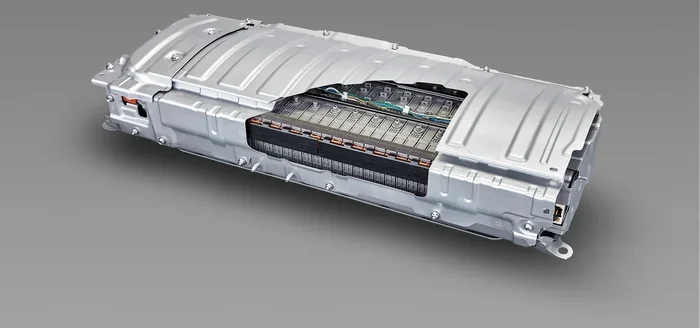
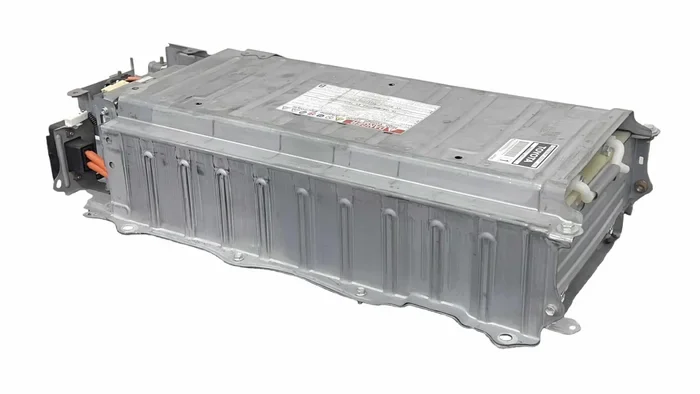
The hybrid battery stores electrical energy for the electric motor to use. Early Prius models used nickel-metal hydride batteries, while newer versions use lithium-ion technology. Both types are designed to last the lifetime of the vehicle with proper care.
The battery pack is usually located under the rear seats or trunk area, which keeps the center of gravity low. A low center of gravity improves handling and ride stability. The battery does not need to be plugged in because the system charges it itself through regenerative braking and the gasoline engine.
The Power Control Unit
The power control unit, or PCU, is the electronic brain of the Prius system. It contains the inverter, which converts DC power from the battery into AC power for the electric motor. The PCU also controls the flow of electricity during regenerative braking and engine charging. Without this unit, the hybrid system simply would not function.
Toyota has made the PCU smaller and lighter over the years. This reduces weight and improves overall system efficiency. The latest Prius models have a PCU that is significantly more compact than earlier versions, freeing up space and reducing energy losses.
The Transaxle and Reduction Gear
The Prius uses a unique transaxle design that houses the electric motors and a reduction gear set. This is not a traditional transmission with gears and a clutch. Instead, it uses a planetary gear set that splits power between the engine, the motors, and the wheels. This planetary gear set is what allows the seamless power blending that the Prius is known for.
Because there is no traditional torque converter or set of fixed gears, the Prius delivers smooth, uninterrupted acceleration. You never feel a shift point. This contributes to the refined, calm driving experience that Prius owners love.
How Hybrid Synergy Drive Works
The Hybrid Synergy Drive system is the magic behind the Prius. It manages the flow of power between the engine, the motors, and the battery. The system can operate in several different modes depending on driving conditions. Let us look at the most important ones.
Electric Vehicle Mode
At low speeds and light loads, the Prius can run entirely on electric power. This is called EV mode or electric-only mode. The gasoline engine shuts off completely, which means zero fuel consumption and zero tailpipe emissions during city driving at low speeds. You might notice the car is nearly silent when pulling out of a parking space.
EV mode works best in stop-and-go traffic and at speeds under about 25 to 30 mph. The system automatically switches to engine power when more energy is needed, such as during hard acceleration or highway cruising. The hybrid battery provides the stored electricity for this mode, and the system keeps the battery topped up through regenerative braking and engine power.
Engine Assist Mode
When you need extra power for highway merging or climbing a hill, the gasoline engine fires up and works alongside the electric motor. The power control unit determines exactly how much power each source should contribute. The electric motor can also act as a booster, drawing extra electricity from the battery to help the engine during demanding moments.
This blended power approach means the Prius feels responsive and capable, not weak or underpowered. The combination of the engine and motor produces a combined system output that is greater than what either could achieve alone. Yet the fuel economy remains outstanding thanks to the intelligent power management.
Regeneration and Charging Mode
During cruising or light braking, the gasoline engine can generate excess power. The system uses this surplus energy to recharge the hybrid battery. This is called regeneration or charging mode, and it ensures the battery always has enough charge for the next electric boost.
The beauty of this system is that it happens automatically. You do not need to do anything special. The Prius system constantly monitors battery charge levels and adjusts engine operation to keep the battery in the optimal range. This self-sustaining cycle is a key reason the Prius is so low-maintenance compared to other hybrid or electric vehicles.
Regenerative Braking and Energy Recovery
One of the most impressive features of the Prius system is regenerative braking. In a conventional car, when you hit the brakes, the kinetic energy of motion is converted into heat by the brake pads and rotors. That energy is simply lost forever.
The Prius works differently. When you lift off the accelerator or gently apply the brakes, the electric motor reverses its role and becomes a generator. It converts the kinetic energy back into electrical energy, which is stored in the hybrid battery. This recovered energy is then reused to power the electric motor later. It is an elegant loop that dramatically improves overall fuel economy.
How Regenerative Braking Feels
If you have never driven a Prius, you might notice something different when you take your foot off the accelerator. The car slows down more quickly than a conventional car would in coast mode. This is because the regenerative braking system is actively capturing energy while also decelerating the vehicle.
Many Prius drivers get used to this feel and learn to drive with minimal use of the brake pedal. This is called one-pedal driving, and it is a fun and efficient way to cruise through city traffic. The more you use regenerative braking, the more energy you recover, and the better your fuel economy becomes.
The Role of the Electric Motor as a Generator
The dual function of the electric motor is central to regenerative braking. When acting as a motor, it uses electricity to create motion. When acting as a generator, it uses motion to create electricity. The power control unit switches between these modes seamlessly, depending on what the driving situation demands.
This ability to switch roles instantly is what makes the Prius system so efficient. There is no wasted energy, no lag, and no complex mechanical switching. The entire process happens through smart electronic control and the clever design of the hybrid drivetrain.
Electric-Only Mode and Fuel Efficiency
The Prius is famous for its fuel economy numbers, and electric-only mode plays a big part in that. When the car is running on electricity alone, it uses zero gasoline. Over a typical city driving cycle, the Prius can operate in EV mode for a significant portion of the time, especially in heavy traffic.
The latest Prius models deliver combined fuel economy ratings of around 50 to 57 mpg depending on the trim and driving conditions. This is roughly double or triple what a comparable conventional sedan achieves. The combination of the Atkinson cycle engine, the electric motor assist, regenerative braking, and electric-only driving all contribute to these remarkable numbers.
For drivers who commute in the city, the savings at the pump can be substantial over time. The Prius system is designed to prioritize electric operation whenever possible, which is why it excels in urban and suburban driving scenarios. Highway fuel economy is also very strong, though the engine takes on a larger role at sustained high speeds.
What Affects Fuel Economy?
Several factors influence how efficiently your Prius operates. Driving habits, tire pressure, cargo weight, and climate all play a role. Aggressive acceleration uses more energy from the electric motor and triggers the gasoline engine more often. Smooth, gradual acceleration lets the system stay in its most efficient operating range.
Keeping tires properly inflated reduces rolling resistance and helps the car glide further on each unit of energy. Removing unnecessary cargo reduces the load the powertrain has to move. These small habits add up and can make a noticeable difference in your real-world fuel economy.
Why the Prius System Is So Efficient
Now that we have covered the individual components and operating modes, let us pull it all together. Why is the Prius system so efficient? The answer lies in the intelligent integration of every part working together as a unified whole.
The Atkinson cycle engine extracts maximum energy from fuel. The electric motor fills in the gaps where the engine is least efficient. Regenerative braking recovers energy that would otherwise be wasted. The power control unit orchestrates everything with split-second precision. And the continuously variable transmission eliminates the energy losses associated with traditional gear changes.
No single component is revolutionary on its own. It is the combination and coordination that creates something truly special. Toyota spent decades refining this system, and the result is a drivetrain that has set the benchmark for hybrid efficiency for more than 25 years.
The Prius system also benefits from a lightweight design and aerodynamic body shape. Less weight means less energy needed to move the car. A sleek profile reduces drag, which is especially helpful at highway speeds. Every design choice supports the goal of maximizing fuel efficiency and minimizing environmental impact.
Low Emissions and Environmental Benefits
Because the Prius uses less gasoline and can run on electricity alone at times, it produces significantly fewer tailpipe emissions than a conventional car. The hybrid system helps reduce greenhouse gas output and local air pollution. For environmentally conscious drivers, the Prius is one of the most practical ways to reduce your carbon footprint without giving up the convenience of a traditional car.
The low emissions profile of the Prius has earned it recognition from environmental organizations and government agencies worldwide. Many regions offer hybrid vehicle incentives, including tax credits and access to carpool lanes, which make the Prius an even more attractive choice for budget-conscious and eco-minded buyers alike.
Long-Term Reliability and Low Maintenance
The Prius hybrid system is also known for its reliability. The regenerative braking system reduces wear on traditional brake components, so brake pads and rotors last longer. The gasoline engine runs less frequently, which reduces overall engine wear. And the hybrid battery is designed to last well beyond 100,000 miles with proper care.
Owners who follow the recommended maintenance schedule find that Prius maintenance costs are often lower than those for comparable conventional vehicles. The system is straightforward and well-proven, which means fewer surprises and lower repair bills over the life of the car.
Common Mistakes Prius Owners Make
Even though the Prius system is designed to be simple and user-friendly, some owners make mistakes that reduce efficiency or cause unnecessary wear. Here are a few to watch out for.
- Ignoring tire pressure: Underinflated tires increase rolling resistance and reduce fuel economy. Check your tire pressure at least once a month.
- Heavy-footed driving: Aggressive acceleration forces the gasoline engine to work harder and uses more battery power than necessary. Smooth driving is efficient driving.
- Neglecting the hybrid battery: While the battery is built to last, extreme temperatures and deep discharges can shorten its lifespan. Park in shaded areas when possible.
- Overloading the car: Carrying heavy items on the roof or in the trunk increases drag and weight, both of which hurt fuel economy.
- Skipping scheduled maintenance: Regular oil changes, filter replacements, and system checks keep the hybrid powertrain running at its best.
Tips for Getting the Most Out of Your Prius System
Want to maximize the efficiency of your Prius? Here are some practical tips that real-world drivers swear by.
- Use cruise control on highways: Maintaining a steady speed lets the system operate in its most efficient range. The engine and motor work together more smoothly when speed is consistent.
- Practice one-pedal driving: Lifting off the accelerator early and letting regenerative braking do the work recovers more energy and reduces brake wear.
- Monitor your energy display: Most Prius models have a real-time energy flow display. Watching it helps you learn how your driving habits affect efficiency.
- Keep the battery charged: While you cannot plug in a standard Prius, driving gently and using regenerative braking keeps the hybrid battery at an optimal charge level.
- Plan your routes: Avoiding heavy traffic and stop-and-go conditions when possible can improve fuel economy, though the Prius handles city driving better than most cars.
Expert Insights on the Prius Hybrid System
Automotive engineers and hybrid specialists consistently praise the Prius system for its clever design and proven reliability. The key, they say, is the holistic approach. Every component is designed to work in harmony with every other component, and the power control unit ensures nothing is wasted.
Experts also highlight the importance of the planetary gear set in the transaxle. This simple but effective mechanical solution allows seamless power blending without the complexity and weight of a traditional transmission. It is a perfect example of how Toyota prioritized efficiency and simplicity in the Prius design.
Another expert insight is the role of software. The Prius system relies heavily on software algorithms that manage power distribution, battery charging, and driving mode selection. Over the years, Toyota has refined these algorithms through millions of real-world miles of data, making the system smarter and more efficient with each generation.
Key Takeaways
- The Prius hybrid system blends a gasoline engine and electric motor seamlessly to maximize power and minimize fuel waste.
- Regenerative braking recovers energy that conventional cars simply discard as heat.
- Hybrid Synergy Drive is the brain behind it all, intelligently switching between power sources in real time.
- The Atkinson cycle engine is specially designed for efficiency rather than raw power.
- Electric-only mode lets the Prius run silently at low speeds, cutting emissions and fuel use.
- The power control unit manages everything, acting as the central command center for the entire hybrid powertrain.
- Regular maintenance keeps the hybrid battery healthy, ensuring long-term reliability and performance.
Conclusion
The Prius system is a masterclass in smart engineering. By combining a fuel-efficient Atkinson cycle gasoline engine, a powerful electric motor, a self-charging hybrid battery, and an intelligent power control unit, Toyota created a drivetrain that delivers exceptional fuel economy without sacrificing practicality or performance. The Hybrid Synergy Drive system manages it all with seamless precision, switching between power sources in a fraction of a second.
Regenerative braking adds another layer of efficiency by turning wasted energy into useful electricity. Electric-only mode keeps the Prius whisper-quiet in city traffic. And the entire system is built to last, with low maintenance costs and proven long-term reliability. Whether you are motivated by fuel savings, environmental concerns, or simply curiosity about hybrid technology, understanding how the Prius system works helps you appreciate why it remains one of the most influential cars ever made.
If you are considering a Prius or already own one, the knowledge of how the system works can help you drive smarter and get the most out of every gallon. The Prius is not just a car. It is a showcase of what hybrid technology can achieve when it is thoughtfully designed from the ground up.
Frequently Asked Questions
How does the Prius system work in simple terms?
The Prius system combines a gasoline engine and an electric motor to power the car. A computer called the power control unit decides when to use the engine, when to use the motor, and when to use both together. It also captures energy during braking and stores it in the hybrid battery for later use.
Can you plug in a regular Prius to charge it?
No, the standard Prius does not need to be plugged in. The hybrid system charges itself using regenerative braking and excess engine power. The battery stays topped up automatically as you drive, making it as convenient as a regular gasoline car.
How long does the Prius hybrid battery last?
Toyota designs the hybrid battery to last the lifetime of the vehicle. Many Prius owners report battery life well beyond 150,000 to 200,000 miles with proper care. Extreme temperatures and deep discharges can reduce battery life, so parking in shade and avoiding fully draining the battery helps maintain health.
Is the Prius really that much more fuel efficient than a regular car?
Yes, the Prius system is significantly more fuel efficient. Most Prius models achieve 50 to 57 mpg combined, which is roughly double or triple the fuel economy of a comparable conventional sedan. The hybrid powertrain, regenerative braking, and electric-only mode all contribute to these impressive numbers.
What happens if the hybrid battery fails?
If the hybrid battery fails, the car can still operate on the gasoline engine alone, though performance and fuel economy will suffer. Toyota dealerships and certified repair shops can replace or refurbish the battery. Many shops also offer rebuilt battery options at a lower cost than a brand-new unit.
Does regenerative braking really make a difference in fuel economy?
Absolutely. Regenerative braking recovers energy that would otherwise be lost as heat during braking. This recovered energy is stored in the hybrid battery and reused to power the electric motor. Over time, this energy recovery loop can improve fuel economy by a meaningful margin, especially in city driving with frequent stops.