Adaptive Cruise Control Cars In India You Must Know
Adaptive cruise control cars in India are becoming more popular as drivers seek smarter, safer highway travel. This technology uses radar and sensors to keep a set distance from the vehicle ahead, adjusting your speed automatically. From luxury SUVs to affordable sedans, many Indian cars now offer this feature. We cover how it works, which models have it, and whether it is worth the extra cost. If you drive long distances or commute on Indian highways, this guide is for you.
Adaptive cruise control cars in India are changing the way we drive on highways and long stretches of road. What was once a feature reserved for luxury brands is now available in affordable cars too. If you have ever driven from Delhi to Jaipur or Bangalore to Mysore, you know how tiring highway driving can be. Adaptive cruise control, or ACC, takes a big load off your right foot and your attention.
This guide covers everything you need to know about adaptive cruise control cars in India. We will explain how the technology works, which cars offer it, and whether it is worth paying extra for. Whether you are buying your first car or upgrading, this article has practical advice you can use right away.
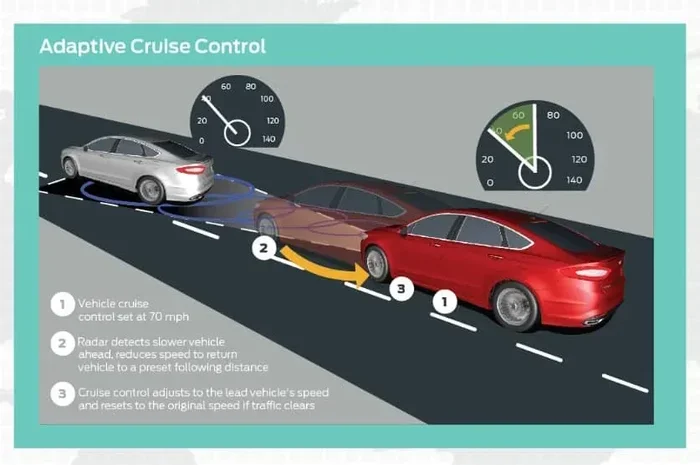
Adaptive cruise control is a smart driving assistant. It uses radar sensors, cameras, or both to detect the car in front of you. The system then adjusts your car’s speed to keep a safe following distance. If the car ahead slows down, your car slows down too. When the road clears, your car accelerates back to the set speed. It is like having a co-pilot that manages your speed for you.
The basic idea is simple. You set a maximum speed, say 100 km/h, and choose a following distance. The car does the rest. It eases off the throttle or applies the brakes gently when needed. Most modern systems in India also include stop-and-go capability. This means the car can come to a full halt in traffic and start again when the car ahead moves. That is incredibly useful on crowded Indian highways during peak hours.
The technology behind adaptive cruise control relies on a few key components. A radar unit is usually mounted behind the front grille or bumper. It sends out signals that bounce off vehicles ahead. A camera, often placed near the rearview mirror, reads road markings and detects objects. The car’s computer processes all this data in real time. It calculates the speed and distance of the vehicle ahead and adjusts your throttle and brakes accordingly.
Some systems use only radar, while others combine radar with a camera for better accuracy. The camera-based systems, often called camera-based ACC, can also read speed signs and adjust accordingly. The radar-based systems tend to work well in all weather conditions. Together, they create a driver assistance system that makes long drives much more comfortable.
In India, highway conditions vary a lot. You might encounter slow-moving trucks, sudden braking, or even animals on the road. Adaptive cruise control helps manage these situations by constantly monitoring the road ahead. It does not replace the driver, but it reduces the mental and physical effort required during long drives.
Key Takeaways
- Adaptive cruise control adjusts your car’s speed automatically: It uses sensors to maintain a safe following distance from the vehicle ahead.
- Many cars in India now offer ACC: From premium brands like Mercedes and BMW to affordable options from Hyundai and Kia.
- Highway driving becomes much safer and less tiring: ACC reduces driver fatigue on long trips and heavy traffic.
- Stop-and-go ACC is a game-changer in city traffic: It can bring the car to a full stop and restart automatically.
- Prices vary widely: Some cars include ACC as standard, while others offer it as an optional pack.
- Maintenance matters: Keeping the radar sensors clean ensures the system works properly.
- ACC is not fully autonomous driving: The driver must always stay alert and keep hands on the wheel.
📑 Table of Contents
- How Adaptive Cruise Control Works On Indian Roads
- Top Adaptive Cruise Control Cars Available In India
- Benefits Of Adaptive Cruise Control For Indian Drivers
- Limitations And Things To Watch Out For
- How To Choose The Right ACC Car For Your Needs
- Maintenance Tips For ACC Systems
- Future Of Adaptive Cruise Control In India
- Final Thoughts
How Adaptive Cruise Control Works On Indian Roads
Indian highways are unique. They mix fast-moving cars with slow trucks, two-wheelers, and sometimes even bullock carts on rural stretches. Adaptive cruise control cars in India are designed to handle these mixed conditions. The system sets a safe following distance, usually two to three seconds behind the vehicle ahead. When that car brakes, your car receives a signal to slow down too.
Most ACC systems in cars sold in India work best above 30 km/h. Below that speed, the system may disengage. However, stop-and-go ACC works even in slow city traffic. This is a huge advantage during rush hour on expressways like the Delhi-Noida Expressway or the Mumbai-Pune Expressway. The system handles the stop-and-go rhythm so you do not have to keep adjusting your speed.
Radar vs Camera-Based Systems
There are two main types of adaptive cruise control sensors used in cars today. Radar-based systems use radio waves to detect objects. They work well in rain, fog, and dust, which are common in India during monsoon season. Camera-based systems use a forward-facing camera to read the road and detect vehicles. They are great at identifying lane markings and reading speed limit signs.
Many modern cars in India use a fusion of both radar and camera data. This is called sensor fusion, and it makes the ACC system more reliable. For example, if the camera is blinded by direct sunlight, the radar can still detect the car ahead. Similarly, if radar picks up a false signal from a road sign, the camera can correct it.
Stop-and-Go Functionality
Stop-and-go ACC is one of the most useful features for Indian drivers. In cities like Mumbai, Delhi, and Bangalore, traffic often crawls to a halt. A basic ACC system might disengage when you stop completely. But stop-and-go ACC keeps your car in gear and ready to move. When the car ahead starts rolling, your car follows without you needing to press the accelerator.
This feature is especially helpful on the Western Express Highway in Mumbai or the IT Corridor in Chennai. You spend less time shifting between brake and accelerator, and your legs get a break during long commutes.
Top Adaptive Cruise Control Cars Available In India
The number of adaptive cruise control cars in India has grown rapidly in the last few years. What used to be a premium-only feature is now found in cars across all price ranges. Let us look at some of the best options available today.
Luxury Segment
If budget is not a concern, several luxury brands offer top-tier ACC systems. The Mercedes-Benz S-Class comes with a highly advanced Distronic Plus system. It can handle steering, acceleration, and braking on highways up to a certain speed. The BMW 7 Series offers a similar system called Active Cruise Control with Stop-and-Go. Both cars provide an incredibly smooth and relaxed driving experience on long highway stretches.
The Audi A8 and Lexus LS are also strong contenders in this segment. Their ACC systems work seamlessly with lane-keeping assist. Together, these features form a partial semi-autonomous driving experience that makes highway journeys much more enjoyable.
Premium Mid-Range
Cars in the 25 lakh to 50 lakh rupee range now offer excellent ACC features. The BMW X5 and Mercedes-Benz GLE both come with adaptive cruise control as standard or on higher trims. The Volvo XC90 is a standout here. Volvo has always prioritized safety, and its ACC system is among the best in the industry.
The Skoda Kodiaq and Volkswagen Tiguan also offer ACC on their top variants. These SUVs are popular choices for families who frequently travel long distances. The cruise control works smoothly on both highways and national highways across India.
Affordable Segment
Even budget-conscious buyers can now access adaptive cruise control. The Hyundai Creta offers ACC on its top-spec SX(O) variant. The Kia Seltos also includes it on higher trims. Both cars use a radar-based system that works reliably on highways.
The MG Hector and Toyota Camry are other options worth considering. The Camry, in particular, offers a smooth and refined ACC experience. While these cars are not luxury models, their cruise control systems make long drives much more comfortable.
Sedan Options With ACC
If you prefer a sedan, there are good options too. The Honda City VX+ CVT variant comes with adaptive cruise control. The Hyundai Verna top-end variant also offers this feature. Both sedans are popular in India and provide a comfortable highway cruising experience with ACC engaged.
The Skoda Slavia and Volkswagen Virtus are newer additions that offer ACC on their top trims. These are great choices if you want a safe and comfortable sedan for daily highway commuting.
Benefits Of Adaptive Cruise Control For Indian Drivers
There are many reasons why adaptive cruise control cars in India are gaining popularity. Let us look at the key benefits that matter most to Indian drivers.
Reduced Driver Fatigue
Indian highways can be monotonous, especially on long straight stretches. Without ACC, your right foot stays on the accelerator for hours. This causes foot and leg fatigue over time. With ACC, you set the speed and the car maintains it. Your foot can rest, and you stay fresher for longer.
This is especially important for people who drive long distances for work. Truck drivers, sales professionals, and frequent travelers all benefit from this feature. It does not eliminate fatigue completely, but it reduces it significantly.
Improved Safety
Adaptive cruise control helps prevent rear-end collisions. The system constantly monitors the distance to the vehicle ahead. If you get too close, it warns you and can apply the brakes automatically. This is especially useful on Indian highways where sudden braking is common.
Many ACC systems in India also include a forward collision warning feature. This alerts you with visual and audible warnings if a crash seems imminent. Together, ACC and forward collision warning create a powerful safety net for highway driving.
Better Fuel Efficiency
When you drive at a consistent speed, your car uses less fuel. ACC helps maintain a steady pace without unnecessary acceleration and braking. On long highway trips, this can translate to better mileage. While the fuel savings may not be dramatic, they add up over time.
For drivers who regularly travel between cities, the fuel efficiency benefit of ACC is a nice bonus. Combined with the comfort it provides, it makes a strong case for choosing a car with this feature.
Smoother Driving Experience
ACC makes your driving smoother and more relaxed. Instead of constantly adjusting your speed to match traffic flow, the car handles it for you. The acceleration and braking are gentle and gradual. Passengers in the back seat also appreciate the smoother ride, especially children and elderly family members.
Limitations And Things To Watch Out For
While adaptive cruise control is a fantastic feature, it has limitations. Understanding these is important for safe driving in India.
Performance In Bad Weather
Heavy rain, fog, and dust can affect ACC sensors. Radar systems generally perform better in poor weather than camera-based systems. However, no ACC system works perfectly in extreme conditions. During heavy monsoon rain, the sensors may give false readings or disengage temporarily.
Always keep the radar sensor and camera clean. Dirt, mud, and water on the front grille can block the sensors. Most cars have a sensor cleaning reminder. Pay attention to it and clean the sensors regularly.
Not A Replacement For Active Driving
This cannot be stressed enough. Adaptive cruise control is a driver assistance feature, not an autopilot. You must always keep your hands on the steering wheel and your eyes on the road. The system may not detect stationary objects in all conditions. It may also struggle with sharp curves or very tight bends.
Indian roads can be unpredictable. You might encounter a stopped vehicle on a highway, a broken-down truck, or debris on the road. ACC alone cannot handle all these situations. Your attention and quick reactions are always needed.
System Limitations On Indian Highways
Many ACC systems in India are calibrated for highway speeds above 40 km/h. They may not work well in very slow city traffic or on roads with frequent stops. The system also works best on well-marked highways. On poorly maintained roads with faded lane markings, the camera-based systems may struggle.
Always read the owner manual to understand your car’s ACC capabilities and limitations. Each brand and model has slightly different features and operating conditions.
How To Choose The Right ACC Car For Your Needs
Not all adaptive cruise control systems are the same. Here are some factors to consider when choosing a car with ACC in India.
Consider Your Driving Habits
If you drive mostly city roads with lots of stops, look for a car with stop-and-go ACC. If you mostly drive on highways, a basic ACC system will work fine. Think about where and how you drive most often before choosing a car.
Check The Following Distance Settings
Most ACC systems let you choose the following distance. Some cars offer multiple settings, from close to very far. More options give you greater flexibility. Look for a system that allows you to adjust the distance to your comfort level.
Look For Additional Safety Features
ACC works best when paired with other safety features. Look for cars that offer lane departure warning, blind spot monitoring, and autonomous emergency braking. These features work together to create a comprehensive safety system.
Many cars in India now offer a driver assistance package that bundles ACC with several other features. These packages often represent better value than buying ACC as a standalone option.
Test Drive Before Buying
Always test drive the car on a highway if possible. Feel how the ACC system accelerates and brakes. Check if the transitions are smooth or jerky. A good ACC system should feel natural and unobtrusive. If it feels too aggressive or too gentle, it may not suit your driving style.
Maintenance Tips For ACC Systems
Your adaptive cruise control system needs regular care to work properly. Here are some simple tips to keep it in top shape.
- Clean the sensors regularly: The radar unit behind the front grille and the camera near the rearview mirror need to be kept clean. Use a soft cloth to wipe them gently.
- Check for warning lights: If the ACC warning light stays on or flashes, get the system checked. It could indicate a sensor issue or a calibration problem.
- Keep software updated: Some ACC systems receive software updates from the manufacturer. These updates can improve performance and fix bugs.
- Avoid modifying the front bumper: Aftermarket modifications or repairs near the front of the car can affect the radar sensor alignment.
- Get professional calibration after windshield replacement: The camera is often mounted behind the windshield. If the windshield is replaced, the camera may need recalibration.
Taking care of your ACC system ensures it works reliably every time you drive. A well-maintained system can last the lifetime of the car with minimal issues.
Future Of Adaptive Cruise Control In India
The future looks bright for adaptive cruise control cars in India. As car technology advances, ACC systems are becoming more sophisticated and affordable. Several trends are shaping the future of this technology in the Indian market.
First, more car manufacturers are making ACC standard across their range. What was once an expensive option is becoming a common feature even in budget cars. Hyundai, Kia, and Tata are leading this shift by offering ACC on many of their models.
Second, semi-autonomous driving features are becoming more common. Cars with ACC can now also handle lane centering, meaning the car steers itself on highways. While these systems are not fully autonomous, they represent a big step toward safer and more comfortable driving.
Third, Indian road infrastructure is improving. More highways are being built and upgraded. Better roads mean ACC systems can work more effectively. As India’s highway network expands, the demand for cars with adaptive cruise control will continue to grow.
Finally, the cost of sensors and cameras is coming down. This makes it possible for manufacturers to offer ACC on more affordable cars. In the next few years, we can expect most cars in India to come with some form of adaptive cruise control as standard equipment.
Final Thoughts
Adaptive cruise control cars in India represent a big leap forward in driving comfort and safety. Whether you are a daily commuter or a long-distance traveler, ACC can make your drives easier and less tiring. The technology has matured significantly, and today’s systems work reliably on Indian roads.
If you are in the market for a new car, strongly consider choosing a variant with adaptive cruise control. The extra cost is often modest compared to the comfort and safety benefits you gain. From the Hyundai Creta to the BMW X5, there is an ACC-equipped car for nearly every budget in India.
Remember that ACC is a tool to assist you, not replace you. Always stay focused on the road, keep your hands on the wheel, and use the system wisely. With the right car and the right mindset, adaptive cruise control can truly transform your driving experience on Indian roads.
Frequently Asked Questions
What is adaptive cruise control in simple terms?
Adaptive cruise control is a smart speed controller for your car. It uses sensors to detect the vehicle ahead and automatically adjusts your speed to maintain a safe distance. When the road is clear, it accelerates back to your set speed. It makes highway driving much more comfortable and less tiring.
Which is the most affordable car with adaptive cruise control in India?
The Hyundai Creta and Kia Seltos are among the most affordable cars that offer adaptive cruise control in India. Both are available on their top-spec variants and provide reliable ACC performance for daily highway use. Prices start around 20-25 lakh rupees for these models.
Can adaptive cruise control work in heavy traffic?
Yes, if the car has stop-and-go ACC functionality. This feature can bring the car to a complete stop and restart automatically when traffic moves. It works well in city traffic and on congested expressways. However, basic ACC systems may disengage when the car stops completely.
Is adaptive cruise control safe for Indian highways?
Yes, adaptive cruise control is safe for Indian highways when used correctly. It helps maintain a safe following distance and reduces driver fatigue. However, it is not a replacement for active driving. You must always stay alert, keep your hands on the wheel, and be ready to take control at any time.
Does adaptive cruise control increase fuel efficiency?
Adaptive cruise control can improve fuel efficiency by maintaining a steady speed on highways. It reduces unnecessary acceleration and braking, which wastes fuel. The savings may be modest but they add up over long highway trips. Overall, it is a helpful feature for fuel-conscious drivers.
How do I maintain my car’s adaptive cruise control system?
Keep the radar sensor and camera clean by wiping them regularly with a soft cloth. Check for warning lights on the dashboard and address them promptly. Avoid aftermarket modifications near the front sensors. Get professional calibration after windshield replacement. Regular maintenance ensures the system works reliably.
=== CONCLUSION ===
Adaptive cruise control cars in India are no longer a luxury. They are becoming a practical and accessible feature for everyday drivers. From the premium Mercedes-Benz and BMW models to affordable options from Hyundai and Kia, there is an ACC-equipped car for nearly every budget. The technology makes highway driving safer, more comfortable, and less tiring.
If you frequently drive on Indian highways or commute long distances, consider choosing a car with adaptive cruise control. It is one of the most useful driver assistance features available today. Just remember to use it as a tool to assist you, not replace your attention and judgment on the road.