How Much Oil Does a 57L 350 Engine Really Need to Hold
The 5.7L 350 engine holds approximately 6 quarts of oil with the filter installed. This iconic small block Chevy V8 has been a workhorse in trucks and cars for decades, and knowing the correct oil capacity is essential for proper engine health. Using the right oil type, changing it on schedule, and checking your levels regularly will keep your 350 running strong for hundreds of thousands of miles. In this guide, we break down everything you need to know about the 5.7L 350 oil capacity, oil type, and maintenance schedule.
Whether you are a weekend warrior in the garage or a daily driver of a classic Chevy truck, knowing your engine oil basics is non-negotiable. The 5.7L 350 engine is one of the most beloved V8s ever built. It has powered everything from muscle cars to heavy-duty work trucks for over four decades. But here is a question that catches a lot of people off guard: how much oil does a 5.7L 350 engine really hold?
The answer might seem simple, but there is more to it than just pouring oil into the engine. The oil capacity changes depending on whether you include the filter, the type of engine variant you have, and even the operating temperature. Getting this wrong can lead to serious engine damage. Too little oil means poor lubrication and overheating. Too much oil can cause foaming, pressure buildup, and even seal damage. In this article, we walk you through the exact oil capacity, the best oil types, and practical tips to keep your 350 engine in top shape.
Key Takeaways
- Oil Capacity: The 5.7L 350 engine holds about 6 quarts of oil with a new filter installed.
- Recommended Oil Type: SAE 10W-30 or 10W-40 conventional oil is standard, though synthetic blends work great too.
- Oil Filter: Always replace the oil filter during every change to keep contaminants out of your engine.
- Change Interval: Most experts recommend changing oil every 3,000 to 5,000 miles for older 350 engines.
- Check Your Dipstick: Always verify the oil level after a change using the dipstick for accuracy.
- Torque Specs Matter: The oil drain plug should be tightened to around 25-30 ft-lbs to prevent leaks.
- Break-In Oil: Use special break-in oil for new or rebuilt 350 engines to protect fresh components.
📑 Table of Contents
Understanding the 5.7L 350 Engine Oil Capacity
The standard oil capacity for the 5.7L 350 engine is around 6 quarts when you include the oil filter. This is the number you will find in most GM service manuals and owner’s guides. However, some variations of the 350 engine may hold slightly different amounts. For example, the older generation 350 engines from the 1970s and 1980s sometimes had slightly smaller oil pans, which could reduce the total capacity by half a quart or so.
Why Oil Capacity Matters
Oil capacity is not just a number on a spec sheet. It directly affects how well your engine lubricates itself. The 5.7L 350 uses a wet sump oiling system, meaning the oil sits in the oil pan at the bottom of the engine. The oil pump pulls oil from the pan, sends it through passages inside the engine block, and then the oil drains back down to the pan. If you do not have enough oil in the pan, the pump cannot feed the engine properly. This leads to metal-on-metal contact, increased wear, and eventually catastrophic engine failure.
On the flip side, overfilling the crankcase causes the crankshaft to whip the excess oil into a froth. This aerated oil loses its lubricating ability and can cause oil pressure problems. It can also lead to oil leaks past seals and gaskets. So staying right at the recommended oil capacity is critical.
Oil Capacity by Engine Variant
The 5.7L 350 engine family includes several different configurations. Here is a quick breakdown:
- Base 5.7L 350 (L05, L31, LM7): These are the standard truck and car engines. They hold approximately 6 quarts with the filter.
- High-Output 5.7L 350 (L05 with performance cam): Same 6-quart capacity, but these engines may burn slightly more oil under heavy use.
- SSR and Trailblazer SS 5.7L 350: These performance-tuned variants also use 6 quarts but benefit from synthetic oil for better heat resistance.
- Older Pre-1987 350 Engines: Some of these hold closer to 5.5 to 5.75 quarts due to smaller oil pans.
Always check your specific vehicle’s owner manual for the exact number. The 6-quart figure is a solid baseline for most 5.7L 350 engines you will encounter today.
What Type of Oil Does a 5.7L 350 Need
Choosing the right oil for your 5.7L 350 is just as important as knowing the capacity. The wrong oil type can reduce engine life, void warranties on rebuilt engines, and cause poor performance. GM originally recommended SAE 10W-30 for most 350 engines. However, the automotive world has evolved, and so have the oil options available to you.
Conventional vs. Synthetic Oil
Conventional oil is the traditional choice for the 350 engine. It is affordable, widely available, and works perfectly well for most driving conditions. If you have a classic truck that you drive occasionally, conventional SAE 10W-30 or 10W-40 is a perfectly fine option.
Synthetic oil, on the other hand, offers superior protection in extreme temperatures. It flows better in cold weather and resists thermal breakdown at high temperatures. If you live in a hot climate or tow heavy loads, synthetic or synthetic blend oil is a smart upgrade. Many enthusiasts swear by full synthetic oil for their 350 engines because of the improved lubrication and longer change intervals.
Viscosity Ratings Explained
The viscosity rating on your oil bottle tells you how thick or thin the oil is at different temperatures. The “10W” part means the oil flows like a 10-weight oil when cold. The “30” or “40” part tells you the thickness at operating temperature. Here are the most common choices for the 5.7L 350:
- SAE 10W-30: The GM factory recommendation for most applications. Great for everyday driving in moderate climates.
- SAE 10W-40: Thicker at operating temperature. Ideal for hot climates, towing, or higher-mileage engines that have developed slight clearances.
- SAE 5W-30: A thinner cold-weather option. Works well in colder regions but check your engine manual first.
- 15W-40: Often used in diesel swaps or high-performance builds. Not typically needed for stock 5.7L 350 engines.
For most drivers, SAE 10W-30 remains the go-to choice. It balances protection, fuel economy, and engine cleanliness for the 350 platform.
Best Oil Brands for the 350 Engine
Not all oils are created equal. Here are some trusted brands that work well with the 5.7L 350:
- Valvoline Conventional 10W-30: Affordable and reliable. A solid choice for daily drivers.
- Mobil 1 Synthetic 10W-30: Excellent thermal protection and extended drain intervals.
- Castrol EDGE Synthetic: Great for high-performance builds and towing applications.
- Quaker State High Mileage: Designed for engines with over 75,000 miles. Contains seal conditioners.
Step-by-Step Oil Change Guide for the 5.7L 350
Changing the oil in a 5.7L 350 engine is one of the most straightforward maintenance tasks you can do. With the right tools and a little patience, you can complete the job in about 30 minutes. Here is a detailed walkthrough.
What You Will Need
- 6 quarts of the recommended oil (SAE 10W-30 or as specified)
- New oil filter (AC Delco PF48 or equivalent)
- Oil drain pan
- Socket wrench set (15mm for the drain plug)
- Oil filter wrench
- Funnel
- Jack and jack stands or ramps
- Gloves and safety glasses
The Oil Change Process
- Warm up the engine: Run the engine for about 5 minutes. Warm oil drains better and carries more contaminants out with it.
- Lift the vehicle: Use a jack and stands or drive onto ramps. Make sure the vehicle is secure before getting under it.
- Locate the drain plug: On the 5.7L 350, the oil pan drain plug is on the passenger side of the oil pan. Place your drain pan directly underneath.
- Remove the drain plug: Use the 15mm socket to loosen the plug. Turn it counterclockwise. Be careful, the oil will be hot.
- Remove the old oil filter: Use an oil filter wrench to loosen the old filter. It will be full of oil, so have the drain pan ready.
- Install the new oil filter: Apply a thin layer of fresh oil to the rubber gasket on the new filter. Hand-tighten it until snug, then give it about three-quarters of a turn more.
- Replace the drain plug: Once all the oil has drained, reinstall the drain plug. Tighten it to about 25-30 ft-lbs. Do not overtighten.
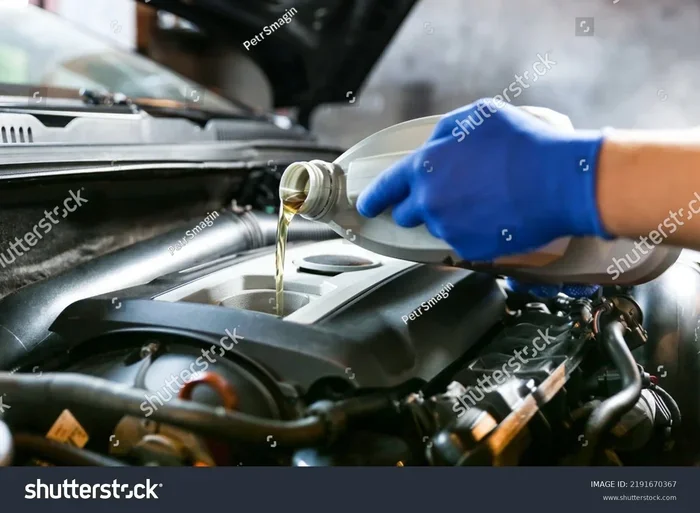
- Add new oil: Use a funnel and pour in about 5.5 quarts first. Wait a few minutes, then check the dipstick. Add the remaining oil to reach the full mark.
- Check for leaks: Start the engine and let it run for 30 seconds. Look under the vehicle for any drips from the drain plug or filter.
- Reset the oil life monitor: If your vehicle has an oil change reminder, reset it according to the owner’s manual.
Always dispose of your used oil properly. Most auto parts stores accept used oil for recycling free of charge.
Common Oil Capacity Mistakes to Avoid
Even experienced gearheads make mistakes when it comes to oil changes. Here are the most common errors people make with the 5.7L 350 engine.
Overfilling the Crankcase
This is probably the most dangerous mistake. Adding too much oil causes the crankshaft to aerate the oil, creating foam. Foamed oil loses its ability to lubricate properly. It can also cause oil pressure spikes and blow out seals. If you accidentally overfill, drain the excess until the dipstick reads in the normal range.
Underfilling the Engine
Running low on oil is just as bad. The 5.7L 350 needs the full 6 quarts to maintain proper oil pressure and lubrication. If you notice your oil level dropping faster than expected, have the engine inspected for leaks or oil consumption issues.
Skipping the Oil Filter
Some people try to save money by reusing the old oil filter. This is a bad idea. The old filter is full of contaminants and metal particles. A new filter ensures clean oil circulates through your engine from the very first mile after the change.
Using the Wrong Oil Viscosity
Using 20W-50 in a modern 5.7L 350 might seem like a good idea for hot weather, but it can actually reduce fuel economy and make cold starts harder. Stick with the recommended viscosity unless you have a specific reason to deviate.
Forgetting to Check the Oil Level After a Change
Always check the dipstick after adding oil. The engine needs a few minutes for the oil to drain back into the pan. Check it on a level surface with the engine off and cool.
Oil Change Intervals and Maintenance Tips
Knowing how much oil your engine holds is only half the battle. You also need to know how often to change it. The 5.7L 350 engine has been around for a long time, and maintenance practices have evolved along with the oil technology.
Traditional Oil Change Intervals
For older 350 engines running conventional oil, the standard recommendation is to change the oil every 3,000 miles or every 3 months, whichever comes first. This was the golden rule for decades and still holds true for many daily drivers and trucks that see heavy use.
Extended Intervals with Synthetic Oil
If you switch to full synthetic oil, you can extend the change interval to 5,000 to 7,500 miles. Some high-quality synthetic oils are rated for up to 10,000-mile intervals. However, most 350 engine enthusiasts stick with the 5,000-mile mark as a safe and reliable interval.
Factors That Shorten Oil Life
Certain driving conditions cause oil to break down faster. If you do any of the following, you should change your oil more frequently:
- Towing heavy trailers or loads
- Driving in stop-and-go traffic
- Operating in extreme heat or cold
- Short trips under 5 miles
- Dusty or off-road driving conditions
Oil Pressure Checks
One of the best ways to monitor your 5.7L 350 engine health is to check the oil pressure regularly. A healthy 350 should show around 40 to 60 PSI at operating temperature. If you notice low oil pressure, it could indicate worn bearings, a failing oil pump, or low oil level. Address oil pressure issues immediately to prevent engine damage.
Expert Tips for Keeping Your 5.7L 350 Engine Healthy
The 5.7L 350 is a legendary engine that can last well beyond 300,000 miles with proper care. Here are some expert-backed tips to keep yours running strong.
Use Quality Parts
When it comes to oil filters, stick with name brands like AC Delco, Wix, or Purolator. Cheap off-brand filters may not filter as effectively and could bypass contaminants during high-pressure operation. The same goes for oil, use reputable brands that meet GM specifications.
Monitor Oil Consumption
Older 350 engines naturally consume small amounts of oil. A quart every 1,000 miles is generally considered normal. If you are going through a quart every 500 miles or less, there may be an underlying issue such as worn piston rings or valve seals. Have a mechanic diagnose the problem early.
Consider a Catch Can
If you have a modified or high-performance 350, consider installing a catch can. This device catches oil vapors before they enter the intake manifold, reducing carbon buildup and keeping your engine internals cleaner.
Keep Records
Maintain a log of every oil change. Note the date, mileage, oil type, and filter used. This makes it easy to track intervals and spot trends. If something goes wrong down the road, your records can help diagnose the issue.
Break-In Oil for New or Rebuilt Engines
If you have a freshly rebuilt or newly installed 5.7L 350, use a dedicated break-in oil. This oil formulation is designed to allow the piston rings to seat properly against the cylinder walls. After the break-in period (usually 500 to 1,000 miles), switch to your regular oil.
Regular Visual Inspections
Get under the truck once in a while and look for oil leaks, stains, or drips around the engine. Catching a small leak early can save you from a much bigger and more expensive repair later on.
Key Takeaways
- Oil Capacity: The 5.7L 350 engine holds approximately 6 quarts of oil with the filter installed.
- Recommended Oil Type: SAE 10W-30 or 10W-40 conventional oil is standard, though synthetic blends work great too.
- Oil Filter: Always replace the oil filter during every change to keep contaminants out of your engine.
- Change Interval: Most experts recommend changing oil every 3,000 to 5,000 miles for older 350 engines.
- Check Your Dipstick: Always verify the oil level after a change using the dipstick for accuracy.
- Torque Specs Matter: The oil drain plug should be tightened to around 25-30 ft-lbs to prevent leaks.
- Break-In Oil: Use special break-in oil for new or rebuilt 350 engines to protect fresh components.
Frequently Asked Questions
How much oil does a 5.7L 350 engine hold without the filter?
The 5.7L 350 engine holds approximately 5 quarts of oil without the filter installed. When you add a new oil filter, the total capacity increases to about 6 quarts. Always add a little extra to account for the oil that remains in the filter and passages after a change.
Can I use synthetic oil in my 5.7L 350 engine?
Yes, synthetic oil is perfectly safe and actually beneficial for the 5.7L 350 engine. It provides better thermal protection, flows more easily in cold weather, and can extend your oil change interval. Many owners report smoother operation and reduced engine wear when switching to synthetic oil.
What happens if I put too much oil in my 350 engine?
Overfilling the crankcase causes the crankshaft to whip the excess oil into foam. This aerated oil loses its lubricating properties and can lead to increased engine wear. It can also cause oil leaks, blown seals, and in severe cases, hydrolock. Always stick to the recommended 6-quart capacity.
How often should I change the oil in my 5.7L 350?
For conventional oil, change it every 3,000 miles or 3 months. If you use synthetic oil, you can extend this to 5,000 to 7,500 miles. Driving habits and conditions also play a role. If you tow heavy loads or drive in extreme temperatures, stick to shorter intervals.
What oil filter fits the 5.7L 350 engine?
The AC Delco PF48 is the most common and widely recommended oil filter for the 5.7L 350 engine. Wix 57095 and Purolator L14610 are also excellent alternatives. Always make sure the filter matches your specific engine application and year.
Why is my 5.7L 350 burning oil?
Oil consumption in older 350 engines is common and can be caused by worn valve seals, piston rings, or guide pins. A small amount of oil burning is normal, but excessive consumption usually signals internal wear. Have a mechanic perform a compression test and inspect the valve seals if you notice blue smoke from the exhaust.
=== CONCLUSION ===
Knowing how much oil a 5.7L 350 engine holds is fundamental knowledge for any owner of this legendary V8. The answer is straightforward, about 6 quarts with the filter, but the details behind that number are what truly matter. From choosing the right oil viscosity to following a consistent change schedule, every decision you make affects the long-term health of your engine.
The 5.7L 350 has earned its reputation as one of the most durable and versatile engines ever built. With proper care, the right oil, and regular maintenance, it will keep running strong for decades. Whether you are restoring a classic truck or maintaining a daily driver, the tips and information in this guide will help you make informed decisions about your engine oil.
Do not let something as simple as the wrong oil level or the wrong oil type turn into an expensive repair. Take the time to check your levels, change your oil on schedule, and use quality products. Your 5.7L 350 engine will thank you with reliable performance mile after mile. Start applying these practices today, and you will enjoy the benefits for years to come.