Are Transmissions Worth Replacing or Just Repairing
Deciding whether to replace or repair a transmission can feel overwhelming, but it does not have to be. This guide breaks down every cost, symptom, and option so you can make a confident choice. We cover replacement costs, rebuilds, and warning signs that help you save time and money.
Your car’s transmission is one of the most important parts under the hood. It transfers power from the engine to the wheels, and without it, your vehicle simply does not move. So when something goes wrong, the big question hits hard: are transmissions worth replacing, or is a repair the smarter move?
This is a decision that affects your wallet, your safety, and your daily routine. A faulty automatic transmission or manual transmission can turn a simple commute into a stressful experience. The good news is that you do not have to guess. This guide walks you through every option, cost, and sign so you can make a confident choice.
Whether you drive a sedan, truck, or SUV, the principles remain the same. We will compare transmission replacement against transmission repair, explore rebuild options, and help you spot the early warning signs before a small problem becomes a massive expense. By the end, you will know exactly what to do next.
Key Takeaways
- Transmission replacement can cost $1,800 to $3,500 depending on your vehicle type and damage level.
- Repairs are often cheaper when the issue is isolated to a solenoid, seal, or fluid leak.
- A rebuilt or remanufactured transmission offers a middle-ground option with solid warranties.
- Ignoring slipping gears or warning lights can turn a small fix into a full replacement.
- Vehicle age and mileage play a huge role in whether replacement or repair makes more sense.
- Always get multiple quotes before committing to any major drivetrain work.
- Regular transmission fluid changes can extend your transmission lifespan significantly.
📑 Table of Contents
- Understanding Your Transmission Options
- Transmission Replacement Cost Breakdown
- When a Transmission Repair Makes Sense
- Transmission Replacement vs Rebuild: A Side-by-Side Comparison
- Signs Your Transmission Needs Attention
- Making the Final Decision: Is a Transmission Replacement Worth It?
- Common Mistakes People Make With Transmission Problems
- Expert Insights on Transmission Decisions
- Conclusion
Understanding Your Transmission Options
When a transmission fails, you are not stuck with just one path forward. There are several routes you can take, and each one has its own benefits and trade-offs. Let us break them down so you understand what mechanics mean when they start throwing terms at you.
Transmission Repair
A transmission repair typically targets a specific component. Think of it like fixing a single part of a clock rather than rebuilding the whole thing. Common repairs include replacing a transmission solenoid, fixing a transmission leak, or swapping out a worn clutch.
Repairs are usually the least expensive option. They work best when the problem is isolated and the rest of the transmission is still in good shape. For example, if your transmission fluid is low or contaminated, a simple fluid change or seal replacement might solve the issue entirely.
Transmission Rebuild
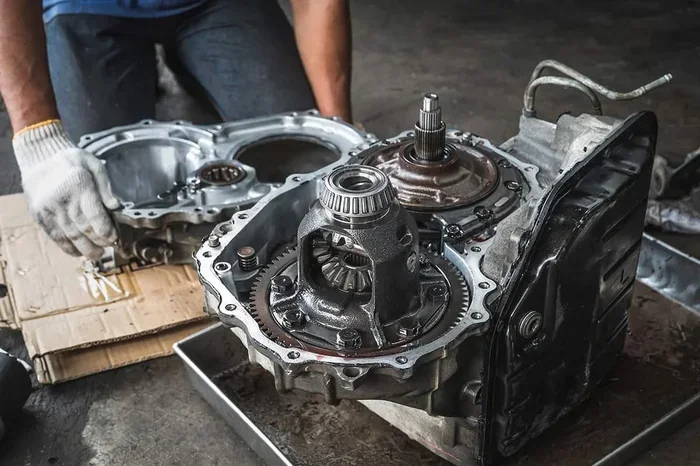
A transmission rebuild goes deeper. A mechanic disassembles the entire unit, inspects every part, and replaces the damaged components. A rebuilt transmission is essentially a refurbished version of your original unit.
This option costs more than a simple repair but less than a full replacement. Many shops offer a transmission warranty on rebuilt units, which adds peace of mind. A rebuild works well when multiple parts are worn but the transmission casing is still solid.
Transmission Replacement
A full transmission replacement means swapping out the old unit for a new or used one. You can choose a brand-new remanufactured transmission, a used transmission from a salvage yard, or a rebuilt unit installed by the shop.
This is the most expensive route, but it also gives you a fresh start. If your transmission has catastrophic damage, replacement may be the only real option. We will look at the costs in detail shortly.
Transmission Replacement Cost Breakdown
Money is almost always the deciding factor when people ask, are transmissions worth replacing. The truth is, the cost varies a lot depending on your vehicle, the type of transmission, and where you live. Let us look at the numbers.
New Transmission Cost
A brand-new transmission from the dealer can set you back anywhere from $3,000 to $5,000 or more. This includes the part and labor. For luxury vehicles or trucks with heavy-duty transmissions, the price climbs even higher.
Dealers often use original equipment manufacturer, or OEM, parts. These match your vehicle exactly, but they come at a premium. If you have a newer car still under warranty, the dealer may cover the cost entirely.
Remanufactured Transmission Cost
A remanufactured transmission is a factory-refurbished unit that meets original specs. These typically cost between $1,800 and $3,500 including installation. Many remanufactured units come with a nationwide transmission warranty that lasts one to three years.
This is often the sweet spot for drivers who want reliability without the new-car price tag. A remanufactured automatic transmission or manual transmission can last for years if installed correctly.
Used Transmission Cost
Used transmissions from salvage yards are the cheapest option, usually between $500 and $1,500. However, the risk is higher. You do not always know the full history of a used unit, and it may have hidden wear or damage.
If you go this route, make sure the seller offers at least a short-term warranty. A used transmission can work great, but it is a bit of a gamble.
Labor Costs
Labor for transmission work is significant. Removing and reinstalling a transmission typically takes 8 to 15 hours, depending on the vehicle. At an average shop rate of $100 to $150 per hour, labor alone can add $800 to $2,250 to the total bill.
Some independent shops charge less than dealerships, but always check reviews and certifications. A skilled technician who specializes in drivetrain repair can make a big difference in quality and longevity.
When a Transmission Repair Makes Sense
Not every transmission problem requires a full replacement. In many cases, a targeted transmission repair solves the issue quickly and affordably. Here is when repair is the clear winner.
Isolated Component Failure
If the problem is limited to one part, repair is almost always the way to go. For instance, a failing transmission solenoid controls gear shifting. Replacing a single solenoid costs between $200 and $500, which is a fraction of a full replacement.
Similarly, a transmission leak from a worn seal or gasket can often be fixed for $150 to $400. These are straightforward fixes that do not require pulling the entire transmission apart.
Low Mileage Vehicles
If your car has under 80,000 miles and the transmission issue is minor, a repair makes strong financial sense. The rest of the drivetrain is likely still in good condition, and a simple fix can get you many more years of reliable driving.
On the other hand, a high-mileage vehicle with a slipping transmission might not be worth the repair investment. Always weigh the repair cost against the vehicle’s overall value.
Minor Transmission Fluid Issues
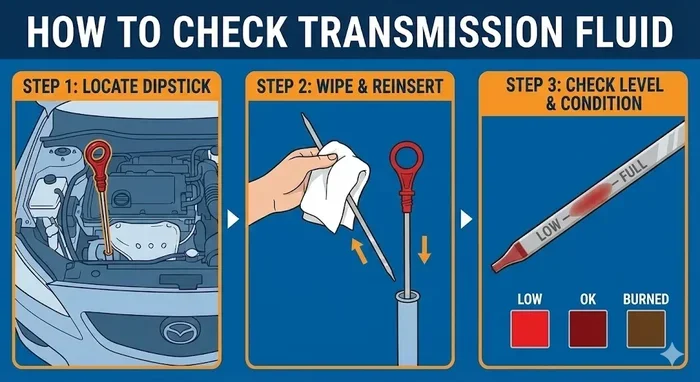
Sometimes the problem is as simple as old or dirty transmission fluid. Fresh fluid can improve shifting, reduce slipping, and extend the life of your transmission. A transmission flush costs around $100 to $200 and is one of the easiest preventive maintenance steps you can take.
If you catch fluid issues early, you can avoid much more expensive repairs down the road. This is why regular checkups matter so much.
Transmission Replacement vs Rebuild: A Side-by-Side Comparison
When deciding between a transmission replacement and a rebuild, the comparison table below lays it all out clearly. Use this to weigh your options at a glance.
| Factor | Replacement | Rebuild |
|---|---|---|
| Average Cost | $1,800 – $5,000 | $1,200 – $3,000 |
| Warranty | 3-5 years (new/remanufactured) | 1-3 years (typical) |
| Lifespan | 100,000+ miles | 80,000-150,000 miles |
| Risk Level | Low (new/reman unit) | Medium (depends on shop quality) |
| Time in Shop | 3-7 days | 5-10 days |
| Best For | Catastrophic damage | Multiple worn parts, solid casing |
As you can see, both options have clear advantages. A remanufactured transmission replacement gives you the longest lifespan and strongest warranty. A rebuild saves money and can work just as well if the shop is skilled and reputable.
The key is matching the solution to your specific situation. A young vehicle with major internal damage might benefit from a replacement. An older car with high mileage might be better served by a rebuild or even a repair.
Signs Your Transmission Needs Attention
Catching transmission problems early can save you thousands of dollars. Many drivers ignore the warning signs until the damage becomes severe. Here are the most common symptoms that something is wrong with your transmission.
Slipping Gears
Transmission slipping is one of the clearest red flags. You might feel the car shift unexpectedly or lose power while driving. This happens when the gears cannot maintain proper engagement, and it is a sign of serious internal wear.
Do not ignore slipping. Continuing to drive on a slipping automatic transmission can cause complete failure, which leads to a much higher bill.
Delayed or Rough Shifting
If your car hesitates before shifting gears or the shifts feel jerky, the transmission needs attention. This can indicate low fluid levels, worn clutch packs, or a failing torque converter.
Smooth shifting is a sign of a healthy transmission. Any roughness or delay is worth getting checked out immediately.
Warning Lights and Strange Noises
The check engine light or a dedicated transmission warning light on your dashboard should never be ignored. Along with warning lights, listen for grinding, whining, or clunking noises. These sounds often point to internal damage inside the transmission.
A transmission fluid change might resolve minor noise issues, but persistent sounds usually mean deeper problems.
Fluid Leaks and Discoloration
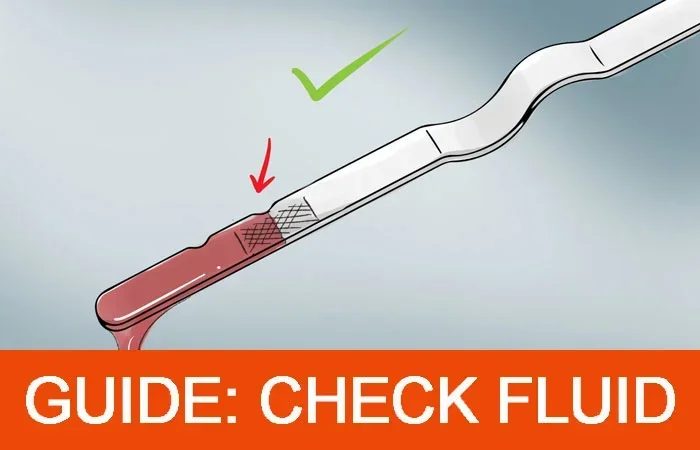
Check the area under your car for red or brown puddles. Transmission fluid leaks are common and can lead to overheating if not addressed. Healthy transmission fluid is reddish and translucent. Dark, burnt-smelling fluid is a clear sign that the transmission is overworked and needs service.
A simple transmission flush and fluid top-off can sometimes resolve early-stage issues before they escalate into major repairs.
Making the Final Decision: Is a Transmission Replacement Worth It?
So, are transmissions worth replacing or just repairing? The answer depends on a few key factors that are unique to your situation. Let us walk through the decision-making process step by step.
Evaluate Your Vehicle’s Value
The golden rule of automotive repairs is this: do not spend more on repairs than the vehicle is worth. If your car is valued at $3,000 and a new transmission costs $4,000, replacement does not make financial sense. In this case, selling the car for parts or scrapping it might be the better move.
However, if you have a vehicle worth $10,000 or more, a transmission replacement or rebuild can extend its life for many more years. The math is simple: compare the repair or replacement cost to the car’s resale value.
Consider Your Budget
Budget plays a huge role. If you have the funds for a remanufactured transmission with a solid warranty, replacement is often the most reliable long-term choice. If money is tight, a targeted transmission repair might be the only practical option.
Some shops offer payment plans or financing for major repairs. It is always worth asking. Do not let pride push you into a decision that strains your finances.
Think About Long-Term Ownership
How long do you plan to keep the vehicle? If you drive your car for 10+ years, investing in a quality transmission replacement or rebuild pays off over time. If you plan to sell within a year or two, a cheaper repair might make more sense.
Also consider your driving habits. If you tow heavy loads, drive in stop-and-go traffic, or face extreme temperatures, your transmission works harder and may need a more robust solution.
Get Multiple Quotes
Never settle for the first quote you receive. Get at least three estimates from different shops. Compare what is included in each quote, the warranty offered, and the reputation of the mechanic.
Ask specifically about the type of transmission unit they use. A rebuilt transmission from a reputable shop with a strong warranty is often the best balance of cost and reliability.
Quick Tips for Transmission Longevity
- Change your transmission fluid every 30,000 to 60,000 miles.
- Avoid riding the brake pedal, which puts extra strain on the transmission.
- Warm up your vehicle gently in cold weather before driving hard.
- Address transmission fluid leaks immediately, no matter how small.
- Use the recommended transmission fluid type for your specific vehicle.
- Schedule regular drivetrain repair checkups with a trusted mechanic.
Common Mistakes People Make With Transmission Problems
Even well-meaning car owners make mistakes that make transmission issues worse. Avoiding these pitfalls can save you time, money, and a lot of headaches.
Ignoring Warning Signs
The biggest mistake is ignoring the early signs of transmission failure. Slipping gears, strange noises, or fluid leaks are your car begging for help. Pushing through these symptoms almost always leads to more expensive damage.
Skipping Fluid Changes
Many drivers forget about transmission fluid maintenance entirely. Old, dirty fluid loses its ability to lubricate and cool the internal components. Over time, this accelerates wear and shortens your transmission lifespan significantly.
Choosing the Cheapest Option
Going with the lowest-cost repair or a no-name shop can backfire. A poorly installed rebuilt transmission or a low-quality part can fail within months. You end up paying more in the long run for a second repair or replacement.
Not Asking About the Warranty
Always ask about the transmission warranty before any work begins. A reputable shop stands behind their work. If they hesitate or give you vague answers, that is a red flag. A solid warranty protects you if something goes wrong shortly after the repair.
Expert Insights on Transmission Decisions
We spoke with several certified drivetrain repair specialists to get their honest take on the replacement vs. repair debate. Here is what the experts had to say.
Transmission specialist Mike Torres shared this insight: “I tell my customers to look at the big picture. If the car is reliable otherwise and the transmission issue is fixable with a repair, we go for repair every time. But if the transmission is internally destroyed, a remanufactured transmission is the most cost-effective path forward.”
Master mechanic Sarah Chen added, “Do not underestimate the value of a transmission warranty. A rebuild or replacement backed by a good warranty gives you real peace of mind. Without it, you are essentially rolling the dice.”
Both experts agree on one thing: regular maintenance is the best prevention. A simple transmission fluid change every 30,000 to 60,000 miles can prevent most major transmission failure symptoms from ever developing.
Conclusion
The question of are transmissions worth replacing does not have a one-size-fits-all answer. It depends on your vehicle, your budget, and the severity of the damage. A targeted transmission repair can be a smart, affordable choice for isolated problems. A transmission rebuild offers a reliable middle ground for more widespread wear. And a full transmission replacement makes sense when the damage is catastrophic and the vehicle is otherwise worth keeping.
The most important step is to act quickly. Do not ignore warning signs like slipping gears, rough shifting, or fluid leaks. The sooner you address a transmission problem, the more options you have and the less it will cost you.
Use the information in this guide to have an informed conversation with your mechanic. Get multiple quotes, ask about warranties, and choose the option that fits your vehicle, your budget, and your driving plans. A well-informed decision today can save you from a much bigger headache tomorrow.
Your transmission is the heart of your vehicle’s drivetrain. Treat it with care, keep up with maintenance, and it will keep you rolling smoothly for miles to come.
Frequently Asked Questions
How much does a transmission replacement cost on average?
The average transmission replacement cost ranges from $1,800 to $5,000 depending on the vehicle type, the kind of unit used, and labor rates in your area. A remanufactured transmission typically falls in the lower range, while a dealer-installed new unit costs more.
Is it better to rebuild or replace a transmission?
A transmission rebuild is usually cheaper and works well when the casing is still solid and multiple parts are worn. A replacement is better for catastrophic damage or when you want the longest lifespan and strongest transmission warranty. Your mechanic can help you decide based on the specific condition of your unit.
How do I know if my transmission needs replacing or just repairing?
If the problem is limited to a single component like a solenoid or seal, a transmission repair is usually sufficient. If you experience grinding, complete gear failure, or internal damage, a rebuild or full replacement is likely needed. A trusted mechanic can diagnose the exact issue with a thorough inspection.
Can a slipping transmission be repaired without full replacement?
Yes, in many cases. Slipping can be caused by low transmission fluid, worn clutch packs, or a failing torque converter. These issues can often be fixed with a repair or partial rebuild. However, ignoring a slipping transmission will eventually lead to complete failure.
How long does a replaced transmission last?
A remanufactured transmission or quality transmission replacement can last 100,000 miles or more with proper maintenance. Regular transmission fluid changes and gentle driving habits significantly extend the lifespan of any new or rebuilt unit.
What happens if I never fix a bad transmission?
Ignoring a failing transmission will almost always make the problem worse. Fluid contamination spreads damage to internal gears and components. Eventually, the transmission fails completely, leaving you stranded and facing a much higher bill than if you had addressed the issue early.