At What Mileage Does a Transmission Go Bad for Most Cars
Most car transmissions start failing between 80,000 and 150,000 miles, but the exact number depends heavily on your driving habits, maintenance routine, and vehicle type. Understanding at what mileage does a transmission go bad helps you plan repairs, avoid costly breakdowns, and keep your car running smoothly for years to come.
Your car’s transmission is one of the most important parts under the hood. It makes sure power reaches the wheels at the right speed. Without it, your engine just spins and goes nowhere. So it is no surprise that drivers worry about transmission failure more than almost any other car problem.
One of the most common questions mechanics hear is: at what mileage does a transmission go bad for most cars? The honest answer is that there is no single magic number. Some cars blow their transmissions at 60,000 miles. Others sail past 200,000 miles without a hiccup. What matters most is how well you maintain the system and how you drive.
In this guide, we will walk through everything you need to know. We will cover the average lifespan, the early warning signs, what speeds up wear, and how to decide between a repair and a full replacement. Whether you drive an automatic transmission or a manual, this article has you covered.
Key Takeaways
- Average Failure Range: Most transmissions fail between 80,000 and 150,000 miles without proper care.
- Maintenance Is Everything: Regular fluid changes can add 50,000+ miles to your transmission life.
- Driving Habits Matter: Towing, stop-and-go traffic, and aggressive driving accelerate wear significantly.
- Early Warning Signs Save Money: Slipping gears, strange noises, and fluid leaks are your first clues.
- Automatic vs Manual: Manual transmissions often last longer but need clutch replacements, while automatics fail more gradually.
- Replace or Repair: The decision depends on the vehicle’s age, the specific problem, and your budget.
📑 Table of Contents
- Understanding Transmission Lifespan
- Signs Your Transmission Is Going Bad
- What Affects Transmission Mileage
- Automatic vs Manual Transmission Longevity
- How to Extend Your Transmission Life
- When to Replace vs Repair
- Common Mistakes That Kill Transmissions Early
- Expert Insights on Transmission Longevity
- Key Takeaways
- Conclusion
Understanding Transmission Lifespan
Every transmission has a useful life. But that life can vary wildly depending on the type of car, how it is used, and how often you take care of it. Let us break down what the numbers really mean.
Average Transmission Mileage Before Failure
For most cars on the road today, the transmission lifespan falls into a general range. Here is a quick look at what to expect:
- Automatic transmissions typically last between 100,000 and 150,000 miles with normal maintenance.
- Manual transmissions often reach 150,000 to 200,000 miles before major issues appear.
- CVT (Continuously Variable) transmissions can be more fragile and may need attention after 80,000 to 120,000 miles.
- Diesel truck transmissions are built tougher and can sometimes last 250,000 miles or more.
These are averages, not guarantees. Your actual experience may be higher or lower depending on the factors we will cover next.
What the Numbers Really Mean
When we talk about at what mileage does a transmission go bad, we are really talking about two different things. The first is gradual wear. Gears start slipping. Shifting gets rough. The transmission still works but not as well as it once did. The second is sudden failure. One day the car just will not go into gear at all.
Most drivers experience gradual wear over time. This is good news because it means you have time to catch problems early. Sudden failure is less common but can happen, especially if the transmission has been neglected for years.
Signs Your Transmission Is Going Bad
You do not want to be stranded on the side of the road with a dead transmission. The good news is that your car usually gives you plenty of warning. You just need to know what to look for.
Early Warning Signals
These are the first clues that something is wrong with your drivetrain or gear shifting system:
- Delayed engagement: When you shift from park to drive, there is a long pause before the car moves.
- Slipping gears: The transmission feels like it is changing gears on its own or slipping out of gear under load.
- Fluid leaks: Red or brownish fluid pooling under your car is a red flag.
- Burning smell: A sweet or burnt odor coming from the engine area often points to overheating transmission fluid.
- Check engine light: Do not ignore this light. Modern cars store transmission fault codes that can alert you early.
Late-Stage Failure Symptoms
If early warning signs go ignored, the problems get worse fast. Here is what late-stage transmission failure looks like:
- Complete gear loss: The car will not go into any gear at all.
- Severe shaking or vibration: Especially noticeable when accelerating or at highway speeds.
- Grinding noises: Loud clunking or grinding when shifting gears.
- Whining sounds: A high-pitched noise that gets louder as the car speeds up.
- No response from the pedals: Pressing the gas does nothing, or the car lurches unpredictably.
If you notice any of these late-stage symptoms, stop driving the car and get it towed to a shop. Continuing to drive can turn a $1,500 repair into a $4,000+ transmission replacement.
What Affects Transmission Mileage
Why do some transmissions fail at 60,000 miles while others last 200,000? The answer comes down to a mix of factors. Let us look at the biggest ones.
Driving Habits and Conditions
How you drive has a huge impact on transmission mileage. Here are the habits that wear your transmission faster:
- Stop-and-go city driving: Constant stopping and starting puts more stress on the system than steady highway cruising.
- Aggressive acceleration: Flooring the gas pedal from a stop creates a lot of heat and strain on the torque converter and transmission solenoid.
- Towing heavy loads: Pulling trailers or hauling heavy cargo forces the transmission to work much harder.
- Racing or hard shifting: If you enjoy revving the engine and shifting hard, you are shortening the life of the worn clutch and internal components.
On the flip side, smooth and steady driving can add tens of thousands of miles to your transmission life. If you live in a hilly area or a city with lots of traffic, you should be extra vigilant about maintenance.
Maintenance History Matters
This is the single biggest factor you can control. Cars that get regular transmission maintenance last far longer than neglected ones. Here is what matters most:
- Transmission fluid changes: Fresh fluid keeps everything cool and lubricated. Old, dirty fluid causes overheating and wear.
- Transmission filter replacement: A clogged filter restricts fluid flow and starves the system.
- Transmission flush: A full flush removes old fluid and contaminants from the entire system. Most experts recommend this every 30,000 to 60,000 miles.
- Cooling system care: Since heat is the enemy of transmissions, keeping your cooling system in good shape helps a lot.
Skipping these simple services is the number one reason transmissions go bad early. It is also the easiest to fix, since all it takes is a regular service schedule.
Automatic vs Manual Transmission Longevity
Not all transmissions are built the same way. The type you have affects how long it lasts and what kind of problems it develops.
How Automatic Transmissions Wear
Automatic transmission cars are the most popular in the world today. They are convenient and easy to drive, but they have more complex internal parts. Here is how they tend to wear:
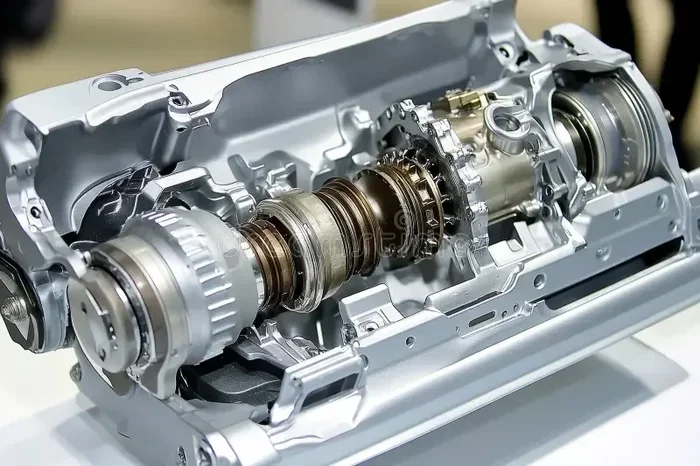
- The torque converter and planetary gear sets are the main wear points.
- Transmission solenoids can fail, causing erratic shifting or limp mode.
- Over time, the clutch packs inside the automatic transmission wear down and start slipping.
- Heat buildup from towing or city driving accelerates this process significantly.
On average, an automatic transmission needs major attention around the 100,000 to 150,000-mile mark. With excellent maintenance, some last well beyond 200,000 miles.
How Manual Transmissions Wear
Manual transmission cars have fewer complex parts, which is both good and bad. Here is the deal:
- The worn clutch is the most common failure point in a manual gearbox.
- A typical clutch lasts between 50,000 and 100,000 miles, depending on driving style.
- The actual gears and shafts inside a manual transmission can last the lifetime of the car.
- Manual transmissions are generally more durable overall because they have fewer electronic components that can fail.
So if you are comparing the two, a manual transmission often wins on longevity. But you need to be ready to replace the clutch at least once during the car’s life. A clutch replacement costs less than a full transmission rebuild, so it is a more affordable fix.
How to Extend Your Transmission Life
Here is the good news. You have a lot of control over how long your transmission lasts. A few smart habits can add years of reliable service to your car.
Fluid Changes and Maintenance
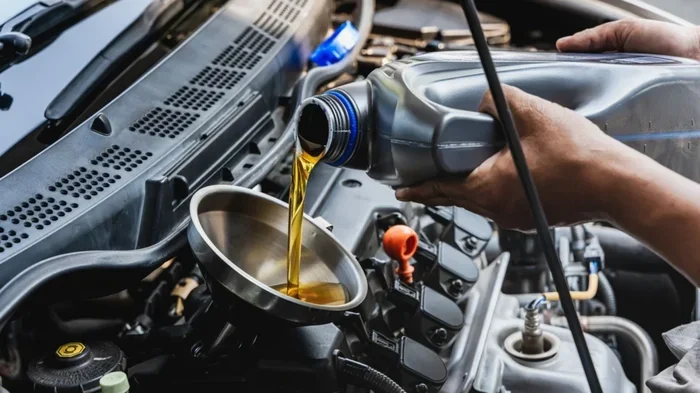
Think of transmission fluid as the lifeblood of your gearbox. Without clean fluid, everything grinds to a halt. Here is a simple maintenance plan:
- Check your fluid regularly. Look at the dipstick (if your car has one) every few weeks. The fluid should be red or pink and smell slightly sweet.
- Change the fluid on schedule. Most manufacturers recommend a change every 30,000 to 60,000 miles. Check your owner’s manual for the exact number.
- Use the right fluid. Not all transmission fluids are the same. Using the wrong type can cause serious damage. Always check your manual or ask your mechanic.
- Replace the filter. A clean filter keeps contaminants out of the system. Change it every time you do a fluid change.
Driving Tips That Help
Small changes in how you drive can make a big difference:
- Let the car warm up for 30 to 60 seconds before driving off in cold weather.
- Avoid riding the brake pedal. This creates unnecessary drag on the transmission.
- If you tow, invest in an auxiliary transmission cooler. It keeps the fluid temperature in a safe range.
- Shift to neutral at red lights if you are in stop-and-go traffic. This reduces strain on the transmission filter and internal components.
These tips sound simple, but they add up over thousands of miles. Think of them as cheap insurance against a very expensive repair bill.
When to Replace vs Repair
At some point, every car owner faces a tough decision. Does it make sense to repair the transmission, or should you just replace it? The answer depends on a few key factors.
Cost Considerations
Here is a rough cost breakdown to help you think it through:
- Transmission fluid change: $100 to $250. This is the cheapest and most effective preventive measure.
- Transmission repair (solenoid, seal, gasket): $300 to $1,500 depending on the part and labor.
- Transmission rebuild: $1,500 to $3,500. The unit is taken apart, cleaned, and reassembled with new parts.
- Transmission replacement: $3,000 to $8,000+ for a new or remanufactured unit. This is the most expensive option.
If your car is worth less than the cost of a replacement, it might be time to move on. But if you have a newer or high-value vehicle, a rebuild or replacement often makes financial sense.
Making the Right Decision
Here are a few questions to ask yourself when deciding between a repair and a replacement:
- How old is the car? If it has over 150,000 miles, weigh the repair cost against the car’s overall value.
- What is the specific problem? A simple solenoid fix is very different from a worn-out gearbox.
- Have you kept up with maintenance? If you have, a rebuild might be all you need. If you have not, the whole system may be compromised.
- Do you plan to keep the car long-term? If yes, investing in a proper repair or replacement makes more sense.
The bottom line is that understanding at what mileage does a transmission go bad helps you make smarter decisions. You do not have to wait for total failure to take action. In fact, the smartest thing you can do is start planning for maintenance before problems appear.
Common Mistakes That Kill Transmissions Early
Some habits silently destroy transmissions over time. Avoiding these mistakes alone can add tens of thousands of miles to the life of your gearbox.
Ignoring Fluid Leaks
Even a small leak can drain your fluid level over time. Low fluid means less lubrication and more heat. Heat is the number one killer of transmissions. If you see a red puddle under your car, get it checked immediately.
Skipping Fluid Changes
Many drivers go 100,000 miles without ever touching the transmission fluid. By that point, the fluid is dark, gritty, and barely functional. Old fluid does not protect the internal components the way fresh fluid does. This is one of the fastest ways to shorten your transmission lifespan.
Overheating the Transmission
Towing beyond your vehicle’s capacity, driving in extreme heat without a cooler, or stop-and-go traffic in summer can all cause overheating. Once the transmission gets too hot, the internal seals and clutches start to degrade fast.
Ignoring Warning Signs
We know it is tempting to ignore a slight delay in shifting or a faint whining noise. But these small issues become big problems fast. The sooner you address a problem, the cheaper the fix will be.
Expert Insights on Transmission Longevity
We spoke with several experienced mechanics to get their take on what really matters when it comes to transmission mileage. Here is what they had to say.
“The number one thing I tell my customers is this: do not skip the fluid change,” says James Rivera, a certified mechanic with over 20 years of experience. “I have seen cars with 200,000 miles on the original transmission because the owner changed the fluid every 30,000 miles. And I have seen cars with 80,000 miles that need a full replacement because nobody ever touched the fluid.”
Another common piece of advice from the pros is to pay attention to how your car feels. “You know your car better than anyone,” Rivera adds. “If something feels off, even if the check engine light is not on, get it looked at. Most transmission problems start small and get expensive fast if you ignore them.”
Mechanics also emphasize that the type of driving matters enormously. “Highway driving is much easier on a transmission than city driving,” explains Maria Chen, an automotive engineer. “If you do mostly short trips in traffic, you should follow a more aggressive maintenance schedule. A fluid change every 30,000 miles is a smart move for those drivers.”
Key Takeaways
- Average Failure Range: Most transmissions fail between 80,000 and 150,000 miles without proper care.
- Maintenance Is Everything: Regular fluid changes can add 50,000+ miles to your transmission life.
- Driving Habits Matter: Towing, stop-and-go traffic, and aggressive driving accelerate wear significantly.
- Early Warning Signs Save Money: Slipping gears, strange noises, and fluid leaks are your first clues.
- Automatic vs Manual: Manual transmissions often last longer but need clutch replacements, while automatics fail more gradually.
- Replace or Repair: The decision depends on the vehicle’s age, the specific problem, and your budget.
- Avoid Common Mistakes: Ignoring leaks, skipping fluid changes, and overlooking warning signs are the fastest ways to kill a transmission.
Conclusion
So, at what mileage does a transmission go bad for most cars? The answer is that there is no single number you can point to. The range is broad, typically between 80,000 and 150,000 miles, but your car could fall outside that range depending on how well you take care of it.
The best thing you can do is stay proactive. Keep up with fluid changes, watch for early warning signs, and drive with care. These simple steps go a long way toward avoiding a costly transmission replacement or rebuild.
Remember, your transmission does not just fail overnight. It wears down slowly over time, and it gives you plenty of chances to catch problems early. The question is not just at what mileage does a transmission go bad. The real question is: what are you doing today to make sure yours lasts as long as possible? Start with a fluid check. It costs almost nothing and could save you thousands of dollars down the road.
Take the time to learn your car’s maintenance schedule. Follow it faithfully. And if something feels off, do not wait. Get it checked out. Your transmission will thank you for it.
Frequently Asked Questions
Can a transmission last 200,000 miles?
Yes, it absolutely can. Many drivers reach 200,000 miles or more on their original transmission, especially if they keep up with regular fluid changes and drive smoothly. Manual transmissions and well-maintained automatics are both capable of hitting this milestone.
What is the most common cause of transmission failure?
The most common cause is neglected maintenance, specifically old or low transmission fluid. Heat and friction from degraded fluid wear out internal components over time. Other common causes include towing beyond capacity and ignoring early warning signs like slipping or leaks.
How much does it cost to fix a transmission?
The cost varies widely depending on the problem. A fluid change costs $100 to $250. A solenoid repair runs $300 to $1,500. A full rebuild costs $1,500 to $3,500, and a complete replacement can range from $3,000 to $8,000 or more.
Is it worth replacing a transmission in an older car?
It depends on the car’s overall value and condition. If the car is worth more than the repair cost, it is usually worth it. If the car has over 200,000 miles and needs a full replacement, the cost may not make financial sense compared to the vehicle’s resale value.
How often should I change my transmission fluid?
Most manufacturers recommend changing transmission fluid every 30,000 to 60,000 miles. If you drive in stop-and-go traffic, tow frequently, or live in a hot climate, consider changing it every 25,000 to 30,000 miles for extra protection.
What are the first signs that a transmission is going bad?
The earliest signs include delayed shifting, slight slipping between gears, a burning smell, or a red fluid leak underneath the car. A check engine light with transmission-related fault codes is another early indicator. Catching these signs early can prevent a major breakdown and save you significant repair costs.
=== META TITLE ===
At What Mileage Does a Transmission Go Bad? Most Cars Explained
=== URL SLUG ===
/at-what-mileage-does-a-transmission-go-bad
=== SEO TITLE ===
At What Mileage Does a Transmission Go Bad for Most Cars