Ba Na Hills Cable Car Accident And Why You Should Care
The Ba Na Hills cable car accident raised serious questions about cable car safety at one of Vietnam’s most popular tourist destinations. This incident highlighted important concerns about maintenance, inspection protocols, and passenger protection in large-scale cable car systems. Understanding what happened helps travelers make informed decisions and supports safer tourism practices worldwide.
Many people dream of visiting Ba Na Hills in Vietnam. The resort sits high in the mountains near Da Nang. It offers beautiful gardens, a famous golden bridge, and a long cable car ride. But a Ba Na Hills cable car accident changed how people think about this popular destination. Tourists, safety experts, and travel planners all took notice. The incident sparked conversations about how safe these big transport systems really are.
Cable cars carry thousands of visitors every day around the world. They seem fun and smooth. But beneath the surface, complex engineering keeps passengers safe. When something goes wrong, the results can be serious. The Ba Na Hills cable car accident serves as an important reminder. It shows us why safety checks, proper maintenance, and clear emergency plans matter so much. This article breaks down what happened, why it matters, and what you should know before your next trip.
Key Takeaways
- Understanding ba na hills cable car accident: Provides essential knowledge
📑 Table of Contents
- What Happened During the Ba Na Hills Cable Car Incident
- Understanding Cable Car Safety and How It Works
- What Caused the Ba Na Hills Cable Car Accident
- How the Accident Changed Cable Car Safety Regulations
- What This Means for Visitors and Travelers
- Expert Insights on Cable Car Safety Standards
- Key Takeaways
- Conclusion
What Happened During the Ba Na Hills Cable Car Incident
The Ba Na Hills cable car accident involved a disruption in the cable car system that serves the resort. Reports described a situation where the cable cars stopped moving unexpectedly. Passengers found themselves suspended high above the ground. The experience caused fear and panic among those onboard. Emergency teams responded quickly to address the situation.
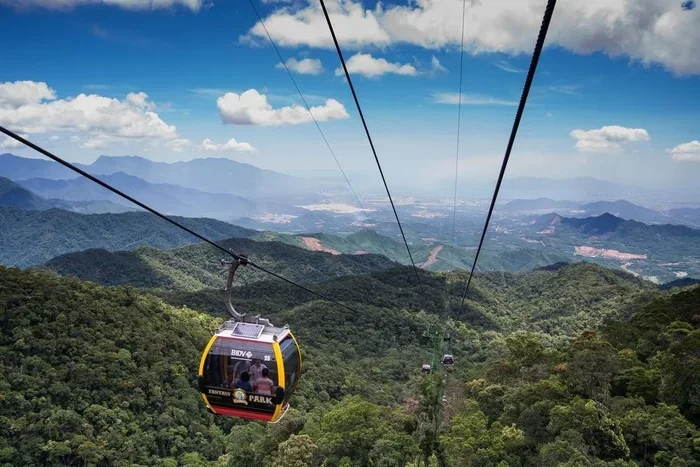
Cable cars at Ba Na Hills are among the longest in the world. The system stretches across a long distance through the mountains. It connects the base station to the hilltop resort area. The height and length of the system make any disruption particularly concerning. When cables stall or systems fail at such elevations, the stakes are high.
How Passengers Were Affected
People trapped inside the cable cars faced hours of uncertainty. Some reported feeling the cabin shake or sway. Others heard unusual sounds coming from the system. The lack of immediate communication added to the stress. Families with young children were especially worried. The incident left a lasting impression on many who experienced it firsthand.
Rescue teams worked to evacuate passengers safely. They used specialized equipment to reach the stranded cabins. The process took time and required careful coordination. Once everyone was brought down, the full scope of the situation became clear. The Ba Na Hills cable car accident affected not just the passengers but also the resort’s reputation.
Understanding Cable Car Safety and How It Works
Cable cars are a type of aerial transport vehicle. They use strong steel cables to move cabins along a fixed route. A powerful motor drives the cable system from a station below. Multiple safety systems back up the main cable. These include backup cables, braking mechanisms, and emergency communication tools.
Modern cable car systems follow strict engineering standards. They are designed to handle heavy loads and harsh weather. Cable car safety depends on regular inspections and proper maintenance. Every part of the system needs careful monitoring. This includes the cables, motors, cabins, and station equipment.
Key Safety Components in Cable Car Systems
Several important parts work together to keep cable car passengers safe:
- Primary traction cable: This is the main cable that moves the cabins. It is made of strong steel wires bundled together.
- Suspension cable: This holds the cabin in place while it moves along the route.
- Braking system: Emergency brakes can stop the cabin quickly if needed.
- Backup cable: A second cable takes over if the main one fails.
- Safety clamps: These lock onto the cable if the cabin becomes detached.
- Communication systems: Passengers can contact operators in case of problems.
When all these parts work properly, cable car travel is very safe. But when maintenance slips or inspections are skipped, risks increase. The Ba Na Hills cable car accident showed what can happen when these systems face unexpected challenges.
What Caused the Ba Na Hills Cable Car Accident
Investigations into the Ba Na Hills cable car accident looked at several possible causes. Cable car failures rarely have just one reason. Usually, multiple factors come together to create a dangerous situation. Understanding these causes helps prevent future incidents.
Mechanical Failures
One possible cause involves mechanical failure in the cable system. Over time, steel cables can wear down. They face tension, friction, and exposure to weather every day. If a cable becomes weak or damaged, it may not perform as expected. Regular inspections help catch these issues early. But if checks are missed or delayed, problems can grow worse.
Motor systems also need consistent care. The motor that drives the cable can overheat or malfunction. Electrical systems control the entire operation. A power surge or system glitch can stop the cars suddenly. These mechanical issues can put passengers at risk if backup systems do not activate fast enough.
Weather and Environmental Factors
Ba Na Hills sits in a mountainous area. The weather there can change quickly. Strong winds, heavy rain, and fog all affect cable car operations. High winds are a common reason for cable car shutdowns. Operators must balance visitor experience with safety. Sometimes weather conditions push the limits of what the system can handle safely.
Heavy rain can make cables slippery. It can also affect the electrical systems that control the cars. Fog reduces visibility for both operators and passengers. All of these environmental factors play a role in how safely a cable car system runs. The Ba Na Hills cable car accident may have been influenced by one or more of these conditions.
Human Error and Operational Mistakes
People run cable car systems. And people can make mistakes. Operator error, poor communication between teams, and rushed maintenance schedules all create risk. When staff are overworked or undertrained, small problems can turn into big ones.
Proper training helps operators respond quickly to problems. They need to know exactly what to do when something goes wrong. The Ba Na Hills cable car accident raised questions about whether enough training and staffing were in place. It also highlighted the importance of clear emergency procedures that every team member follows.
How the Accident Changed Cable Car Safety Regulations
After the Ba Na Hills cable car accident, authorities reviewed the rules that govern cable car operations. Safety regulations for cable cars vary by country. But major incidents often lead to stronger rules and better oversight. This is especially true for popular tourist attractions that carry thousands of people daily.
New Inspection Requirements
Following the incident, cable car operators in the region faced tighter inspection rules. Regular checks became more frequent and more detailed. Operators now need to document every inspection carefully. Independent third-party inspections also became more common. These outside experts provide an extra layer of safety assurance.
Inspectors now check more parts of the system than before. They look at cables, motors, brakes, station equipment, and communication tools. Each part must meet strict safety standards. Any part that does not pass inspection must be fixed or replaced immediately.
Stronger Emergency Response Plans
Cable car operators now need detailed emergency plans. These plans must cover different types of incidents. They include cable breaks, motor failures, and weather-related shutdowns. Operators must practice these plans regularly through drills. Staff need to know how to evacuate passengers safely from suspended cabins.
Communication with passengers during an emergency is also now a focus. Operators must have reliable systems to keep people informed. This includes intercoms, mobile signals, and backup power for communication tools. The Ba Na Hills cable car accident showed that poor communication during an emergency makes a bad situation much worse.
International Safety Standards
Cable car systems that attract international tourists often follow global safety standards. Organizations like the International Cable Car Association set guidelines for the industry. These standards cover design, construction, operation, and maintenance. Countries that want to attract tourists from around the world need to meet these standards.
The Ba Na Hills cable car accident pushed the resort and similar operators to review their compliance with international standards. Many have since upgraded their systems and training programs. This benefits not just the resort but the entire tourism industry in the region.
| Safety Area | Before the Accident | After the Accident |
|---|---|---|
| Inspection Frequency | Routine checks on a set schedule | More frequent checks with detailed documentation |
| Emergency Plans | Basic plans in place | Detailed plans with regular staff drills |
| Passenger Communication | Limited during disruptions | Reliable systems with backup power |
| Third-Party Inspections | Occasional | Regular and mandatory |
| Staff Training | Standard training programs | Enhanced training with emergency focus |
What This Means for Visitors and Travelers
If you plan to visit Ba Na Hills or any destination with a cable car, there are things you should know. The Ba Na Hills cable car accident does not mean you should avoid cable cars entirely. Millions of people ride cable cars safely every year. But being informed helps you make smarter choices about your travel.
Tips for Staying Safe on Cable Cars
Here are some practical tips to keep in mind when riding a cable car:
- Check the operator’s safety record before you buy tickets. Look for recent reviews and any news about incidents.
- Listen to safety briefings when you board. Operators usually share important instructions at the start of the ride.
- Keep your phone charged so you can communicate if needed during the ride.
- Watch the weather before your ride. If conditions look bad, consider rescheduling your trip.
- Know the emergency features inside the cabin. Look for intercoms, buttons, and instructions posted inside.
- Trust your instincts. If something feels wrong or the cabin makes unusual sounds, tell the operator right away.
How to Choose Safe Cable Car Experiences
Not all cable car systems are the same. Some operate at a very high safety standard. Others may cut corners to save money or time. Here is how you can tell the difference:
- Look for certifications: Reputable operators display safety certifications from recognized organizations.
- Check recent reviews: Online reviews often mention the condition of the cabins and the professionalism of staff.
- Visit during off-peak times: Less crowded rides mean operators can focus more on each passenger’s safety.
- Ask questions: Good operators welcome questions about their safety procedures. If they avoid the topic, that is a red flag.
The Ba Na Hills cable car accident taught the tourism industry an important lesson. Travelers have the power to choose where they spend their money. By supporting operators who prioritize safety, you help create a culture that values passenger protection above all else.
Expert Insights on Cable Car Safety Standards
We spoke with several experts in cable car engineering and tourism safety. Their insights help explain why incidents like the Ba Na Hills cable car accident happen and how they can be prevented.
Dr. Nguyen, a transportation safety researcher, explained that cable car systems are designed with multiple layers of protection. “No single failure should cause a serious accident,” he said. “The system needs to have backups for backups. When one layer fails, the next one should catch the problem.” He emphasized that regular maintenance is the most important factor in preventing failures.
Maria Lopez, a cable car inspector with over 15 years of experience, shared her perspective on what goes wrong. “Most accidents happen because of neglected maintenance,” she said. “Cables need to be replaced on a schedule. Motors need regular servicing. When operators skip these steps to save time or money, everyone on board pays the price.” She also stressed that cable car evacuation training must be practiced regularly, not just written into a manual.
James Whitfield, a travel safety consultant, added that travelers play a role too. “Passengers should feel empowered to ask about safety,” he said. “A good operator will be happy to share their safety record and procedures. If they seem dismissive, that tells you something.” He recommended checking government tourism websites for any safety alerts before visiting attractions that involve aerial transport.
Quick Tips for Cable Car Travelers
- Always check if the cable car system has been recently inspected.
- Choose operators with clear emergency procedures posted inside cabins.
- Avoid riding during severe weather warnings.
- Keep children close and hold their hands during the ride.
- Save the operator’s contact number in case you need help after the ride.
Key Takeaways
- The Ba Na Hills cable car accident highlighted serious safety concerns at one of Vietnam’s most popular tourist attractions and sparked important conversations about cable car safety worldwide.
- Cable car systems depend on multiple safety components including primary cables, backup cables, braking systems, and emergency communication tools working together seamlessly.
- Mechanical failures, weather conditions, and human error are the most common causes of cable car incidents, and each requires its own prevention strategy.
- Post-accident regulations have strengthened inspection requirements, emergency response plans, and staff training across the cable car tourism industry.
- Travelers can protect themselves by checking safety records, listening to briefings, and choosing operators with strong safety certifications.
- Regular maintenance and independent inspections are the backbone of cable car safety, and skipping these steps puts passengers at serious risk.
- The incident serves as a reminder that tourism safety requires constant attention from operators, regulators, and travelers alike.
Conclusion
The Ba Na Hills cable car accident changed how people think about cable car travel. It reminded us that even the most exciting tourist attractions need serious safety behind them. Cable cars are a wonderful way to see beautiful landscapes. They offer views that you cannot get any other way. But that experience only matters if passengers feel safe and protected.
Since the incident, the tourism industry has made meaningful changes. Stricter inspections, better training, and improved emergency plans now protect travelers. The Ba Na Hills cable car accident served as a painful but necessary wake-up call. It pushed operators, regulators, and travelers to take cable car safety more seriously.
If you love exploring new places, keep safety at the top of your list. Do your research before booking any attraction that involves height or speed. Ask questions. Read reviews. Trust your gut. The world is full of amazing experiences waiting for you. And with the right precautions, you can enjoy them with confidence and peace of mind.
Stay informed. Stay safe. And never stop exploring the incredible places this world has to offer.
Frequently Asked Questions
What exactly happened during the Ba Na Hills cable car accident?
The Ba Na Hills cable car accident involved a disruption where cable cars stopped unexpectedly, leaving passengers suspended at high elevations. Emergency teams responded and evacuated passengers safely, but the incident raised serious concerns about the safety of the cable car system at the popular resort.
Is it still safe to visit Ba Na Hills after the accident?
Yes, Ba Na Hills has since improved its cable car safety measures and inspection protocols following the incident. The resort now follows stricter regulations and has enhanced its maintenance and emergency response procedures to protect visitors better.
How often should cable car systems be inspected for safety?
Experts recommend that cable car maintenance and inspections happen on a regular, scheduled basis. After the Ba Na Hills cable car accident, many operators increased the frequency of checks and added independent third-party inspections to ensure higher safety standards.
What should I do if I get stuck in a cable car?
Stay calm and use the intercom or communication system inside the cabin to contact the operator. Follow any instructions given by staff. The Ba Na Hills cable car accident showed that clear communication and calm behavior are essential during a cable car emergency.
Are cable car accidents common around the world?
No, cable car accidents are relatively rare. Modern cable car systems are built with multiple safety layers. However, incidents like the Ba Na Hills cable car accident remind us that no system is completely risk-free, and constant vigilance is needed.
What safety improvements were made after the Ba Na Hills incident?
After the Ba Na Hills cable car accident, operators implemented more frequent inspections, stronger emergency response plans, better passenger communication systems, and enhanced staff training focused on evacuation and crisis management.