How to Reset the Service Engine Soon Light on Toyota Camry
The service engine soon light on a Toyota Camry often signals a minor issue, but resetting it is straightforward. You can reset the service engine soon light on Toyota Camry using an OBD-II scanner, a battery disconnect, or a dashboard button sequence. This guide covers each method, common causes, and when to seek professional help.
The service engine soon light on a Toyota Camry can make you panic, but it’s often a simple fix. If you need to reset the service engine soon light on Toyota Camry, you’re in the right place. This guide walks you through every method, from using an OBD-II scanner to disconnecting the battery. You’ll learn what triggers the light, how to clear the codes, and how to keep it from coming back.
Whether you drive a 2007 Camry or a 2024 model, the reset process is similar. The light is part of the onboard diagnostics system, which monitors your emission controls. When it finds a fault, it stores a code and turns on the MIL (Malfunction Indicator Lamp). Resetting the light clears the code, but it’s only a temporary fix if the problem isn’t solved.
Key Takeaways
- The light usually signals a minor issue: A loose gas cap is the most common cause and an easy fix.
- You can reset it with an OBD-II scanner or by disconnecting the battery: Both methods are simple and require no special skills.
- Always address the root cause first: Resetting without fixing the problem will just bring the light back.
- A flashing light means urgent attention: It often indicates a severe misfire that can damage the catalytic converter.
- Resetting without fixing the problem will just bring the light back: The ECU stores codes for a reason.
- Toyota Camry models from 2007–2024 share similar reset methods: The OBD-II scanner method works on all years.
- Regular maintenance prevents the light from returning: Stick to the service schedule and check the gas cap often.
📑 Table of Contents
- What Does the Service Engine Soon Light Mean on a Toyota Camry?
- Why Does the Service Engine Soon Light Come On?
- How to Reset the Service Engine Soon Light on Toyota Camry
- Comparison of Reset Methods
- Common Mistakes to Avoid When Resetting the Light
- When to Skip the Reset and Visit a Mechanic
- Preventing the Service Engine Soon Light from Returning
What Does the Service Engine Soon Light Mean on a Toyota Camry?
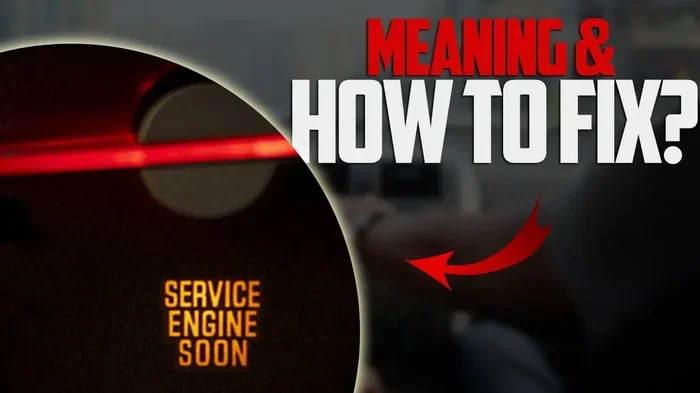
The service engine soon light is Toyota’s way of telling you something in the engine or emission system needs attention. It’s the same as the check engine light found on other cars. The light is yellow or orange and shaped like an engine. When it stays on, the OBD-II system has detected a fault.
The MIL and What It Represents
The MIL stands for Malfunction Indicator Lamp. It’s a warning light that tells you the diagnostic trouble codes (DTCs) are stored in the engine control unit (ECU). The ECU monitors dozens of sensors, including the oxygen sensor, mass airflow sensor, and crankshaft position sensor. If any reading falls outside the normal range, the ECU triggers the MIL.
The light can be steady or flashing. A steady light means a non-emergency issue. A flashing light means a severe problem, like a misfire that can damage the catalytic converter. You should address a flashing light immediately.
Service Engine Soon vs. Check Engine Light
Some people confuse the service engine soon light with the maintenance required light. The maintenance required light is a scheduled service indicator. It comes on every 5,000 miles to remind you to change oil. The SES light is different. It’s an emission-related warning. Resetting the maintenance light is a separate process, though the steps sometimes overlap.
Why Does the Service Engine Soon Light Come On?
Many issues can trigger the service engine soon light on a Toyota Camry. Some are minor, while others need professional repair. Here are the most common reasons.
Loose or Faulty Gas Cap
A loose gas cap is the number one cause of the SES light. The cap seals the fuel system and keeps vapors from escaping. If it’s loose, cracked, or missing, the OBD-II system detects a leak and turns on the light. This is an easy fix. Tighten the cap until you hear it click. If the light stays on after a few drive cycles, you may need a new cap.
Oxygen Sensor Failure
The oxygen sensor measures unburned oxygen in the exhaust. It helps the ECU adjust the fuel mixture. A failing sensor can reduce fuel economy and increase emissions. On a Toyota Camry, the oxygen sensor often fails after 100,000 miles. The code P0135 or P0171 is common.
Spark Plug and Ignition Coil Issues
Worn spark plugs or a bad ignition coil can cause misfires. A misfire means the engine isn’t burning fuel properly. This sets a code like P0300 (random misfire) or P0301 (cylinder 1 misfire). Misfires can damage the catalytic converter if ignored. Replacing spark plugs is a cheap maintenance item.
Catalytic Converter Problems
The catalytic converter reduces harmful emissions. It can fail due to age, oil consumption, or unburned fuel from misfires. A bad catalytic converter often triggers codes P0420 or P0430. This repair is expensive, so it’s important to fix misfires early.
EVAP System Leaks and Mass Airflow Sensor Failure
The EVAP system prevents fuel vapors from escaping into the atmosphere. A loose hose, cracked canister, or faulty purge valve can trigger a leak code like P0440. The mass airflow sensor measures the air entering the engine. A dirty or failing sensor gives wrong readings and can cause rough idle or stalling. Code P0101 often points to a MAF issue.
Other Less Common Triggers
Other reasons include a faulty thermostat, coolant temperature sensor, throttle position sensor, or a failing fuel pump. Even a loose aftermarket air filter can trigger the light. The OBD-II scanner will read the specific code to pinpoint the issue.
How to Reset the Service Engine Soon Light on Toyota Camry
Resetting the service engine soon light is a simple process, but you should always address the root cause first. Here are the three methods you can use.
Method 1 – Use an OBD-II Scanner
An OBD-II scanner is the best tool for resetting the SES light. It reads and clears diagnostic trouble codes. You can buy a basic scanner for under $30 or use a professional-grade tool like Toyota Techstream. Many Bluetooth OBD-II adapters work with smartphone apps like Torque or Carly.
Steps to reset with an OBD-II scanner:
- Locate the OBD-II port under the dashboard on the driver’s side.
- Plug the scanner into the port.
- Turn the ignition to the ON position (do not start the engine).
- Wait for the scanner to connect with the ECU.
- Read the stored codes and note them down.
- Select the option to clear or erase the codes.
- Turn off the ignition and remove the scanner.
- Start the engine and check if the light is off.
After resetting, drive the Camry for a few days. The ECU will run readiness monitors. If the problem is fixed, the light will stay off. If it returns, the scanner will show the same code again. Quick Tip: Always write down the codes before clearing them. This helps you track patterns and share data with your mechanic.
Method 2 – Disconnect the Battery
Disconnecting the battery resets the ECU and clears all codes. This method works on all Toyota Camry models but erases radio presets and clock settings. It’s a good option if you don’t have a scanner.
Steps to reset by disconnecting the battery:
- Park the Camry and turn off the engine.
- Open the hood and locate the negative battery terminal (marked with a minus sign).
- Use a wrench to loosen the nut on the negative cable.
- Remove the cable from the terminal and tuck it away from the battery.
- Wait at least 15 minutes. Some models need 30 minutes for the ECU to fully reset.
- Reconnect the negative cable and tighten the nut.
- Start the engine and check the dashboard.
After reconnecting, the SES light may stay on for a few seconds as the ECU initializes. If the light doesn’t turn off, you may need to drive the car through a complete drive cycle to clear the readiness monitors.
Method 3 – Dashboard Button Sequence (For Some Models)
Some Toyota Camry models from 2007 to 2011 allow you to reset the SES light using the dashboard buttons and the trip meter. This method doesn’t require any tools.
Steps for the dashboard button reset:
- Turn the ignition to the OFF position.
- Press and hold the odometer/trip button on the dashboard.
- While holding the button, turn the ignition to the ON position (do not start the engine).
- Continue holding the button for about 10 seconds.
- The odometer display may show a menu or the light may reset.
- Release the button and start the engine.
- Check if the service engine soon light is off.
This method works on older models with a mechanical trip odometer. Newer models with digital displays may not support this reset. If it doesn’t work, use the OBD-II scanner method.
What Is a Drive Cycle and Why Does It Matter?
A drive cycle is a specific driving pattern that allows the ECU to test all emission systems. After resetting the light, the ECU needs to verify that the problem is fixed. A typical drive cycle involves cold-starting the car, idling for a few minutes, driving at steady speeds of 30–70 mph, and then highway driving for 10–15 minutes. Completing this ensures the readiness monitors return to a ready state. If you skip this, the light might return or the vehicle might not pass an emission test.
Comparison of Reset Methods
Each method has its pros and cons. Here’s a quick comparison to help you choose the best approach for your Toyota Camry.
| Method | Tools Needed | Difficulty | Time Required | Best For |
|---|---|---|---|---|
| OBD-II Scanner | OBD-II scanner or Bluetooth adapter | Easy | 5–10 minutes | Reading and clearing codes accurately; works on all model years |
| Battery Disconnect | Wrench | Moderate | 20–30 minutes | When you don’t have a scanner; resets all ECU adaptations |
| Dashboard Button | No tools | Easy | 5 minutes | Older Camry models (2007–2011) with trip odometer |
The OBD-II scanner is the most reliable method. It not only resets the light but also gives you the specific fault code. This helps you understand what’s wrong. A battery disconnect is a good backup but may not clear all codes on newer models with advanced ECUs. Quick Tip: A smartphone OBD-II adapter costs under $20 and turns your phone into a powerful diagnostic tool.
Expert Insight: A reset is only a temporary fix if the root cause remains. Think of it as turning off the alarm without disarming the trigger. Always diagnose the code first.
Common Mistakes to Avoid When Resetting the Light
Resetting the SES light is easy, but mistakes can lead to bigger problems. Here are the most common errors people make.
Resetting Without Fixing the Underlying Problem
The biggest mistake is clearing the light without repairing the issue. The ECU stores codes for a reason. If you reset the light and the problem remains, the light will come back within a few drive cycles. Worse, ignoring a serious issue can lead to expensive damage. Always scan for codes first and investigate the root cause.
Using the Wrong Method for Your Model Year
Not all Toyota Camrys have a dashboard button reset. Newer models from 2012 onward may not support this method. Using the wrong method wastes time and can frustrate you. Check your owner’s manual or use an OBD-II scanner to be safe.
Not Completing a Drive Cycle After Reset
After resetting the light, the ECU needs to run a drive cycle to verify that the problem is fixed. If you don’t complete this, the readiness monitors may not reset, and the light could return. Quick Tip: After a reset, take the car for a 20-minute mixed drive of city and highway speeds to ensure all monitors run.
Ignoring the Code After Reset
Some people clear the codes and never look at them again. The freeze frame data captured at the time of the fault can tell you exactly what was happening—whether it was cold start, hot idle, or highway driving. Reviewing this data helps prevent the same issue from recurring.
When to Skip the Reset and Visit a Mechanic
Resetting the light is great for minor issues, but some situations require professional help. Here’s when you should skip the reset and see a mechanic.
The Light Is Flashing
A flashing SES light is a serious warning. It usually indicates an active misfire that can overheat the catalytic converter. Driving with a flashing light can cause thousands of dollars in damage. Pull over safely and have the car towed to a repair shop.
You Notice Performance Issues
If the SES light is on and you also feel a loss of power, rough idle, stalling, or strange noises, don’t just reset it. These symptoms point to a real problem that needs diagnosis. Ignoring them can leave you stranded.
Your Vehicle Fails an Emission Test
If your Toyota Camry fails an emission test because the SES light is on, resetting it won’t help. The OBD-II system runs emission readiness tests. If the light was on recently, the readiness monitors may show incomplete, and the car will fail. You need to fix the underlying fault and then pass the test.
Quick Tip: If the light returns immediately after you reset it, don’t keep resetting. Have a mechanic scan the codes and perform the repair. This saves time and money in the long run.
Preventing the Service Engine Soon Light from Returning
Once you’ve reset the light, you want to keep it off. Regular maintenance is the best prevention. Here are simple steps to follow.
Stick to the Maintenance Schedule
Toyota recommends specific service intervals for spark plugs, air filters, oil changes, and fuel filters. Following the schedule keeps the engine running smoothly and prevents emission-related faults. Check your owner’s manual for the maintenance schedule for your Camry model year.
Use Quality Fuel and Replace Filters Regularly
Cheap fuel can contain contaminants that damage sensors and clog injectors. Use top-tier gasoline when possible. Replace the engine air filter every 15,000–30,000 miles. A clogged filter reduces airflow and can trigger the SES light.
Check the Gas Cap After Every Fill-Up
Make it a habit to tighten the gas cap until you hear it click. This small habit prevents EVAP system leaks, which are a common cause of the SES light. If your gas cap is old or cracked, replace it. A new cap costs less than $20.
Keep an Eye on Dashboard Warnings
Other warning lights like the oil pressure light, battery light, or temperature gauge can also indicate serious issues. Don’t ignore any dashboard warning. Early attention prevents small problems from becoming big repairs.
Expert Insight: A well-maintained Toyota Camry rarely has the SES light on for no reason. Regular care builds trust and keeps the car reliable for hundreds of thousands of miles.
Resetting the service engine soon light on Toyota Camry is a task you can handle at home. Whether you use an OBD-II scanner, disconnect the battery, or press a button sequence, the process is straightforward. Just remember to diagnose the cause first, fix any issues, and complete a drive cycle after resetting. With the right approach, your Camry will stay healthy and the light will stay off.
Frequently Asked Questions
Is it safe to drive with the service engine soon light on?
If the light is steady and the car runs normally, it’s generally safe for a short drive. However, you should get the codes checked soon. A flashing light means you should stop driving immediately and seek help.
Will resetting the light clear the fault codes permanently?
No. Resetting only erases the stored codes from the ECU memory. If the underlying problem isn’t fixed, the ECU will detect it again and the light will return. Always diagnose and repair the issue first.
Can I use a smartphone app instead of a scanner?
Yes. A Bluetooth OBD-II adapter paired with a smartphone app like Torque or Carly can read and clear codes just like a dedicated scanner. These apps are affordable and very user-friendly.
Why did the service engine soon light come back after I reset it?
The light came back because the root cause was not fixed. The ECU detected the same fault again during a drive cycle. You need to address the actual problem—such as a loose gas cap, bad oxygen sensor, or misfire—before resetting the light.
How do I know if my Camry needs an OBD-II scanner or a mechanic?
If you have a scanner and the code is simple (like a loose gas cap), you can handle it yourself. If the code points to internal engine parts, or if you see a flashing light, it’s best to visit a qualified mechanic.
Does resetting the service engine soon light affect the warranty?
Resetting the light itself does not void the warranty. However, if the underlying issue is covered and you ignore it, the warranty claim could be denied. Always address the root cause and keep records of any repairs.