How Many Cars Does Maserati Actually Make Per Year
Maserati produces roughly 30,000 to 75,000 cars per year, depending on the model and market conditions. This Italian luxury brand keeps production low to maintain its exclusive appeal. If you have ever wondered why Maseratis are so rare on the road, the answer lies in their limited annual output and hand-built philosophy.
Maserati is one of the most recognizable names in the luxury car world. The brand has a rich history that stretches back over a century. Yet, despite its fame, Maserati remains a relatively small player in the global auto market. One question keeps coming up among car enthusiasts and curious shoppers: how many cars does Maserati actually make per year?
The answer might surprise you. Maserati does not churn out hundreds of thousands of vehicles like Toyota or Ford. Instead, the company focuses on quality over quantity. Each car is built with care, attention to detail, and a commitment to Italian craftsmanship. In this article, we will dive deep into Maserati’s annual production numbers, explore the reasons behind their low output, and look at what the future holds for this iconic brand.
Whether you are a proud Maserati owner, a potential buyer, or simply a car lover, this guide has everything you need. We will cover production figures, model breakdowns, comparisons with rival brands, and much more. Let us get started.
Key Takeaways
- Low Production Volume: Maserati makes far fewer cars than mass-market brands, typically between 30,000 and 75,000 units annually.
- Hand-Built Philosophy: Many Maserati models are assembled by hand, which limits how many they can produce each year.
- Stellantis Ownership: Maserati is part of the Stellantis group, which gives it resources but keeps it focused on the premium segment.
- Model Mix Matters: The SUV lineup, especially the Levante, drives most of Maserati’s annual sales.
- Exclusivity Is the Goal: Maserati intentionally keeps production low to protect its brand image and desirability.
- Future Growth Plans: Maserati is expanding into electric vehicles, which may slowly increase annual output over time.
- Buyer Impact: Low production means limited availability, longer wait times, and higher resale value for owners.
📑 Table of Contents
- The Truth About Maserati’s Annual Production Numbers
- A Look at Maserati’s Current Model Lineup
- Why Maserati Produces So Few Cars
- How Maserati Compares to Other Luxury Brands
- The Future of Maserati Production
- What Maserati’s Production Numbers Mean for Buyers
- Quick Tips for Prospective Maserati Buyers
- Common Mistakes People Make When Buying Maserati
- Expert Insights on Maserati Production
- Key Takeaways From Maserati’s Production Story
- Final Thoughts on Maserati’s Annual Output
The Truth About Maserati’s Annual Production Numbers
So, exactly how many cars does Maserati produce each year? The numbers vary from year to year, but a general range helps paint the picture. In recent years, Maserati has produced somewhere between 30,000 and 75,000 vehicles annually. Some years see higher output, while others dip lower depending on demand and supply chain factors.
Recent Production Trends
Let us look at a rough timeline of Maserati’s annual output over the past decade:
- 2015-2017: Production hovered around 30,000 to 50,000 units per year.
- 2018-2019: Numbers climbed closer to 50,000 to 60,000 units as new models launched.
- 2020: The pandemic caused a sharp drop, with output falling below 30,000 units.
- 2021-2023: Recovery brought numbers back up, reaching the 50,000 to 75,000 range.
- 2024 and Beyond: Maserati is expected to continue growing, especially with new electric models on the horizon.
These figures show that Maserati’s annual production capacity is modest compared to mainstream brands. But that is not a weakness. It is a deliberate choice.
Why the Numbers Fluctuate
Several factors cause Maserati’s yearly output to shift. Global economic conditions play a big role. When the economy struggles, luxury car sales often drop. Supply chain disruptions, semiconductor shortages, and factory shutdowns also impact production. Additionally, Maserati’s parent company, Stellantis, allocates resources across many brands, which affects how much goes to Maserati specifically.
Another key factor is model updates and new launches. When Maserati introduces a new vehicle, production ramps up temporarily. When older models are phased out, output may dip. Understanding these shifts helps explain why the numbers are never perfectly stable.
A Look at Maserati’s Current Model Lineup
To understand Maserati’s production numbers, you need to know which cars they actually make. Maserati currently offers a mix of sedans, SUVs, and sports cars. Each model has its own production volume, and together they make up the brand’s annual output.
The Maserati Ghibli
The Ghibli is Maserati’s flagship sedan. It is a luxury sports sedan that combines performance with everyday usability. The Ghibli has been one of Maserati’s best-selling models for years. It accounts for a significant share of the brand’s annual production. With its sleek design and powerful engine options, the Ghibli appeals to buyers who want style and speed.
The Maserati Quattroporte
The Quattroporte is Maserati’s full-size luxury sedan. It is larger and more refined than the Ghibli. The Quattroporte targets buyers who want extra space and premium features. While it sells well, its production numbers are lower than the Ghibli simply because it is a more niche product. Think of it as the more exclusive sibling in Maserati’s sedan family.
The Maserati Levante
The Levante is Maserati’s luxury SUV. It has been a game-changer for the brand. SUVs are hugely popular worldwide, and the Levante taps into that demand. In recent years, the Levante has become Maserati’s highest-selling model. Its strong sales have helped boost Maserati’s overall annual production numbers significantly.
The Maserati MC20
The MC20 is Maserati’s mid-engine sports car. It is a pure performance machine built for driving enthusiasts. Production of the MC20 is intentionally limited. This car is about prestige and excitement, not mass sales. Its low output keeps it exclusive and desirable.
The Maserati GranTurismo
The GranTurismo is a grand tourer that blends comfort with style. It has been a staple of the Maserati lineup for decades. The latest generation has received a warm reception, and its production volume is moderate. The GranTurismo appeals to buyers who want a luxurious cruiser for long road trips.
The Maserati Folgore
The Folgore is Maserati’s all-electric lineup. It represents the brand’s future. With three electric models planned, the Folgore range will slowly increase Maserati’s production capacity. However, as a new division, its current output is still relatively small compared to the combustion-engine models.
Why Maserati Produces So Few Cars
If Maserati has the technology and resources to make more cars, why do they not? The answer comes down to brand strategy, craftsmanship, and market positioning.
Exclusivity Drives Demand
Maserati thrives on exclusivity. When a car is rare, it becomes more desirable. The brand understands that scarcity creates value. By keeping annual production low, Maserati ensures that owners feel special. It also keeps the brand aspirational, which is a powerful marketing tool.
Hand-Built Craftsmanship
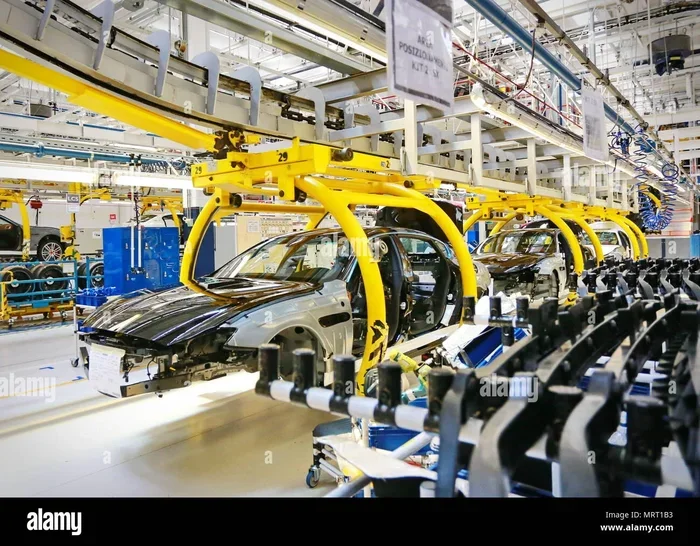
Many Maserati vehicles are assembled by hand. Skilled technicians spend hours fitting and finishing each car. This process takes time and cannot be rushed. Mass production would require automation, which goes against Maserati’s identity. The hand-built approach limits output but guarantees quality.
Focus on Profit Over Volume
Maserati does not need to sell millions of cars to be profitable. Each vehicle carries a high price tag, often starting above $75,000 and climbing well past $100,000 for top trims. The brand focuses on margins rather than volume. This strategy allows Maserati to invest in premium materials, advanced technology, and luxurious finishes.
The Stellantis Connection
Maserati is owned by Stellantis, one of the world’s largest automotive groups. Stellantis includes brands like Jeep, Dodge, Peugeot, and Alfa Romeo. While Stellantis has massive production capabilities, Maserati is positioned as the group’s premium luxury brand. Stellantis supports Maserati financially but does not push it to produce at mass-market levels. The goal is to maintain Maserati’s elite status.
How Maserati Compares to Other Luxury Brands
To put Maserati’s production numbers in perspective, it helps to compare them with rival luxury brands. The table below shows a rough comparison of annual output for several premium automakers.
Annual Production Comparison Table
- Maserati: 30,000 to 75,000 units per year
- BMW: 2 million+ units per year
- Mercedes-Benz: 2 million+ units per year
- Audi: 1.5 million+ units per year
- Jaguar: 300,000 to 400,000 units per year
- Porsche: 300,000 to 400,000 units per year
- Ferrari: 10,000 to 15,000 units per year
- Lamborghini: 8,000 to 10,000 units per year
Maserati sits in a unique spot. It makes more cars than Ferrari or Lamborghini but far fewer than BMW or Mercedes-Benz. This middle ground allows Maserati to offer more variety than ultra-exclusive brands while still maintaining an air of rarity. For buyers, this means access to a luxury experience without the extreme scarcity of a Ferrari.
What This Means for Buyers
If you are considering a Maserati, the production numbers matter. Low volume means limited availability. You may face longer wait times for certain models or configurations. On the bright side, limited supply often supports stronger resale values. Maseratis tend to hold their value better than many mass-market luxury cars.
The Future of Maserati Production
Maserati is entering an exciting new era. The brand has announced ambitious plans for the coming years. Electric vehicles will play a central role in the company’s future.
Electric Vehicle Expansion
Maserati plans to go fully electric by 2030. The Folgore electric lineup will expand the brand’s offerings significantly. New factories and updated production lines are being prepared to handle this shift. While the transition may temporarily affect production numbers, the long-term goal is growth.
New Model Launches
Maserati has several new models in development. These include updated versions of existing cars and entirely new vehicles. Each new launch has the potential to increase annual output. The brand is also exploring crossover and performance variants to attract a wider audience.
Investment in Manufacturing
Stellantis is investing heavily in Maserati’s production facilities. The Grugliasco plant in Italy is being upgraded with modern technology. These investments will improve efficiency and capacity. While Maserati will likely never become a high-volume manufacturer, these upgrades could push annual numbers closer to the upper end of the current range.
Global Market Expansion
Maserati is expanding into new markets, particularly in China and the Middle East. These regions have strong demand for luxury vehicles. As Maserati enters more markets, annual sales and production are expected to grow. The brand is also strengthening its presence in North America and Europe.
What Maserati’s Production Numbers Mean for Buyers
If you are thinking about buying a Maserati, the production numbers should influence your decision. Here are some practical insights to keep in mind.
Availability and Wait Times
Because Maserati produces so few cars, popular models can have long wait lists. If you want a specific color, trim, or configuration, you may need to wait several months. Patience is a virtue when buying a Maserati. But for many buyers, the wait is worth it.
Customization Options
Low production volume actually works in your favor when it comes to customization. Maserati offers extensive personalization options. Since they build fewer cars, they can give each buyer more attention and flexibility. You can create a truly unique vehicle tailored to your tastes.
Maintenance and Service
Maserati ownership comes with responsibilities. Because the brand produces limited numbers, some parts may take longer to source. It is a good idea to build a relationship with a trusted Maserati dealer. Regular maintenance keeps your car running smoothly and helps preserve its value.
Resale Value
One of the perks of buying a low-production luxury car is strong resale value. Maseratis tend to depreciate more slowly than many competitors. This is partly because of their rarity and partly because of their build quality. If you plan to keep your Maserati for several years, you may be pleasantly surprised when it comes time to sell.
Quick Tips for Prospective Maserati Buyers
- Plan Ahead: Order your Maserati well in advance, especially if you want a custom configuration.
- Visit a Dealer Early: Build a relationship with your local dealer before you are ready to buy.
- Consider Pre-Owned: Maserati’s used market offers great value. Earlier models are often well-maintained and available at a discount.
- Check for Incentives: Stellantis sometimes offers special financing or lease deals on Maserati models.
- Join a Community: Maserati owner clubs and forums are great resources for tips, advice, and connections.
- Stay Updated: Follow Maserati’s news to learn about new models, updates, and production changes.
Common Mistakes People Make When Buying Maserati
- Underestimating Costs: Maseratis are luxury cars. Insurance, maintenance, and parts can be expensive. Budget accordingly.
- Skipping the Test Drive: Every Maserati model has its own character. Always test drive before you commit.
- Ignoring Pre-Owned Options: New Maseratis are expensive. A certified pre-owned model can save you thousands.
- Overlooking Competitors: Brands like Alfa Romeo, Jaguar, and even Porsche offer similar experiences. Compare before you decide.
- Waiting Too Long: Popular configurations sell out fast. If you find the right car, act quickly.
Expert Insights on Maserati Production
Industry analysts see Maserati’s low production as both a strength and a challenge. On one hand, it protects the brand’s exclusivity and premium positioning. On the other hand, it limits growth potential. Maserati’s leadership has stated that their goal is not to become a volume manufacturer. Instead, they want to be the finest luxury brand in the world, even if that means keeping numbers small.
Experts also note that the shift to electric vehicles could change the production equation. Electric platforms are often more scalable than traditional combustion engines. This could allow Maserati to increase output without sacrificing quality or exclusivity. The Folgore lineup will be a key indicator of how this plays out.
Key Takeaways From Maserati’s Production Story
- Maserati produces between 30,000 and 75,000 cars per year, making it a boutique luxury manufacturer.
- The Levante SUV and Ghibli sedan are the brand’s best-selling and most-produced models.
- Hand-built craftsmanship and exclusivity are the main reasons Maserati keeps production low.
- Stellantis ownership provides financial support without pushing for mass-market volume.
- Electric vehicles will likely increase production in the coming decade as the Folgore range expands.
- Buyers benefit from rarity through customization options, strong resale value, and a unique ownership experience.
- Maserati’s production strategy is intentional, designed to protect the brand’s prestige and desirability.
Final Thoughts on Maserati’s Annual Output
The question of how many cars Maserati makes per year opens a window into the brand’s soul. Maserati is not trying to be the biggest carmaker in the world. It is trying to be one of the best. Every vehicle that rolls off the production line reflects this commitment to excellence.
The brand’s low production numbers are not a limitation. They are a statement. Maserati believes that fewer, better cars create a more meaningful experience for owners. Whether you are drawn to the Ghibli’s elegance, the Levante’s versatility, or the MC20’s raw performance, you are joining a select group of enthusiasts.
As Maserati looks toward an electric future, the brand’s production strategy will evolve. But the core philosophy will remain the same. Quality over quantity. Craftsmanship over convenience. Exclusivity over ubiquity. If you have been curious about Maserati, now is a great time to explore what this remarkable brand has to offer. The road ahead is exciting, and Maserati is building it one car at a time.
So the next time you see a Maserati on the road, remember something. That car is part of a very small annual production run. It is not just transportation. It is a statement of style, performance, and Italian passion. And that is what makes Maserati truly special.
Frequently Asked Questions
How many cars does Maserati make per year on average?
Maserati produces an average of 30,000 to 75,000 cars per year. The exact number varies depending on the model year, market demand, and production conditions. Recent years have seen output climb toward the higher end of that range.
Why does Maserati produce so few cars compared to other brands?
Maserati intentionally keeps production low to maintain exclusivity and brand prestige. The company focuses on quality craftsmanship and hand-built assembly, which limits how many vehicles they can produce. This strategy also helps keep demand strong and resale values healthy.
Which Maserati model sells the most each year?
The Maserati Levante SUV has become the brand’s best-selling model in recent years. The Ghibli sedan is also a strong seller. Together, these two models make up the majority of Maserati’s annual production output.
Will Maserati’s annual production numbers increase in the future?
Yes, Maserati is expected to increase production gradually. The brand is expanding into electric vehicles with the Folgore lineup. New model launches and global market expansion should also contribute to higher annual numbers over time.
Does Maserati hand-build all of its cars?
Not all Maserati cars are fully hand-built, but many involve significant hand assembly. The brand emphasizes craftsmanship and attention to detail. This approach limits production speed but ensures a level of quality that mass-market manufacturers cannot match.
How does Maserati’s production compare to Ferrari’s?
Maserati produces significantly more cars than Ferrari. Ferrari typically makes 10,000 to 15,000 cars per year, while Maserati’s output is roughly four to five times larger. However, both brands prioritize exclusivity and luxury over mass production.
=== CONCLUSION ===
Maserati’s annual production numbers tell a story of passion, precision, and prestige. With between 30,000 and 75,000 cars made each year, the brand stays true to its Italian roots. Every vehicle is a testament to the idea that less can be more. Whether you are researching before a purchase or simply love learning about cars, understanding Maserati’s production helps you appreciate the brand on a deeper level. The road ahead looks bright for Maserati, and every new car that leaves the factory is a reminder of what makes this brand truly extraordinary.