What Causes the EPB Light to Come On in Your Car
The EPB light on your dashboard can be scary, but it usually signals a simple issue with your parking brake system. Common causes include low brake fluid, worn brake pads, a faulty actuator motor, or a wiring problem. Understanding what triggers the EPB light helps you act fast and avoid costly repairs. This guide covers every major cause, troubleshooting steps, and when to visit a mechanic.
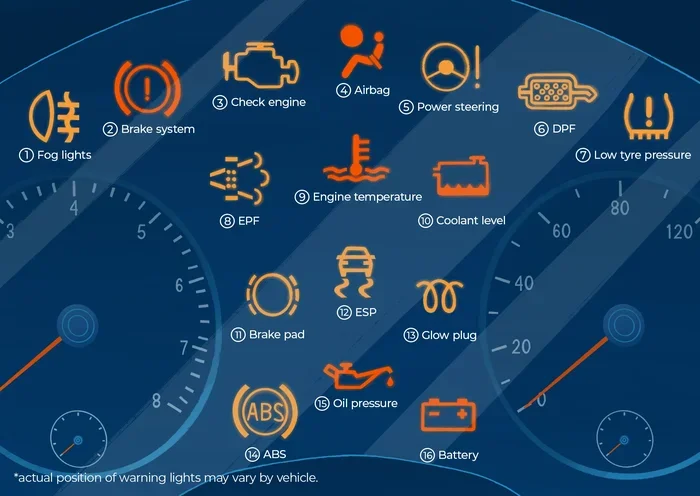
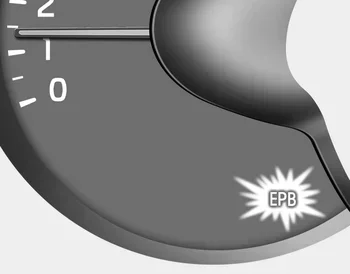
You are driving down the road, and suddenly a yellow or red light pops up on your dashboard. It looks like a circle with a “P” inside, or maybe a parking brake symbol. This is the EPB light, and it means your Electronic Parking Brake system has detected something wrong. For many drivers, this little symbol causes a spike in anxiety. You wonder, “Is my car about to break down? Is it safe to keep driving?”
The truth is, the EPB warning light can come on for many reasons. Some are minor. Some are easy to fix yourself. Others need a professional mechanic. Either way, understanding what causes the EPB light to come on gives you confidence. You will know whether to pull over right away or schedule a service appointment this weekend. This guide walks you through every common cause, every symptom, and every fix in plain language.
Your car’s parking brake system is more advanced than most people realize. It is not just a cable pulling a rear brake pad anymore. Modern vehicles use electronic controls, sensors, and small motors to engage and release the parking brake. When any part of that system fails, your car tells you through the dashboard indicator. Let us dig into what might be going on under the hood.
Key Takeaways
- Low brake fluid is the #1 culprit: A drop in fluid level often triggers the EPB warning light immediately.
- Worn brake pads send signals too: Thin pads can activate the parking brake sensor and light up your dash.
- Electrical faults matter just as much: Damaged wiring or a bad connector can cause the EPB light to stay on even when nothing is wrong mechanically.
- DIY troubleshooting can save money: Simple checks like inspecting fluid levels and resetting the system often solve the problem.
- Don’t ignore the light: Driving with the EPB light on can compromise your vehicle’s safety systems, including ABS and traction control.
- Professional diagnostics are sometimes necessary: A scan tool can read fault codes that point directly to the root cause.
- Regular brake maintenance prevents most issues: Routine checks keep the parking brake system working reliably for years.
📑 Table of Contents
- Understanding the EPB System in Your Vehicle
- Common Reasons the EPB Light Comes On
- Diagnostic Trouble Codes and What They Mean
- Step-by-Step Troubleshooting Guide
- When to See a Professional Mechanic
- Preventing the EPB Light from Coming Back
- Comparison: EPB Light Causes by Severity
- Key Takeaways
- Conclusion
Understanding the EPB System in Your Vehicle
The Electronic Parking Brake, often called EPB, replaced the traditional lever-style parking brake in most newer cars. Instead of pulling a lever or stepping on a pedal, you press a button on the console. The system uses electric motors at each rear brake caliper to engage or release the parking brake. A control module manages the entire process based on input from various sensors.
Here is how it works in simple terms. When you press the EPB button, the ECU module sends a signal to the rear brake actuators. These small motors clamp the brake pads against the rotors. When you release the button, the motors pull the pads back. The whole process happens in seconds, and your car’s computer monitors every step. If something goes wrong, the system stores a fault code and lights up the EPB warning light on your dash.
How the Parking Brake Sensor Works
Most EPB systems rely on a parking brake sensor to know whether the brake is engaged or released. This sensor talks to the vehicle stability control system and the traction control module. If the sensor detects that the parking brake is partially engaged or stuck, it triggers the warning light. The sensor also checks the position of the brake pedal and the status of the brake light switch.
Think of the EPB system like a team. Every member has to communicate properly. The sensor, the actuator, the control module, and the wiring harness all work together. If one player drops the ball, the whole team suffers. That is exactly why a single faulty wire can cause the EPB light to come on.
Common Reasons the EPB Light Comes On
Now let us get into the heart of the matter. What actually causes the EPB light to illuminate? There are several reasons, and they range from very simple to more complex. Here are the most common culprits you will encounter.
Low Brake Fluid Level
This is the number one reason the EPB warning light shows up on your dashboard. Your car’s brake system uses hydraulic fluid to transfer force from the pedal to the brakes. When the fluid level drops, the brake fluid sensor sends a signal to the computer. The computer then turns on the EPB light and sometimes the general brake warning light too.
Brake fluid can drop over time because of normal wear. As your brake pads wear down, there is more room in the brake calipers, and the fluid level drops slightly. However, if the fluid drops quickly, you may have a leak. A leak in the brake line, the master cylinder, or the wheel cylinder is a serious safety concern. Check your brake fluid reservoir under the hood. The fluid should be between the MIN and MAX marks. If it is low, top it off and have a mechanic inspect for leaks.
Worn Brake Pads
Your brake pads wear down every time you step on the brake pedal. Most modern cars have brake pad wear sensors that tell the computer when the pads are getting thin. When the pads reach a critical thickness, the system triggers a warning. In many vehicles, this warning also affects the EPB system because the two systems share sensors and control modules.
If your EPB light comes on and you hear a grinding noise when braking, your brake pads are probably worn down to the metal. Driving on worn pads damages your rotors and reduces braking power. Replace your brake pads as soon as possible. This is one of the cheapest and easiest fixes on this list.
Faulty EPB Actuator Motor
The EPB actuator motor is the electric motor that engages and releases the parking brake at each rear wheel. These small motors work hard every day. Over time, they can fail due to corrosion, wear, or electrical issues. When an actuator motor stops working, the EPB light comes on and you may hear a clicking or grinding sound from the rear of the car.
A failed actuator motor often affects one side more than the other. You might notice that the parking brake does not release fully, or it engages unevenly. In some cases, the motor just makes a whining noise when you press the button. Replacing an actuator motor costs more than a brake pad job, but it is still a straightforward repair for most mechanics.
Wiring and Electrical Issues
Your car’s wiring harness connects every sensor, motor, and control module in the EPB system. These wires run through areas exposed to road conditions, moisture, and vibration. Over time, a wire can corrode, break, or come loose. When the electrical connection between the actuator and the control module is interrupted, the EPB light turns on.
Water intrusion is a common cause of wiring problems. If you drive through deep puddles or flood water, moisture can seep into connectors behind the rear wheels. This causes short circuits or intermittent signals. A mechanic can use a diagnostic scan tool to check for electrical faults in the EPB circuit. Sometimes the fix is as simple as cleaning a corroded connector. Other times, you need to replace a damaged wire.
ABS Sensor Problems
The ABS sensor at each wheel monitors wheel speed and sends data to the car’s computer. The EPB system relies on this data to function properly. If an ABS sensor becomes dirty, damaged, or misaligned, it sends incorrect readings. The computer cannot properly control the parking brake, and the EPB warning light comes on.
ABS sensors are exposed to road grime and debris. A buildup of dirt on the sensor tip can cause intermittent faults. Cleaning the sensor often fixes the problem. If the sensor is cracked or the wiring to it is damaged, replacement is the only option. ABS sensor replacement is usually affordable, but labor costs vary depending on the vehicle model.
Brake Caliper Sticking or Seizing
The brake caliper is the component that squeezes the brake pads against the rotor. Over time, calipers can stick or seize due to rust, dirt, or worn slide pins. A stuck caliper causes the parking brake to engage unevenly or not release at all. The EPB system detects this abnormal behavior and triggers the warning light.
You might notice your car pulling to one side when braking. The affected wheel may also feel hotter than the others after driving. A stuck caliper is more than just an EPB light issue. It affects your braking performance and can cause uneven tire wear. Have a mechanic inspect your calipers if you suspect a sticking problem.
Faulty Brake Light Switch
The brake light switch is a small switch near the top of the brake pedal. It turns on your brake lights when you press the pedal and sends a signal to the car’s computer. The EPB system uses this signal to know when you are applying the brakes. If the switch fails or gets misaligned, the computer receives incorrect information and may activate the EPB warning light.
Replacing a brake light switch is usually a quick and inexpensive job. You can test it yourself by checking if your brake lights come on when you press the pedal. If the lights work but the switch still causes the EPB light, the switch may need adjustment or replacement.
Diagnostic Trouble Codes and What They Mean
When the EPB light comes on, your car’s computer stores a diagnostic trouble code, or DTC. This code is like a secret message that tells a mechanic exactly what went wrong. You can read these codes with a diagnostic scan tool, which you can buy cheaply or borrow from an auto parts store.
Common EPB-related codes include:
- C101 — EPB Motor Circuit Malfunction
- C102 — EPB Switch Fault
- C123 — Parking Brake Sensor Signal Error
- C0034 — Left Rear EPB Actuator Circuit
- C0035 — Right Rear EPB Actuator Circuit
- C0040 — Parking Brake Switch Range/Performance
Each code points to a specific part of the system. For example, a C101 code tells you the EPB motor has an electrical problem. A C123 code points to the sensor. Using a scan tool to read the code before visiting a mechanic saves time and money. You will know exactly what to discuss with the service advisor.
Expert Insight
Always clear the codes after fixing the problem. A lingering code can keep the EPB light on even after the repair is complete. Most scan tools have a “clear codes” function. Drive the car for a few cycles after clearing to confirm the light stays off.
Step-by-Step Troubleshooting Guide
If the EPB light comes on, you do not need to panic. Follow these steps to narrow down the cause before visiting a shop.
- Check the brake fluid level. Open the hood and locate the brake fluid reservoir. The fluid should be between the MIN and MAX lines. Top it off if it is low and see if the light goes out.
- Inspect your brake pads. Look through the wheel spokes at the brake pads. If they appear thin (less than 3mm), they need replacement. Worn pads often trigger the EPB system.
- Try resetting the system. In many cars, you can reset the EPB by pressing and holding the EPB button for several seconds while the car is running. Check your owner’s manual for the exact procedure.
- Use a diagnostic scan tool. Plug the tool into the OBD-II port under your dashboard. Read any stored codes and note them down. This gives you a clear direction for the repair.
- Check the wiring behind the rear wheels. Look for corroded connectors, frayed wires, or moisture around the brake components. Clean any corrosion with electrical contact cleaner.
- Visit a mechanic if the light persists. Some problems, like a failed actuator motor or internal brake damage, require professional tools and expertise.
Quick Tips
- Always refer to your vehicle’s owner manual for EPB-specific procedures.
- Keep a bottle of the correct brake fluid type in your trunk for emergencies.
- Never ignore the EPB light, even if the car seems to drive fine.
- Clean your brake components during regular tire rotations to prevent sensor contamination.
- If the light flashes instead of staying solid, it usually indicates a more urgent issue.
When to See a Professional Mechanic
Some EPB problems are easy to handle at home. Others require a trained professional. Here is when you should book a visit to the shop.
Go to a mechanic right away if you notice any of the following:
- The EPB light stays on after you check the brake fluid and reset the system.
- You hear grinding or clicking noises from the rear wheels.
- The parking brake does not release or engage properly.
- Your car pulls to one side when braking.
- The ABS light or traction control light is also on.
- You smell burning or notice smoke from a wheel.
These symptoms suggest a serious issue that could affect your safety. A brake system warning should never be taken lightly. A qualified mechanic can perform a full brake inspection, read all fault codes, and recommend the right repair. Most brake inspections cost between $50 and $100, and they can catch problems before they become expensive repairs.
Common Mistakes People Make with the EPB Light
Many drivers make avoidable mistakes when the EPB warning light appears. Here are the most common ones:
- Ignoring the light entirely. Some drivers see the EPB light and just keep driving. This can lead to brake failure or damage to other components.
- Assuming it is always a big repair. In many cases, the fix is as simple as adding brake fluid or replacing a worn sensor.
- Using the wrong brake fluid. Different cars require different fluid types (DOT 3, DOT 4, or DOT 5). Using the wrong one can damage the system.
- Attempting complex repairs without proper tools. Replacing an EPB actuator requires specialized tools and calibration. Do not attempt this without experience.
- Forgetting to reset the system after repair. Even after fixing the problem, the light may stay on until you clear the codes or complete a reset procedure.
Avoiding these mistakes saves you time, money, and stress. When in doubt, ask a professional. Brake repairs are not the place to cut corners.
Preventing the EPB Light from Coming Back
Once you have fixed the issue that caused the EPB light to come on, you want to keep it off. Regular maintenance is the best prevention. Here is what you should do.
- Check brake fluid monthly. A quick look at the reservoir takes two minutes and catches low fluid early.
- Replace brake pads on schedule. Most pads last between 30,000 and 70,000 miles. Check them during every tire rotation.
- Keep the rear wheels clean. Road grime and salt can corrode sensors and wiring. Rinse your wheels regularly, especially in winter.
- Do not ignore small warning signs. A slight clicking noise or a delayed brake response can indicate a developing problem.
- Follow the manufacturer’s maintenance schedule. Your owner’s manual lists recommended service intervals for the brake system and EPB components.
Taking care of your parking brake system extends the life of your entire braking system. It also keeps you and your passengers safe on every trip.
Comparison: EPB Light Causes by Severity
| Cause | Severity | DIY Fix? | Avg. Repair Cost |
|---|---|---|---|
| Low brake fluid | High | Yes | $15 – $50 (fluid) |
| Worn brake pads | Medium | Yes (with tools) | $100 – $300 per axle |
| Faulty EPB actuator | High | No | $200 – $500 per unit |
| Wiring/electrical fault | Medium | Sometimes | $50 – $200 |
| ABS sensor failure | Medium | Yes | $50 – $200 per sensor |
| Stuck brake caliper | High | No | $150 – $400 per caliper |
| Brake light switch fault | Low | Yes | $20 – $80 |
As you can see, some causes are simple and cheap to fix. Others require professional attention and a bigger budget. The key is to address the EPB light as soon as it appears. Delaying repairs almost always makes the problem worse and the fix more expensive.
Key Takeaways
- Low brake fluid is the #1 culprit: A drop in fluid level often triggers the EPB warning light immediately.
- Worn brake pads send signals too: Thin pads can activate the parking brake sensor and light up your dash.
- Electrical faults matter just as much: Damaged wiring or a bad connector can cause the EPB light to stay on even when nothing is wrong mechanically.
- DIY troubleshooting can save money: Simple checks like inspecting fluid levels and resetting the system often solve the problem.
- Don’t ignore the light: Driving with the EPB light on can compromise your vehicle’s safety systems, including ABS and traction control.
- Professional diagnostics are sometimes necessary: A scan tool can read fault codes that point directly to the root cause.
- Regular brake maintenance prevents most issues: Routine checks keep the parking brake system working reliably for years.
Conclusion
The EPB light is your car’s way of telling you something needs attention. It is not something to ignore or panic about. Most causes are fixable, and many are inexpensive. Whether it is low brake fluid, worn pads, a faulty sensor, or a wiring issue, you now know what to look for and what to do next.
Use the troubleshooting steps in this guide to narrow down the problem. Check your brake fluid, inspect your pads, and use a scan tool to read any stored codes. If the problem is beyond a simple fix, take your car to a trusted mechanic. Brake repairs are critical to your safety, and cutting corners on them is never worth the risk.
Remember, the Electronic Parking Brake system is designed to protect you. When the EPB warning light comes on, it is asking for your help. Listen to your car, act quickly, and keep your brakes in top shape. Your future self will thank you every time you step on the brake pedal and know it will work.
Frequently Asked Questions
Can I drive my car with the EPB light on?
You can drive short distances if the light is steady and the car feels normal, but it is not recommended. The EPB light means the parking brake system has detected a fault, and this can affect your vehicle’s stability and braking performance. Have the car inspected as soon as possible to avoid safety risks or further damage to the brake system.
How much does it cost to fix the EPB light?
The cost depends entirely on the cause. Simple fixes like adding brake fluid or replacing a sensor cost between $20 and $100. More complex repairs, like replacing an EPB actuator motor, can run from $200 to $500 per unit. Always get a diagnostic scan done first so you know exactly what needs to be fixed and can budget accordingly.
What should I do if the EPB light flashes instead of staying solid?
A flashing EPB light usually indicates a more urgent problem than a steady light. It often signals a critical fault in the parking brake system or a communication error between the ECU module and the actuators. Pull over safely, turn off the engine, and have the car towed to a repair shop if the light continues to flash.
Can cold weather cause the EPB light to come on?
Yes, cold weather can occasionally trigger the EPB light, especially if moisture gets into the wiring connectors or the brake fluid is low. Ice buildup around the rear brake components can also interfere with the actuator motor. In most cases, the light goes away once the car warms up, but you should still check the brake fluid and components if it happens repeatedly.
Does resetting the EPB system always fix the light?
No, resetting the system only clears the light temporarily if the underlying problem is still present. The EPB warning light will come back once the computer detects the fault again. Always diagnose and fix the root cause before resetting. A diagnostic scan tool helps you identify the real problem so you do not waste time on temporary fixes.
How often should I have my EPB system checked?
Most manufacturers recommend inspecting the parking brake system during every brake service or tire rotation, which is typically every 5,000 to 7,500 miles. Regular inspections catch worn components, low fluid, and electrical issues early. This proactive approach keeps the EPB light off and ensures your parking brake works reliably when you need it most.