Do Mechanics Check Transmission Fluid During an Oil Change
Most standard oil changes do not include a transmission fluid check, but many skilled mechanics will inspect it if you ask. Transmission fluid plays a vital role in keeping your gearbox cool, clean, and shifting smoothly. Understanding what happens during an oil change helps you stay proactive about car maintenance and avoid expensive repairs down the road.
You drop your car off for a routine oil change. You trust the mechanic to do a good job. But here is the question nobody asks: do mechanics check transmission fluid during an oil change? The short answer is usually no. But the longer answer is much more interesting and could save you hundreds of dollars in repair bills.
Transmission fluid is the lifeblood of your car’s gearbox. It keeps everything cool, lubricated, and running smoothly. Just like engine oil, transmission fluid degrades over time. It gets dirty, loses its viscosity, and stops performing at its best. Yet many car owners completely overlook this critical fluid until something goes wrong.
Understanding what happens during an oil change service gives you the power to take better care of your vehicle. It also helps you avoid costly transmission repair cost down the road. In this article, we will break down everything you need to know. You will learn what mechanics typically do during an oil change, why transmission fluid matters, and how to make sure your car gets the care it deserves.
Key Takeaways
- Standard oil changes typically skip the transmission fluid check unless specifically requested.
- Transmission fluid is a separate service from engine oil, and each has its own maintenance schedule.
- Asking your mechanic to check transmission fluid during an oil change takes only a few extra minutes.
- Dirty or low transmission fluid can cause serious drivetrain damage if left unchecked.
- Automatic and manual transmissions have different fluid needs and check procedures.
- Regular transmission fluid checks can extend the life of your vehicle significantly.
- Knowing your car’s service interval empowers you to have smarter conversations with your mechanic.
📑 Table of Contents
- What Happens During a Standard Oil Change?
- Why Transmission Fluid Matters So Much
- Do Mechanics Check Transmission Fluid During an Oil Change?
- How Often Should You Check Transmission Fluid?
- The Benefits of Asking Your Mechanic to Check Transmission Fluid
- Common Mistakes Car Owners Make With Transmission Fluid
- How Transmission Fluid Checks Save You Money
- What to Expect During a Transmission Fluid Change
- Final Thoughts
What Happens During a Standard Oil Change?
When you book an oil change service, you generally expect a few standard steps. The mechanic drains the old engine oil, replaces the oil filter, and adds fresh oil. This process usually takes about 15 to 30 minutes. It is quick, straightforward, and essential for engine health.
But what about everything else? A basic oil change focuses on the engine. It does not automatically include a full vehicle inspection. Some shops offer a multi-point check as part of the service. This may include checking tire pressure, brake pads, coolant levels, and windshield washer fluid. However, transmission fluid is often left out of the standard checklist.
Why Transmission Fluid Gets Overlooked
There are a few reasons why mechanics skip the transmission fluid check during a routine oil change. First, engine oil changes are the most common service. Shops are built around speed and efficiency for this task. Second, many modern cars have sealed transmission systems. The manufacturer claims these do not need regular fluid changes. Third, some service centers operate on tight schedules and simply do not have time to check every single fluid.
Here is the thing though. Even sealed transmissions can develop problems. Fluid breaks down. Seals wear out. Small leaks develop over time. Skipping the transmission fluid check means missing early warning signs of trouble.
Why Transmission Fluid Matters So Much
Think of transmission fluid like the grease in a hinge. Without it, metal grinds against metal. Parts wear out fast. Your transmission is one of the most expensive components to repair or replace. A rebuilt transmission can cost anywhere from $1,800 to $3,500. Preventive maintenance is always cheaper than reactive repair.
The Role of Transmission Fluid
Transmission fluid does several important jobs in your vehicle. It acts as a lubricant for all the moving parts inside the gearbox. It serves as a hydraulic fluid that helps your car shift gears smoothly. It also cools the transmission by carrying heat away from the internal components.
When the fluid is clean and at the right level, everything works beautifully. When it gets old or low, problems start to build. You might notice rough shifting, slipping gears, or strange noises. In worst-case scenarios, the transmission can fail completely.
Automatic vs. Manual Transmission Fluid
Not all transmission fluid is the same. Automatic transmission fluid, or ATF, is designed for vehicles with automatic gearboxes. It has specific additives that help with hydraulic pressure and smooth shifting. Manual transmission fluid is different. Many manual cars use gear oil or even engine oil instead of a dedicated ATF.
Knowing which type your car uses matters a lot. Using the wrong fluid can cause serious damage. Always check your owner’s manual or ask your mechanic before any fluid service.
Do Mechanics Check Transmission Fluid During an Oil Change?
Now let us get to the heart of the matter. Do mechanics check transmission fluid during an oil change? In most cases, the answer is no. A standard oil change appointment focuses on the engine oil and filter. The transmission fluid sits in a different part of the vehicle and requires a separate check.
However, this does not mean your mechanic is ignoring it. Many experienced technicians will glance at the transmission fluid level if they can easily access the dipstick. Some shops include a fluid top-off as a courtesy. But you should never assume this is happening. The best approach is to ask directly.
When Mechanics Do Check Transmission Fluid
There are situations where a mechanic will check transmission fluid during an oil change. If you request it, most shops will be happy to comply. It takes only a few extra minutes. Some full-service maintenance centers include a transmission inspection as part of a larger package deal. If you book a comprehensive service instead of a basic oil change, the odds are much higher that your transmission fluid gets checked.
Also, if your check engine light is on or you have mentioned transmission concerns, a good mechanic will investigate the fluid. They will look at the color, smell, and level. Dark, burnt-smelling fluid is a red flag. Bright red fluid that smells sweet is generally a good sign.
What a Transmission Fluid Check Looks Like
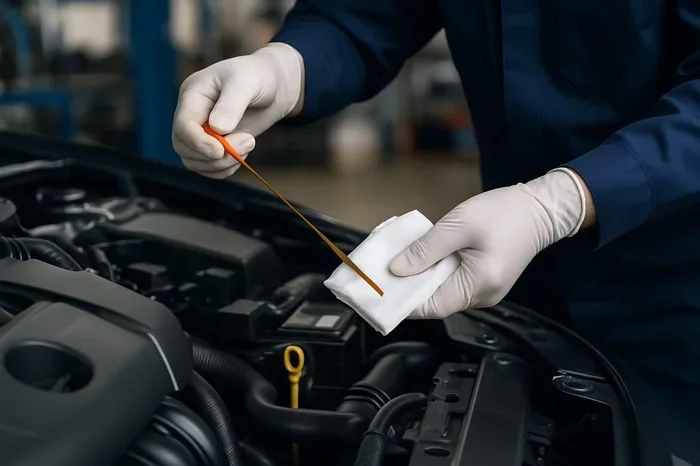
A transmission fluid check is a simple process for most vehicles. The mechanic pulls the transmission dipstick, wipes it clean, reinserts it, and then pulls it out again to read the level. They also examine the fluid’s color and condition.
For vehicles without a dipstick, the process is a bit different. The mechanic may need to lift the car and check a fill plug on the transmission housing. This takes a little more time but is still a straightforward procedure.
How Often Should You Check Transmission Fluid?
Most car manufacturers recommend checking transmission fluid at least once every 30,000 to 60,000 miles. However, this varies based on your driving habits, climate, and vehicle type. If you tow heavy loads or drive in stop-and-go traffic, you should check the fluid more frequently.
Signs Your Transmission Fluid Needs Attention
Your car will give you warning signs when the transmission fluid is not in good shape. Watch for these common symptoms:
- Slipping gears — the car unexpectedly shifts or feels like it is struggling to stay in gear.
- Delayed shifting — there is a noticeable pause before the car engages a gear.
- Rough or jerky movements — the shifts feel harsh or uncomfortable.
- Dark or burnt-smelling fluid — healthy fluid is bright red and smells slightly sweet.
- Fluid leaks — puddles of reddish fluid under your parked car.
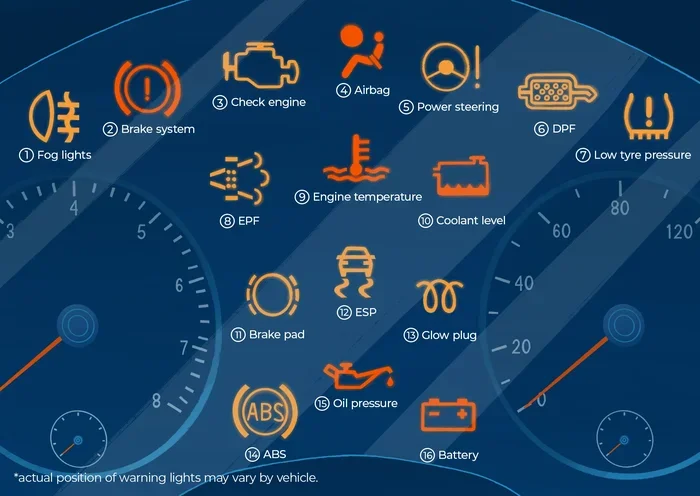
- Warning lights — the check engine light or transmission warning light illuminates on the dashboard.
If you notice any of these signs, get your transmission fluid level checked right away. Ignoring these symptoms can lead to major transmission repair cost that could have been prevented with simple maintenance.
The Benefits of Asking Your Mechanic to Check Transmission Fluid
Here is a practical tip that every car owner should follow. When you book an oil change service, ask the mechanic to check the transmission fluid too. It is a small request that can pay off big time.
Why This Simple Request Matters
Asking for a transmission fluid check shows that you are an informed car owner. Mechanics appreciate customers who take an interest in their vehicle. It also opens the door for an honest conversation about your car’s overall health. Your mechanic may spot issues you would never notice on your own.
Think of it this way. You would not skip an oil change just because it seems like a small task. The same logic applies to transmission fluid. It is a small check that can prevent a massive headache later.
Quick Tips for Your Next Oil Change Visit
Here are some practical tips to make the most of your next visit to the shop:
- Call ahead and ask if the service includes a transmission fluid inspection.
- Mention any concerns you have about shifting, noises, or performance.
- Ask for a visual inspection of all your vehicle’s fluids, not just engine oil.
- Keep a maintenance log that tracks every fluid check and service date.
- Request a copy of the inspection report so you have a record of what was checked.
These simple steps take almost no extra time. They give you peace of mind and help your mechanic catch problems early.
Common Mistakes Car Owners Make With Transmission Fluid
Many car owners make mistakes when it comes to transmission fluid maintenance. Avoiding these errors can save you time, money, and stress.
Mistake 1: Assuming the Mechanic Will Check Everything
This is the most common mistake. Most car owners assume that a full vehicle inspection happens during every service. In reality, mechanics focus on what you ask them to do and what the service package includes. If you want the transmission fluid checked, you need to say so.
Mistake 2: Ignoring the Owner’s Manual
Your car’s owner manual contains the manufacturer’s recommended service intervals for every fluid. Skipping this resource means you might miss important maintenance windows. Every vehicle is different, and following the manual ensures you get the right care at the right time.
Mistake 3: Waiting for Problems Before Checking Fluid
Too many car owners wait until something goes wrong before checking the transmission fluid. By that point, damage may already be done. Regular checks during your vehicle maintenance schedule help you catch issues early when they are still inexpensive to fix.
Mistake 4: Using the Wrong Fluid Type
Not all gearbox fluid is compatible with every transmission. Using the wrong type can cause poor performance, overheating, and internal damage. Always verify the correct fluid specification before any top-off or change.
Mistake 5: Skipping a Transmission Fluid Change
Some car owners check the fluid level but never actually change it. Over time, contaminants build up in the fluid. It loses its ability to lubricate and cool effectively. A full transmission fluid change at the recommended interval keeps your gearbox running like new.
How Transmission Fluid Checks Save You Money
Prevention is always cheaper than cure. This is especially true when it comes to transmission maintenance. A simple fluid check costs very little. A transmission rebuild costs thousands of dollars. The math is clear.
Regular fluid checks help you catch small problems before they become big ones. A minor leak gets fixed for $50 instead of turning into a $3,000 repair. Old fluid gets changed for $150 instead of causing internal wear that requires a full rebuild.
Many mechanics offer powertrain maintenance packages that include transmission fluid checks. These bundles are often a great value. They give you comprehensive coverage at a lower price than paying for each service individually.
Expert Insight
According to automotive experts, most transmission failures are preventable. Regular fluid checks and timely changes are the single most effective way to extend the life of your transmission. A well-maintained transmission can last the entire life of the vehicle. A neglected one might fail by 80,000 miles.
The key is consistency. Make transmission fluid checks part of your regular car maintenance routine. Pair it with your oil changes so you never forget. Your future self will thank you when your car keeps running smoothly for years to come.
What to Expect During a Transmission Fluid Change
If your mechanic finds that your transmission fluid needs to be changed, what happens next? The process is straightforward and not overly expensive for most vehicles.
First, the mechanic drains the old fluid from the transmission pan. They replace the transmission filter if your vehicle has one. Then they refill the system with fresh, manufacturer-recommended fluid. The entire process typically takes one to two hours.
The cost varies depending on your vehicle and location. A basic transmission fluid change usually costs between $100 and $250. A full transmission flush can range from $200 to $400. Both options are significantly cheaper than a transmission rebuild or replacement.
After the fluid change, your car should shift more smoothly. You might notice better acceleration and a quieter ride. These improvements are a great sign that the fresh fluid is doing its job.
Final Thoughts
So, do mechanics check transmission fluid during an oil change? Usually not by default. But that does not mean you should skip this important check. Your car’s transmission works hard every time you drive. It deserves the same attention you give your engine oil.
The next time you visit a shop for an oil change service, make it a habit to ask about the transmission fluid level. It is a small request that makes a big difference. You will feel more confident knowing your vehicle is getting thorough care. You will also build a stronger relationship with your mechanic based on open communication and shared responsibility.
Stay proactive about your car maintenance. Check your fluids regularly. Follow your owner’s manual guidelines. And never underestimate the power of a simple question. Asking do mechanics check transmission fluid during an oil change is the first step toward becoming a smarter, more informed car owner. Your wallet and your vehicle will both benefit from this simple habit.
Take charge of your vehicle’s health today. Your transmission will thank you for years to come.
Frequently Asked Questions
Is transmission fluid check included in a standard oil change?
In most cases, no. A standard oil change focuses on engine oil and filter replacement. Transmission fluid is a separate service. However, many mechanics will check it if you specifically ask. Always confirm with your service center before dropping off your vehicle.
How much does a transmission fluid check cost?
A transmission fluid check is usually free if it is part of a service visit. Many shops include basic fluid inspections at no extra charge. If you need a fluid change or top-off, the cost typically ranges from $100 to $400 depending on the type of service and your vehicle model.
What color should healthy transmission fluid be?
Healthy transmission fluid is bright red and translucent. It should have a slightly sweet smell. If the fluid looks dark brown or black, or if it smells burnt, it needs to be changed. These are clear signs that the fluid has degraded and is no longer protecting your transmission effectively.
Can low transmission fluid cause damage?
Yes, absolutely. Low transmission fluid causes increased friction and heat inside the gearbox. This can lead to worn gears, slipping, and eventually complete transmission failure. Checking your fluid level regularly is one of the easiest ways to prevent expensive damage.
How often should transmission fluid be changed?
Most manufacturers recommend changing transmission fluid every 30,000 to 60,000 miles. However, this varies by vehicle, driving conditions, and fluid type. If you tow heavy loads or drive in stop-and-go traffic, you may need to change it more often. Always refer to your owner’s manual for the specific interval.
Can I check my own transmission fluid?
Yes, many vehicles have a transmission dipstick that you can access yourself. Park your car on a level surface, let the engine warm up, and locate the dipstick. Pull it out, wipe it clean, reinsert it, and pull it out again to read the level. If your car does not have a dipstick, consult a professional mechanic for the proper checking procedure.
=== CONCLUSION ===
Do mechanics check transmission fluid during an oil change? The answer depends on the shop, the service package, and whether you ask. Most standard oil changes do not include a transmission fluid check. But that should not stop you from requesting one. Taking a proactive approach to your vehicle’s maintenance saves money, prevents major repairs, and keeps your car running at its best. Make it a habit to ask about every fluid at every service visit. Your car will reward you with years of reliable performance.