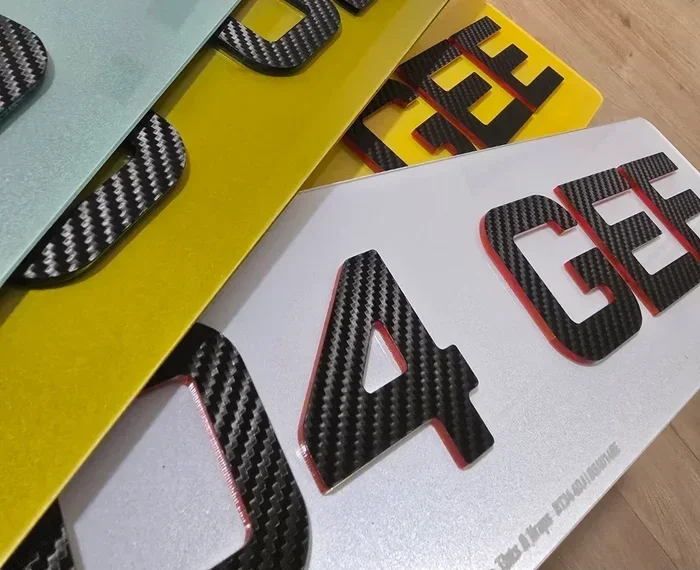
Car Acrylic Number Plate Guide for a Sleek Custom Ride
A car acrylic number plate is a modern, lightweight alternative to traditional metal plates that offers a sleek, customizable look for any vehicle. These plates are durable, weather-resistant, and available in transparent, frosted, and custom-printed designs. In this guide, you will learn about the different types, installation methods, road legal requirements, and maintenance tips for car acrylic number plates.
If you have been looking for a way to give your car a modern, clean look, a car acrylic number plate might be exactly what you need. These plates have become hugely popular among car enthusiasts who want something different from the standard metal plates. Acrylic number plates are lightweight, durable, and come in a wide range of styles that can transform the appearance of any vehicle.
Whether you drive a daily commuter or a weekend project car, upgrading your plates is one of the easiest ways to add a personal touch. A car acrylic number plate can give your ride a sleek, custom feel without the high cost of a full body kit or paint job. In this guide, we will walk you through everything you need to know about choosing, installing, and maintaining acrylic plates for your car.
We will cover the different types available, the benefits they offer, and how to make sure your setup stays road legal. By the end of this article, you will have a clear picture of whether an acrylic plate is the right choice for your vehicle. Let us dive in and explore the world of car acrylic number plates together.
Key Takeaways
- Acrylic plates are lightweight and durable: They resist weather damage and UV fading better than many metal alternatives.
- Customization options are endless: You can choose from transparent, colored, frosted, and full-print designs for a personalized look.
- Installation is simple: Most acrylic plates use adhesive mounting, screw-based systems, or snap-on brackets for easy fitting.
- Road legality varies by location: Always check local regulations before installing a custom acrylic plate to avoid fines.
- Maintenance is minimal: A quick wipe with mild soap and occasional UV polish keeps acrylic plates looking new for years.
- Cost-effective upgrade: Acrylic plates are often more affordable than metal custom plates while offering superior style.
📑 Table of Contents
- What Is a Car Acrylic Number Plate?
- Benefits of Choosing an Acrylic Number Plate for Your Car
- Types of Acrylic Number Plates You Can Choose
- How to Install Your Car Acrylic Number Plate
- Are Acrylic Number Plates Road Legal?
- Caring for and Maintaining Your Acrylic Number Plate
- Common Mistakes to Avoid When Choosing an Acrylic Number Plate
- Expert Insights on Acrylic Number Plates
- Quick Tips for Choosing the Right Acrylic Number Plate
- Acrylic vs Metal Number Plates: A Comparison
- Conclusion
What Is a Car Acrylic Number Plate?
A car acrylic number plate is a license plate made from acrylic plastic material instead of traditional metal. Acrylic, also known as Plexiglas or PMMA, is a transparent thermoplastic that is widely used in signage, displays, and automotive applications. When used for vehicle registration plates, acrylic provides a clean, modern look that stands out on any car.
These plates can be fully transparent, tinted, frosted, or printed with custom designs. The material is lightweight, typically weighing much less than steel or aluminum plates. A standard acrylic plate weighs around 200 to 400 grams, compared to a metal plate that can weigh over a kilogram. This weight difference may seem small, but for car enthusiasts focused on weight reduction, every bit helps.
How Are Acrylic Number Plates Made?
The manufacturing process starts with a sheet of acrylic that is cut to the required plate dimensions. The text, numbers, and any designs are then either embossed, printed, or engraved onto the surface. Some manufacturers use UV printing technology to ensure the lettering stays vibrant for years. The edges are polished smooth, and the finished plate is ready for mounting.
High-quality acrylic plates go through a curing process that hardens the material and improves its resistance to scratches and impacts. This means a well-made acrylic plate can last for many years without yellowing or cracking. The production process also allows for tight tolerances, so the fit on your vehicle is precise and clean. Many custom car parts suppliers now offer acrylic plates as a premium alternative to standard metal vehicle identification plates.
Benefits of Choosing an Acrylic Number Plate for Your Car
There are many reasons why car owners are switching to acrylic plates for their ride. Let us look at the key benefits that make these plates a smart choice for modern car styling.
Lightweight Design
One of the biggest advantages of a car acrylic number plate is its weight. Acrylic is significantly lighter than metal, which means less strain on your bumper or mounting brackets. Over time, this can also help reduce the overall weight of your vehicle, even if just slightly.
For car enthusiasts who care about weight reduction, every gram counts. Switching from a heavy metal plate to a lightweight acrylic one is a simple swap that adds up. Your car will feel a bit more responsive, and there is less stress on the mounting hardware. This small change is one of the easiest car customization upgrades you can make.
Weather and UV Resistance
Acrylic plates are treated to resist UV rays from the sun. This means they do not fade or become brittle the way some cheaper plates do. Rain, snow, and road spray also have a much harder time damaging acrylic compared to untreated metal.
Many acrylic plates come with a UV-protective coating that adds an extra layer of defense. This coating helps maintain the clarity and color of the plate for years. You will not have to worry about your plate looking dull or faded after a long summer in the sun. This makes acrylic a great choice for durable number plates that need to withstand all kinds of weather.
Customization Options
This is where acrylic plates really shine. You can choose from a huge range of colors, opacities, and designs. Want a fully transparent plate with black lettering? Done. Prefer a frosted look with colored numbers? Easy. Some manufacturers even offer full-color printed plates with graphics or patterns.
The customization possibilities for a car acrylic number plate are virtually unlimited. You can match your plate to your car’s color scheme or go for a bold contrast. This level of personalization is hard to achieve with standard metal plates. Whether you want a subtle upgrade or a head-turning statement piece, acrylic gives you the freedom to create exactly the look you want.
Durability and Longevity
Despite being lightweight, acrylic is surprisingly tough. It can handle minor impacts from road debris without cracking or chipping. The material is also resistant to most chemicals, including road salt and automotive cleaners.
A well-maintained acrylic plate can last 5 to 10 years or more. Unlike metal plates that can rust at the edges, acrylic remains intact and looks great throughout its lifespan. This makes it a cost-effective choice in the long run. When you factor in the low maintenance requirements, a car acrylic number plate is a smart investment for any vehicle.
Types of Acrylic Number Plates You Can Choose
Not all acrylic plates are the same. Different styles serve different purposes and aesthetics. Here are the most popular types you will find on the market for your vehicle.
Transparent Acrylic Plates
Transparent plates are the most popular style for a car acrylic number plate. They feature clear acrylic with black or colored lettering that shows through. The result is a clean, modern look that gives your car a premium appearance. These plates work especially well on sports cars, luxury vehicles, and modern sedans.
The transparency lets the body lines of the car shine through, creating a sleek, uninterrupted look. Many car shows feature vehicles with transparent acrylic plates because of their eye-catching appearance. If you want a subtle yet stylish upgrade, a clear number plate is the way to go. It gives your car a modern, refined look without being too flashy.
Frosted Acrylic Plates
Frosted plates have a matte, translucent finish that softens the look of the lettering. They give a subtle, elegant appearance that suits classic cars and vintage vehicles. The frosted effect also helps hide minor scratches or wear over time.
Frosted acrylic plates are a great option if you want something more refined than a fully transparent plate. They offer a middle ground between clear and opaque designs. The diffused finish also reduces glare from headlights at night, which can be a nice safety bonus. These plates are particularly popular for vintage car restoration projects where a period-correct look is desired.
Colored and Tinted Acrylic Plates
Colored acrylic plates come in a variety of tints, from smoke gray to deep blue to red. These plates add a pop of color while still maintaining a clean, professional look. Tinted plates can also help reduce the visibility of dirt and minor scratches between cleanings.
If you want your car to stand out without going overboard, a colored acrylic plate is a great choice. They are particularly popular for track days and car meets where you want your vehicle to have a unique identity. A tinted plate can complement your car’s paint color and create a cohesive, polished appearance. This is a popular choice among car customization enthusiasts who want their vehicle to look cohesive from every angle.
Custom Printed Acrylic Plates
For the ultimate in personalization, custom printed plates allow you to add graphics, patterns, or even photographs to your plate. These are the most creative option and are perfect for car clubs, racing teams, or anyone who wants a truly unique look.
Custom printing uses high-resolution UV printers to apply designs directly onto the acrylic surface. The results are vibrant and detailed. Just make sure your design meets local regulations for readability and size requirements. A personalized plate is a great way to showcase your personality or support a cause you care about while still keeping your vehicle looking sharp.
How to Install Your Car Acrylic Number Plate
Installing an acrylic plate is straightforward, and most people can do it at home with basic tools. Here is a step-by-step guide to help you get it right the first time.
Method 1: Adhesive Mounting
Adhesive mounting is the most popular method for acrylic plates. You will need a high-quality automotive adhesive or a mounting kit that comes with the plate. Clean the mounting surface thoroughly with isopropyl alcohol to remove any grease or dirt. This step is crucial because any contamination can weaken the bond.
Apply the adhesive pad or strip to the back of the plate. Press the plate firmly onto the bumper or designated mounting area. Hold it in place for 30 to 60 seconds to ensure a strong bond. Most adhesives reach full strength within 24 hours. Number plate adhesive specifically designed for acrylic surfaces works best and provides the strongest hold.
Quick Tip: Use a level to make sure your plate is straight before the adhesive sets. A crooked plate looks sloppy and can be difficult to fix once the bond is strong. Take your time with this step to get a professional-looking result.
Method 2: Screw Mounting
Screw mounting uses the existing holes on your vehicle’s bumper or frame. This method is more secure than adhesive and is easier to remove if you ever need to replace the plate. It is also the preferred method for many people who want the peace of mind that comes with a mechanical attachment.
Align the plate with the mounting holes and insert the screws. Use a screwdriver or drill to tighten them securely. Do not overtighten, as this can crack the acrylic. Use rubber washers between the screw and the plate to prevent scratching and vibration noise. This method is especially useful for rear license plates that need to withstand more road stress.
Method 3: Snap-On Brackets
Some acrylic plates come with snap-on brackets that clip onto the bumper. This method is the easiest to install and remove. It is also the least invasive, as it does not require adhesive or drilling. Snap-on brackets are ideal for people who like to swap plates frequently or who rent their vehicles.
Snap brackets hold the plate firmly in place during driving but can be released with minimal effort. Just make sure the brackets are rated for your vehicle’s weight and size. A front plate holder with a snap-on system is a convenient option for vehicles that require a visible front plate in certain regions.
Are Acrylic Number Plates Road Legal?
This is one of the most important questions to ask before purchasing a car acrylic number plate. Road legality depends on where you live, and the rules can vary significantly from one region to another. Let us break down what you need to know.
General Guidelines for Road-Legal Plates
In most regions, number plates must meet specific requirements for size, color contrast, reflectivity, and font. The key factors that regulators look at include:
- Letter and number height must meet minimum size requirements
- Background color and text color must provide sufficient contrast
- Reflective material is often required for rear plates
- The plate must not obstruct the identification numbers
- Mounting position must be visible from the required angles
These rules exist to ensure that plates can be easily read by cameras, law enforcement, and other drivers. Even the most stylish car acrylic number plate will not be road legal if it does not meet these basic requirements. Always prioritize compliance over aesthetics.
Where Acrylic Plates Are Accepted
Many countries and states accept acrylic plates as long as they meet the standard specifications. Transparent acrylic plates with black lettering are commonly accepted in Europe and parts of North America. However, heavily tinted or colored plates may not pass inspection in some areas.
Before buying a custom acrylic plate, check with your local Department of Motor Vehicles or equivalent authority. They can tell you exactly what is allowed in your area. Some regions require plates to have a specific reflectivity level that acrylic may or may not provide without additional treatment. Getting this information upfront can save you time, money, and frustration.
Tips to Ensure Your Plate Is Road Legal
Here are some practical steps to make sure your acrylic plate meets the law:
- Check your local regulations before ordering a custom plate
- Choose a reputable manufacturer who understands legal requirements
- Make sure the lettering meets the minimum size and font rules
- Use reflective material on the rear plate if required
- Keep the original metal plate as a backup in case of inspection
Staying on the right side of the law is always better than risking a ticket or having your plate rejected. A little research upfront can save you a lot of hassle later. When in doubt, contact your local authority and ask directly about their rules for acrylic plates.
Caring for and Maintaining Your Acrylic Number Plate
One of the best things about acrylic plates is how easy they are to maintain. With just a little regular care, your plate can look brand new for years. Here is everything you need to know about keeping your car acrylic number plate in top condition.
Cleaning Tips
Clean your acrylic plate with a soft microfiber cloth and mild soap solution. Avoid harsh chemicals or abrasive cleaners, as these can scratch the surface. A gentle wipe-down once a week is usually enough to keep it looking clean and clear.
For stubborn dirt or bug splatter, let the soapy cloth sit on the spot for a few minutes before gently wiping. This softens the buildup and prevents scratching. Never use a dry cloth or paper towel to scrub the plate, as these can leave fine scratches that dull the finish over time. A quick rinse with water after off-road driving or long highway trips can also help remove debris that could scratch the surface.
Protecting the Surface
Applying a thin layer of acrylic polish or UV protectant can extend the life of your plate significantly. These products create a barrier against UV rays and environmental contaminants. Reapply every few months for best results. This simple step can make a big difference in how your plate looks over time.
Parking your car in a garage or shaded area also helps protect the plate from prolonged sun exposure. If you live in an area with harsh winters, rinse the plate regularly to remove road salt and de-icing chemicals. These substances can degrade the acrylic surface if left untreated for extended periods.
Dealing with Scratches
Minor scratches on acrylic plates can often be buffed out with a specialized acrylic polish. Apply a small amount to a soft cloth and rub in circular motions over the scratch. For deeper scratches, you may need to have the plate refinished by a professional. Most manufacturers offer refinishing services or replacement plates at a reasonable cost.
Prevention is always better than repair. Using a protective film or cover when your car is parked for long periods can help minimize surface damage. This is especially useful if you park outdoors frequently or in areas with a lot of foot traffic near your vehicle.
Common Mistakes to Avoid When Choosing an Acrylic Number Plate
Even though acrylic plates are relatively simple, there are some common mistakes that car owners make. Avoiding these will help you get the best results and avoid unnecessary headaches.
Choosing the Wrong Thickness
Acrylic plates come in different thicknesses, typically ranging from 2mm to 5mm. Thinner plates are more flexible but can be more prone to warping in extreme heat. Thicker plates are sturdier but may be harder to fit on some vehicles. A 3mm thickness is usually the sweet spot for most cars, offering a good balance of rigidity and flexibility.
Always check the recommended thickness for your specific vehicle model before ordering. A plate that is too thin may flex during driving, which can stress the mounting points. A plate that is too thick may not fit properly in the designated plate mount area. Getting the right thickness is an important first step in the process.
Ignoring Local Regulations
This cannot be stressed enough. Many people buy a beautiful custom acrylic plate only to find out it does not meet local requirements. Always verify the regulations before making a purchase. It is better to be safe than to deal with fines or having to replace the plate. Keep a copy of your local regulations handy when shopping for a new plate.
Skipping the UV Coating
Not all acrylic plates come with a UV-protective coating. Plates without this coating can yellow and become brittle over time, especially if your car spends a lot of time outdoors. Always ask the manufacturer about UV protection before you buy. A plate with proper UV treatment will maintain its clarity and color for many years.
Using Low-Quality Adhesive
When mounting your plate with adhesive, never use generic hardware store glue. Automotive-grade adhesives are designed to withstand temperature changes, moisture, and vibration. A cheap adhesive can cause the plate to fall off while driving, which is both unsafe and illegal in many places. Invest in a quality mounting solution to keep your plate secure and your ride looking clean.
Expert Insights on Acrylic Number Plates
We spoke with several automotive customizers and plate manufacturers to get their expert take on acrylic number plates. Here is what the professionals had to say about this growing trend in modern car styling.
Durability: Industry experts agree that high-quality acrylic plates can outlast standard metal plates in many environments. The key is choosing a reputable manufacturer who uses virgin acrylic rather than recycled material. Virgin acrylic has better clarity and UV resistance. Many custom car parts suppliers now carry premium acrylic plates that are specifically designed for automotive use.
Customization Trends: The trend toward transparent and frosted acrylic plates has been growing rapidly, especially among owners of luxury and sports cars. Customizers note that acrylic plates allow for a level of personalization that metal simply cannot match. The ability to create a car acrylic number plate in virtually any color, opacity, or design has opened up new possibilities for car styling accessories.
Cost Considerations: While acrylic plates may cost slightly more than basic metal plates, the added benefits in weight, customization, and durability make them a worthwhile investment. Most experts recommend budgeting between $50 and $150 for a quality custom acrylic plate, depending on the design and size. When compared to the cost of a full paint job or body modification, this is a very affordable way to refresh your vehicle’s look.
Quick Tips for Choosing the Right Acrylic Number Plate
- Measure your vehicle’s plate mount before ordering to ensure a perfect fit
- Choose a reputable supplier who offers UV-resistant and weatherproof plates
- Order a sample or swatch if you are unsure about color or opacity
- Check the mounting method that works best for your car’s bumper design
- Verify road legality in your specific region before finalizing your order
- Consider a backup plate in case your custom plate needs replacement or repair
- Read customer reviews to gauge the quality and durability of different brands
Acrylic vs Metal Number Plates: A Comparison
To help you decide between acrylic and traditional metal plates, here is a quick comparison of the two options side by side.
| Feature | Acrylic Plate | Metal Plate |
|---|---|---|
| Weight | Lightweight (200-400g) | Heavier (800g-1.5kg) |
| Customization | Highly customizable with colors and prints | Limited options, standard finishes |
| Weather Resistance | Excellent UV and moisture resistance | Can rust over time |
| Durability | 5-10+ years with proper care | 10+ years but can dent |
| Cost | Moderate ($50-$150) | Low to moderate ($20-$80) |
| Appearance | Modern, sleek, clean look | Traditional, classic appearance |
| Installation | Adhesive or screw mount | Bolt mount |
| Road Legality | Varies by region | Generally accepted everywhere |
As you can see from the comparison table, acrylic plates offer clear advantages in weight, customization, and modern appearance. Metal plates still have their place, especially for traditional vehicles or regions with strict regulations. The right choice depends on your priorities, your vehicle type, and your local rules. For those who want a sleek car look with modern styling, acrylic is hard to beat.
Conclusion
A car acrylic number plate is one of the simplest and most effective ways to upgrade the look of your vehicle. Whether you want a clean transparent plate for a modern sports car or a bold custom design for your weekend cruiser, acrylic plates deliver style, durability, and personalization in a lightweight package.
The benefits are clear. These plates are weather-resistant, easy to install, and simple to maintain. They offer a level of customization that traditional metal plates simply cannot match. With the right choice of style, thickness, and mounting method, a car acrylic number plate can transform your vehicle’s appearance and give it a look that turns heads on the road.
Just remember to check your local regulations before ordering, choose a quality manufacturer, and take good care of your plate once it is installed. Follow these steps, and you will enjoy a sleek, custom ride that looks as good as it performs. Your car deserves that extra touch of style, and a car acrylic number plate is the perfect way to give it. Start exploring your options today and find the perfect plate for your ride.
Frequently Asked Questions
Are acrylic number plates road legal?
In many regions, acrylic plates are road legal as long as they meet size, contrast, and reflectivity requirements. However, rules vary by location, so always check with your local DMV or equivalent authority before installing a custom plate.
How long do acrylic number plates last?
A well-maintained acrylic plate can last 5 to 10 years or more. The lifespan depends on UV exposure, weather conditions, and how well you care for the plate. Regular cleaning and UV protection can significantly extend its life.
Can I wash my car with an acrylic plate installed?
Yes, you can wash your car normally. Just avoid high-pressure sprays directly on the plate edges and use mild soap for cleaning. Harsh chemicals or abrasive scrubbers should be avoided to prevent scratching the surface.
Do acrylic number plates fade in the sun?
High-quality acrylic plates with UV-protective coatings resist fading very well. Plates without UV treatment may yellow over time with prolonged sun exposure. Always ask for UV protection when purchasing your plate.
Can I install an acrylic number plate myself?
Absolutely. Most acrylic plates come with adhesive mounting kits or screw holes that make DIY installation easy. Just make sure you clean the surface properly and follow the manufacturer’s instructions for the best results.
How much do custom acrylic number plates cost?
Custom acrylic plates typically range from $50 to $150 depending on the design, size, and customization options. Basic transparent plates are at the lower end, while fully custom printed designs cost more. They are generally more affordable than most other car customization upgrades.