Understanding Car Charges Per Km and How to Save Money
Car charges per km add up fast, but understanding them gives you real control over your budget. This guide breaks down every cost involved in driving, from fuel to maintenance, and shows you how to lower your cost per kilometer starting today.
Key Takeaways
- Know your baseline: Calculating car charges per km helps you budget accurately and avoid surprise expenses.
- Fuel dominates costs: Gas or diesel typically makes up 40-60% of your total per-km expense.
- Maintenance matters: Regular servicing reduces long-term vehicle running costs significantly.
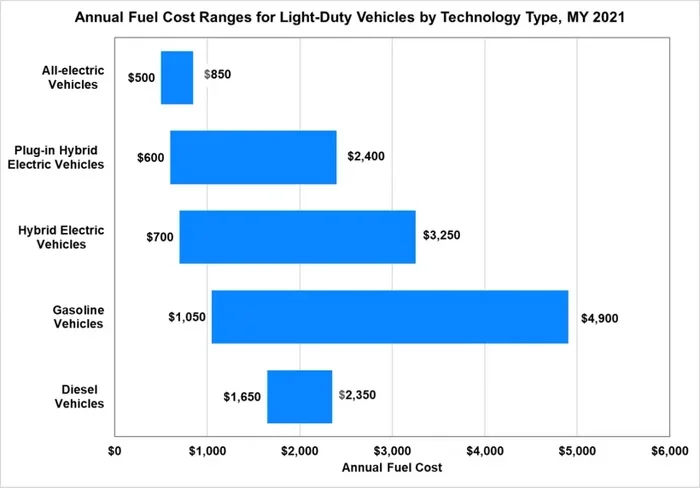
- EVs can save money: Electric vehicle charging costs are often lower than traditional fuel costs per kilometer.
- Small habits add up: Smooth driving, proper tire pressure, and smart route planning cut your mileage expenses fast.
- Don’t ignore hidden costs: Insurance, depreciation, and toll charges all factor into your true cost of driving.
📑 Table of Contents
- What Are Car Charges Per Km?
- How to Calculate Your Car Charges Per Km
- Factors That Affect Your Cost Per Kilometer
- Electric vs. Gas: Comparing Car Charges Per Km
- Practical Tips to Reduce Car Charges Per Km
- Common Mistakes When Calculating Car Charges Per Km
- Conclusion: Take Control of Your Car Charges Per Km
What Are Car Charges Per Km?
Every time you turn the key and pull out of the driveway, money starts leaving your wallet. Car charges per km refer to the total cost you spend for every single kilometer you drive. It is not just about fuel. It covers a wide range of expenses that come with owning and operating a vehicle.
Think of it this way. You pay for gas. You pay for insurance. You pay for maintenance. You even pay for the gradual loss in your car’s value. When you add all of that up and divide it by the distance you drive, you get your cost per kilometer. This number is one of the most useful tools for any driver who wants to take control of their finances.
Understanding your driving costs per km helps you make smarter decisions. Should you keep your old car or buy a new one? Is it cheaper to drive or take the train? Should you switch to an electric vehicle? All of these questions start with knowing your numbers. Let us walk through everything you need to know.
Why Knowing Your Per-Km Cost Matters
Many people overlook how much driving actually costs them. They budget for monthly payments and insurance. But they do not track the smaller expenses that pile up over time. The truth is, vehicle running costs can surprise anyone who does not pay attention.
Here is why this matters. If you drive 15,000 km per year and your cost per kilometer is $0.15, you spend $2,250 annually. If that number climbs to $0.25, you are now spending $3,750. That is a $1,500 difference just from not understanding your mileage expenses. Knowledge gives you power. And in this case, knowledge saves you real money.
How to Calculate Your Car Charges Per Km
Calculating your car charges per km is simpler than most people think. You need to gather a few numbers, do some basic math, and you have your answer. Let us break it down step by step.
Step 1: Add Up Your Fixed Costs
Fixed costs are expenses that stay the same no matter how much you drive. These include:
- Car loan payments or lease costs
- Insurance premiums (monthly or annual)
- Road tax or registration fees
- Depreciation (the loss in your car’s value over time)
Add all of these together for a full year. This gives you your annual fixed cost. Even if you barely drive, these costs still exist. So they must be part of the equation when you figure out your per-kilometer reimbursement or personal budget.
Step 2: Add Up Your Variable Costs
Variable costs change based on how much you drive. These are the expenses that go up when you drive more and down when you drive less. Key variable costs include:
- Fuel costs (gas, diesel, or electricity)
- Maintenance and repairs
- Toll charges
- Parking fees
- CO2 emissions charges (in some regions)
Track these for a full year. A simple spreadsheet works great for this. Once you have both fixed and variable costs, you are ready for the math.
Step 3: Do the Math
Here is the formula. Add your total fixed costs and total variable costs together. Then divide that number by the total kilometers you drove in the year. The result is your car charges per km.
Total Cost ÷ Total Kilometers = Cost Per Km
For example, if your total annual cost is $4,000 and you drove 20,000 km, your cost per kilometer is $0.20. That means every kilometer you drive costs you 20 cents when you account for everything. This is your true cost of driving, and it is a powerful number to have in your pocket.
Factors That Affect Your Cost Per Kilometer
Your cost per kilometer is not set in stone. It changes based on several factors. Some you can control. Others you cannot. Let us look at what pushes that number up or down.
Fuel Prices and Efficiency
Fuel is usually the biggest variable cost. When gas prices rise, your fuel cost per kilometer goes up too. Your car’s fuel efficiency plays a huge role here. A car that gets 15 km per liter will cost more to drive than one that gets 20 km per liter.
You can improve fuel efficiency by keeping your engine tuned, driving at steady speeds, and removing excess weight from your trunk. These small changes can lower your fuel efficiency costs by 10-20%. That adds up fast over thousands of kilometers.
Vehicle Age and Condition
Older cars often cost more to maintain. Parts may be harder to find. Repairs happen more frequently. A well-maintained newer vehicle typically has lower maintenance costs per kilometer. However, you also face higher depreciation with a new car, so it is a balancing act.
Here is something many drivers miss. Depreciation is often the largest cost of owning a car. A new vehicle can lose 20-30% of its value in the first year alone. When you spread that loss across the kilometers you drive, depreciation alone can add several cents to your car ownership costs per km.
Driving Habits
How you drive directly impacts your expenses. Aggressive acceleration, speeding, and hard braking all increase fuel consumption and wear on your vehicle. Smooth, steady driving reduces your per-km cost significantly. It also keeps you safer on the road, which is a bonus.
Where You Drive
City driving usually costs more per kilometer than highway driving. Stop-and-go traffic wears out brakes and tires faster. You also face higher parking fees and more frequent toll charges in urban areas. Your driving environment shapes your total mileage expenses more than you might expect.
Electric vs. Gas: Comparing Car Charges Per Km
One of the biggest questions today is whether electric vehicles (EVs) or traditional gas-powered cars cost less per kilometer. The answer is not simple. Let us compare them side by side.
Fuel and Energy Costs
Electricity is generally cheaper than gasoline or diesel. On average, charging an EV costs about $0.05-$0.08 per km, while fueling a gas car costs around $0.10-$0.18 per km. This difference alone can lower your car charges per km if you switch to electric.
However, electricity prices vary by region. In some areas, charging costs are closer to fuel costs. Still, most EV owners see real savings on their energy bills. Over 20,000 km per year, that difference can mean hundreds of dollars saved.
Maintenance Comparison
EVs have fewer moving parts. There is no engine oil to change, no transmission to repair, and fewer brake replacements because of regenerative braking. This leads to lower vehicle running costs over time. A gas car needs regular oil changes, spark plug replacements, and more frequent brake service.
Depreciation and Resale Value
Electric vehicles are still relatively new. Their resale values can be unpredictable. Some EVs depreciate faster than comparable gas cars. But this is changing as EV demand grows. When you factor in total cost per mile or cost per kilometer, EVs are often competitive even with higher upfront prices.
Quick Comparison Table
| Cost Factor | Gas Car (per km) | Electric Car (per km) |
|---|---|---|
| Fuel/Energy | $0.10 – $0.18 | $0.05 – $0.08 |
| Maintenance | $0.03 – $0.05 | $0.02 – $0.03 |
| Insurance | $0.02 – $0.04 | $0.03 – $0.05 |
| Depreciation | $0.03 – $0.06 | $0.04 – $0.07 |
| Total (approx.) | $0.18 – $0.33 | $0.14 – $0.23 |
As you can see, EVs tend to cost less overall. But the savings depend on your specific situation. Your driving distance, local electricity prices, and available tax deductions for driving all play a role. Always calculate your own numbers before making the switch.
Practical Tips to Reduce Car Charges Per Km
Ready to lower your car charges per km? Here are proven strategies that work. These are not theoretical ideas. They are actions you can take today.
1. Drive Smarter, Not Harder
Aggressive driving wastes fuel. It also wears out parts faster. Follow these habits for immediate savings:
- Accelerate gently and brake slowly
- Maintain a steady speed on highways
- Use cruise control when possible
- Avoid unnecessary idling
These changes alone can reduce your cost per kilometer by 10-15%. That is real money back in your pocket.
2. Keep Up With Regular Maintenance
Skipping an oil change might save $50 today. But it can lead to engine problems that cost hundreds later. Regular servicing keeps your car running efficiently. It also prevents costly breakdowns. Think of maintenance as an investment, not an expense. Proper care reduces your long-term mileage expenses and keeps your vehicle safe.
3. Watch Your Tire Pressure
Under-inflated tires create more friction. That means your engine works harder and uses more fuel. Check your tire pressure at least once a month. Keeping tires properly inflated can improve your fuel efficiency by up to 3%. It also extends tire life, which saves you replacement costs.
4. Plan Your Routes
Every unnecessary kilometer adds to your driving costs per km. Use GPS apps to find the shortest or fastest route. Combine errands into one trip instead of multiple ones. Avoid rush hour when possible. Smart route planning cuts both fuel use and wear on your vehicle.
5. Consider Carpooling or Alternative Transport
Sharing rides splits costs among passengers. If you commute daily, carpooling can slash your personal mileage expenses in half. You might also consider public transit for some trips. Even switching one or two car trips per week makes a difference over a year.
6. Shop for Better Insurance Rates
Insurance is a big fixed cost. Many drivers never compare rates after their first policy. But insurers frequently offer better deals to attract new customers. Spend 15 minutes comparing quotes. You might find a lower premium that saves you hundreds per year. This directly reduces your overall car ownership costs.
Quick Tips for Lowering Your Per-Km Costs
- Remove excess items from your trunk to reduce weight
- Use air conditioning sparingly at low speeds
- Fill up during off-peak hours or at cheaper stations
- Consider a fuel-efficient or hybrid car for your next purchase
- Track your expenses monthly to spot trends and savings opportunities
Common Mistakes When Calculating Car Charges Per Km
Many drivers make errors when estimating their car charges per km. These mistakes lead to false assumptions and poor financial decisions. Let us look at the most common pitfalls.
Forgetting Depreciation
This is the biggest oversight. People account for fuel and maintenance. But they ignore that their car is losing value every day. Depreciation is a real cost. You must include it or your cost per kilometer will look artificially low.
Ignoring Irregular Expenses
Some costs do not happen every month. Registration fees come once a year. Major repairs might hit every few years. Tire replacements are seasonal. When calculating your per-km rate, spread these irregular costs across your annual mileage. Otherwise, you will be caught off guard by large bills.
Using Only Fuel to Estimate Costs
Fuel is important. But it is only part of the picture. If you only consider gas or diesel, you miss insurance, maintenance, depreciation, and more. Your true cost of driving includes everything. Always use the full formula for accurate results.
Not Updating Your Numbers
Your situation changes over time. You might drive more. Fuel prices go up. Your car ages. Your insurance rates shift. If you calculated your car charges per km two years ago, it is time to recalculate. Make it a yearly habit to update your numbers. This keeps your budget realistic and helps you spot new savings opportunities.
Overlooking Tax Deductions and Reimbursements
If you use your car for work, you may qualify for tax deductions for driving. Many businesses reimburse employees based on per-kilometer rates. These offsets can significantly reduce your net cost. Always check whether you are taking advantage of every available benefit. Ignoring them means you pay more than you need to.
Expert Insight: The Power of Tracking
Financial advisors and fleet management professionals agree on one thing: track everything. When you log your expenses and mileage consistently, patterns emerge. You see where money goes. You find areas to cut. Whether you drive for personal use or manage a fleet, tracking is the foundation of smart cost management. Apps and spreadsheets make this easier than ever. Start simple and build from there.
Conclusion: Take Control of Your Car Charges Per Km
Understanding your car charges per km is one of the best financial moves you can make. It reveals the true cost of driving. It helps you budget with confidence. And it empowers you to make choices that save money.
The process is straightforward. Calculate your fixed and variable costs. Divide by your annual mileage. Compare your numbers over time. Then take action to lower your expenses. Whether you improve your driving habits, switch to an electric vehicle, or simply plan your routes better, every step reduces your cost per kilometer.
Do not let driving costs sneak up on you. Take charge today. Track your numbers, apply the tips in this guide, and watch your mileage expenses shrink. Your wallet will thank you. And you will never look at a car trip the same way again.
Frequently Asked Questions
What is the average car charge per km?
The average car charge per km varies by country and vehicle type. In most regions, drivers spend between $0.15 and $0.30 per kilometer when including fuel, maintenance, insurance, and depreciation. Fuel costs usually make up the largest share of this total.
How can I lower my cost per kilometer?
You can lower your cost per kilometer by driving more efficiently, keeping up with regular maintenance, maintaining proper tire pressure, planning smarter routes, and shopping for better insurance rates. Switching to an electric or hybrid vehicle can also reduce your fuel-related expenses significantly.
Are electric cars cheaper per kilometer than gas cars?
Yes, electric cars are generally cheaper per kilometer. Electricity costs less than gasoline in most areas, and EVs require less maintenance since they have fewer moving parts. However, higher insurance premiums and depreciation can partially offset these savings depending on your location.
Does car depreciation affect my per-km cost?
Absolutely. Depreciation is often the largest hidden cost of driving. A new car can lose 20-30% of its value in the first year. When you spread that loss across your total kilometers driven, depreciation adds several cents to your overall cost per kilometer. Always include it in your calculations.
Can I claim tax deductions for car charges per km?
In many countries, you can claim tax deductions for driving if you use your vehicle for work purposes. Business mileage, commuting for work-related tasks, and freelance driving may qualify. Check your local tax authority’s guidelines to see what applies and how to document your mileage properly.
How often should I recalculate my car charges per km?
You should recalculate your car charges per km at least once a year. Your driving habits, fuel prices, insurance rates, and vehicle condition all change over time. Annual recalculation keeps your budget accurate and helps you spot new opportunities to reduce your vehicle running costs.