Car Cleaning Brush With Water Spray for a Spotless Shine
A car cleaning brush with water spray combines scrubbing and rinsing in one tool, making car wash day faster and easier. These brushes deliver water directly to the surface while you scrub, cutting down on buckets, hoses, and extra steps. Whether you own a sedan or an SUV, this tool saves time and protects your paint from swirl marks and scratches.
Washing your car should feel easy, not like a chore. You drag out the bucket. You scrub with one hand and rinse with the other. You run back and forth to the hose. By the time you finish, you are tired, and your car still has spots.
A car cleaning brush with water spray changes all of that. This smart tool merges scrubbing and rinsing into a single motion. You hold the brush, squeeze the trigger, and watch the dirt rinse away as you go. It is one of the simplest upgrades you can make to your car care routine.
In this guide, we will cover everything you need to know. From how these brushes work to which features matter most, you will find clear, practical advice. By the end, you will know exactly what to look for and how to get the best results every time.
Key Takeaways
- All-in-one convenience: A car cleaning brush with water spray lets you scrub and rinse at the same time.
- Paint protection: Soft bristles and steady water flow reduce friction, keeping your finish safe from scratches.
- Time savings: You wash your car up to 50% faster compared to traditional bucket-and-sponge methods.
- Portability: Many models work with garden hoses or rechargeable batteries, so you can use them anywhere.
- Versatility: These brushes handle everything from heavy dirt to delicate trim without switching tools.
- Value for money: A quality brush replaces multiple wash accessories, saving you cash over time.
📑 Table of Contents
- What Is a Car Cleaning Brush With Water Spray?
- Benefits of Using a Car Cleaning Brush With Water Spray
- How to Choose the Right Car Cleaning Brush With Water Spray
- Top Features to Look For in a Car Cleaning Brush With Water Spray
- How to Use a Car Cleaning Brush With Water Spray Properly
- Common Mistakes to Avoid When Using a Car Cleaning Brush With Water Spray
- Care and Maintenance Tips for Your Car Cleaning Brush
- Final Thoughts
What Is a Car Cleaning Brush With Water Spray?
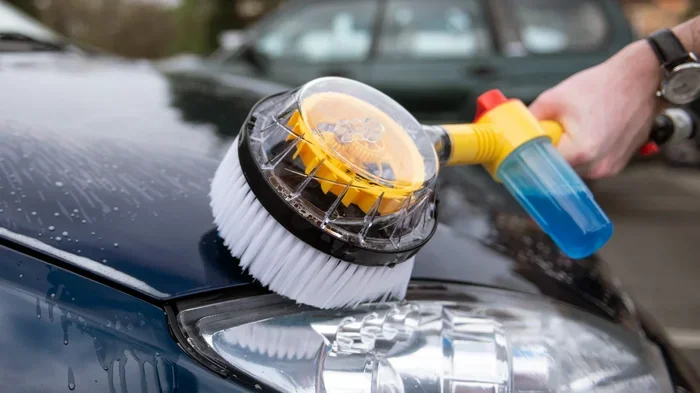
A car cleaning brush with water spray is a specialized wash tool that delivers water through the brush head while you scrub. Unlike a regular sponge or brush, it has a built-in water channel or spray nozzle. This means soapy water or rinse water flows right where the bristles meet the surface.
Most models connect to a garden hose. Some cordless versions use a rechargeable battery to power a small pump. You can find them in different sizes and shapes. There are soft-bristle brushes for paint, stiffer brushes for wheels and tires, and foam pads for gentle cleaning.
The idea is simple but effective. Instead of applying soap, scrubbing, then rinsing in three separate steps, you do it all at once. This is why many car enthusiasts and detailers swear by the water fed brush system. It streamlines the entire wash process.
How Does the Water Spray Mechanism Work?
The spray mechanism works through a channel built into the brush handle. Water travels from the hose or reservoir through the handle and exits through small holes near the bristle tips. When you press the brush against the car surface, the water sprays out evenly.
Some brushes use a venturi effect. This means water pressure creates suction that pulls soap from a separate container. Other models have a simple diverter valve that lets you switch between water flow and off. Both designs work well, but the valve type gives you more control.
Benefits of Using a Car Cleaning Brush With Water Spray
Switching to a car cleaning brush with water spray offers real advantages. Here is why so many car owners are making the switch.
1. Faster Wash Times
Time is the biggest benefit. A traditional wash involves multiple steps. You fill a bucket. You apply soap. You scrub. You rinse. You repeat. With a spray brush, you scrub and rinse at the same time. Most users report washing their car in half the time.
For busy car owners, this matters a lot. You can give your car a thorough wash on a Saturday morning and still have time for other plans.
2. Better Paint Protection
Every time you wipe a dirty brush across your car, you risk scratching the paint. Dirt particles get trapped in the bristles. They act like sandpaper. A water fed car wash brush reduces this risk because the water flow carries dirt away continuously.
The brush stays cleaner longer. You are not dragging accumulated grime across your finish. Instead, fresh water flushes debris away with every stroke. This is especially important for dark-colored cars where swirl marks show easily.
3. Less Physical Effort
Washing a car by hand is tiring. You hold a sponge in one hand and a hose in the other. You bend, reach, and scrub. A spray brush simplifies the motion. You mainly need to guide the brush across the surface. The water does the heavy lifting for rinsing.
This is a big deal for people with back pain or mobility issues. It also means you can wash your car more often without feeling exhausted.
4. Consistent Soap Coverage
With a regular sponge, soap can dry unevenly. You end up with patchy coverage and dry spots. A car cleaning brush with water spray delivers a steady stream of soapy water. This ensures every inch gets uniform coverage.
Consistent coverage means better cleaning. Dirt lifts more easily. You use less soap overall. And your car comes out looking more even and polished.
5. Versatility Across Surfaces
Many spray brushes come with interchangeable heads. You can swap between a soft foam pad for paint, a medium brush for the body, and a stiff bristle brush for wheels. This one tool handles multiple jobs.
You do not need a separate bucket of water for your wheels anymore. The spray brush rinses brake dust and road grime effectively. It is a true all-in-one car wash accessory.
How to Choose the Right Car Cleaning Brush With Water Spray
Not all spray brushes are created equal. Choosing the right one depends on your car, your water source, and your wash goals. Here is what to consider.
Bristle Type and Softness
The bristles are the most important part. For your car’s paint, choose ultra-soft bristles. Look for materials like microfiber-infused nylon or natural boar bristle. These are gentle enough for clear coats but still effective at lifting dirt.
For wheels and lower panels, a firmer bristle works better. Brake dust and road grime need more scrubbing power. Many kits include two or three brush heads so you can switch as needed.
Water Pressure Compatibility
Check whether the brush works with your water source. Most models connect to a standard garden hose. They work fine with normal household water pressure, which is usually 40 to 60 PSI.
Some premium brushes are designed for high-pressure washers. These deliver a stronger spray and can blast away heavier dirt. If you already own a pressure washer, look for a brush that is rated for high-pressure use.
Handle Length and Grip
A good handle should reach the roof and rear window without you stretching. For sedans, a 4 to 5-foot handle works well. For SUVs and trucks, go with a 6-foot or adjustable handle.
Comfort matters too. Look for an ergonomic grip that does not slip when wet. A padded handle reduces hand fatigue during longer wash sessions.
Battery-Powered vs. Hose-Connected
Hose-connected brushes are the most common type. They are simple, reliable, and do not need charging. The downside is you need a hose hookup.
Battery-powered brushes offer more freedom. You can use them anywhere, even without a hose. They are perfect for quick rinses or spot cleaning. However, battery life can be limited, and the spray pressure is usually lower than a hose-connected model.
Price Range and Value
Car cleaning brushes range from under $20 to over $100. Budget models work fine for basic washing. Mid-range brushes ($30 to $60) offer better build quality and multiple brush heads.
Premium options ($70+) often include adjustable pressure, ergonomic designs, and durable materials. Think of it as an investment in your car’s appearance. A good brush lasts for years and replaces several cheaper tools.
Top Features to Look For in a Car Cleaning Brush With Water Spray
When shopping for the best car wash brush with built-in spray, watch for these features.
- Adjustable water flow: Lets you control how much water comes out. You want a gentle mist for soap application and a stronger stream for rinsing.
- Quick-connect hose fitting: Makes setup fast and secure. No leaks, no fuss.
- Multiple brush heads: Gives you flexibility for paint, wheels, and interior surfaces.
- Anti-clog nozzles: Prevents debris from blocking the water channel. This keeps the spray consistent.
- Durable construction: Look for reinforced handles and rust-proof fittings. A brush should last through many wash seasons.
- Lightweight design: Reduces arm fatigue. You will be holding it for a while, so comfort counts.
- Soap reservoir: Some brushes have a small tank that holds soap. This lets you apply detergent without a separate bucket.
How to Use a Car Cleaning Brush With Water Spray Properly
Using a spray brush is simple, but a few tips make a big difference in your results.
Step 1: Rinse the Car First
Before you use the brush, rinse the entire car with plain water. This removes loose dirt and debris. It prevents those particles from getting ground into the paint during scrubbing. Use a regular hose or a pressure washer for this step.
Step 2: Fill the Soap Reservoir or Prepare Your Soap Solution
If your brush has a soap tank, fill it with car wash soap diluted in water. If not, you can apply foam from a separate foam cannon or use a soapy bucket and dip the brush before spraying.
Step 3: Start Scrubbing from the Top Down
Always work from the roof down. Gravity pulls dirt downward, so you avoid dragging grime across already-clean areas. Use gentle, overlapping strokes. Let the water flow do the rinsing work.
Step 4: Rinse Each Section Immediately
Do not let soap dry on the paint. Scrub a section and rinse it right away. The built-in spray makes this easy. You simply switch from soap mode to rinse mode and move on.
Step 5: Dry the Car After Washing
Even with a great spray brush, water spots can form if you let the car air dry. Use a clean microfiber drying towel or a soft chamois. Pat dry rather than dragging. This gives you that final spotless shine.
Quick Tips for Best Results
- Wash your car in the shade to prevent soap from drying too fast.
- Clean the brush heads after each use to prevent clogging.
- Use a separate brush for wheels to avoid cross-contamination.
- Store the brush in a cool, dry place to extend its life.
- Replace bristles when they become frayed or stiff.
Common Mistakes to Avoid When Using a Car Cleaning Brush With Water Spray
Even with the right tool, mistakes can hurt your results. Here is what to watch out for.
Skipping the Pre-Rinse
Some people jump straight to scrubbing without rinsing first. This is the most common mistake. Loose dirt acts like sandpaper under the brush. You end up creating fine scratches called swirl marks. Always rinse before you scrub.
Using the Wrong Soap
Do not use dish soap or household cleaners. These strip away wax and sealant protection. Use a dedicated car wash soap that is pH-balanced and safe for automotive paint.
Applying Too Much Pressure
Let the brush do the work. Pressing too hard can bend bristles and push dirt into the paint. A light, gliding motion is more effective and safer.
Ignoring Brush Maintenance
A clogged brush sprays unevenly. Bristles that are caked with old soap lose their softness. Rinse your brush thoroughly after every wash. Store it with the bristles hanging down to maintain their shape.
Washing in Direct Sunlight
Sunlight causes soap and water to dry quickly. This leaves water spots and soap residue. Choose a shaded spot or wash during cooler parts of the day.
Care and Maintenance Tips for Your Car Cleaning Brush
Taking care of your brush ensures it performs well for a long time. Follow these simple maintenance steps.
After each use, flush the brush with clean water. This removes all soap and debris from the internal channels. Shake out excess water and let it air dry completely before storing it.
Check the hose connection regularly. Tighten any loose fittings to prevent leaks. If your brush has replaceable bristles, swap them out when they show signs of wear. Most brushes last one to three years with proper care.
For battery-powered models, charge the battery after each use. Do not leave it drained for long periods. Store the brush in a dry area away from extreme temperatures.
These small habits add up. A well-maintained car cleaning brush with water spray will serve you reliably wash after wash.
Final Thoughts
A car cleaning brush with water spray is one of the smartest tools you can add to your car wash routine. It saves time, protects your paint, and delivers consistent results every time. Whether you are a casual car owner or a dedicated enthusiast, this tool makes a noticeable difference.
Choose a brush that fits your car size, water source, and budget. Follow the proper washing steps. Maintain your brush, and it will reward you with a spotless shine for years to come.
Your car deserves the best care you can give it. A water spray brush is a simple upgrade that pays off every single time you wash. Try it once, and you will wonder how you ever washed your car without one.
Frequently Asked Questions
Can I use a car cleaning brush with water spray on a matte finish car?
Yes, but you need to choose the right bristle type. Matte finishes are more delicate than glossy paint. Use a soft microfiber brush head and avoid stiff bristles. Always test the brush on a small hidden area first to make sure it does not leave marks or texture changes.
How often should I replace the brush head on my car cleaning brush with water spray?
Most brush heads last between six months and one year with regular use. You should replace them when bristles become frayed, bent, or stiff. Worn bristles do not clean effectively and can scratch your car’s surface. Keeping spare brush heads on hand is a good idea.
Is a battery-powered car cleaning brush with water spray as effective as a hose-connected one?
Battery-powered brushes are convenient but usually offer lower water pressure. They work great for light to medium dirt and quick rinses. For heavy buildup or thorough washing, a hose-connected model delivers stronger performance. Choose based on your needs and how often you wash.
Can I use the car cleaning brush with water spray for other vehicles besides cars?
Absolutely. These brushes work well on trucks, SUVs, motorcycles, boats, and even RVs. The adjustable handle and interchangeable heads make them versatile for different vehicle sizes and surfaces. Just make sure the brush size fits the area you are cleaning.
Does a car cleaning brush with water spray eliminate the need for a bucket?
Not entirely. While the spray brush greatly reduces bucket use, many car wash experts still recommend the two-bucket method for the safest wash. You can use one bucket for soapy water and another for rinsing your brush between panels. This minimizes the risk of reintroducing dirt to your paint.
Are car cleaning brushes with water spray safe for ceramic coated cars?
Yes, when used correctly. Ceramic coatings create a hard, smooth surface. Soft-bristle spray brushes are safe and even beneficial because the water flow helps maintain the coating’s integrity. Avoid abrasive brush heads and always use a pH-neutral car wash soap to protect the coating.
=== CONCLUSION ===
A car cleaning brush with water spray transforms how you wash your car. It combines scrubbing and rinsing into one smooth motion, saving you time and protecting your paint. With the right brush, proper technique, and regular maintenance, you can achieve a spotless shine every single wash day.
Invest in a quality spray brush. Follow the tips in this guide. Your car will look better, and you will enjoy the process more. Start using a car cleaning brush with water spray today and feel the difference it makes.