What Happens If You Pull the Key Out of the Ignition
Pulling the key out of the ignition while driving is extremely dangerous and can cause a sudden loss of power steering, power brakes, and engine control. The steering wheel locks up, leaving you unable to steer, and the brake booster loses its assist, making the pedal rock-hard. This article breaks down exactly what happens, why it happens, and what you should do if it ever occurs.
Have you ever wondered what would happen if you accidentally pulled the key out of the ignition while driving? Maybe you were reaching for something on the passenger seat, or perhaps you just got spooked by a loud noise and yanked the key out without thinking. Whatever the reason, this is a scenario that every driver with a traditional key ignition should understand.
The short answer is that it is very dangerous. When you remove the key from the ignition while the car is still moving, several critical systems shut down at once. You lose power steering, power brakes, and engine control. The steering wheel locks up, and the brake pedal becomes extremely hard to press. It is a terrifying situation, but knowing what to expect and how to respond can make all the difference.
In this article, we will walk through exactly what happens when you pull the key out of the ignition while driving. We will cover the mechanical reasons behind each failure, the risks involved, and the steps you should take to regain control. Whether you drive an older car with a traditional key or are just curious about vehicle safety, this guide has you covered.
Key Takeaways
- Steering Lock: Removing the key locks the steering column immediately, making the vehicle impossible to steer.
- Power Brake Failure: The brake booster stops working, requiring much more force to stop the car.
- Engine Shutdown: The engine cuts off, causing loss of all electronic aids like power steering assist and dashboard displays.
- Emergency Response: You must shift to neutral, use the parking brake, and steer toward safety.
- Prevention Is Key: Always keep the key in the ignition while the vehicle is in motion and avoid fumbling with it.
- Modern Vehicles: Push-button start cars have safety interlocks that prevent this mistake from happening.
📑 Table of Contents
- What Actually Happens When You Pull the Key Out of the Ignition
- The Science Behind the Ignition System and Key Removal
- Steering and Power Loss: The Biggest Risks on the Road
- What to Do If You Pull the Key Out While Driving
- Common Reasons Why Keys Get Pulled Out While Driving
- How to Prevent Key Removal While Driving
- Frequently Asked Questions About Ignition Key Removal
- Final Thoughts on Key Removal While Driving
What Actually Happens When You Pull the Key Out of the Ignition
The moment you remove the key from the ignition, a chain reaction of failures begins. Each system that depends on the ignition position shuts down in a specific order. Understanding this sequence helps you prepare for what you will experience on the road.
The Ignition Switch and Its Role
The ignition switch is the brain behind your car’s startup process. When you turn the key to the “ON” or “ACC” position, it sends power to all the essential electrical systems. The starter motor engages, the fuel pump starts, and the engine control module wakes up. When the key is in the “ON” or “RUN” position, all of these systems stay active while the engine runs.
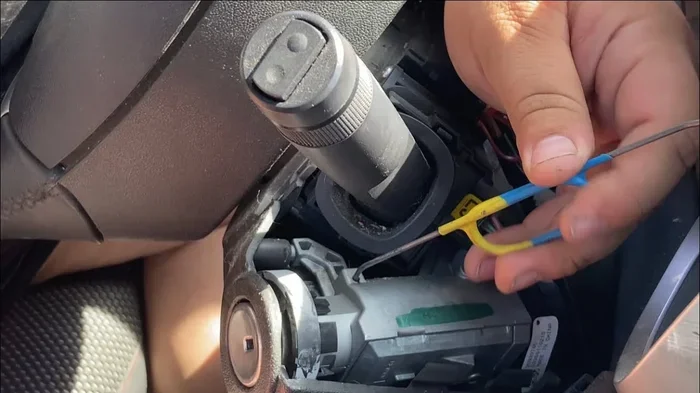
The ignition lock cylinder is the physical mechanism that the key turns inside. It has several positions: LOCK, ACC, ON, and START. Each position activates different circuits. When you pull the key out, it goes back to the LOCK position, which is designed to completely cut power to the engine and lock the steering column. This is a security feature, not something you want while driving.
What Shuts Down First
The moment the key leaves the ignition, the engine stops receiving the signal to keep running. The fuel pump stops, and the spark plugs no longer fire. The engine dies within seconds. But that is just the beginning. Here is what else goes down immediately:
- Power Steering Assist: The hydraulic or electric pump that helps you turn the wheel loses power. Manual steering becomes extremely heavy, especially at low speeds.
- Power Brake Booster: The vacuum-assisted brake system stops working. You will need to press the brake pedal with much more force to slow down.
- Dashboard Electronics: The speedometer, tachometer, fuel gauge, and warning lights all go dark or behave erratically.
- Cruise Control: If you had cruise control engaged, it disengages instantly.
- Steering Lock: The steering column lock engages, physically preventing the wheel from turning.
All of these failures happen within one to two seconds of key removal. There is no gradual decline. It is immediate and sudden, which is what makes it so dangerous.
The Science Behind the Ignition System and Key Removal
To understand why pulling the key out causes so many problems, you need to know how the ignition system is designed. The system is built around a simple principle: the key position controls which circuits are active.
How the Ignition Lock Cylinder Works
The ignition lock cylinder is a mechanical device inside the steering column. It uses a set of pins and tumblers that only align when the correct key is inserted and turned to the right position. When the key is removed, a metal lever or pin physically engages the steering lock mechanism. This is an anti-theft feature that has been standard on cars since the 1970s.
When the key is in the LOCK position, the steering column is blocked by a bolt or pin that drops into a slot on the steering wheel. This prevents anyone from turning the wheel without the key. While this is great for security, it is a nightmare if it happens while you are driving at highway speeds.
Electrical Circuits and Power Distribution
Your car’s electrical system relies on the ignition switch to route power to different circuits. In the RUN position, power flows to the engine management system, fuel injectors, ignition coils, and accessories. When the key is removed, the switch breaks these circuits. The result is a complete loss of electrical power to the engine and most accessories.
Some modern vehicles have a capacitor or battery backup that keeps certain systems alive for a few seconds after the key is removed. But this does not include the engine or steering assist. Those systems need continuous power, and they stop the moment the key is out.
Why Older Cars Are More Vulnerable
If you drive an older vehicle with a traditional key ignition, you are more exposed to this risk. Older cars do not have the electronic interlocks and safety features found in modern vehicles. There is no computer saying “no, you cannot remove the key while the car is moving.” The key can be pulled out at any time, in any gear, at any speed.
Newer cars with push-button start systems have built-in safeguards. Most of them will not allow you to shut off the engine while the car is moving unless you press and hold the button for several seconds. Even then, the steering lock may not engage fully, and power brakes may retain some assist for a short time.
Steering and Power Loss: The Biggest Risks on the Road
The two most dangerous consequences of pulling the key out are the loss of steering control and the loss of braking assist. These two failures alone can turn a routine drive into a life-threatening emergency.
Power Steering Failure Explained
Most cars built before the 2000s use hydraulic power steering. A belt-driven pump pressurizes fluid and helps you turn the wheel with minimal effort. When the engine stops, the pump stops too. The power steering goes completely dead, and the wheel becomes incredibly heavy to turn.
Electric power steering systems, found in newer cars, also fail when the engine stops. The electric motor that assists steering needs the engine running or at least the electrical system active. Once the key is removed, the motor stops helping, and you are left wrestling with a stiff steering wheel.
At low speeds, like in a parking lot, the difference might be manageable. But at highway speeds, a heavy steering wheel can cause you to overcorrect and swerve into other lanes. This is one of the biggest dangers of key removal while driving.
Brake Booster and Stopping Distance
The power brake booster uses engine vacuum to multiply the force you apply to the brake pedal. When the engine dies, you lose this vacuum assist. The brake pedal becomes very hard, and you need to push it with much more effort to slow down.
Here is a quick comparison of what braking feels like with and without power assist:
- Normal Braking (Engine Running): Light pressure on the pedal stops the car smoothly. The booster multiplies your foot force by two or three times.
- Braking After Key Removal: You must press the pedal with full leg strength. Stopping distances increase significantly, especially at higher speeds.
- Emergency Braking: Without power assist, stopping in an emergency becomes extremely difficult. You may not be able to stop in time.
Some drivers report that they can still stop the car by pumping the brake pedal a few times. This works because pumping builds up residual vacuum in the booster. But you only get a few pumps before the vacuum is gone, and then you are back to hard, difficult braking.
Loss of Vehicle Stability Systems
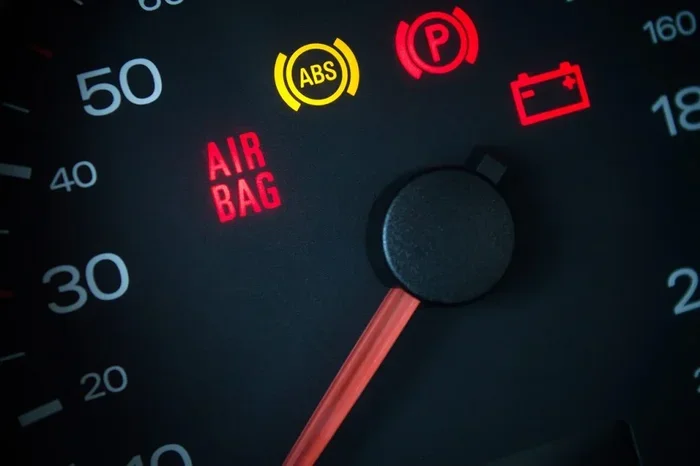
Modern cars have electronic stability control, traction control, and anti-lock braking systems (ABS). These systems rely on the engine running and the electrical system being active. When you pull the key out, all of these safety features shut down too.
Without ABS, your wheels can lock up under heavy braking, especially on wet or icy roads. Without stability control, the car may spin or skid if you hit a sudden obstacle. These are safety nets that most drivers take for granted, and they disappear the moment the key is removed.
What to Do If You Pull the Key Out While Driving
If this ever happens to you, stay calm. Panic will make everything worse. Follow these steps to regain control and bring the car to a safe stop.
Step 1: Shift to Neutral
Do not try to turn the key back in. You will not be able to because the steering lock is engaged. Instead, move the gear shift into neutral. This disconnects the engine from the wheels and allows the car to coast. The engine is no longer running, but the car will still roll forward due to its momentum.
Step 2: Use the Parking Brake Gradually
Pull the parking brake up slowly and steadily. Do not yank it all the way up at once. The parking brake applies force to the rear wheels gradually, which helps you maintain control. If you pull it too fast, the rear wheels may lock up and the car could skid.
Step 3: Steer to Safety
Even with the steering wheel locked, you can still make minor adjustments by using the weight of the car and the road surface. Try to guide the car toward the right shoulder or a safe area. Look for a flat, open space where you can stop without hitting other vehicles or obstacles.
Step 4: Turn Off the Engine and Call for Help
Once the car has slowed down and stopped, turn the key back to the LOCK position if you can. If the steering lock is engaged and the key will not turn, leave it in place and shift the car into park if you are in an automatic transmission. Call for roadside assistance or a tow truck if needed.
Quick Tip: Practice shifting to neutral in a safe, empty parking lot. This muscle memory can save precious seconds if you ever need to do it in an emergency.
Common Reasons Why Keys Get Pulled Out While Driving
Understanding why this happens can help you prevent it from occurring in the first place. Here are the most common causes:
Accidental Key Removal
This is the most common scenario. A driver reaches over to grab something from the passenger seat, adjusts the radio, or reaches for a drink, and their hand catches the key. A quick yank pulls the key out of the ignition without the driver even realizing it until the steering locks up.
Worn or Loose Ignition Cylinder
Over time, the ignition lock cylinder can wear out. The key may not fit snugly and can vibrate loose during driving. This is especially common in older vehicles with high mileage. If your key feels loose in the ignition, get it inspected by a mechanic.
Aggressive Keychain Weight
Many people attach dozens of keys to their ignition key. The extra weight and leverage can cause the key to shift or pop out of the cylinder, especially on bumpy roads. A heavy keychain puts stress on the ignition lock mechanism and accelerates wear.
Faulty Ignition Switch
A bad ignition switch may not hold the key securely in the RUN position. The key can slip out or fall out on its own, even if the driver did not touch it. This is a mechanical failure that needs professional repair.
Driver Confusion or Panic
In a panic situation, some drivers instinctively grab the key and pull it out. This is a natural reflex, but it is the wrong thing to do. If you feel overwhelmed while driving, focus on steering and braking first, and deal with the key situation only after the car is safely stopped.
How to Prevent Key Removal While Driving
The best way to handle this situation is to never let it happen in the first place. Here are some practical steps you can take to reduce the risk.
Keep the Key Secure in the Ignition
Make sure the key is fully inserted and turned to the correct position. Give it a gentle tug before you start driving to confirm it is seated properly. If the key feels loose, have the ignition cylinder checked or replaced.
Use a Key Ring with a Retainer
Consider using a key ring that has a built-in retainer or clip. This keeps the key from wiggling loose during driving. Some key rings are specifically designed for ignition keys and have a small latch that holds the key in place.
Avoid Heavy Keychains
Remove unnecessary keys and accessories from your ignition keychain. A lighter key puts less stress on the ignition lock cylinder and reduces the chance of the key working itself loose.
Upgrade to a Modern Vehicle
If you drive an older car with a traditional key ignition, consider upgrading to a vehicle with push-button start. Modern ignition systems have safety interlocks that prevent the key from being removed while the engine is running. Some cars will not even let you remove the key unless the car is in the PARK position and the engine is off.
Educate New Drivers
If you have teenagers or new drivers in your household, make sure they understand the dangers of key removal while driving. Explain how the steering lock and brake booster work, and practice emergency procedures together in a safe environment.
Expert Insight: Many driving instructors recommend teaching new drivers what to do if the engine stalls or the key comes out. Practicing a dead-engine stop in a controlled environment builds confidence and reflexes that can save lives in a real emergency.
Frequently Asked Questions About Ignition Key Removal
Can you turn the key back in while the car is still moving?
In most older vehicles, the steering lock will prevent you from turning the key back in while the car is moving. The steering column is physically locked, and the key cannot rotate. In some cars, you may be able to turn the key to the ACC or ON position without unlocking the steering lock, but this varies by vehicle model and year. Always prioritize shifting to neutral and using the parking brake first.
Will the car shut off immediately if the key is removed?
Yes, the engine will shut off within seconds of the key being removed. The fuel pump stops delivering fuel, and the spark plugs no longer fire. The car will continue to coast forward due to momentum, but the engine will not restart until the key is reinserted and turned to the START position.
How long can you drive with the key removed before the car stops?
The car will stop as soon as the engine dies, which happens within seconds of key removal. However, the car will continue to roll freely on its momentum. On a flat road, it may travel several hundred feet before friction and wind resistance bring it to a stop. On a downhill slope, the car could travel much farther.
Do modern cars with push-button start have this problem?
Most modern cars with push-button start systems have safety features that prevent the engine from being shut off while the car is in motion. The button typically requires a long press or a specific sequence to turn off the engine. The steering lock may also not engage the same way as it does with a traditional key, giving you more control in an emergency.
Is it illegal to drive with a key removed from the ignition?
While there is no specific law that says you cannot drive with the key removed, the resulting loss of vehicle control can lead to reckless driving charges if an accident occurs. If your actions cause a collision, you could be held legally responsible for the damage and injuries.
What should you do if the key breaks off in the ignition?
If the key breaks off in the ignition cylinder, do not try to remove it with tweezers or other tools while driving. Focus on shifting to neutral and bringing the car to a safe stop. Once stopped, you can try to remove the broken key carefully or call a locksmith or mechanic for professional help. Never attempt to drive with a broken key in the ignition.
Final Thoughts on Key Removal While Driving
Pulling the key out of the ignition while driving is one of the most dangerous mistakes a driver can make. The immediate loss of power steering, power brakes, and engine control can lead to a serious accident if you are not prepared. The steering wheel locks up, the brake pedal becomes rock-hard, and all electronic safety systems shut down.
But knowing what to expect can help you stay calm and respond effectively. If it ever happens to you, shift to neutral, use the parking brake gradually, and steer toward a safe area. These simple steps can mean the difference between a close call and a tragedy.
Prevention is always better than reaction. Keep your key secure in the ignition, avoid heavy keychains, and make sure your ignition lock cylinder is in good working condition. If you drive an older vehicle, consider upgrading to a modern car with safer ignition features.
Understanding what happens if you pull the key out of the ignition is not just about curiosity. It is about being a responsible, prepared driver who knows how to handle the unexpected. Share this knowledge with new drivers in your life, and always keep safety at the forefront of every journey you take.
The road demands your full attention. Keep your hands on the wheel, your foot on the brake, and your key where it belongs: in the ignition.