How to Boost Car Gear Shifting Speed with These Tips
Want faster, smoother gear changes in your car? This guide covers everything you need to improve your car gear shifting speed. From clutch control and rev matching to transmission upgrades and common mistakes, you will find practical tips that work. Whether you drive a daily commuter or a performance machine, these techniques will level up your shifting game.
There is something deeply satisfying about a quick, clean gear change. Whether you drive a daily driver or a weekend toy, improving your car gear shifting speed can make every trip more enjoyable. Fast shifts mean better acceleration, smoother driving, and less wear on your transmission over time.
Many drivers think that shifting speed is only for race car drivers or enthusiasts with fancy builds. That is far from the truth. Anyone with a manual transmission can learn to shift faster and smoother. You do not need expensive parts or years of experience. A few simple techniques and smart habits go a long way.
In this guide, we will walk you through everything you need to know. We will cover the basics of clutch control, the art of rev matching, and proven upgrades that boost performance. You will also learn about common mistakes that slow you down and advanced techniques used by skilled drivers. By the end, you will have a clear roadmap to faster, smoother shifts every time you get behind the wheel.
Key Takeaways
- Master Clutch Control: Learning the bite point and smooth release is the foundation of fast gear changes.
- Use Rev Matching: This technique reduces transmission wear and makes every shift feel effortless.
- Upgrade Key Components: A short shifter, lighter flywheel, and quality transmission fluid can make a big difference.
- Avoid Common Mistakes: Riding the clutch and skipping maintenance are the top culprits of slow shifts.
- Try Advanced Techniques: Heel-toe shifting and paddle shifters take your speed to the next level.
- Practice Makes Perfect: Consistent practice in a safe environment builds muscle memory and confidence.
📑 Table of Contents
Understanding Car Gear Shifting Speed
Before we dive into tips, let us talk about what car gear shifting speed actually means. Simply put, it is the time it takes to move from one gear to the next. A fast shift feels almost instant. A slow shift feels laggy and disrupts your momentum.
Several factors affect how quickly you can shift. Your driving technique plays the biggest role. But your car’s setup matters too. The type of clutch, the quality of your transmission fluid, and even the gear linkage all contribute.
What Makes a Shift Fast or Slow?
A fast shift happens when you move the gear stick quickly and engage the next gear without hesitation. A slow shift usually involves grinding, missed gears, or a long pause between gears. Here are the main factors at play:
- Clutch engagement speed: How fast you release the clutch pedal.
- Gear stick movement: The physical speed of moving the lever between gears.
- Engine RPM matching: Whether the engine speed matches the gear you are selecting.
- Transmission condition: Worn parts or old fluid can slow everything down.
- Driver confidence: Hesitation leads to slow, jerky shifts.
Understanding these factors helps you know where to focus your effort. Most drivers can improve their shifting speed significantly with just a few adjustments to technique.
Master the Clutch Control Technique
The clutch is the heart of every manual gear change. If you do not master clutch control, nothing else will matter. Learning to use the clutch smoothly is the single most important step toward faster shifting.
Find the Bite Point
Every clutch has a bite point. This is the spot where the clutch starts to engage and the car begins to move. Finding it is simple. On a flat surface, slowly release the clutch pedal until you feel the car pull forward slightly. That is your bite point.
Practicing this daily builds muscle memory. Once you know where the bite point is, you can control your clutch releases with precision. This alone will make your shifts faster and smoother.
Release the Clutch Quickly but Smoothly
A common mistake is releasing the clutch too slowly. This wastes time and creates a jerky feel. The goal is a quick but smooth release. Think of it like popping a balloon. You want speed, but you do not want to rip anything apart.
Here is a simple exercise to practice this:
- Press the clutch pedal all the way down.
- Shift into first gear.
- Release the clutch quickly through the bite point.
- Feel for the smooth engagement.
Repeat this in a safe, empty parking lot. Over time, your releases will become faster and smoother without you even thinking about it.
Avoid Riding the Clutch
Riding the clutch means keeping partial pressure on the pedal while driving. This is one of the worst habits for your transmission. It causes unnecessary wear and can actually slow your shifts because the clutch never fully engages.
Always release the clutch pedal completely after each gear change. Keep your foot off the pedal unless you are actively shifting or braking. This simple habit protects your car and improves your shifting speed.
Rev Matching: The Secret to Smooth Shifts
Rev matching is a technique that matches your engine speed to the gear you are selecting. It is the secret weapon of skilled drivers. When you rev match correctly, your shifts feel seamless and your transmission stays healthy.
What Is Rev Matching?
When you downshift, the engine speed needs to match the lower gear’s speed. If it does not, the shift will be jerky and harsh. Rev matching solves this by adding a small amount of throttle as you pull the gear lever down.
Think of it like dancing. You want your feet to move in sync with the music. Rev matching ensures your engine and transmission move together in harmony.
How to Rev Match Step by Step
Here is a simple breakdown of the process:
- Brake to the desired speed.
- Press the clutch pedal down.
- Blip the throttle quickly to raise engine RPM.
- Move the gear lever into the lower gear.
- Release the clutch smoothly.
The throttle blip is the key. It should be quick and firm. You do not need to hold the throttle down. A quick tap does the job. With practice, this becomes second nature.
Benefits of Rev Matching
- Smoother downshifts: No more jerky transitions between gears.
- Less transmission wear: Smooth shifts protect your synchromesh and gears.
- Better stability: Your car stays balanced during braking and shifting.
- Faster shifts: You eliminate the hesitation that comes with mismatched RPMs.
Rev matching takes practice, but the payoff is huge. Even a few weeks of conscious practice will transform your shifting quality.
Upgrade Your Transmission Components
While technique is king, the right upgrades can take your car gear shifting speed to another level. If you want tangible improvements, consider these modifications.
Short Shifter Kits
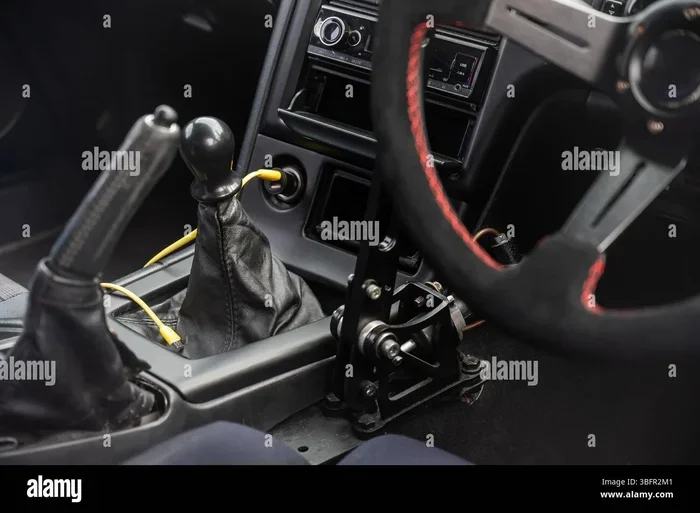
A short shifter reduces the distance the gear lever travels between gears. This means less hand movement and faster shifts. Short shifters are one of the most popular upgrades for manual transmission cars.
Installation is usually straightforward. Many kits bolt right onto your existing linkage. You do not need to modify the transmission itself. The result is a noticeably quicker shift feel without any engine changes.
Lightweight Flywheel
A lightweight flywheel allows the engine to spin up and down faster. This means your engine RPM responds more quickly when you shift. The result is faster, crisper shifts.
This upgrade is especially popular among enthusiasts who want their engine to feel more responsive. It works best with a performance clutch and is a staple of any build focused on driving dynamics.
Shift Kits and Transmission Fluid
A shift kit modifies the hydraulic pressure in your transmission. This can make gear engagements firmer and faster. It is especially useful for automatic transmissions but can benefit manuals too.
Changing your transmission fluid regularly also helps. Fresh fluid reduces friction and keeps everything moving smoothly. Use the fluid type recommended by your car manufacturer for the best results.
Paddle Shifters and Quick Shifters
For those who want the fastest possible shifts, paddle shifters and quick shifter systems are worth considering. Paddle shifters let you change gears without taking your hands off the steering wheel. Quick shifters allow full-throttle shifts without lifting off the accelerator.
These upgrades are more common in performance and sports cars. But aftermarket quick shifter kits are available for many popular models. They represent the cutting edge of shifting technology.
| Upgrade | Shift Speed Improvement | Difficulty Level | Cost Range |
|---|---|---|---|
| Short Shifter Kit | Moderate | Easy | $100 – $400 |
| Lightweight Flywheel | Moderate to High | Moderate | $300 – $800 |
| Shift Kit | Moderate | Moderate | $150 – $500 |
| Paddle Shifters | High | Hard | $500 – $2000+ |
| Quick Shifter System | Very High | Hard | $800 – $3000+ |
Common Mistakes That Slow You Down
Knowing what to avoid is just as important as knowing what to do. Many drivers unknowingly develop habits that slow their car gear shifting speed. Here are the most common mistakes and how to fix them.
Waiting Too Long to Shift
Some drivers hold gears too long before upshifting. This puts unnecessary strain on the engine and delays acceleration. Learn the power band of your engine. Shift before the RPM drops too low, and you will notice an immediate improvement in responsiveness.
Rushing the Gear Selection
Speed without accuracy is useless. Slapping the gear lever without aiming for the correct gate leads to missed gears or grinding. Take a split second to guide the lever into the right position. Precision beats speed every time.
Ignoring Transmission Maintenance
Old transmission fluid, worn clutch discs, and damaged synchros all slow your shifts. Regular maintenance keeps everything running at its best. Check your fluid level and condition at least once a year. Replace it according to your manufacturer’s schedule.
Shifting in Traffic Without Practice
Stop-and-go traffic can reinforce bad habits. When you are constantly creeping and stopping, you tend to ride the clutch and shift lazily. Find time to practice on open roads where you can focus on clean, deliberate shifts.
Not Using Both Hands on the Wheel
One-handed shifting might feel cool, but it sacrifices control. Use both hands on the steering wheel and keep your left foot ready on the clutch. This balanced approach gives you the control and speed you need for clean gear changes.
Advanced Shifting Techniques for Experienced Drivers
Once you have mastered the basics, you can explore advanced techniques that push your shifting speed and skill to the next level.
Heel-Toe Shifting
Heel-toe shifting is a technique used by rally drivers and track enthusiasts. It involves braking with the ball of your foot while simultaneously blipping the throttle with your heel. This allows you to downshift and brake in one smooth motion.
This technique takes significant practice. Start slowly and focus on the coordination between your feet. Once you nail it, you will wonder how you ever drove without it.
Launch Control for Quick Starts
Many modern cars come with launch control. This feature optimizes engine power for the fastest possible start from a standstill. It manages your RPM and clutch engagement to prevent wheel spin and maximize acceleration.
If your car does not have launch control, you can simulate it by mastering the clutch bite point and throttle application. The goal is to find the sweet spot where maximum power meets traction.
Block Shifting
Block shifting means skipping gears. Instead of shifting from first to second to third, you go from first to third or even first to fourth. This reduces the number of shifts and saves time.
Block shifting requires accurate rev matching. If you skip a gear without matching RPMs, the shift will be harsh. Practice this technique carefully and only use it when it makes sense for the driving situation.
Left-Foot Braking
Left-foot braking is an advanced technique where you use your left foot for braking instead of the clutch. This frees up your right foot to focus on throttle control and makes transitions between braking and accelerating faster.
This technique is more common in motorsport but can benefit street driving too. It requires practice to avoid accidentally pressing both pedals at once. Start in a safe, empty area before trying it on public roads.
Building a Practice Routine
The best techniques in the world mean nothing without practice. Building a consistent routine helps you develop muscle memory and confidence.
Start in a Safe Environment
Find an empty parking lot or a quiet road. Practice your clutch control, rev matching, and shift timing without distractions. Focus on one skill at a time. Do not try to fix everything at once.
Set Small Goals
Set measurable goals for each practice session. Try to reduce your shift time by a fraction of a second. Focus on making each shift smoother than the last. Small improvements add up quickly over time.
Track Your Progress
Record yourself or have a friend watch your technique. Video review is one of the best ways to identify bad habits. You might notice you are pushing the gear lever too hard or releasing the clutch unevenly.
Stay Patient and Consistent
Improving car gear shifting speed is a journey, not a destination. You will have good days and bad days. Stay patient, stay consistent, and celebrate small wins along the way. The progress will come.
Conclusion
Improving your car gear shifting speed is one of the most rewarding skills you can develop as a driver. It makes your car feel more responsive, your drives more engaging, and your transmission last longer. From mastering clutch control and rev matching to exploring upgrades and advanced techniques, there is always room to grow.
Start with the basics. Find your bite point, practice smooth clutch releases, and learn to rev match. Then layer in upgrades like a short shifter or lightweight flywheel if you want more. Avoid the common mistakes that slow you down, and practice consistently in safe environments.
The beauty of this journey is that it never gets old. Every drive is a chance to refine your technique and push your limits. So get out there, shift with intention, and enjoy the satisfaction of a perfect gear change every time.
Frequently Asked Questions
What is the best way to shift gears faster in a manual car?
The best way is to master clutch control and rev matching. Practice smooth, quick clutch releases and learn to blip the throttle when downshifting. These two techniques alone will dramatically improve your car gear shifting speed.
Do short shifters really make a difference in shift speed?
Yes, short shifters reduce the distance the gear lever travels between gears. This means less hand movement and quicker shifts. They are one of the easiest and most affordable upgrades for manual transmission cars.
Is rev matching necessary for everyday driving?
While not strictly necessary, rev matching makes your shifts smoother and protects your transmission. It is especially helpful during downshifts and in stop-and-go traffic. Even basic rev matching improves your overall driving experience.
Can I improve my shifting speed without any modifications?
Absolutely. Technique matters more than parts. Focus on clutch control, timing, and smooth gear selection. Many drivers see significant improvements just by refining their driving habits and practicing regularly.
What transmission fluid is best for faster shifts?
Use the fluid recommended by your car manufacturer. High-quality synthetic fluids can improve shift feel and reduce friction. Always check your owner’s manual before switching fluids to ensure compatibility.
How long does it take to master advanced shifting techniques?
It varies by driver. Basic techniques like rev matching can feel natural within a few weeks. Advanced techniques like heel-toe shifting may take several months of practice. The key is consistent, focused practice in a safe environment.