When Should You Get Your Windshield Replaced Today
Knowing when to replace your windshield can save you from costly repairs and keep you safe on the road. A cracked or chipped windshield weakens your car’s structural strength and blocks your view. This guide covers all the key signs, costs, and timelines for getting your windshield replaced the right way.
Your windshield does a lot more than just keeping the wind out. It supports your car’s roof, helps airbags deploy correctly, and gives you a clear view of the road. When it gets damaged, it is not just an eyesore. It becomes a real safety problem.
So when should you get your windshield replaced? The answer depends on the type of damage, where it sits on the glass, and how it affects your driving. In this guide, we walk you through every sign, situation, and decision point. By the end, you will know exactly what to do when damage hits your auto glass.
Windshield damage happens to almost every driver at some point. A flying rock on the highway, a sudden temperature shift, or even a minor fender bender can leave your glass weakened. The key is catching the problem early and choosing the right fix. Sometimes a small chip can be repaired. Other times, a full windshield replacement is the only safe option. Let us break it all down for you.
Key Takeaways
- Safety First: A damaged windshield compromises your car’s structural integrity and puts you at risk during a crash.
- Spot the Signs Early: Cracks longer than a dollar bill, chips in the driver’s line of sight, and spreading damage all mean replacement time.
- Don’t Wait: Ignoring small chips can lead to cracks that spread fast, especially with temperature changes or rough driving.
- Insurance May Cover It: Many auto insurance policies include comprehensive coverage for windshield replacement at little to no cost.
- Choose Quality Glass: OEM and certified aftermarket windshields offer the best fit, clarity, and safety performance.
- Proper Installation Matters: A correct windshield replacement includes the right adhesive and full curing time for a secure fit.
- Act Fast After Damage: Quick action prevents minor chips from turning into full replacements that cost more and take longer.
📑 Table of Contents
- Understanding Windshield Damage Types
- Signs You Need a Windshield Replacement
- Windshield Replacement Cost and Insurance
- What Happens During a Windshield Replacement
- DIY Windshield Repair vs Professional Replacement
- How to Choose the Right Windshield Replacement Service
- Preventing Windshield Damage
- Conclusion
Understanding Windshield Damage Types
Not all windshield damage is the same. Before you decide on a fix, you need to know what kind of damage you are dealing with. Different types of damage call for different solutions. Here is a closer look at the most common problems drivers face.
Chips and Rock Chips
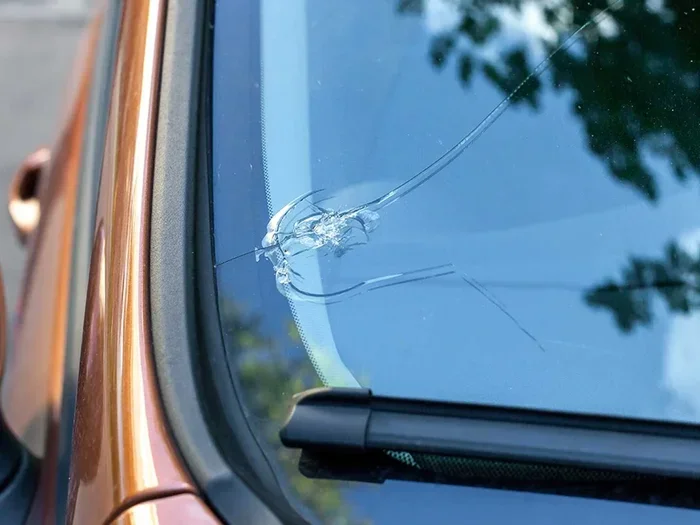
A rock chip is a small piece of missing glass. It usually looks like a tiny crater or a dot on your windshield. These happen when small stones or debris fly up from the road. Most chips are small and do not spread right away. In many cases, a technician can fill and seal a chip without replacing the whole windshield.
But here is the catch. A chip that sits in the driver’s direct line of sight can still cause problems. Even a small chip can refract sunlight and create glare. It can also blur your view in certain lighting. If a chip is right where you look when driving, consider a replacement even if it seems minor.
Cracks of Various Sizes
Cracks are more serious than chips. A crack is a line that runs through the glass. Short cracks may start small and stay small. But longer cracks can spread quickly, especially when you drive over bumps or face temperature swings. A crack that crosses the driver’s sight line almost always needs a full replacement.
Cracks also weaken the glass significantly. Auto glass is designed to hold together in a crash, but a cracked windshield cannot do its job properly. The laminated glass layers can separate, and the whole structure becomes less rigid. This puts you and your passengers at greater risk in a collision.
Stress Cracks and Edge Damage
Stress cracks form without any direct impact. They happen when the glass expands or contracts too fast. Think about leaving your car in the sun and then blasting the AC on high. That sudden temperature change can cause stress cracks near the edges of the glass. Edge damage is especially dangerous because the windshield’s strongest support comes from its edges.
When stress cracks or edge damage appear, the structural integrity of the whole windshield is already compromised. At this point, windshield replacement is almost always the safest choice. Do not try to tough it out or wait for it to get worse.
Signs You Need a Windshield Replacement
How do you know for sure that your windshield needs to go? There are clear warning signs that you should not ignore. Let us walk through them one by one so you can make a confident decision.
Damage in the Driver’s Line of Sight
This is the number one rule of auto glass safety. If any crack or chip sits directly in your view when you are behind the wheel, you need to replace the windshield. Even a tiny spot can distort your vision and create a blind spot. The law in most states also requires that your view through the windshield stays clear and unobstructed.
When you sit in your normal driving position, look straight ahead through the glass. If you see any damage blocking or distorting your view, do not drive another day without getting it checked. A clear line of sight is non-negotiable for safe driving.
Cracks Longer Than Three Inches
A general rule of thumb is that cracks longer than three inches usually cannot be safely repaired. Repair shops use resin to fill small chips and short cracks. But once a crack gets longer, it spreads deeper into the glass layers. The repair will not hold, and the crack will likely keep growing.
If you notice a crack that is longer than a dollar bill, plan for a replacement right away. The longer you wait, the more the crack can spread. What starts as a small line can turn into a web of damage that covers a large part of your windshield. Early action saves you time and money.
Multiple Chips or a Star Break
When your windshield has more than one chip or a star-shaped break, the glass is already significantly weakened. A star break happens when impact sends cracks outward in multiple directions from a single point. It looks like a starburst on the glass.
Multiple points of damage mean the auto glass can no longer hold its shape reliably. Even if each individual chip seems small, together they create a pattern of weakness. This kind of damage almost always requires a full windshield replacement to restore safety and clarity.
Damage Near the Windshield Edge
The edges of your windshield are the most vulnerable part of the glass. They bear the most stress during driving and in a crash. Any damage that reaches or sits near the edge is a serious concern. Cracks that start at the edge can spread across the entire windshield in just a few days.
Even if the damage near the edge looks small, it threatens the bond between the glass and the car frame. A weak edge means the windshield may pop out during an accident. That is why edge damage should always lead to a replacement, not a repair.
Windshield Replacement Cost and Insurance
Cost is one of the biggest worries people have about getting a new windshield. Let us talk numbers and options so you know what to expect.
Average Replacement Costs
The windshield replacement cost varies depending on your car model, the type of glass used, and where you live. For most standard vehicles, you can expect to pay between $200 and $400 for a full replacement. Luxury cars, trucks with advanced driver assistance systems, or vehicles with special glass features can cost $500 or more.
The price usually includes the glass itself, the adhesive, and the labor. Some shops also charge for mobile service if they come to you. Always ask for a detailed quote before you agree to any work. Knowing the breakdown helps you make an informed decision.
Does Insurance Cover Windshield Replacement?
Good news for most drivers. Comprehensive auto insurance usually covers windshield replacement. Many policies include glass coverage with no deductible at all. This means you could get your windshield replaced for free.
Check your policy or call your insurance provider to confirm. Some companies even have a glass repair and replacement add-on that makes the process faster. If you have this coverage, take advantage of it. It is there to protect you, and using it does not raise your rates in most cases.
OEM vs Aftermarket Glass
When it is time for a replacement, you will hear the terms OEM and aftermarket glass. OEM stands for Original Equipment Manufacturer. This glass comes from the same supplier that made your original windshield. It matches the exact thickness, tint, and shape of your factory glass.
Aftermarket glass is made by a different manufacturer. It meets safety standards but may differ slightly in quality or fit. OEM glass tends to cost more, but many drivers prefer it for the best match and performance. Aftermarket glass is a solid, more affordable option. Both are safe choices as long as the installation is done correctly.
What Happens During a Windshield Replacement
Knowing what to expect during the process can ease your worries. A proper windshield replacement is a detailed job that requires skill and the right tools. Here is a step-by-step look at what happens.
Removing the Old Windshield
The technician starts by carefully removing the damaged windshield. They use special tools to cut through the old adhesive without damaging the car frame. This step requires precision. A rushed removal can scratch the paint or bend the frame, which causes problems with the new glass fit.
Once the old glass is out, the technician cleans the frame thoroughly. Any leftover adhesive or debris must be removed so the new glass bonds properly. This preparation step is just as important as the glass installation itself.
Installing the New Glass
Next, the new windshield is placed into the frame. The technician applies a special urethane adhesive that bonds the glass to the car. This adhesive is what holds the windshield in place during a crash and supports the roof structure.
The glass is pressed firmly into position and any excess adhesive is wiped away. The technician then checks the fit, making sure there are no gaps or misalignments. A proper fit is critical for both safety and weather sealing.
Curing Time and Aftercare
After installation, the adhesive needs time to cure. Most shops ask you to wait at least one hour before driving. Full curing usually takes 24 to 48 hours. During this time, avoid slamming doors, putting pressure on the glass, or driving through car washes.
Proper aftercare ensures the bond reaches full strength. If you skip the curing time, the windshield may not hold securely in a crash. Follow your installer’s aftercare instructions carefully. It is a small wait for a big safety payoff.
DIY Windshield Repair vs Professional Replacement
You have probably seen DIY windshield repair kits at auto parts stores. They promise quick fixes for small cracks and chips. These kits can work for very minor damage, but they are not a substitute for professional service.
DIY kits use a resin that fills the chip or short crack. The resin hardens and prevents the damage from spreading further. It can improve the look of the glass and restore some structural strength. But DIY repairs do not match the quality of a professional fix.
A professional technician has the training, tools, and experience to do the job right. They can assess whether a repair is safe or if a full replacement is needed. For anything beyond a tiny chip, skip the DIY route and visit a pro. Your safety is worth the investment.
When DIY Repair Might Work
DIY repair kits are best for small rock chips that are not in the driver’s line of sight. If the chip is smaller than a quarter and sits outside your direct view, a kit can buy you some time. Just remember that DIY repair is a temporary fix, not a permanent solution.
Use a DIY kit only as a stopgap measure. Plan to see a professional as soon as possible. They can give you a proper assessment and handle any needed replacement with the right materials and techniques.
How to Choose the Right Windshield Replacement Service
Not all auto glass shops are created equal. Choosing the right service makes a big difference in the quality and safety of your replacement. Here are tips to help you pick a trusted provider.
Look for Certified Technicians
A good windshield replacement shop employs certified technicians. Look for certifications from organizations like the Auto Glass Safety Council or the National Glass Association. Certified installers follow strict safety standards and use the correct adhesive and techniques for a secure fit.
Do not be afraid to ask about certifications when you call a shop. Any reputable company will be happy to share this information. If they hesitate or seem unsure, that is a red flag.
Check Reviews and Reputation
Online reviews tell you a lot about a shop’s quality and customer service. Look for reviews that mention the installation process, adhesive curing, and overall experience. Shops with consistently high ratings and positive feedback are usually a safe bet.
Pay attention to how the shop handles complaints. A business that responds to negative reviews with care and solutions shows professionalism. This kind of attention to detail often carries over into their actual work.
Ask About Warranty
A quality windshield replacement comes with a warranty. The warranty should cover both the glass and the installation work. If any problems arise, such as leaks or a loose fit, the shop should fix them at no extra cost.
Ask about the warranty before you agree to any service. A shop that stands behind its work will be upfront about this. No warranty is a sign that the shop does not trust its own installation quality.
Preventing Windshield Damage
You cannot prevent every rock or chip. But you can take steps to reduce your risk and protect your windshield for longer.
Keep a Safe Following Distance
One of the easiest ways to avoid windshield damage is to stay a safe distance behind other vehicles. This is especially true on highways, construction zones, and gravel roads. The farther you are from the car in front of you, the less likely debris is to hit your glass.
Try to keep at least a three-second following distance. In bad weather or on rough roads, increase that distance even more. This simple habit can save you from a costly windshield chip or crack.
Avoid Extreme Temperature Swings
Sudden temperature changes put stress on your windshield. On a hot day, do not blast your AC at full power right away. Let the car warm up gradually. In winter, avoid pouring hot water on a frozen windshield to defrost it.
These small habits reduce thermal stress on the glass. Over time, they help prevent stress cracks and edge damage. Your windshield will last longer and stay stronger with these simple precautions.
Park Smart
Where you park matters more than you think. Avoid parking under trees where branches can fall. Stay away from construction zones where debris flies. If you can, park in a garage or covered area whenever possible.
A little thought about your parking spot can go a long way. It protects not just your windshield but your entire car from damage. Make it a habit and your auto glass will thank you.
Conclusion
Your windshield is one of the most important safety features in your car. When it gets damaged, you need to act quickly and make the right call. Whether it is a small chip or a long crack, understanding the signs of when to replace your windshield keeps you and your passengers safe.
Remember the key signs: damage in your line of sight, cracks longer than three inches, star breaks, and edge damage. Check your insurance coverage to see if the cost is covered. Choose a certified professional for the best results. And take steps to prevent future damage with smart driving and parking habits.
Do not wait until a small problem becomes a big danger. If you notice any of the signs we covered today, get your windshield checked right away. A timely replacement protects your safety, your car, and your peace of mind. Take action today and drive with confidence tomorrow.
How long does a windshield replacement take?
A professional windshield replacement usually takes between 30 minutes and one hour. However, the full adhesive curing time is 24 to 48 hours. During this period, avoid driving through car washes or putting pressure on the glass. Your installer will give you specific aftercare instructions to follow.
Can I drive immediately after a windshield replacement?
Most shops ask you to wait at least one hour before driving. This allows the adhesive to set enough for safe travel. The full bond reaches its strength after 24 to 48 hours. Always follow your installer’s specific waiting time recommendation to ensure a secure fit.
Is a cracked windshield illegal to drive with?
In most states, driving with a cracked windshield that blocks your view is illegal. Laws vary by location, but any damage that affects your line of sight can result in a ticket. Even if it is not illegal in your area, a cracked windshield is a serious safety risk and should be replaced promptly.
Does windshield replacement affect ADAS systems?
Yes, many modern vehicles have advanced driver assistance systems tied to the windshield. These include lane departure warning, automatic emergency braking, and rain sensors. After a replacement, these systems often need recalibration. Choose a shop that offers ADAS calibration services to keep your safety features working properly.
What is the difference between OEM and aftermarket windshield glass?
OEM glass comes from the same manufacturer that made your original windshield. It matches the exact specifications of your vehicle. Aftermarket glass meets safety standards but is made by a different manufacturer. OEM glass tends to cost more, but both options are safe when installed correctly by a certified professional.
Can a small windshield chip be repaired instead of replaced?
Yes, small chips that are not in the driver’s line of sight can often be repaired. A technician injects resin into the chip and cures it with UV light. This works best for chips smaller than a quarter and cracks shorter than three inches. If the damage is in your direct view or has spread, replacement is the safer choice.
Frequently Asked Questions
What is When Should You Get Your Windshield Replaced??
When Should You Get Your Windshield Replaced? is an important topic with many practical applications.