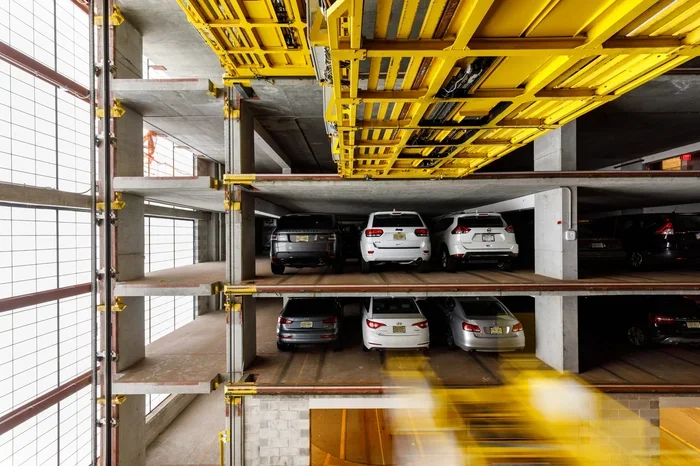
Car Parking System Project Ideas You Should Try Today
Car parking system project ideas are trending in the automotive and tech world. Whether you are a student, hobbyist, or engineer, these projects teach real-world skills. You will learn about sensors, automation, IoT, and smart parking solutions. This guide covers practical ideas you can try today with simple tools and materials.
A car parking system project is one of the most exciting and useful builds you can tackle. Parking problems are everywhere. Cities run out of space. Malls get crowded. Offices struggle to manage thousands of vehicles every day. A well-designed parking system solves all of these headaches.
In this article, we will walk you through the best car parking system project ideas you can try right now. Whether you are a complete beginner or an experienced maker, you will find something that fits your level. We will cover simple sensor-based designs, full automation setups, and even IoT-connected smart systems. Each idea comes with practical tips and real-world examples.
The goal here is simple. You should walk away with clear, actionable steps to build your own parking solution. No fluff. No filler. Just solid, hands-on project guidance that actually works.
Key Takeaways
- Multiple project levels: From beginner to advanced, there is a car parking system project for every skill level.
- Real-world relevance: These projects solve actual problems in parking garages, malls, and urban areas.
- Affordable components: Most ideas use low-cost sensors, microcontrollers, and open-source software.
- Career-building skills: Building these projects teaches IoT, automation, embedded systems, and vehicle detection.
- Scalable designs: Start small and expand your parking automation project as your skills grow.
- Industry demand: Smart parking is a growing field with strong job and business opportunities.
📑 Table of Contents
- Why Build a Car Parking System Project?
- Beginner-Friendly Car Parking System Project Ideas
- Intermediate Car Parking System Project Ideas
- Advanced Car Parking System Project Ideas
- Comparison of Project Ideas by Difficulty and Cost
- Essential Components for Any Car Parking System Project
- Common Mistakes to Avoid in Parking System Projects
- Expert Tips for a Successful Parking Automation Project
- Real-World Applications of Parking System Projects
- How to Present Your Car Parking System Project
- Conclusion
Why Build a Car Parking System Project?
You might wonder why parking systems are worth building in the first place. The answer is simple. Parking is a massive global problem. Every city, every town, and every shopping center deals with it. Here is why these projects matter so much:
- Urban space is limited: Cities need smarter ways to use every square foot of parking space.
- Traffic reduction: Good parking systems reduce the time drivers spend searching for spots.
- Revenue opportunities: Businesses can earn more with efficient parking management and automated ticketing.
- Skill development: Building a parking automation project teaches electronics, coding, and system design.
- Growing demand: Smart parking is one of the fastest-growing areas in the automotive tech industry.
When you build a car parking system project, you are not just making a gadget. You are solving a real problem. That makes the work meaningful and the results satisfying.
Beginner-Friendly Car Parking System Project Ideas
If you are new to electronics or coding, start here. These beginner projects use basic components and simple logic. They are perfect for school assignments, science fairs, or weekend tinkering.
1. Ultrasonic Sensor Parking Spot Detector
This is the simplest car parking system project you can start with. You use an ultrasonic sensor to detect whether a parking spot is occupied or empty. The sensor sends out sound waves and measures the echo. When a car parks in a spot, the echo changes. Your system reads this change and shows the status on an LED or LCD screen.
What you need:
- Arduino Uno or similar microcontroller
- HC-SR04 ultrasonic sensor
- LED indicators or small LCD display
- Breadboard and jumper wires
- Power supply
How it works: Place one sensor at each parking spot. Connect all sensors to the Arduino. Write a simple program that checks distance readings. If the distance is below a certain threshold, the spot is occupied. The LED turns red. If the spot is empty, the LED turns green.
This project teaches you the basics of vehicle detection, sensor integration, and simple programming. It is a perfect starting point before moving to more complex ideas.
2. Parking Barrier Control System
A parking barrier control system is another great beginner build. You use a motor to raise and lower a barrier arm. The system can be controlled with a push button or a remote control. Some versions use RFID cards to grant access.
What you need:
- Servo motor or DC motor
- Arduino or Raspberry Pi
- RFID reader module (optional)
- Barrier arm (can be 3D printed or bought)
- Power supply and wiring
How it works: When a valid RFID card is scanned, the Arduino sends a signal to the motor. The barrier arm lifts. After a set time, it lowers automatically. This teaches you about parking access control and motor integration.
Quick Tip: Start with a simple button-controlled version first. Once that works, add the RFID module for a more advanced feature set.
3. Seven-Segment Display Parking Counter
This project tracks how many parking spots are available and displays the count. You use a simple counter circuit that increments when a car enters and decrements when a car leaves. The count shows on a seven-segment display at the entrance.
This is a fantastic entry-level parking management project. It introduces you to counting logic, display modules, and basic system design. You can build it for a single entrance or expand it to cover multiple points.
Intermediate Car Parking System Project Ideas
Once you have mastered the basics, it is time to level up. Intermediate projects involve more components, more complex logic, and closer-to-real-world applications.
4. IoT-Based Smart Parking System
IoT parking is a hot topic right now. An Internet of Things parking system connects sensors to the cloud. Users can check parking availability from their phones before they even arrive.
What you need:
- ESP32 or ESP8266 Wi-Fi module
- Ultrasonic or IR sensors for each spot
- Cloud platform (Blynk, ThingSpeak, or Firebase)
- Mobile app or web dashboard
- Power supply and mounting hardware
How it works: Each sensor monitors a parking spot. The ESP32 sends data to the cloud every few seconds. A mobile app or website shows real-time availability. Drivers can see which spots are open before they enter a parking garage or lot.
This project combines hardware, software, and cloud skills. It is one of the most impressive car parking system project ideas you can showcase on a resume or portfolio.
5. Automated Parking Ticket Machine
A parking ticket system automates the entry and exit process. When a vehicle enters, the system prints a ticket with a timestamp. When the vehicle exits, the system calculates the fee based on parking duration.
What you need:
- Arduino or Raspberry Pi
- Thermal printer or receipt printer
- RFID reader or license plate camera
- LCD display for fee calculation
- Real-time clock module
How it works: At entry, the system reads the vehicle ID and starts a timer. At exit, it stops the timer and calculates the cost. The fee is displayed on the LCD and printed on a ticket. This teaches you about timing logic, display integration, and real-world parking revenue management.
Quick Tip: Use a simple rate structure for your first version. For example, $2 per hour. You can always add more complex pricing tiers later.
6. Vehicle Counting System for Parking Lots
This project counts the total number of vehicles in a parking lot at any given time. You place sensors at the entrance and exit. The system tracks how many cars came in and how many went out. The current count is displayed on a large LED board or sent to a web dashboard.
What you need:
- Infrared (IR) sensors or camera modules
- Microcontroller (Arduino or ESP32)
- LED display or web interface
- Logic for entry and exit counting
This is a practical parking space management tool. Shopping malls, airports, and office buildings all use similar systems. Building one yourself gives you a deep understanding of how these systems work behind the scenes.
Advanced Car Parking System Project Ideas
Ready for a real challenge? Advanced projects use machine learning, computer vision, and full-scale automation. These are the projects that can turn into startups or professional solutions.
7. License Plate Recognition Parking System
A license plate recognition (LPR) system uses a camera and image processing software to identify vehicles automatically. You do not need RFID cards or physical tickets. The camera reads the plate, and the system handles everything else.
What you need:
- Raspberry Pi or NVIDIA Jetson
- High-resolution camera module
- OpenCV or Python-based image processing
- Database for storing plate records
- Motorized barrier for access control
How it works: When a vehicle approaches the entrance, the camera captures the license plate. The software processes the image and extracts the plate number. The system checks if the vehicle is registered. If yes, the barrier opens automatically. If not, the system flags it for review.
This project involves computer vision, which is one of the most in-demand tech skills today. It is a powerful addition to any car parking system project portfolio.
8. Robot-Based Automated Parking System
Imagine a robot that parks your car for you. This is the ultimate car parking system project. A robotic platform moves a parked vehicle into a tight space, maximizing the number of cars that fit in a given area.
What you need:
- Robotic platform or custom-built chassis
- Strong motors and wheels
- Arduino or PLC controller
- Proximity sensors and safety sensors
- Structural frame to hold the vehicle
How it works: The driver stops the car on the robotic platform. The robot then moves the car into an available parking slot. Sensors prevent collisions. The system can be controlled manually or through a central computer.
While this project is complex, it mirrors real systems used in high-end parking facilities around the world. It is a showstopper for any tech exhibition or engineering competition.
9. AI-Powered Parking Space Detection
Artificial intelligence can revolutionize how we manage parking. An AI-based system uses cameras and machine learning models to detect whether each parking space is occupied or empty.
What you need:
- Camera modules (one per row or section)
- Raspberry Pi or edge computing device
- Pre-trained object detection model (YOLO, SSD)
- Cloud or local server for processing
- Dashboard for real-time status display
How it works: The camera feeds images to the AI model. The model analyzes each frame and identifies vehicles in parking spaces. The system updates the status in real time. Users can view the data on a phone app or website.
This project sits at the intersection of smart parking, artificial intelligence, and IoT. It is one of the most future-forward car parking system project ideas you can pursue.
Comparison of Project Ideas by Difficulty and Cost
Not all projects are created equal. Some are easy and cheap. Others require more time and investment. Here is a comparison to help you choose the right one.
| Project Idea | Difficulty | Estimated Cost | Skills Learned |
|---|---|---|---|
| Ultrasonic Spot Detector | Beginner | $15-$30 | Sensors, basic coding |
| Parking Barrier Control | Beginner | $20-$40 | Motor control, RFID |
| Seven-Segment Counter | Beginner | $10-$25 | Counting logic, displays |
| IoT Smart Parking System | Intermediate | $40-$80 | IoT, cloud, mobile apps |
| Automated Ticket Machine | Intermediate | $30-$60 | Timing, printing, logic |
| Vehicle Counting System | Intermediate | $25-$50 | Counting, display systems |
| License Plate Recognition | Advanced | $80-$150 | Computer vision, Python |
| Robot Parking System | Advanced | $100-$300 | Robotics, automation |
| AI Parking Space Detection | Advanced | $60-$120 | AI, machine learning, IoT |
Use this table as a guide. Pick a project that matches your budget and skill level. You can always upgrade to a more advanced version later.
Essential Components for Any Car Parking System Project
No matter which project you choose, certain components come up again and again. Here is a list of essential parts you will need:
- Microcontroller: Arduino, Raspberry Pi, or ESP32. These are the brains of your project.
- Sensors: Ultrasonic, infrared, or camera-based sensors for detecting vehicles.
- Actuators: Motors, servos, or solenoids for barrier control and movement.
- Display units: LCD screens, LED boards, or seven-segment displays for showing status.
- Communication modules: Wi-Fi, Bluetooth, or LoRa for IoT connectivity.
- Power supply: Batteries, adapters, or solar panels depending on your setup.
- Software tools: Arduino IDE, Python, Node-RED, or cloud platforms like Blynk.
Having these components on hand makes it easy to jump into any project. You do not need to buy everything at once. Start with the basics and add components as your project grows.
Common Mistakes to Avoid in Parking System Projects
Even experienced builders make mistakes. Here are the most common ones and how to avoid them:
- Skipping the prototype phase: Always build a small test version first. Do not jump straight to a full system.
- Ignoring sensor placement: Sensors must be positioned correctly. A poorly placed ultrasonic sensor gives false readings.
- Overcomplicating the design: Start simple. Add features one at a time. A basic working system is better than a complex broken one.
- Underestimating power needs: Motors and sensors draw power. Make sure your supply can handle the load.
- Neglecting safety: Always include emergency stop buttons and fail-safe mechanisms. A parking barrier that malfunctions can be dangerous.
- Not testing in real conditions: Test your system with actual vehicles, not just simulations. Real-world conditions are unpredictable.
Avoiding these mistakes saves time, money, and frustration. They are the lessons every builder learns the hard way.
Expert Tips for a Successful Parking Automation Project
Here are some insider tips that experienced makers and engineers swear by:
- Use modular design: Build each part of the system separately. Test it. Then connect everything together. This makes debugging much easier.
- Document everything: Take photos, write notes, and save your code. You will thank yourself later when you need to troubleshoot or rebuild.
- Start with off-the-shelf parts: Do not custom-build everything at first. Use ready-made sensors, modules, and kits. You can always customize later.
- Focus on user experience: A parking system is for real people. Make sure it is easy to use, clearly labeled, and intuitive.
- Plan for scale: Design your system so it can be expanded. A single-sensor project today can become a full parking garage project tomorrow.
These tips come from years of hands-on experience. They will help you build a better, more reliable system every single time.
Real-World Applications of Parking System Projects
You might think these projects are just for learning. But they have real-world applications that go far beyond the classroom or workshop.
- Shopping malls: Smart parking systems guide drivers to available spots and reduce circling time.
- Corporate offices: Automated access control ensures only authorized vehicles enter the parking area.
- Airports: Vehicle counting systems help manage the massive flow of cars at terminal parking lots.
- Hospitals: Efficient parking management ensures emergency vehicles have priority access.
- Residential communities: RFID-based systems give residents secure and convenient access to their parking spots.
- Smart cities: City-wide parking management systems reduce traffic congestion and lower emissions.
Every one of these applications starts with a solid car parking system project. The skills you learn today can build solutions that impact thousands of people tomorrow.
How to Present Your Car Parking System Project
Once your project is complete, you will want to show it off. Here are some ways to present it effectively:
- Build a demo video: Show your system in action. Record the sensors working, the barrier moving, and the display updating in real time.
- Create a project report: Write a clear report that explains the problem, your solution, the components used, and the results.
- Use diagrams and flowcharts: Visual aids help others understand your system architecture quickly.
- Share on maker platforms: Upload your project to Instructables, Hackster, or GitHub. You will build an audience and get valuable feedback.
- Enter competitions: Many schools, colleges, and tech events host innovation contests. A parking automation project makes a strong entry.
A well-presented project stands out. It shows not just that you built something, but that you understand it deeply.
Conclusion
A car parking system project is one of the most rewarding builds you can take on. It combines electronics, coding, and real-world problem-solving into one exciting package. Whether you start with a simple ultrasonic sensor detector or go all the way to an AI-powered smart parking system, every project teaches valuable skills.
The ideas in this article cover every level. Beginners can start with basic sensor projects and counters. Intermediate builders can tackle IoT systems and ticket machines. Advanced makers can explore computer vision, robotics, and artificial intelligence. There is something for everyone.
The best part? You do not need a huge budget or a professional lab. Most of these projects use affordable components and free software tools. All you need is curiosity, patience, and the willingness to learn.
So pick a project that excites you. Gather your components. Start building. You will be amazed at what you can create with a car parking system project and a little bit of effort.
Frequently Asked Questions
What is the easiest car parking system project for beginners?
The ultrasonic sensor parking spot detector is the easiest option. It requires only an Arduino, an ultrasonic sensor, and a few LEDs. You can build it in a single afternoon and learn the fundamentals of vehicle detection and sensor integration.
How much does it cost to build a smart parking system project?
Costs vary widely. A basic project with an Arduino and ultrasonic sensor costs around $15 to $30. An IoT-based smart parking system with Wi-Fi modules and cloud connectivity runs between $40 and $80. Advanced projects with cameras and AI can cost $100 or more.
Can I use a Raspberry Pi instead of Arduino for these projects?
Absolutely. Raspberry Pi is a great choice for projects that need more processing power, such as license plate recognition or AI-based detection. Arduino works best for simpler sensor and motor control tasks. Choose based on your project requirements.
What skills do I need to build a car parking system project?
For beginner projects, basic electronics and simple coding are enough. Intermediate projects benefit from knowledge of IoT platforms and mobile app development. Advanced projects require skills in computer vision, Python programming, and machine learning. You can learn each skill as you progress.
Are these projects suitable for school or college assignments?
Yes, these projects are perfect for academic submissions. They demonstrate practical engineering skills, problem-solving ability, and creativity. Teachers and professors often look for projects that solve real-world problems, and parking automation fits that criteria perfectly.
Can I turn a car parking system project into a business?
Yes, many startups have started with similar ideas. Smart parking solutions are in high demand. If you build a reliable and scalable system, you can offer it to shopping centers, office parks, or residential communities as a paid service or product.
=== KEY TAKEAWAYS ===
Key Takeaways
- Multiple project levels: From beginner to advanced, there is a car parking system project for every skill level.
- Real-world relevance: These projects solve actual problems in parking garages, malls, and urban areas.
- Affordable components: Most ideas use low-cost sensors, microcontrollers, and open-source software.
- Career-building skills: Building these projects teaches IoT, automation, embedded systems, and vehicle detection.
- Scalable designs: Start small and expand your parking automation project as your skills grow.
- Industry demand: Smart parking is a growing field with strong job and business opportunities.