Cars With Automatic Headlights That Make Driving Easier
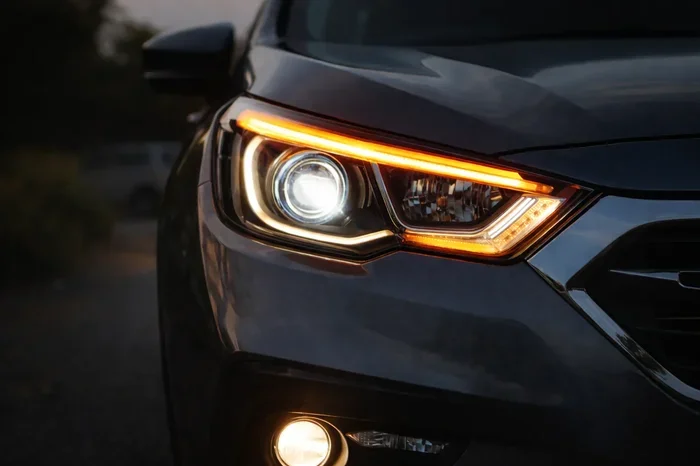
Cars with automatic headlights use smart light sensors to turn on and off by themselves. This feature makes driving safer and more convenient, especially at night or in bad weather. We will walk you through how they work, the best models, and why you should consider them for your next car.
Key Takeaways
- Automatic headlights turn on and off by themselves: You never have to think about flipping the switch again.
- They use a light sensor on the dashboard: This sensor detects darkness and triggers the headlights instantly.
- Safety improves significantly: Better visibility means fewer accidents during low-light driving.
- Many new car models offer this feature: From sedans to SUVs, automatic headlights are becoming standard.
- They save time and reduce driver fatigue: Less fiddling with switches means more focus on the road.
- Automatic high beams add another layer of safety: These adjust brightness based on surrounding traffic.
- Retrofitting is possible for older cars: You can add this feature to many older vehicles with some effort.
📑 Table of Contents
- Cars With Automatic Headlights That Make Driving Easier
- How Automatic Headlights Work
- Why Automatic Headlights Matter for Driving Safety
- Top Cars With Automatic Headlights
- How to Know If Your Car Has Automatic Headlights
- Common Mistakes People Make With Automatic Headlights
- Can You Add Automatic Headlights to Older Cars?
- Expert Tips for Getting the Most Out of Automatic Headlights
- Frequently Asked Questions
- Final Thoughts
Cars With Automatic Headlights That Make Driving Easier
Driving at dusk or through a dark tunnel can be stressful. You fumble for the headlight switch. You forget to turn them off. You drive with dead batteries because you left the lights on. These problems are real and annoying. But there is a simple fix. Cars with automatic headlights solve all of these issues in one smart move.
Automatic headlights are a game changer. They use a small sensor to detect how dark it is outside. When it gets dim, the lights turn on by themselves. When it gets bright, they turn off. You do not have to lift a finger. This feature is not just a luxury anymore. It is fast becoming a standard part of modern vehicles. In this guide, we will cover everything you need to know about automatic headlight systems. You will learn how they work, which cars have them, and why they are worth your attention.
Whether you buy a new car or drive an older model, this guide has something for you. We will break down the tech, share practical tips, and answer common questions. Let us dive in and make your driving life easier.
How Automatic Headlights Work
Understanding how automatic headlight systems work is simple. The technology is smarter than most people think. Here is a quick look under the hood.
The Light Sensor
Most cars with automatic headlights have a small sensor on the dashboard. It sits near the windshield. This sensor is called an ambient light sensor. It constantly measures the light around the car. When the light level drops below a certain point, the sensor sends a signal to the headlight system. The headlights turn on automatically. When the sun comes back out, the sensor detects the increase in light. The headlights turn off again. This whole process takes just a few seconds.
The Control Module
The control module is the brain behind the operation. It receives data from the ambient light sensor. It then decides when to activate the automatic lighting. Some control modules also manage automatic high beams. These adjust the brightness of your headlights based on the traffic around you. If there is no oncoming traffic, the high beams stay on. If a car approaches, they switch to low beams. This is a huge safety boost.
The Headlight Bulbs
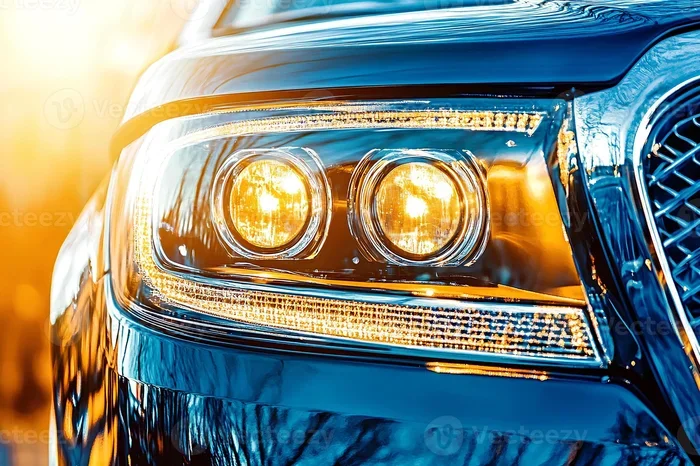
The type of bulb matters too. Many modern cars use LED headlights for auto systems. LEDs turn on and off very fast. They also last longer and use less energy. Some cars use xenon headlights or halogen bulbs. Each type works well with automatic systems. But LED headlights are the most popular choice today.
Why Automatic Headlights Matter for Driving Safety
Safety is the number one reason to care about automatic headlights. Let us look at the facts.
According to the National Highway Traffic Safety Administration, many accidents happen during low-light conditions. Dawn, dusk, and nighttime driving are all high-risk times. Drivers who forget to turn on their headlights are more likely to be involved in a crash. Automatic headlight activation removes human error from the equation. You do not have to remember to switch the lights on.
Here are some key safety benefits:
- Better nighttime visibility: Your headlights come on the moment it gets dark.
- Faster response in tunnels: The lights turn on as soon as you enter a dark tunnel.
- Reduced glare for other drivers: Auto systems turn off lights when not needed.
- Improved weather visibility: Lights activate automatically during rain, fog, or heavy clouds.
- Less driver fatigue: You focus on the road instead of flipping switches.
These benefits add up fast. Even if you are a careful driver, other people on the road may not be. Automatic headlights help make sure your car is always visible when it needs to be.
Daytime Running Lights vs. Automatic Headlights
Some people confuse daytime running lights with automatic headlights. They are not the same thing. Daytime running lights are always on when the car is moving. They make your car visible during the day. But they do not light up the road ahead. Automatic headlights, on the other hand, turn on the full headlight system. They illuminate the road and make your car visible from behind. Many modern cars have both features. That is the best setup for all-around safety.
Top Cars With Automatic Headlights
So which cars come with automatic headlights built in? The list is long and growing. Here are some popular options across different price ranges.
Budget-Friendly Options
You do not need to spend a fortune to get auto headlights. Several affordable models offer this feature as standard or available on lower trims.
- Honda Civic: The Civic offers automatic headlights on most trims. It is reliable, fuel-efficient, and well priced.
- Toyota Corolla: Toyota includes automatic lighting on many Corolla models. The car is known for lasting a long time.
- Hyundai Elantra: This sedan comes with auto headlights as standard on higher trims. It also has a great warranty.
Mid-Range Options
If you want more features and comfort, these mid-range cars are excellent choices.
- Toyota Camry: The Camry offers automatic headlight systems with smart features. It is comfortable for long drives.
- Honda Accord: The Accord includes auto headlights and adaptive lighting options. It is a top pick for families.
- Mazda3: Mazda builds cars that feel premium at a mid-range price. The Mazda3 has great nighttime visibility.
Luxury Options
Luxury cars take automatic headlights to the next level. They often include adaptive and smart systems.
- BMW 3 Series: BMW offers adaptive automatic high beams and premium LED lighting.
- Mercedes-Benz C-Class: Mercedes includes smart headlight systems that adjust to road conditions.
- Audi A4: Audi is known for excellent lighting technology. The A4 comes with advanced LED headlights and auto mode.
How to Know If Your Car Has Automatic Headlights
Not sure if your current car has this feature? It is easy to check. Here is what to look for.
Check the Headlight Switch
Look at your headlight switch on the dashboard or steering column. If you see a setting labeled “Auto” or a symbol that looks like a car with lights, your car has automatic headlights. When the switch is in the Auto position, the car handles everything for you.
Look for the Dashboard Sensor
Many cars with automatic headlights have a small sensor on the dashboard. It is usually near the top of the windshield. If you see a small black dot or strip there, that is likely the ambient light sensor. This is how your car knows when to turn the lights on.
Check Your Owner Manual
Your car’s owner manual is a great resource. Look for the section on lighting or headlight settings. The manual will tell you if your car has auto headlight activation and how to use it.
Quick Test
Here is a simple test you can do. Park your car in a dark garage or covered area. Turn the headlight switch to Auto. Wait a few minutes. If the headlights turn on by themselves, your car has the feature. Walk outside and check. This is the easiest way to confirm.
Common Mistakes People Make With Automatic Headlights
Even though automatic headlights are smart, people still make mistakes. Here are some common ones to avoid.
Leaving the Switch in the Wrong Position
If you leave the headlight switch in the “Off” position, the auto feature will not work. Always make sure the switch is set to “Auto” if your car has that option. This is the most common mistake new drivers make.
Assuming They Work in All Conditions
Automatic headlights work great in most situations. But they are not perfect. Heavy rain or thick fog can sometimes confuse the sensor. The lights might not turn on if the sensor does not detect enough darkness. In these cases, it is smart to switch to manual mode and turn the lights on yourself.
Forgetting to Check the Sensor
The ambient light sensor can get dirty or blocked. If you have a dirty dashboard or a sticker near the windshield, it might cover the sensor. Keep the area clean so the sensor can work properly. A quick wipe-down during car washes helps a lot.
Ignoring Warning Lights
If your dashboard shows a headlight warning light, do not ignore it. It could mean the sensor is not working. Or there might be a problem with the vehicle lighting system. Get it checked by a mechanic to stay safe.
Can You Add Automatic Headlights to Older Cars?
Good news. You can add automatic headlight systems to many older cars. It is called retrofitting, and it is more affordable than you might think.
First, check if your older car has a headlight switch with an Auto setting. Many cars from the 2000s and later already have the wiring in place. You may just need to activate the feature.
If your car does not have an Auto setting, you can install an aftermarket ambient light sensor. These sensors plug into your car’s electrical system. They connect to the headlight switch and add auto functionality. The cost is usually between $50 and $200 for the parts. Installation is straightforward if you are handy with basic car electronics.
Here are some tips for retrofitting:
- Buy a sensor that is compatible with your car model.
- Follow the installation instructions carefully.
- Test the system in a dark area before driving at night.
- Consider upgrading to LED bulbs for better performance.
Retrofitting is a great way to add modern convenience to an older car. It makes nighttime driving much safer and more comfortable.
Expert Tips for Getting the Most Out of Automatic Headlights
Want to get the best performance from your auto headlights feature? Follow these expert tips.
Keep the Sensor Clean
A dirty sensor means unreliable automatic operation. Wipe the sensor area regularly. This keeps the headlight activation working smoothly.
Use the Right Bulb Type
LED bulbs work best with automatic systems. They respond faster and last longer. If your car still has halogen bulbs, consider upgrading to LEDs. The improvement in driving safety features is noticeable right away.
Do Not Rely on Auto Mode in All Situations
Use manual mode when you know you need extra light. For example, driving on unlit rural roads at night. Auto mode is great for city driving and highways. But manual control gives you more flexibility when you need it.
Pair Automatic Headlights With Other Safety Features
Automatic headlights work best when paired with other smart features. Look for cars with adaptive headlights that swivel with the steering. Combine auto headlights with automatic high beams for the best low-light driving experience. Together, these features create a safer and more comfortable ride.
Have the System Checked During Routine Maintenance
Include your automatic lighting system in your regular car maintenance routine. A mechanic can check the sensor and wiring. This prevents small issues from becoming big problems. It also ensures your headlights are always ready when you need them.
Frequently Asked Questions
Do automatic headlights save battery life?
Yes, they can. Because the lights turn off automatically when it gets light outside, you are less likely to forget and leave them on. This prevents battery drain. Modern automatic headlight systems are designed to be energy efficient, especially when paired with LED bulbs.
Can I manually turn on the headlights if auto mode is on?
Absolutely. Most cars let you override the auto mode. You can switch to manual and turn the lights on or off whenever you want. This gives you full control when you need it. Just remember to switch back to Auto if you want the feature to work again.
Are automatic headlights only available on expensive cars?
No. Many affordable and mid-range cars now offer this feature. Even some budget models include automatic headlights as standard equipment. The feature has become much more accessible over the last few years. You do not need a luxury car to enjoy the benefits.
Do automatic headlights work in all weather conditions?
They work in most conditions, but there are exceptions. Heavy rain, thick fog, or snow can sometimes affect the sensor. The sensor detects light levels, not weather conditions. In very low visibility situations, it is a good idea to switch to manual mode and turn the lights on yourself to be safe.
How long do automatic headlight sensors last?
The sensors are built to last the life of the vehicle. They are electronic components, so they rarely fail. If a sensor does go bad, replacement is usually simple and affordable. Regular car maintenance helps keep the system working well for many years.
What is the difference between automatic headlights and daytime running lights?
Daytime running lights are low-intensity lights that stay on during the day to make your car visible. They do not light up the road ahead. Automatic headlights turn on the full headlight system, including low beams, when it gets dark. They illuminate the road and make your car visible from behind. Many modern cars have both features for complete coverage.
Final Thoughts
Cars with automatic headlights are a smart and practical choice for any driver. They make driving easier, safer, and more convenient. You never have to worry about forgetting to turn your lights on or off again. The technology is simple, reliable, and now available across a wide range of car models and price points.
Whether you are buying a new car or retrofitting an older one, automatic headlights are worth the investment. They improve nighttime visibility, boost driving safety features, and add real everyday value. The small convenience they provide adds up to a big difference over time.
Take a moment to check if your current car has this feature. If it does not, consider it the next time you are shopping. And if you are already driving a car with auto headlight activation, make sure you are using it correctly. Keep the sensor clean, use the right bulbs, and enjoy the benefits. Safe driving starts with smart choices, and automatic headlights are one of the best ones you can make.