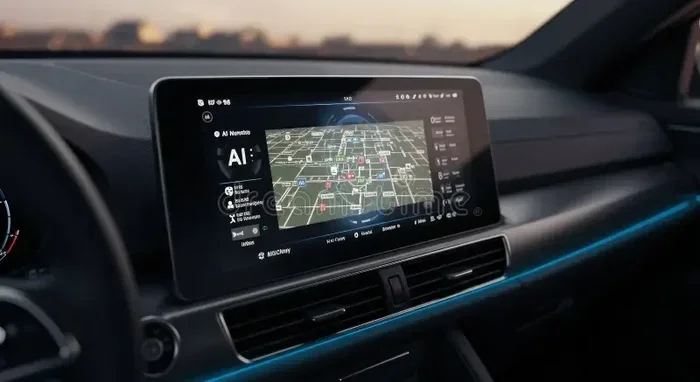
Do Cars Still Come With Navigation Systems Anymore
Do cars still come with navigation systems? The answer is more complicated than you might think. Many new vehicles still offer built-in GPS and factory navigation, but the trend is shifting toward smartphone integration like Apple CarPlay and Android Auto. Whether you need a car navigation system depends on your driving habits, budget, and how much you value a dedicated infotainment screen with offline maps and live traffic updates.
Do cars still come with navigation systems? It is a great question, and the answer might surprise you. If you are shopping for a new vehicle, you have probably noticed that navigation systems are not as common as they used to be. Ten years ago, almost every mid-range car came with a built-in GPS screen on the dashboard. Today, things are different.
Many automakers now rely on smartphone integration instead of factory-installed GPS units. Apple CarPlay and Android Auto let you use your phone’s navigation apps on the car’s screen. But does this mean built-in GPS is dead? Not quite. Let us dive deep into this topic and figure out where car navigation stands today.
Key Takeaways
- Many new cars still include navigation systems: Brands like BMW, Mercedes, and Toyota continue to offer factory navigation as standard or optional.
- Smartphone integration is replacing built-in GPS: Apple CarPlay and Android Auto have become the go-to GPS tracker solution for many drivers.
- Built-in systems offer advantages: They work without a phone, provide turn-by-turn directions, and often include offline maps and traffic updates.
- Aftermarket options exist: You can add a GPS unit or upgrade your dashboard screen if your car lacks navigation.
- Map updates matter: A navigation system is only as good as its map database, and outdated maps can cause problems.
- The future is evolving: Voice commands and AI-powered routing are changing how we think about car navigation.
📑 Table of Contents
- The Current State of Car Navigation Systems
- Why Smartphone Integration Is Replacing Built-In GPS
- The Pros and Cons of Built-In Navigation Systems
- How Modern Navigation Systems Actually Work
- Should You Pay Extra for Navigation in a New Car?
- Aftermarket Navigation Options
- The Future of Car Navigation
- Common Mistakes People Make With Car Navigation
- Quick Tips for Getting the Most From Your Navigation System
- Conclusion
The Current State of Car Navigation Systems
The automotive landscape has changed a lot in the last decade. Navigation systems used to be a selling point. Dealers would brag about their turn-by-turn directions and built-in map database. Now, many buyers simply plug in their phone and use Google Maps or Waze.
But here is the thing. A factory navigation system still offers benefits that a phone cannot match. For example, built-in systems work even when you lose cell service. They also integrate with the car’s audio system, climate controls, and dashboard displays in ways a phone mount never can.
Which Cars Still Offer Built-In Navigation?
Several automakers still include navigation systems in their vehicles. Here are some examples:
- BMW: Most BMW models come with a standard infotainment system that includes GPS navigation. Higher trims offer upgraded systems with real-time traffic updates.
- Mercedes-Benz: Mercedes vehicles often feature their MBUX system, which includes built-in GPS and route planning tools.
- Toyota: Many Toyota models offer navigation systems as part of their infotainment package. The Toyota Audio Plus system includes GPS tracking and voice commands.
- Ford: Ford’s SYNC system supports navigation in many models. Some trims include a GPS unit with live traffic data.
- Audi: Audi’s MMI system is known for its excellent car navigation features, including 3D mapping and lane guidance.
So yes, navigation systems are still alive and well in many new cars. They just are not as universal as they once were.
Why Smartphone Integration Is Replacing Built-In GPS
The rise of smartphone integration has changed how we think about car navigation. Why pay extra for a built-in GPS tracker when your phone already has Google Maps or Apple Maps? This shift has pushed many automakers to rethink their approach.
Here is why smartphone integration has become so popular:
- Cost savings: Automakers save money by not installing expensive navigation systems. These savings get passed on to buyers.
- Always up to date: Phone apps receive map updates constantly. Built-in systems sometimes fall behind.
- Familiarity: Most drivers already know how to use Google Maps or Waze. There is no learning curve.
- More features: Phone apps offer live traffic updates, restaurant reviews, and route planning that built-in systems cannot match.
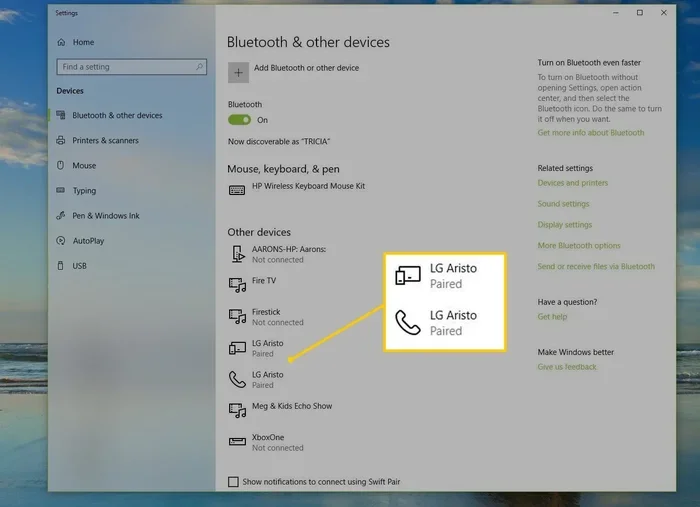
- Ease of use: Plugging in a phone via Bluetooth or a cable is simple and fast.
However, smartphone integration is not perfect. It relies on a stable cell connection. It also drains your phone battery. And during long road trips, a dedicated GPS unit can be more reliable.
Apple CarPlay vs. Android Auto
These two platforms have become the standard for GPS navigation in modern cars. Both let you mirror your phone’s navigation apps on the car’s screen. They also support voice commands, so you can keep your eyes on the road.
Apple CarPlay works best for iPhone users. It offers a clean interface and seamless integration with Apple Maps. Android Auto does the same for Android users, with Google Maps as the star of the show.
Many car buyers now see these tools as a replacement for factory navigation. But keep in mind that they still require a phone. If you forget your phone or it runs out of battery, you lose your car navigation.
The Pros and Cons of Built-In Navigation Systems
Let us break down the real-world benefits and drawbacks of a built-in GPS system. This will help you decide if it is worth the extra cost.
Pros of Built-In Navigation
- Works without a phone: You do not need a cell signal to get turn-by-turn directions. The system uses its own GPS antenna to track your location.
- Built into the dashboard: The screen is integrated into the car’s design. It looks clean and professional.
- Offline maps: Most factory navigation systems store map databases locally. You do not need an internet connection.
- Voice commands: Many systems support voice commands that are more responsive than phone-based apps.
- Better audio integration: Directions come through the car’s speakers naturally, without any extra setup.
- No battery drain: You do not have to worry about your phone dying on a long trip.
Cons of Built-In Navigation
- Expensive: Factory navigation often adds $1,000 or more to the vehicle price. That is a lot for a feature many people do not use.
- Outdated maps: Map updates can cost extra or require a visit to the dealer. Some systems go years without an update.
- Slower updates: Phone apps update constantly. Built-in systems can feel slow and clunky by comparison.
- Limited features: Most factory systems do not offer the same level of detail as Google Maps or Waze.
- Hard to replace: If the system breaks, repairs can be costly and complicated.
As you can see, there are clear trade-offs. A built-in GPS offers reliability and independence, but it costs more and may lag behind phone apps in features and updates.
How Modern Navigation Systems Actually Work
Understanding how a navigation system works can help you appreciate the technology. Let us keep it simple.
A GPS unit in your car communicates with satellites orbiting the Earth. These satellites send signals that tell the system exactly where you are. The navigation system then compares your location to its map database and calculates the best route.
Here is a simple breakdown of the process:
- Satellite signal: The GPS antenna picks up signals from at least four satellites.
- Location tracking: The system determines your exact position on the map database.
- Route calculation: The infotainment system uses algorithms to find the best route to your destination.
- Turn-by-turn directions: The system gives you voice commands and visual cues to guide you.
- Real-time updates: Advanced systems receive live traffic updates and adjust your route accordingly.
Modern car navigation systems also use dead reckoning. This means the system can estimate your position even if the satellite signal drops temporarily, like in a tunnel or dense city.
The map database is a key part of any GPS tracker system. It contains road information, points of interest, speed limits, and more. The quality of this database makes a big difference in how well the navigation system performs.
Should You Pay Extra for Navigation in a New Car?
This is the big question. If you are buying a new car, should you pay for factory navigation? The answer depends on your situation.
You might want built-in GPS navigation if:
- You drive in areas with poor cell service often.
- You take long road trips through unfamiliar areas.
- You prefer not to use your phone while driving.
- You want a clean, integrated dashboard look.
- You frequently travel to remote locations where offline maps are essential.
You might skip built-in car navigation if:
- You always have your phone with you and good cell service.
- You are comfortable using Apple CarPlay or Android Auto.
- You want to save money on the vehicle purchase.
- You rarely drive in unfamiliar areas.
- You already use a dedicated GPS unit mounted on your dashboard.
Many buyers today choose to skip factory navigation and rely on their phones. This is a perfectly valid choice. But if you value independence and reliability, a built-in system is hard to beat.
The Cost Factor
Navigation systems can add anywhere from $500 to $2,500 to a car’s price tag. Some brands bundle GPS navigation into higher trim levels, so you get it whether you want it or not. Others offer it as a standalone option.
Here is a quick comparison of how different brands handle navigation pricing:
- BMW: Navigation often comes standard on higher trims. Base models may not include it.
- Mercedes-Benz: Navigation is typically part of the premium package and can be costly.
- Toyota: Navigation is usually an optional add-on, costing around $1,000 to $1,500.
- Ford: SYNC with navigation is available on most trims but costs extra.
- Hyundai/Kia: These brands often include navigation on mid-level trims at no extra cost.
Before you pay for factory navigation, check if your phone-based solution covers your needs. In many cases, it does.
Aftermarket Navigation Options
What if your car does not have a navigation system? You are not out of luck. There are plenty of aftermarket options you can explore.
Dashboard-mounted GPS units are still available from brands like Garmin and TomTom. These standalone GPS trackers offer turn-by-turn directions and offline maps without needing a phone. They mount to your windshield or dashboard and work independently of the car.
You can also upgrade your car’s infotainment system with an aftermarket head unit. Many of these support Apple CarPlay, Android Auto, and even built-in GPS navigation. This is a great option for older cars that lack modern car navigation features.
Some popular aftermarket navigation options include:
- Garmin DriveSmart: A GPS unit with large screens, voice commands, and live traffic updates.
- TomTom Go: Known for reliable route planning and accurate GPS tracking.
- Aftermarket head units: These replace your factory radio and add navigation, Bluetooth, and more.
- Smartphone mounts: A simple and affordable way to use your phone as a GPS tracker on the dashboard.
Aftermarket solutions give you flexibility. You are not tied to a specific car or factory navigation system. You can upgrade or replace your device whenever you want.
The Future of Car Navigation
Where is car navigation heading? The technology is evolving fast. Here are some trends to watch:
AI-powered routing: Future navigation systems will use artificial intelligence to predict traffic patterns and suggest the best routes before you even start driving.
Augmented reality: Some GPS units are starting to overlay directions on the real world through the windshield or dashboard camera. This makes turn-by-turn directions even easier to follow.
Better offline capabilities: As map databases grow, offline maps will become more detailed and accurate. This is great news for drivers who venture into areas with no cell service.
Seamless phone-car integration: Bluetooth and wireless connections will make it even easier to use your phone for car navigation without any hassle.
Voice control: Voice commands will become the primary way to interact with navigation systems. You will be able to set destinations, change routes, and find points of interest just by talking.
The bottom line is that navigation systems are not going away. They are simply evolving. Whether built into the car or accessed through your phone, GPS navigation will remain an essential part of driving.
Common Mistakes People Make With Car Navigation
Even experienced drivers make mistakes when using car navigation. Here are some to avoid:
- Ignoring map updates: An outdated map database can lead you down wrong roads or to closed businesses. Always keep your GPS tracker updated.
- Relying solely on GPS: Navigation systems can make mistakes. Use your common sense and pay attention to road signs.
- Forgetting to charge your phone: If you use phone-based navigation, keep your phone charged. A dead phone means no directions.
- Overcomplicating route planning: Let the GPS unit handle the details. Trust the route planning algorithms and focus on driving.
Avoiding these mistakes will help you get the most out of any navigation system, whether it is built-in or aftermarket.
Quick Tips for Getting the Most From Your Navigation System
Want to use your car navigation like a pro? Here are some quick tips:
- Always update your map database before a long trip.
- Use voice commands to keep your hands on the wheel.
- Set your destination before you start driving.
- Keep your GPS antenna clean and unobstructed.
- Use offline maps when traveling in areas with poor signal.
- Combine your navigation system with live traffic updates for the best results.
- Clean your dashboard screen regularly for clear visibility.
These small habits can make a big difference in how well your GPS navigation performs and how safe your drives are.
Conclusion
So, do cars still come with navigation systems? Yes, many do. But the landscape has shifted. Smartphone integration through Apple CarPlay and Android Auto has become the norm for many buyers. Factory navigation is still available, but it is no longer a standard feature on every vehicle.
A built-in GPS system offers reliability, offline capability, and seamless integration with your car. But for many drivers, a phone-based solution with live traffic updates and voice commands is all they need.
The key is to understand your needs. If you drive often in areas with poor cell service or prefer a dedicated GPS tracker, built-in car navigation is still a great choice. If you are comfortable with your phone and want to save money, smartphone integration works just fine.
Either way, navigation systems are here to stay. They are just taking on a new form. The future of GPS navigation is bright, and the options are better than ever.
Frequently Asked Questions
Do all new cars still come with navigation systems?
No, not all new cars include built-in GPS anymore. Many automakers now rely on smartphone integration like Apple CarPlay and Android Auto instead. However, several brands still offer factory navigation as standard or optional on many models.
Is built-in navigation better than using my phone?
It depends on your needs. A built-in navigation system works without a phone and offers offline maps. But phone apps often have more features, better live traffic updates, and more frequent map updates. Both options have their strengths.
Can I add navigation to a car that does not have it?
Yes, you can. Aftermarket options include dashboard-mounted GPS units from Garmin or TomTom, or upgrading your infotainment system with a new head unit that supports navigation and Apple CarPlay or Android Auto.
How often do built-in navigation maps need updating?
Map updates vary by brand, but most factory navigation systems should be updated at least once a year. Some brands offer free updates for a limited time, while others charge a fee. Keeping your map database current is important for accuracy.
Do navigation systems work without cell service?
Yes, most built-in GPS systems work without cell service. They use satellite signals and store offline maps locally. This makes them reliable even in remote areas where your phone might lose signal.
What is the future of car navigation systems?
The future includes AI-powered routing, augmented reality displays, and even better voice commands. Navigation systems will continue to evolve, offering more accurate GPS tracking and smarter route planning to make driving safer and easier.