Do New TPMS Sensors Need to Be Activated for Your Car
Do new TPMS sensors need to be activated? Absolutely — every new tire pressure sensor must be programmed and registered to your vehicle before it works correctly. Whether you have direct TPMS or an indirect system, skipping activation is the fastest way to get a persistent warning light and inaccurate tire pressure readings. This guide walks you through the entire process step by step.
You just bought a fresh set of TPMS sensors for your car. Maybe you replaced a broken one. Maybe you upgraded to aftermarket tire pressure sensors. Or perhaps you rotated your tires and the sensors moved to new wheels. Whatever the reason, you’re staring at a brand-new sensor and wondering — do I really need to activate this thing? The short answer is yes. The longer answer is that understanding how tire pressure monitoring systems work can save you time, money, and a whole lot of frustration on the road.
TPMS activation is not something most people think about until that little yellow light pops up on the dashboard. By then, you’re already stressed and looking for answers. This article breaks down everything you need to know about activating new TPMS sensors. We’ll cover what TPMS actually does, why activation matters, how to do it yourself, and what to do when things go wrong. Let’s get into it.
Key Takeaways
- New TPMS sensors always need activation: They won’t work until properly paired with your vehicle’s computer.
- Two main types exist: Direct TPMS uses physical sensors; indirect TPMS uses wheel speed data.
- Activation methods vary: Auto relearn, manual relearn, and OBD-II programming are all common approaches.
- Common mistakes cause problems: Skipping registration, using the wrong tool, or ignoring battery life leads to repeated failures.
- Professional help is often worth it: A tire shop or dealer can activate sensors quickly and correctly.
- Sensor batteries last 5-10 years: Knowing when to replace them prevents surprise warning lights.
📑 Table of Contents
What Is a TPMS and Why Does It Matter?
Before we talk about activation, let’s make sure we’re on the same page about what a tire pressure monitoring system actually does. A TPMS is a safety feature built into your vehicle. It keeps an eye on the air pressure inside your tires and alerts you when pressure drops to a dangerous level.
Underinflated tires are a serious safety hazard. They reduce fuel efficiency. They wear out unevenly. And in extreme cases, they can cause blowouts. The TPMS warning light on your dashboard — usually a horseshoe shape with an exclamation point — tells you when something is off. Ignoring it is not a good idea.
There are two types of systems. Direct TPMS uses a small sensor inside each tire, usually mounted on the valve stem. These sensors measure the actual air pressure and send a wireless signal to your car’s computer. Indirect TPMS doesn’t use physical pressure sensors at all. Instead, it relies on the anti-lock brake system (ABS) to detect when a wheel is spinning differently than the others. Underinflated tires have a smaller rolling radius, which changes the wheel speed. The system picks up on that difference and triggers the light.
Why TPMS Maintenance Matters
Like any car component, your tire pressure sensor needs attention. The batteries inside direct sensors eventually die — usually after 5 to 10 years. When they do, the sensor stops sending data, and your warning light comes on. That’s when many car owners buy new sensors. And that brings us to the big question.
Do New TPMS Sensors Need to Be Activated?
Here’s the thing most people don’t realize. A brand-new TPMS sensor is not ready to work the moment you install it. It’s essentially a blank slate. Your car’s computer doesn’t know it exists yet. It doesn’t know which wheel it belongs to. It doesn’t have the correct sensor ID programmed into its memory.
So yes, do new TPMS sensors need to be activated? Without a doubt. Activation is the process of teaching your vehicle’s computer to recognize and communicate with the new sensor. Without it, you’ll likely see the TPMS warning light stay on or blink after installation. Even if the sensor is physically installed correctly, it won’t report data until it’s been registered and activated.
This step trips up a lot of car owners. People install the sensors, drive home, and wonder why the light is still on. The answer is simple — they skipped the activation step.
What Happens If You Don’t Activate New Sensors?
If you install a new sensor without activating it, several things can happen. The most common is that the TPMS warning light stays illuminated on your dashboard. Some vehicles will blink the light for a few minutes and then hold it steady. Other cars will display a message like “Check TPMS System” or “Low Tire Pressure.”
Even if the light doesn’t come on, the sensor won’t be reporting accurate tire pressure readings. That means your car isn’t actually monitoring your tire health. You lose the safety benefit entirely. In some cases, the system may throw an error code that requires a mechanic to clear it later.
How to Activate New TPMS Sensors
Now that you know activation is essential, let’s talk about how to actually do it. There are three main methods. Which one you use depends on your vehicle’s make, model, and year.
Method 1: Auto Relearn
The auto relearn process is the easiest and most common method for newer vehicles. Here’s how it works. You start the car and put it in a specific mode — usually by pressing a button on the dashboard or steering wheel. Then you drive the vehicle at a low speed. As you drive, the car’s computer automatically detects each sensor and registers its unique ID.
Most vehicles complete the auto relearn in about 10 to 20 minutes of driving. The TPMS warning light should turn off once the system has recognized all four sensors. Check your owner’s manual for the exact steps, because the process varies between manufacturers.
Quick Tip: Make sure all four tires are at the correct pressure before starting the relearn process. Incorrect pressure can confuse the system and cause it to fail.
Method 2: Manual Relearn
Some older or simpler vehicles require a manual relearn procedure. This means you activate the sensor yourself using a TPMS tool or by following a specific sequence of steps in the car’s menu system.
With a manual relearn, you typically need to:
- Turn the ignition to the “on” position without starting the engine.
- Press and hold the TPMS reset button until the warning light blinks three times.
- Start the engine and drive the vehicle at 50 mph or less for about 20 minutes.
- The system should then recognize the new sensors and turn off the light.
The TPMS reset button is usually located beneath the steering wheel. If you can’t find it, consult your owner’s manual or search for your specific vehicle model online.
Method 3: OBD-II Scanner or TPMS Programming Tool
For modern vehicles with advanced systems, you may need an OBD-II scanner or a dedicated TPMS programming tool. These devices connect to your car’s diagnostic port — usually found under the steering column — and communicate directly with the vehicle’s computer.
The tool reads the sensor IDs and writes them into the car’s system. This method is very precise and works well for vehicles that don’t support auto or manual relearn. Some tire shops and dealerships use this approach because it’s fast and reliable.
If you want to do this at home, you can buy an OBD-II scanner with TPMS capabilities for around $50 to $150. Popular brands include Autel, Launch, and Actron. They’re not cheap, but if you change your own tires or sensors regularly, the investment pays for itself quickly.
Quick Tips for Successful Activation
- Always check tire pressure first. Inflate all tires to the manufacturer’s recommended PSI before starting any relearn process.
- Read the owner’s manual. Your vehicle’s specific activation steps are in there. It saves time and prevents errors.
- Use the right tool. Not all TPMS tools work with every vehicle. Make sure your scanner or activator is compatible.
- Replace sensor batteries proactively. If a sensor is more than 8 years old, consider replacing it with a new one before the battery dies completely.
- Don’t rush the process. Let the system complete its full cycle. Driving away too early can cause the light to come back on.
Direct TPMS vs. Indirect TPMS: What You Need to Know
Understanding the difference between direct TPMS and indirect TPMS is important because the activation process differs for each. Let’s break it down.
| Feature | Direct TPMS | Indirect TPMS |
|---|---|---|
| Uses physical sensors | Yes | No |
| Sensor location | Inside tire, on valve stem | N/A (uses ABS sensors) |
| Measures actual pressure | Yes | No (infers from wheel speed) |
| Requires sensor activation | Yes | No (but may need relearn) |
| More accurate | Yes | Less precise |
| Common in newer vehicles | Yes | Older models |
| Battery replacement needed | Yes (every 5-10 years) | No |
If your car has direct TPMS, every new sensor needs to be activated and registered. The sensor has a unique ID that must be matched to its wheel position. If you swap sensors between wheels, you need to reactivate them. This is especially important after tire rotations or wheel replacements.
With indirect TPMS, there are no physical pressure sensors to activate. However, after tire rotations or new tire installations, the system may still need a TPMS reset or relearn procedure. This recalibrates the system to recognize the new tire sizes and rolling diameters. Without it, the warning light may stay on even though the tires are fine.
Aftermarket TPMS Sensors: Do They Work the Same Way?
Many car owners choose aftermarket TPMS sensors because they cost less than OEM parts. The good news is that most aftermarket sensors work just as well as factory sensors. The bad news is that they often require a different activation process.
Aftermarket sensors usually come with a programming tool or need to be activated with a universal TPMS activator. Some sensors are “programmable,” meaning you can input the sensor ID manually. Others are “auto-learn” sensors that pair themselves automatically when you drive the car.
Expert Insight: When buying aftermarket sensors, check compatibility with your vehicle before purchasing. Not all sensors work with all cars. The brand, frequency, and protocol must match your car’s system for activation to work properly.
Common TPMS Activation Problems and How to Fix Them
Even when you follow the steps correctly, things can go wrong. Here are the most common problems people run into when activating new TPMS sensors and how to solve them.
The Warning Light Won’t Turn Off
This is the number one complaint. You’ve installed the sensors, gone through the relearn process, but the TPMS warning light is still on. What went wrong?
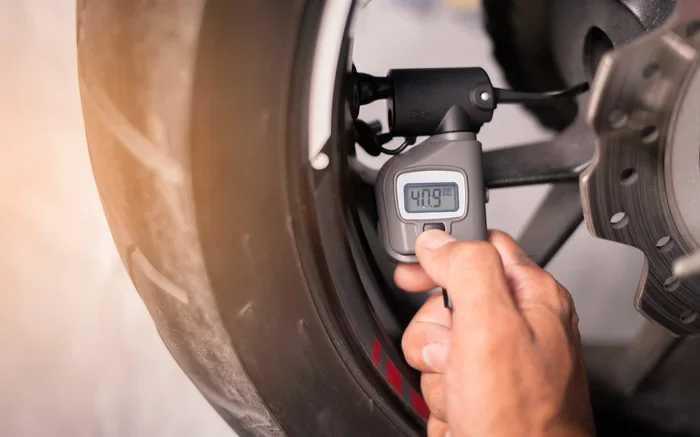
First, check the tire pressure. If even one tire is low, the light will stay on regardless of sensor activation. Use a reliable tire gauge and inflate to the PSI listed on the driver’s side door jamb.
If the pressure is fine, try the relearn process again. Sometimes the system doesn’t catch all four sensors the first time. Driving for an extended period — 30 to 40 minutes at highway speeds — can help the system complete its scan.
One Sensor Isn’t Being Recognized
If three sensors are recognized but one isn’t, the problem is usually with that specific sensor. It might not be seated properly on the valve stem. Or the sensor battery could be dead — even brand-new sensors can have dead batteries if they’ve been sitting on a shelf too long.
Try removing the sensor and reseating it. Make sure the rubber grommet or nut is tight. If the sensor still isn’t recognized, it may be defective and need to be replaced.
Interference From Other Vehicles
This one surprises people. TPMS sensors transmit on a radio frequency. If you’re trying to activate a sensor near other vehicles with active TPMS systems, the signals can interfere with each other. The car’s computer might pick up the wrong sensor ID.
To avoid this, activate sensors one at a time in a quiet area away from other parked cars. If you’re at a tire shop, let the technician know about potential interference so they can work around it.
Sensor Battery Is Already Dead
It sounds unlikely, but new sensors can arrive with dead batteries. This happens when sensors sit in inventory for too long. If a sensor won’t activate no matter what you try, the battery might be the issue.
Common Mistake: Don’t assume a brand-new sensor is automatically good. Always test it with a TPMS tool before full installation. This saves the hassle of pulling the sensor back out later.
When to Replace Your TPMS Sensors
Knowing when to replace your sensors can prevent unexpected warning lights and safety issues. Here are the signs that it’s time for new tire pressure sensors.
- The warning light stays on after inflation: If you’ve added air and the light won’t go off, the sensor may be failing.
- Intermittent flashing: A light that blinks and then stays on often signals a sensor communication problem.
- Age over 8 years: Sensor batteries degrade over time. After 8 years, failure rates increase significantly.
- Corroded or damaged sensors: If the sensor body is visibly damaged or corroded, it needs replacement.
- Inconsistent readings: If your tire pressure readings jump around or don’t match a manual gauge, the sensor may be inaccurate.
Replacing sensors in pairs is a good practice, especially if your vehicle has direct TPMS. Matching sensors ensures consistent communication and reduces the chance of activation issues. Many drivers replace all four sensors at once when they hit the 8-year mark, just to stay ahead of problems.
TPMS Service: What It Includes
When you take your car in for TPMS service, a technician typically does several things. They check the battery life of each sensor. They test the sensor signal strength. They verify that each sensor is transmitting the correct pressure data. And if new sensors are needed, they install and activate them as part of the service.
A full TPMS service usually costs between $50 and $150 depending on your location and vehicle. It’s a worthwhile investment because proper sensor function directly impacts your safety and fuel economy.
Final Thoughts
The answer to do new TPMS sensors need to be activated is a clear and definitive yes. Every new sensor must be registered, paired, and activated before it can do its job. Skipping this step leaves you with a persistent warning light, inaccurate readings, and a safety system that isn’t actually working.
The good news is that activation isn’t complicated. Whether you use auto relearn, manual relearn, or an OBD-II scanner, the process is straightforward once you know the steps. And if you’re not comfortable doing it yourself, any tire shop or dealership can handle it quickly and affordably.
Take care of your tire pressure monitoring system and it will take care of you. Check your tire pressure regularly. Replace sensors before the batteries die. And never ignore that little yellow light on your dashboard. Your tires are the only part of your car that touches the road. Keeping them properly monitored is one of the simplest and most important things you can do as a car owner.
Frequently Asked Questions
Can I drive with the TPMS light on after installing new sensors?
You can drive, but you shouldn’t. The light means the system isn’t monitoring your tire pressure properly. Until you complete the activation process, your safety is compromised. Drive to a safe location and activate the sensors as soon as possible.
How much does it cost to activate new TPMS sensors?
If you do it yourself with an OBD-II scanner, the cost is just the tool price. If you visit a tire shop or dealership, activation is usually included in the sensor installation cost, which ranges from $25 to $75 per sensor depending on your vehicle.
Do aftermarket TPMS sensors need special activation tools?
Some do, and some don’t. Many aftermarket sensors support auto relearn and work without special tools. However, programmable aftermarket sensors often require a TPMS activation tool or scanner to register the sensor ID with your vehicle’s computer.
How long does TPMS sensor activation take?
It usually takes about 10 to 30 minutes. Auto relearn is the fastest. Manual relearn takes a bit longer. Using an OBD-II scanner can be the quickest method if you have the right equipment.
Why does my TPMS light come back on after activation?
This usually happens because the relearn process wasn’t completed fully. Try driving at a steady speed for 20 to 30 minutes to let the system finish scanning. If the light returns, check tire pressure and reseat the sensors on the valve stems.
Do I need to activate TPMS sensors after a tire rotation?
Yes, in most cases. Rotating tires moves sensors to different wheel positions, and the car’s computer may need to relearn their locations. A quick TPMS reset or relearn procedure after every rotation keeps the system working accurately.
=== CONCLUSION ===
Do new TPMS sensors need to be activated? Yes, without exception. Proper activation ensures your tire pressure monitoring system works correctly, keeps you safe on the road, and prevents annoying warning lights. Whether you choose auto relearn, manual relearn, or an OBD-II scanner, the key is to never skip this step. Take a few extra minutes after installing new sensors, follow the correct procedure for your vehicle, and enjoy the peace of mind that comes from knowing your tires are being monitored properly. Your car — and your wallet — will thank you for it.