Do Toyota Tundras Get Good Gas Mileage on the Highway
Do Toyota Tundras Get Good Gas Mileage on the Highway? The answer depends on the model year, engine size, and driving habits. Most Tundra models deliver between 16 and 22 MPG on the highway, which is average for a full-size truck. With the right driving techniques and regular maintenance, you can push those numbers higher and save at the pump.
Do Toyota Tundras Get Good Gas Mileage on the Highway? If you are shopping for a full-size pickup and fuel economy matters to you, this is probably the first question on your mind. The Toyota Tundra has been a popular choice for truck lovers for years. It is strong, reliable, and built to handle tough jobs. But when it comes to gas mileage, the picture is a bit more complicated than a simple yes or no.
The truth is, your Tundra gas mileage depends on several factors. The model year, engine type, driving style, and even the weight you carry all play a role. In this article, we will break down everything you need to know about Toyota Tundra fuel economy on the highway. You will learn real MPG numbers, what affects them, and how you can get the most out of every gallon.
Whether you use your Tundra for weekend towing trips or daily highway commuting, this guide will give you practical insights. We will compare different model years, share expert tips, and answer the most common questions truck owners ask. Let us dive in and find out exactly where the Tundra stands when it comes to gas mileage.
Key Takeaways
- Highway MPG Range: Most Toyota Tundras earn between 16 and 22 MPG on the highway, depending on the engine and model year.
- Engine Matters: The 5.7-liter V8 uses more fuel than the smaller 3.4-liter twin-turbo V6 found in newer models.
- Driving Habits Count: Smooth acceleration, steady speeds, and proper tire pressure can noticeably improve your Tundra gas mileage.
- Towing Drops MPG: Towing a trailer can reduce fuel economy by 30% or more, especially with the larger engine.
- Newer Models Are Better: The latest Tundra generations feature improved fuel efficiency thanks to advanced engine technology and aerodynamics.
- Fuel Costs Add Up: Understanding your Tundra fuel costs helps you budget better for long road trips and daily commuting.
- Hybrid Options Help: The new Tundra Hybrid delivers better MPG than previous gas-only models, making it a smart choice for fuel-conscious buyers.
📑 Table of Contents
Understanding Toyota Tundra Gas Mileage
Before we talk numbers, it helps to understand what affects Toyota Tundra fuel economy in the first place. A full-size pickup truck is a heavy vehicle. It carries a large engine, a sturdy frame, and plenty of cargo capacity. All of that weight takes energy to move. That is why trucks generally use more fuel than smaller cars and SUVs.
The Tundra has gone through several generations since it debuted in 2000. Each generation brought changes to the engine, transmission, and body design. These changes directly impact your Tundra highway MPG. Older models tend to be less fuel efficient than newer ones. But even within the same model year, choices like two-wheel drive versus four-wheel drive can shift your numbers.
What the EPA Says About Tundra Fuel Economy
The Environmental Protection Agency provides official fuel economy estimates for every new vehicle sold in the United States. These numbers give buyers a baseline for comparing trucks. For the Toyota Tundra, the EPA rates highway gas mileage differently depending on the engine and drivetrain.
Most recent Tundra models with the 5.7-liter V8 engine earn around 16 to 18 MPG on the highway. The newer 3.4-liter twin-turbo V6 engine performs a bit better in some configurations. The Tundra Hybrid, introduced in the latest generation, pushes those numbers even higher. Still, no full-size truck will ever match the fuel economy of a compact car. That is simply the trade-off for size, power, and towing capability.
How the Toyota Tundra Compares on the Highway
So how does the Tundra stack up against other full-size trucks? Let us put things into perspective. When you are cruising down the interstate at 65 to 70 miles per hour, your Tundra fuel consumption settles into a steady rhythm. At highway speeds, the engine does not work as hard as it does in stop-and-go city traffic.
Here is a quick look at how the Tundra compares to similar trucks in the full-size pickup segment:
- Toyota Tundra (5.7L V8): 16-18 MPG highway
- Toyota Tundra (3.4L Twin-Turbo V6): 18-20 MPG highway
- Toyota Tundra Hybrid: 20-22 MPG highway
- Ford F-150 (5.0L V8): 15-17 MPG highway
- Chevrolet Silverado 1500 (5.3L V8): 16-18 MPG highway
- Ram 1500 (5.7L HEMI V8): 16-17 MPG highway
As you can see, the Tundra holds its own. It is not the most fuel-efficient truck on the highway, but it is competitive. The newer twin-turbo V6 and the Hybrid powertrain give the Tundra a real edge over older competitors. If you drive long distances frequently, those extra few MPG can add up to meaningful savings over time.
Tundra vs. Competitors: Real-World Highway MPG
EPA estimates are helpful, but real-world numbers tell a more complete story. Many Tundra owners report their actual highway fuel economy in online forums and owner surveys. These real-world Tundra MPG results often come in slightly above or below the EPA estimates.
Factors like cargo weight, trailer drag, wind conditions, and even road elevation can shift your real-world numbers. A Tundra owner who drives empty on flat interstate roads may see 20 MPG or more. Another owner hauling a heavy trailer up mountain grades might drop to 12 or 13 MPG. This wide range shows why it is important to consider your typical driving conditions when evaluating gas mileage.
Factors That Affect Tundra Fuel Economy
Understanding what drains your fuel helps you make smarter choices. Several key factors influence how many miles per gallon your Tundra achieves on the highway. Let us break them down one by one.
Engine Size and Type
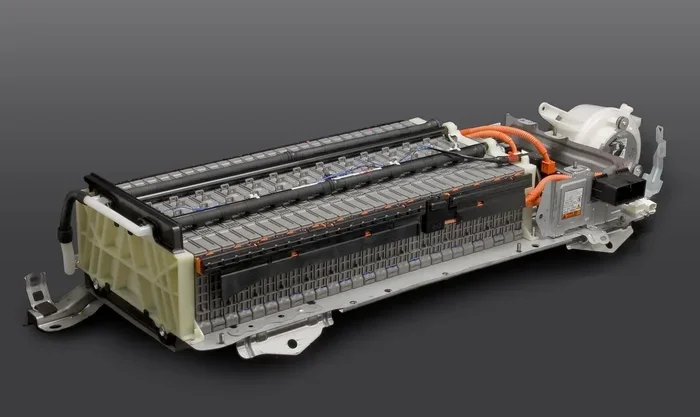
The engine is the biggest factor in your Tundra gas mileage. The 5.7-liter V8 produces serious horsepower and torque, which is great for towing. But it also burns more fuel. The newer 3.4-liter twin-turbo V6 offers a good balance of power and efficiency. And the Tundra Hybrid combines a traditional engine with an electric motor to squeeze out every last mile per gallon.
If fuel economy is a top priority for you, the twin-turbo V6 or the Hybrid version are the best choices. They deliver strong performance while using less fuel than the big V8. This makes them ideal for drivers who spend a lot of time on the highway.
Driving Style and Speed
How you drive matters more than you might think. Aggressive acceleration, speeding, and frequent lane changes all waste fuel. Smooth, steady driving is the key to maximizing your Tundra highway MPG. Keeping your speed between 55 and 65 miles per hour is the sweet spot for fuel efficiency.
Using cruise control on long highway stretches helps maintain a constant speed. This reduces unnecessary fuel spikes caused by speeding up and slowing down. If your Tundra has a dynamic cruise control system, even better. It adjusts your speed automatically to keep a safe following distance while staying efficient.
Towing and Payload Weight
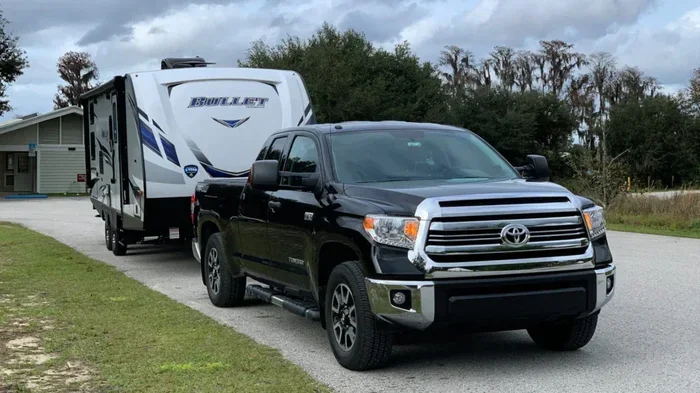
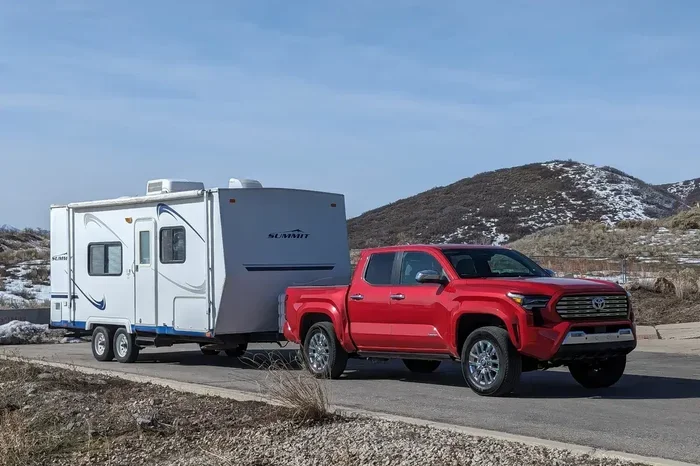
Here is a hard truth: towing a trailer kills your gas mileage. When you pull a heavy load, the engine works much harder. Your Tundra fuel economy can drop by 30% or more when towing at highway speeds. Even carrying heavy cargo in the bed adds weight and increases drag.
If you need to tow frequently, plan your fuel budget accordingly. Fill up more often on long trips, and try to keep your trailer weight as low as possible. Aerodynamic trailer covers and proper load distribution also help reduce the fuel penalty.
Tire Pressure and Aerodynamics
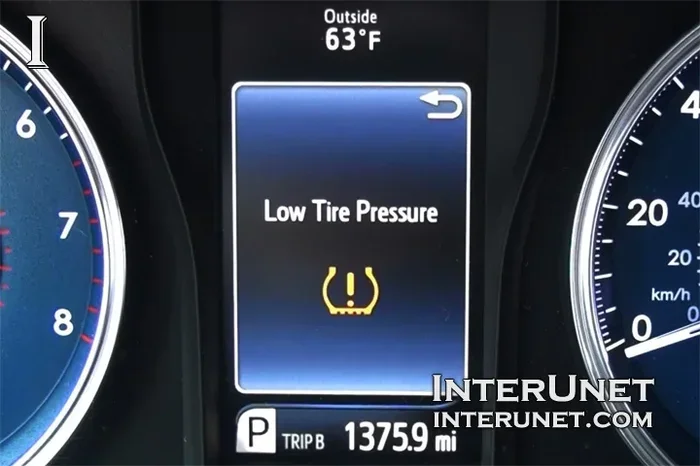
Underinflated tires create rolling resistance, which forces the engine to work harder. Keeping your Tundra tires at the recommended pressure is one of the simplest ways to improve fuel economy. Check your tire pressure at least once a month, especially before long highway trips.
Aftermarket accessories like roof racks and running boards add aerodynamic drag. Even something as small as a bug deflector on the windshield can reduce your MPG slightly. Removing accessories you do not need helps your Tundra cut through the air more efficiently.
Tips to Improve Your Tundra’s Highway MPG
Want to get better gas mileage out of your Tundra? You do not need to change your truck. You just need to change a few habits. These practical tips can help you squeeze more miles out of every gallon.
- Maintain a Steady Speed: Use cruise control on flat highways. Avoid sudden acceleration and braking.
- Keep Tires Properly Inflated: Check pressure monthly. Underinflated tires waste fuel.
- Remove Unnecessary Weight: Clean out your truck bed and cabin. Extra weight burns more fuel.
- Use the Right Oil: Stick with the manufacturer-recommended motor oil. Synthetic blends can reduce engine friction.
- Plan Your Trips: Combine errands and highway stretches. Warm engines run more efficiently.
- Avoid Idling: Turn off your engine if you are stopped for more than a minute.
- Keep Up with Maintenance: Regular oil changes, air filter replacements, and spark plug checks keep your engine running smoothly.
These tips may seem simple, but they add up. Many Tundra owners report a 10-15% improvement in their highway MPG just by following these basic practices. That can translate to real money saved at the gas station over the life of your truck.
Quick Tips for Long Road Trips
Planning a long highway trip in your Tundra? Here are a few extra steps to maximize your range:
- Fill up at the start of your trip and avoid topping off the tank.
- Check your air filter before departure.
- Pack light and distribute weight evenly.
- Use the recommended octane fuel for your engine.
- Monitor your MPG using the truck’s onboard display.
Toyota Tundra Gas Mileage by Model Year
The Tundra has changed a lot over the years. If you are buying used, the model year matters a lot for fuel economy. Here is a quick look at how Tundra gas mileage has evolved across generations.
First Generation (2000-2006)
The original Tundra came with a 4.7-liter V8 or a 5.7-liter V8. These early models averaged about 13-15 MPG on the highway. They were powerful but thirsty. If you own or are considering a first-generation Tundra, expect lower fuel economy by today’s standards.
Second Generation (2007-2021)
The second-generation Tundra improved slightly with a 5.7-liter V8 as the standard engine. Highway MPG hovered around 15-17 for most of this period. The introduction of the 5.7-liter engine brought more power but also more fuel consumption. This generation also saw the addition of a six-speed automatic transmission, which helped a bit with efficiency.
Third Generation (2022-Present)
The all-new 2022 and newer Tundra brought a major overhaul. The 3.4-liter twin-turbo V6 replaced the old V8 as the standard engine. This new powertrain delivers better fuel economy without sacrificing too much power. The Tundra Hybrid takes efficiency even further with an electric motor assist. Current models can achieve 18-22 MPG on the highway, a noticeable improvement over older generations.
Which Model Year Is Best for Fuel Economy?
If gas mileage is your top priority, the newest Tundra models are the clear winners. The 3.4-liter twin-turbo V6 and the Hybrid powertrain offer the best Tundra highway MPG available today. However, if you prefer a used truck, the second-generation models with the 5.7-liter engine still offer decent fuel economy for a full-size truck.
Is the Toyota Tundra Worth It Despite Fuel Costs?
Toyota Tundra fuel costs can add up, especially if you drive a lot of highway miles. A truck that gets 17 MPG will cost more to fuel than one that gets 22 MPG over the same distance. But the Tundra offers value that goes beyond just gas mileage.
The Tundra is known for its durability and resale value. It holds up well over time and retains a strong market price. Many owners keep their Tundras for 15 years or more. When you factor in the long-term ownership experience, the fuel costs become just one part of the equation.
If you need a truck for work, towing, or hauling, the Tundra delivers where it counts. The towing capacity, payload strength, and off-road capability make it a versatile tool. For many buyers, the fuel economy trade-off is worth the capability and reliability the Tundra provides.
That said, if you primarily use your truck for commuting and rarely tow, you might want to consider a smaller pickup or a hybrid alternative. The Tundra Hybrid is a great middle ground. It gives you truck capability with better fuel economy than the traditional V8 models.
Do Toyota Tundras Get Good Gas Mileage on the Highway? The honest answer is: they are average for the full-size truck class. They are not the most efficient option, but they are competitive. With the right model, smart driving habits, and regular maintenance, you can get respectable fuel economy from your Tundra. The key is knowing what to expect and planning accordingly.
Whether you are buying a new Tundra or already own one, understanding your fuel economy helps you make better decisions. Track your MPG, stay on top of maintenance, and adjust your driving habits. These small steps lead to real savings over time.
The Toyota Tundra remains one of the most popular full-size trucks on the road. Its combination of power, reliability, and improving fuel efficiency makes it a strong choice for highway drivers. Just keep your expectations realistic, and you will be happy with what this truck delivers at the pump.
Frequently Asked Questions
What is the average highway MPG for a Toyota Tundra?
Most Toyota Tundra models earn between 16 and 22 MPG on the highway. The exact number depends on the engine type, model year, and driving conditions. Newer models with the 3.4-liter twin-turbo V6 or the Hybrid powertrain tend to get the best highway fuel economy.
Does towing reduce Tundra gas mileage on the highway?
Yes, towing significantly reduces your Tundra fuel economy. When you pull a trailer, your MPG can drop by 25 to 40 percent depending on the trailer weight. This is true for all full-size trucks, not just the Tundra. Planning extra fuel stops on long towing trips is always a smart move.
Which Toyota Tundra engine gets the best gas mileage?
The 3.4-liter twin-turbo V6 engine and the Tundra Hybrid powertrain deliver the best fuel economy. The 5.7-liter V8 produces more power but uses more fuel. If highway MPG is your priority, go with the smaller engine or the Hybrid option.
Can I improve my Tundra’s highway MPG with driving habits?
Absolutely. Smooth acceleration, steady speeds, and proper tire pressure all help improve your gas mileage. Using cruise control on long highway drives and avoiding aggressive driving can boost your MPG by 10 to 15 percent. Small changes add up over time.
How does the Tundra Hybrid compare in fuel economy to the gas-only models?
The Tundra Hybrid is noticeably more fuel efficient than the gas-only models. It combines a traditional engine with an electric motor to improve MPG. On the highway, the Hybrid can achieve up to 22 MPG, which is several miles per gallon better than the standard V8 versions.
Are Toyota Tundras expensive to fuel compared to other trucks?
Tundra fuel costs are in line with other full-size trucks in its class. The 5.7-liter V8 models use more fuel than smaller trucks, but they also offer more towing power. When you factor in the Tundra’s strong resale value and reliability, the overall cost of ownership remains competitive.