Do You Set Cruise Control While Driving on the Highway
Do You Set Cruise Control While Driving on the highway? The answer depends on road conditions, traffic, and your comfort level. Cruise control can save fuel, reduce driver fatigue, and help you maintain a steady speed. However, it is not safe in heavy traffic, wet roads, or winding terrain. This guide covers when to use it, when to turn it off, and how to get the most out of your cruise control system.
Do You Set Cruise Control While Driving on the highway? If you spend any time behind the wheel on long stretches of road, this question probably crosses your mind. The truth is, cruise control is one of the most useful features in modern cars. But knowing how and when to use it makes all the difference between a smooth, safe ride and a risky one.
In this guide, we will walk you through everything you need to know about cruise control on the highway. We will cover the benefits, the risks, the best practices, and the common mistakes drivers make. By the end, you will feel confident about when to hit that set button and when to keep your foot on the pedal.
Cruise control is not just a luxury. It is a tool. And like any tool, it works best when you use it the right way. Let us dive in.
Key Takeaways
- Cruise control helps save fuel: Maintaining a steady speed on the highway reduces gas consumption and improves mileage.
- It reduces driver fatigue: Taking your foot off the pedal on long trips keeps you more comfortable and focused.
- Avoid it in bad weather: Wet, icy, or foggy roads are dangerous with cruise control engaged.
- Know your buttons: Understanding set, resume, cancel, and accelerate functions keeps you in full control.
- Adaptive cruise control is a game changer: It adjusts your speed based on traffic ahead, making highway driving smoother.
- Never use it in heavy traffic: Stop-and-go situations require manual speed control for safety.
- Turn it off when needed: Smart drivers know when to deactivate cruise control and take manual command.
📑 Table of Contents
- What Is Cruise Control and How Does It Work?
- Benefits of Using Cruise Control on the Highway
- When Should You Set Cruise Control?
- When Should You NOT Use Cruise Control?
- Adaptive Cruise Control: What Is It and How Is It Different?
- Common Mistakes Drivers Make with Cruise Control
- Expert Tips for Using Cruise Control Safely
- Key Takeaways
- Conclusion
What Is Cruise Control and How Does It Work?
Cruise control is a system in your car that maintains a steady speed without you needing to press the gas pedal. You set a speed, and the car handles the throttle for you. It is especially helpful on long highway drives where the road is straight and the traffic flows steadily.
The Basic Mechanics
The system works through an electronic connection to your car’s throttle. When you press the set button, the car locks in your current speed. The engine then adjusts fuel flow to keep you moving at that pace. Most systems allow you to increase or decrease speed with simple button taps on the steering wheel or stalk.
What Are the Main Buttons?
Most cruise control setups include these key buttons:
- Set locks in your current speed.
- Resume returns you to your preset speed after canceling.
- Cancel turns off the system temporarily.
- Accelerate increases your set speed, usually in small increments.
- Coast lets the car slow down naturally without using the brakes.
Understanding these buttons is essential. You should know them before you ever hit the highway. Practice using them in safe, low-traffic areas first.
Benefits of Using Cruise Control on the Highway
Do You Set Cruise Control While Driving on the highway? Many experienced drivers say yes, and for good reason. The benefits go beyond just convenience.
Fuel Efficiency
One of the biggest advantages of cruise control is improved fuel economy. When you maintain a constant speed, your engine works more efficiently. Frequent acceleration and braking waste gas. Cruise control keeps your throttle steady, which can save you money at the pump over long trips.
Studies have shown that steady highway driving can improve gas mileage by up to 15 percent. That adds up fast, especially if you drive long distances regularly.
Reduced Driver Fatigue
Long highway drives can be tiring. Keeping your foot pressed on the pedal for hours puts strain on your leg and foot muscles. Cruise control takes that burden away. You can rest your foot and focus more on steering and scanning the road ahead.
This does not mean you can zone out. You still need to stay alert. But the physical comfort of not pressing the pedal for miles at a time is a real benefit.
Consistent Speed and Smooth Driving
Human drivers naturally speed up and slow down, even on the highway. These small variations add up and can cause unnecessary wear on your brakes and engine. Cruise control keeps your speed smooth and predictable. This also makes your driving more comfortable for passengers.
When Should You Set Cruise Control?
Not every highway situation calls for cruise control. Knowing when to use it is just as important as knowing how it works.
Ideal Conditions for Cruise Control
Use cruise control when:
- The highway is clear and traffic is flowing steadily.
- The road is dry and well-maintained.
- Visibility is good with no fog or heavy rain.
- You are on long, straight stretches of road.
- The speed limit allows for a comfortable, steady pace.
- There are no sharp curves or winding sections ahead.
These conditions let the system work as designed. Your car can maintain speed safely, and you can enjoy a more relaxed drive.
The Right Speed to Set
Most drivers set cruise control at or just under the speed limit. Going exactly at the limit is safe and legal. Setting it too far under can cause traffic buildup behind you. Setting it too over the limit is dangerous and may result in a ticket.
A good rule of thumb is to set your cruise control at the speed limit or five miles per hour below it. This gives you a comfortable margin without causing issues for other drivers.
When Should You NOT Use Cruise Control?
This is where many drivers make mistakes. Cruise control is not a set-it-and-forget-it feature. There are clear situations where you should turn it off.
Bad Weather Conditions
Rain, snow, ice, and fog all make cruise control unsafe. On wet roads, your tires have less grip. If you hit a patch of ice while cruise control is active, the system may try to maintain speed, which can cause a skid. Your foot needs to be ready to react instantly.
Never use cruise control in any condition where you might need sudden speed changes. Your feet are your best safety tool in emergencies.
Heavy Traffic and Stop-and-Go Situations
Highway traffic that slows down and speeds up frequently is not a good environment for cruise control. You will need to constantly cancel and resume, which defeats the purpose. Worse, you may forget to cancel and find yourself approaching slow traffic too fast.
In heavy congestion, manual control is always the safer choice. Keep your foot near the pedal and stay alert.
Winding or Mountain Roads
Cruise control works best on flat, straight roads. On winding mountain highways or roads with sharp curves, you need to adjust your speed constantly. The system cannot read the road ahead, so it will keep pushing your car at the set speed through turns that require slowing down.
This can be dangerous and should be avoided at all costs.
Fatigue and Drowsiness
While cruise control reduces physical fatigue, it does not prevent mental fatigue. If you feel drowsy, do not rely on cruise control to keep you safe. Pull over, take a break, or switch drivers. Cruise control is not an autopilot system.
Adaptive Cruise Control: What Is It and How Is It Different?
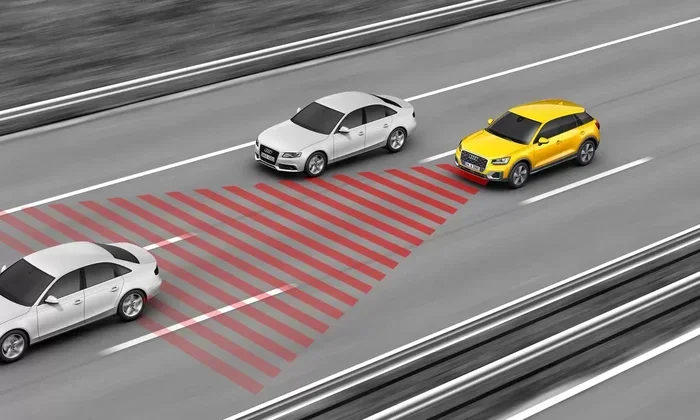
Many newer vehicles come with adaptive cruise control, often called ACC. This is a more advanced version of the traditional system. It uses sensors, radar, or cameras to detect vehicles ahead of you and adjusts your speed automatically.
How Does Adaptive Cruise Control Work?
Adaptive cruise control monitors the distance between your car and the vehicle in front. If the car ahead slows down, your car slows down too. When the road clears, it accelerates back to your preset speed. This makes highway driving much smoother, especially in moderate traffic.
Benefits of Adaptive Cruise Control
- Safer following distances: The system maintains a set gap between you and the car ahead.
- Less manual adjustment: You do not need to cancel and resume as often.
- Better traffic flow: Your speed changes blend in with the flow of traffic.
- Reduced stress: You can relax more, knowing the car is managing speed changes.
Limitations to Keep in Mind
Even adaptive cruise control is not perfect. It may not detect stationary objects in all cases. It can struggle in heavy rain or snow. The sensors can be blinded by dirt or glare. Always stay attentive and keep your hands on the wheel, even with adaptive cruise control active.
Common Mistakes Drivers Make with Cruise Control
Do You Set Cruise Control While Driving on the highway without thinking? Many drivers develop bad habits that can lead to problems. Here are the most common mistakes to avoid.
Leaving It On When Conditions Change
The biggest mistake is forgetting to turn cruise control off when road conditions shift. A dry highway can suddenly have a puddle of water. Traffic can slow without warning. Always stay aware and be ready to deactivate the system.
Setting It Too Close to the Speed Limit
Some drivers set cruise control at the exact speed limit or even above it. This leaves no room for error. If you need to slow down quickly, you will spend precious seconds pressing the cancel button or tapping the brake before you can react.
Relying on It Too Much
Cruise control is a helper, not a replacement for attentive driving. Some drivers get too comfortable and stop paying full attention. This is dangerous. Always keep both hands on the wheel and your eyes on the road.
Not Knowing How to Cancel Quickly
In an emergency, you need to cancel cruise control immediately. Practice finding the cancel button without looking. Most cars let you press the brake pedal to cancel instantly. Make this a reflex, not a thought.
Using It on Roads You Do Not Know Well
Unfamiliar roads can have sudden speed changes, hidden curves, or unexpected exits. Using cruise control on roads you do not know well can catch you off guard. Save it for routes you are comfortable with.
Expert Tips for Using Cruise Control Safely
Want to get the most out of your cruise control system? Follow these practical tips from experienced drivers and road safety experts.
1. Keep Your Hands on the Wheel
Even with cruise control on, always keep both hands on the steering wheel. This keeps you ready to steer or brake at any moment. It also keeps you more alert during long drives.
2. Adjust Your Following Distance
Cruise control does not adjust for the car ahead of you (unless you have adaptive cruise control). Keep a safe following distance of at least three to four seconds. This gives you time to react if the car in front slows down or stops suddenly.
3. Use the Resume Function Wisely
After canceling cruise control, use the resume button to return to your preset speed. Do not press the accelerator pedal too hard when resuming. Let the system do the work for you.
4. Turn It Off Before Curves
Approach curves and turns by canceling cruise control early. Slow down manually, navigate the curve, and then resume if the road ahead is clear and straight.
5. Stay Hydrated and Rested
Cruise control can make you feel relaxed, which is great for long trips. But relaxation can also lead to drowsiness. Drink water, take breaks every two hours, and stretch your legs. Staying alert is your number one safety priority.
6. Know Your Vehicle’s System
Every car’s cruise control system is slightly different. Read your owner’s manual and understand how your specific system works. Know the difference between basic cruise control and adaptive cruise control. Practice in safe conditions before relying on it during a long highway trip.
Key Takeaways
- Cruise control saves fuel and reduces fatigue: It keeps your speed steady and your foot off the pedal on long highway drives.
- Use it in ideal conditions: Clear weather, steady traffic, dry roads, and straight highway stretches are perfect for cruise control.
- Turn it off in bad weather and heavy traffic: Wet roads, snow, fog, and stop-and-go traffic require manual speed control.
- Know your buttons and functions: Understanding set, resume, cancel, and accelerate keeps you in full control at all times.
- Adaptive cruise control is a step forward: It adjusts your speed based on traffic, but it still requires your full attention.
- Never rely on it completely: Cruise control is a helper, not a replacement for safe and attentive driving.
- Practice and preparation matter: Know your vehicle’s system and practice using it before you need it on a long trip.
Conclusion
Do You Set Cruise Control While Driving on the highway? The answer is yes, but with smart judgment. Cruise control is a fantastic feature that makes long drives more comfortable, more fuel-efficient, and less tiring. It works best when conditions are favorable and when you stay fully engaged behind the wheel.
Remember that cruise control is a tool, not a substitute for attention. Know when to use it, know when to turn it off, and always keep your hands on the wheel. Whether you are on a road trip or just commuting home, understanding your cruise control system will make you a safer, more confident driver.
Next time you hit the open highway, try setting your cruise control at a comfortable speed. Enjoy the ease of driving. But stay sharp, stay aware, and enjoy the ride the smart way.
Frequently Asked Questions
Is it safe to use cruise control on the highway?
Yes, it is safe when road conditions are good. Use cruise control on dry, clear highways with steady traffic and straight roads. Always keep your hands on the wheel and stay alert. Avoid using it in bad weather, heavy traffic, or on winding roads.
Does cruise control save gas?
Yes, cruise control can improve fuel efficiency. By maintaining a steady speed, it reduces unnecessary acceleration and braking. Studies suggest it can improve gas mileage by up to 15 percent on long highway trips. However, the savings depend on road conditions and driving habits.
Can you use cruise control in the rain?
No, you should avoid using cruise control on wet roads. Rain reduces tire grip, and if your car hydroplanes, cruise control may try to maintain speed, which can make the situation worse. Always turn it off in rainy or icy conditions and drive manually.
What is the difference between cruise control and adaptive cruise control?
Traditional cruise control maintains a fixed speed you set. Adaptive cruise control uses sensors to detect vehicles ahead and adjusts your speed automatically. It can slow down and speed up based on traffic flow. Both systems still require the driver to stay attentive at all times.
How do I cancel cruise control in an emergency?
Press the brake pedal or tap the cancel button on the steering wheel or stalk. This immediately disengages the system and returns full control to you. Practice finding the cancel function quickly so you can react without thinking in an emergency.
Should I use cruise control on long road trips?
Yes, cruise control is great for long road trips on highways. It reduces leg fatigue and helps maintain a consistent speed. Just remember to take breaks every two hours, stay hydrated, and turn off cruise control when conditions change or when you approach curves and exits.
=== END OF ARTICLE ===