What Is the Most Popular Car Color and Why It Matters
The most popular car color in the world is white, and it has been for over a decade. This neutral shade dominates global sales because of its timeless appeal, practical benefits, and strong resale value. Understanding why white leads can help you make a smarter choice for your next vehicle.
When you walk through any car dealership or scroll through online listings, one thing becomes instantly clear. Certain colors show up far more often than others. White leads the pack by a wide margin, followed closely by black, gray, and silver. These neutral tones make up the vast majority of vehicles on the road today.
But why is this the case? Is it just about aesthetics, or do practical factors like car color maintenance, resale value, and even safety play a role? The truth is, your choice of vehicle paint says more than you might think. It reflects trends, cultural preferences, and even how long you plan to keep your car.
In this deep dive, we will break down the most popular car color in detail. We will look at global trends, regional differences, and the science behind why people pick the shades they do. You will also find practical tips for maintaining your car’s finish and insights into how color impacts your wallet.
Key Takeaways
- White is the most popular car color worldwide, dominating sales charts year after year.
- Car color affects resale value, with neutral tones typically holding value better than bold choices.
- Color psychology plays a role in why buyers choose certain shades for their vehicles.
- Regional preferences vary, with some areas favoring darker or more vibrant tones.
- Maintenance matters for keeping any car color looking its best over time.
- Specialty finishes like matte are growing in popularity among younger buyers.
📑 Table of Contents
The Most Popular Car Color Around the World
If you ask paint suppliers and automotive researchers, the answer is almost always the same. White is the most popular car color globally. It has held this position for more than a decade, according to reports from organizations like PPG Industries and Axalta Coating Systems. Each year, these groups publish comprehensive vehicle color popularity reports based on millions of sales data points across dozens of countries.
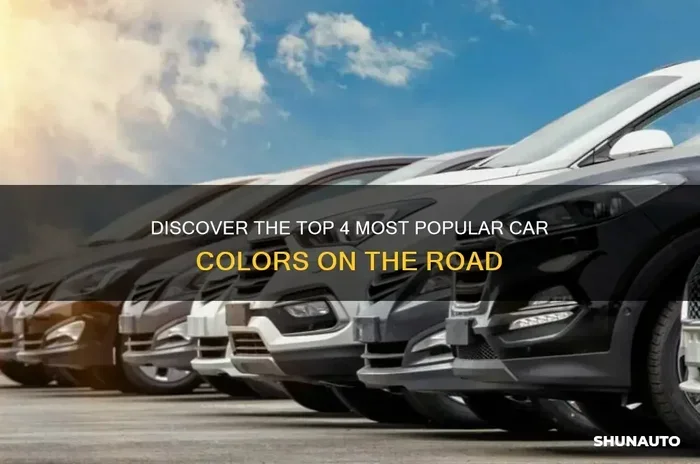
But white is not the only neutral tone that dominates. Black, gray, and silver round out the top four. Together, these four colors account for roughly 70 to 80 percent of all vehicles produced each year. This dominance of neutrals tells us a lot about consumer behavior and practical thinking.
Why White Dominates the Charts
So why does white keep winning? There are several compelling reasons. First, white is a timeless color that rarely goes out of style. Unlike bold reds or blues, a white car looks clean and modern whether it is five years old or brand new.
Second, white cars tend to stay cooler in direct sunlight. This is a huge factor in warmer climates. Studies show that light-colored vehicles can be several degrees cooler inside than dark-colored ones. That means less reliance on air conditioning, which saves fuel over time.
Third, white is easy to match for touch-ups and repairs. Dent repair and paint touch-ups are simpler when the base color is white. This makes car color maintenance less costly over the life of the vehicle. For many buyers, this practical advantage alone makes white the smart choice.
The Global Top 5 Car Colors
Here is a look at the top five car paint colors based on recent global sales data:
- White – The clear number one choice worldwide
- Black – Popular for luxury and premium feel
- Gray – A steady favorite, especially in urban areas
- Silver – Known for a sleek, modern appearance
- Blue – The most popular non-neutral color
These rankings shift slightly from year to year, but the overall pattern remains consistent. Neutral tones rule the market, while bold car colors like red, yellow, and green make up a smaller share of total sales. The vehicle color popularity data sends a clear message: buyers around the world prefer safe, versatile choices.
Why Car Color Matters More Than You Think
Choosing a car color might seem like a purely cosmetic decision. But the color of your vehicle has real-world implications. It affects safety, resale value, and even how others perceive you on the road. Let us dig deeper into why this choice carries more weight than most people realize.
The Psychology Behind Car Color Choices
Car color psychology is a fascinating field that researchers have studied for decades. Studies suggest that the color of your car can influence how other drivers and pedestrians perceive you. For example, white cars are often associated with cleanliness, professionalism, and reliability. Black cars tend to project luxury, sophistication, and formality.
On the other hand, bright red cars are often linked to energy, excitement, and confidence. Yellow cars are seen as cheerful and upbeat. These associations are not universal, but they do influence buying decisions for many consumers. Your car color preference can say a lot about your personality and lifestyle.
Interestingly, some research suggests that car color and safety are connected. Lighter-colored vehicles, especially white and silver, are more visible at night and in poor weather conditions. This increased visibility can reduce the risk of certain types of accidents. While driver behavior remains the most important safety factor, choosing a visible color is a simple step worth considering.
How Color Affects Resale Value
One of the most practical reasons to think carefully about your vehicle color is resale value. When it is time to sell or trade in your car, the color can make a big difference. Neutral colors like white, black, gray, and silver tend to have the broadest appeal. This means they are easier to sell and often fetch higher prices. Bold or unusual colors can limit your buyer pool significantly.
Here is a simple comparison of how car color can impact resale value:
| Color | Resale Demand | Price Impact |
|---|---|---|
| White | Highest demand | Minimal depreciation due to color |
| Black | Strong demand | Slight premium for luxury models |
| Gray | Steady demand | Average resale performance |
| Silver | Good demand | Popular in commercial fleets |
| Red | Moderate demand | Can polarize buyers |
| Yellow/Orange | Low demand | Harder to resell |
| Custom/Matte | Very limited demand | Significant depreciation risk |
Of course, vehicle condition and mileage matter far more than color alone. But when two similar cars are side by side, the neutral-colored one often has the edge. If you are thinking about long-term ownership, this is an important factor to weigh.
Car Color Trends Shaping the Industry
The automotive world is always evolving, and car color trends are no exception. What was popular five years ago may not be the top choice today. Let us look at some of the trends that are currently shaping the industry and influencing what buyers choose.
The Rise of Matte and Specialty Finishes
Matte finishes have exploded in popularity over the last decade. What was once a niche customization choice is now a mainstream option offered by many manufacturers. Matte black, matte gray, and even matte white have become sought-after looks for buyers who want to stand out from the crowd.
However, there is a trade-off. Matte paint is harder to repair and maintain. Scratches and chips on a matte finish are more noticeable and often require professional treatment. This means higher car color maintenance costs compared to standard gloss paint. Buyers who love the matte look should be prepared for extra care and expense.
Another growing trend is chameleon paint and color-shifting coatings. These finishes change hue depending on the angle of light. They are stunning but come with a premium price tag and limited availability. These specialty options appeal to buyers who want a truly unique automotive paint choice that reflects their individual style.
Regional Differences in Car Color Preferences
Car color preference is not the same everywhere in the world. Different regions have distinct tastes that reflect climate, culture, and local trends. Understanding these differences is essential for automakers and interesting for consumers.
In North America and Europe, white and gray dominate the market. These regions favor clean, understated looks that age well. In parts of Asia, particularly China and India, red and gold hold cultural significance and appear more frequently on new cars. Red is often associated with luck and prosperity in many Asian cultures.
In the Middle East, black and dark metallic colors are very popular. Buyers in this region often associate dark vehicles with prestige and status. In South America, brighter colors like blue and green have a stronger presence compared to other regions. These regional car color trends show that global preferences are far from uniform.
These regional differences matter for automakers. Companies must tailor their available paint options to match local preferences. This is why the same model might come in different color palettes depending on the market. It also explains why certain colors are harder to find in some regions than others.
Maintaining Your Car’s Color: Practical Tips
No matter what color you choose, keeping your car looking great requires regular care. Car color maintenance is an often-overlooked aspect of vehicle ownership, but it pays off in the long run. A well-maintained paint job protects your investment and keeps your car looking its best for years.
Keeping White Cars Looking Fresh
White cars are the most popular choice, but they are not immune to looking worn over time. Yellowing is a common issue with white paint, especially when the vehicle is exposed to UV rays regularly. Road grime, bird droppings, and hard water spots can also dull the finish if not addressed promptly.
To keep a white car looking bright and clean, follow these simple steps:
- Wash your car regularly to remove dirt and contaminants
- Use a UV-protective wax or sealant every few months
- Park in shaded areas or use a car cover when possible
- Address small chips and scratches quickly to prevent oxidation
- Avoid automatic car washes with harsh brushes that can cause micro-scratches
With proper care, a white car can look nearly new for many years. The key is consistency and prevention. A little effort each week goes a long way toward preserving that fresh, clean appearance.
Dealing with Black Car Paint Issues
Black cars are beautiful but high-maintenance. Every dust particle, water spot, and scratch shows up on black paint. This makes black car maintenance a labor of love for owners who want that deep, luxurious shine.
Here are some tips for keeping a black car looking its best:
- Hand wash whenever possible to avoid swirl marks from automatic washes
- Use a high-quality ceramic coating for long-lasting protection
- Dry the car with a microfiber cloth to prevent water spots
- Apply a paint correction treatment at least once a year
- Use a quick detailer spray for everyday touch-ups between washes
Black cars require more frequent washing and detailing, but the result is a stunning, deep shine that turns heads. The extra effort is worth it for owners who love the sophisticated look of a well-maintained black vehicle.
Quick Tips and Common Mistakes for Choosing Car Colors
Quick Tips for Choosing the Right Car Color
Before you commit to a color, keep these practical tips in mind:
- Think about your climate. Light colors stay cooler in hot weather, while dark colors absorb more heat and can make your interior uncomfortably warm.
- Consider your lifestyle. If you have young children or pets, lighter colors hide dirt better than dark ones between washes.
- Check local resale trends. Neutral colors sell faster in most markets and attract a wider range of buyers.
- Test the color in different lighting. A color can look very different in direct sunlight versus shade or under showroom lights at night.
- Ask about available options. Not all colors are available for every trim level or model. Check with your dealer early in the process.
Common Mistakes People Make When Choosing a Car Color
Many buyers make avoidable mistakes when selecting their vehicle color. Being aware of these pitfalls can save you from regretting your choice later:
- Choosing based only on photos. Online images can be misleading due to lighting and editing. Always see the color in person under natural light if possible.
- Ignoring maintenance requirements. Dark colors and specialty finishes require more upkeep. Be honest about how much care you are willing to put in before you buy.
- Following trends blindly. What is trendy today may not be in five years. Stick with colors you genuinely like and that suit your personal taste.
- Overlooking the cost. Some manufacturers charge extra for certain colors, especially metallics and pearls. Check if your preferred shade adds to the vehicle price.
- Forgetting about interior color matching. A dark exterior often comes with a dark interior, which can make the cabin feel smaller and hotter in sunny climates.
Expert Insights on Vehicle Color Trends
We spoke with automotive industry analysts and paint specialists to get their take on where car color trends are headed. Their insights offer a valuable glimpse into the future of vehicle paint choices and what buyers can expect in the coming years.
Dr. Emily Chen, a color trend researcher at a leading automotive consultancy, notes that sustainability is becoming a bigger factor in color choices. “Consumers are increasingly aware of the environmental impact of paint production,” she explains. “This is driving interest in water-based paints and lighter colors that reduce the need for air conditioning, which in turn improves fuel efficiency.”
Marcus Rivera, a veteran automotive designer with over 20 years of experience, sees a shift toward personalized colors. “While neutrals will always dominate volume sales, we are seeing more buyers willing to invest in custom and semi-custom colors,” he says. “The rise of online configurators has made it easier than ever for buyers to explore unique options and find the perfect shade for their personality.”
Both experts agree that white will likely remain the most popular car color for the foreseeable future. However, they expect to see continued growth in matte finishes, earth tones, and eco-friendly paint technologies. The automotive color trends of tomorrow will likely balance timeless appeal with growing environmental consciousness.
As the industry evolves, one thing remains constant: the most popular car color will always be the one that best meets the needs and desires of buyers. Whether that means a classic white sedan or a bold custom finish, the choice is ultimately yours. Understanding the trends and factors at play simply helps you make a more informed decision.
Frequently Asked Questions
What is the most popular car color in the United States?
White is the most popular car color in the United States, followed by black and gray. These neutral tones consistently top the sales charts year after year, reflecting American buyers’ preference for classic, timeless looks that hold their value well.
Does car color really affect resale value?
Yes, car color does affect resale value, though it is not the biggest factor. Neutral colors like white, black, gray, and silver tend to sell faster and hold value better than bold or unusual colors. When it is time to sell, a neutral-colored car will typically have a broader buyer pool and attract more interest.
Which car color is the safest?
White and light-colored cars are generally considered the safest because they are more visible in low-light conditions, rain, and fog. Studies have shown that lighter vehicles are involved in fewer daytime accidents compared to dark-colored cars, though driver behavior remains the single most important safety factor on the road.
Why is white the most popular car color?
White is popular for several practical reasons. It looks clean and modern, stays cooler in hot weather, is easy to match for repairs, and rarely goes out of style. These practical benefits combine to make white the top choice for car buyers around the world year after year.
Are matte car finishes more expensive to maintain?
Yes, matte finishes are more expensive to maintain than standard gloss paint. Scratches and imperfections are more visible on matte surfaces, and repairs often require professional treatment rather than simple touch-ups. If you love the matte look, be prepared for higher detailing costs over the life of ownership.
Do car color trends change by region?
Absolutely. Car color preference varies by region based on climate, culture, and local tastes. For example, white and gray dominate in North America and Europe, while red and gold are more common in parts of Asia, and dark metallic colors are popular in the Middle East and parts of Africa.
=== CONCLUSION ===
The most popular car color in the world is white, and for good reason. It is timeless, practical, and appeals to the widest range of buyers across every continent. But beyond the statistics, your choice of car color is a personal one that reflects your style, needs, and priorities.
Whether you prefer the sleek look of a black car, the modern feel of gray, or a bold blue or red, the most important thing is that you love your vehicle. Understanding car color trends and how color affects resale value, maintenance, and safety can help you make a smarter, more confident choice at the dealership.
So the next time you are shopping for a car or thinking about a fresh paint job, keep these insights in mind. The most popular car color might be white, but the best car color is the one that makes you happy every time you get behind the wheel. Choose wisely, care for your paint, and enjoy the ride.