How Much Does It Cost to Bleed a Clutch by Yourself
Bleeding a clutch by yourself typically costs between $20 and $80 for parts and supplies, saving you hundreds compared to a mechanic’s bill. This guide walks you through the exact cost breakdown, the tools you need, and a simple step-by-step process. Whether you drive a manual car or truck, you can handle this common maintenance job at home with basic mechanical skills.
If you drive a car with a manual transmission, you know the clutch is one of the most important parts of your vehicle. It connects your engine to your transmission and lets you shift gears smoothly. Over time, air can sneak into the hydraulic clutch system. When that happens, your clutch pedal starts feeling spongy or soft. That is a clear sign you need to bleed the clutch.
Many car owners worry about the clutch bleeding cost when they first hear they need this service. The good news? You can save a lot of money by doing it yourself. In this guide, we break down exactly how much it costs to bleed a clutch by yourself. We also cover the tools you need, the steps involved, and tips to avoid common mistakes. By the end, you will feel confident tackling this job in your own garage.
Key Takeaways
- DIY clutch bleeding costs $20-$80: You only pay for brake fluid and basic tools, avoiding expensive shop labor.
- A professional mechanic charges $100-$300: Labor makes up the bulk of the cost when you take it to a shop.
- You need minimal tools: A bleed kit, wrench set, brake fluid, and a helper are all you require.
- Bleeding takes 30-60 minutes: Once you know the steps, the process is quick and straightforward.
- Warning signs include a spongy pedal: Air in the hydraulic clutch line causes a soft or sinking clutch pedal.
- Common mistakes can ruin the job: Overfilling the reservoir or skipping the bleed step leads to repeat work.
📑 Table of Contents
- What Is Clutch Bleeding and Why Do You Need It?
- How Much Does It Cost to Bleed a Clutch by Yourself?
- Tools and Materials You Will Need
- Step-by-Step Guide to Bleeding a Clutch
- Common Mistakes to Avoid When Bleeding a Clutch
- When to Call a Professional Instead
- How Often Should You Bleed Your Clutch?
- Final Thoughts on Bleeding a Clutch at Home
What Is Clutch Bleeding and Why Do You Need It?
Bleeding a clutch means removing air bubbles from the hydraulic clutch system. Your clutch uses hydraulic fluid to transfer force from the pedal to the clutch assembly. When air gets into the lines, it compresses instead of pushing fluid. This creates a spongy or loose feeling when you press the pedal. The clutch might not disengage properly, making shifting gears difficult or even impossible.
The hydraulic system includes a few key parts. The clutch master cylinder sits near the pedal and pushes fluid through the lines. The slave cylinder receives that fluid and uses it to disengage the clutch. Air can enter the system through leaks, worn seals, or during regular fluid changes. Bleeding the system pushes the air out and replaces it with fresh hydraulic fluid.
Signs Your Clutch Needs Bleeding
How do you know it is time to bleed your clutch? Watch for these warning signs:
- A soft or spongy clutch pedal that sinks to the floor
- The pedal feels different than it used to feel
- Difficulty shifting gears or grinding when you shift
- The clutch slips under acceleration
- Fluid leaks near the master cylinder or slave cylinder
- The pedal slowly sinks to the floor even when you hold it steady
If you notice any of these symptoms, do not ignore them. Driving with a poorly bled clutch can cause damage to your transmission and other components. Addressing the problem early keeps your repair costs low and your car running safely.
How Much Does It Cost to Bleed a Clutch by Yourself?
The DIY clutch bleeding cost is much lower than what a mechanic would charge. When you do the work at home, your main expenses are brake fluid and basic tools. Here is a detailed look at what you will spend.
Cost Breakdown for DIY Clutch Bleeding
| Item | Estimated Cost |
|---|---|
| Brake fluid (1 liter) | $8 – $15 |
| Bleed kit or clear tubing | $5 – $20 |
| Wrench set (if needed) | $10 – $25 |
| Catch pan or bottle | $3 – $8 |
| Gloves and safety glasses | $5 – $10 |
| Total DIY Cost | $20 – $80 |
As you can see, the total cost to bleed a clutch at home is very reasonable. Most of the supplies are reusable for future maintenance jobs. Brake fluid is the main consumable you need to buy each time.
How Does This Compare to Professional Labor Costs?
When you take your car to a mechanic, the price goes up significantly. Here is a side-by-side comparison:
| Service | DIY Cost | Professional Cost |
|---|---|---|
| Clutch bleeding | $20 – $80 | $100 – $300 |
| Clutch fluid change (full system) | $30 – $100 | $150 – $400 |
| Clutch slave cylinder replacement | $40 – $120 | $200 – $500 |
| Clutch master cylinder replacement | $60 – $150 | $300 – $700 |
The savings from doing it yourself can be substantial. A professional shop charges for labor, which often makes up 60 to 70 percent of the total bill. When you bleed the clutch yourself, you pay only for materials. That is a big reason many car owners choose the DIY route.
Keep in mind that costs vary based on your vehicle make and model. Some cars have harder-to-reach clutch components, which can add a bit of time and effort. But even with a more complex setup, the DIY cost stays well below what a shop charges.
Factors That Affect the Cost
Several factors can influence how much you spend on hydraulic clutch bleeding:
- Type of brake fluid: Most vehicles use DOT 3 or DOT 4 fluid. Some newer cars require DOT 5.1. Check your owner manual to buy the right type.
- Vehicle model: Some cars have more accessible clutch components than others. Harder access means more time but not more material cost.
- Whether you already own tools: If you have a basic wrench set and catch pan, your out-of-pocket cost drops significantly.
- How much fluid you need: A full system bleed uses about 1 to 2 liters of fluid. If you only need a partial bleed, you use less.
- Whether you need replacement parts: If the master cylinder or slave cylinder leaks, you will need to replace it in addition to bleeding the system.
Tools and Materials You Will Need
Before you start, gather everything you need. Having the right tools makes the job faster and easier. Here is a complete list of what you will need to bleed a clutch at home.
Essential Tools
- Brake fluid: One liter of DOT 3, DOT 4, or DOT 5.1 fluid (check your owner manual)
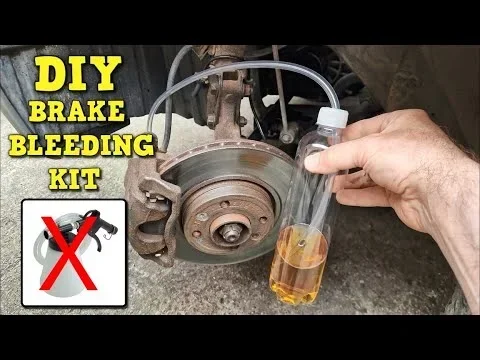
- Clear bleed tubing: Fits over the slave cylinder bleed valve
- Combination wrench set: For the bleed valve and line fittings
- Catch pan or bottle: To collect old fluid
- Jack and jack stands or ramps: To access the underside of the car
- Safety glasses and gloves: Brake fluid is corrosive and can damage paint
- A helper: Someone to press the clutch pedal while you work
Optional but Helpful Items
- One-way bleed valve: Makes the process faster and cleaner
- Turkey baster or syringe: For drawing fluid out of the reservoir
- Rag or paper towels: For wiping up spills
- Car jack with wheel chocks: For extra safety when working underneath
You do not need expensive specialty tools for this job. A basic bleed kit from any auto parts store works perfectly. The total investment is small, and the supplies last for many jobs to come.
Step-by-Step Guide to Bleeding a Clutch
Now that you have your tools and supplies, let us walk through the process. Bleeding a clutch is straightforward once you know the steps. Follow along carefully and you will have a firm, responsive clutch pedal in under an hour.
Step 1: Prepare the Vehicle
Park your car on a flat, level surface. Engage the parking brake and put the car in neutral. If you need to get under the vehicle, use a jack and secure it with jack stands. Never work under a car supported only by a jack. Put on your gloves and safety glasses before you start. Brake fluid can irritate your skin and damage paint, so handle it with care.
Step 2: Check and Fill the Reservoir
Locate the clutch master cylinder reservoir. It is usually mounted near the back of the engine bay on the driver side. Open the cap and check the fluid level. If the fluid is low or dark, use a turkey baster to remove the old fluid. Then pour in fresh brake fluid until the reservoir is about three-quarters full. Do not let the reservoir run dry during the bleeding process, or you will introduce more air into the system.
Step 3: Attach the Bleed Tubing
Find the bleed valve on the slave cylinder. It is a small fitting on the side or bottom of the slave cylinder. Place one end of the clear tubing over the valve and put the other end into your catch pan or bottle. The clear tubing lets you watch for air bubbles, which is the key indicator that you are making progress.
Step 4: Have Your Helper Press the Pedal
Ask your helper to press the clutch pedal slowly and hold it down. While the pedal is pressed, open the bleed valve about a quarter turn. Fluid and air bubbles will flow through the tubing. Close the valve before your helper releases the pedal. This order is critical. Releasing the pedal with the valve open pulls air back into the system.
Step 5: Repeat the Bleeding Process
Repeat this cycle several times. Each round pushes more air out of the system. Watch the clear tubing closely. When the fluid runs clear with no bubbles, the bleeding is complete. This usually takes 10 to 15 cycles. Top off the reservoir as needed throughout the process. Never let it run dry.
Step 6: Check the Pedal Feel and Test Drive
Once bleeding is complete, tighten the bleed valve securely. Ask your helper to pump the pedal a few times and hold it down. The pedal should feel firm and solid. If it still feels soft, repeat the bleeding process. After a successful bleed, take the car for a short test drive. Check that the clutch engages and disengages smoothly. Shift through all gears to confirm everything works correctly.
Expert Insight: Many DIYers find that bleeding the clutch with the engine off gives better results. The engine running can create inconsistent pedal pressure, making it harder to spot air bubbles. Work with the engine off for the most controlled bleeding process.
Common Mistakes to Avoid When Bleeding a Clutch
Even a simple job like clutch bleeding has pitfalls. Avoiding these common mistakes saves you time and frustration.
Letting the Reservoir Run Dry
This is the number one mistake people make. When the fluid level drops too low, air enters the master cylinder. You then have to bleed both the lines and the master cylinder, which doubles your work. Keep an eye on the reservoir throughout the process and top it off frequently.
Opening the Valve at the Wrong Time
Always open the bleed valve only when the pedal is pressed down. Opening it while the pedal is up creates a vacuum that pulls air into the system. Make sure your helper understands the timing before you start. Clear communication prevents costly mistakes.
Using the Wrong Brake Fluid
Not all brake fluids are the same. Using the wrong type can damage seals and cause the clutch system to fail. Check your owner manual or the label on the master cylinder reservoir cap to confirm the correct fluid type. Mixing different fluid types can also cause problems.
Skipping the Bleed Valve Tightening
After bleeding, make sure the bleed valve is snug but not overtightened. Overtightening can crack the fitting or strip the threads. A firm hand is all you need. Then test for leaks by having your helper press the pedal a few times while you inspect the fitting.
Not Having a Helper
Bleeding a clutch solo is possible but much harder. A helper makes the process faster and more effective. If you do not have anyone available, consider using a one-way bleed tool or a vacuum bleed kit. These tools let you bleed the system without a second person, though they take a bit more patience.
Quick Tip: If you are bleeding the clutch solo, try using a one-way valve on the bleed nipple. This prevents fluid from dripping out while you pump the pedal. It keeps things cleaner and reduces the chance of spilling brake fluid on your car’s paint.
When to Call a Professional Instead
DIY clutch bleeding works great for most car owners. But there are situations where calling a professional makes sense. Knowing when to stop and seek help saves you from bigger problems down the road.
Call a mechanic if you notice any of the following:
- The clutch pedal still feels spongy after multiple bleeding attempts
- You see fluid leaking from the master cylinder or slave cylinder
- The clutch pedal goes to the floor and stays there
- You hear grinding noises when shifting gears
- The clutch slips even after bleeding
- You are not comfortable working under the car
These signs could point to a deeper problem like a worn master cylinder, a failed slave cylinder, or internal clutch damage. A professional mechanic has the tools and experience to diagnose these issues correctly. Sometimes a simple bleed is not enough, and a component needs to be replaced. In those cases, it is worth paying for expert service.
If your car has a hydraulic clutch system that is particularly complex or hard to access, a professional might also be the better choice. Some vehicles require special procedures or equipment for clutch bleeding. Your owner manual can give you clues about whether your setup is straightforward or complicated.
That said, for the vast majority of manual transmission vehicles, bleeding the clutch is a simple and satisfying DIY job. The clutch bleeding cost is low, the process is manageable, and the results are immediate. Once you have done it once, you will feel more confident tackling it again in the future.
How Often Should You Bleed Your Clutch?
Clutch bleeding is not part of every routine maintenance schedule. Most vehicles never need a clutch bleed unless something goes wrong. However, certain situations call for bleeding:
- After replacing the master cylinder or slave cylinder
- After any work on the hydraulic clutch lines
- When you notice a spongy or soft clutch pedal
- After a clutch fluid change
- If you have had a fluid leak anywhere in the system
There is no set mileage or time interval for bleeding a clutch. It is a reactive maintenance task, not a preventive one. As long as your clutch pedal feels firm and your shifting is smooth, you do not need to bleed the system. Pay attention to how your car feels and respond to changes promptly.
Can You Prevent Clutch Problems?
While you cannot prevent all clutch issues, good driving habits help. Avoid riding the clutch, which wears out the clutch disc faster. Do not leave your foot on the pedal while driving unless you are actively shifting. Check your clutch fluid level during regular oil changes or inspections. Catching a low fluid level early can prevent air from entering the system in the first place.
Final Thoughts on Bleeding a Clutch at Home
Knowing how much it costs to bleed a clutch by yourself gives you the power to take control of your car maintenance. The DIY clutch bleeding cost of $20 to $80 is a fraction of what a shop charges. With basic tools, a bottle of brake fluid, and a little patience, you can restore a firm, responsive clutch pedal in under an hour.
This is one of the most rewarding maintenance jobs you can do at home. It is simple, affordable, and gives you a real sense of accomplishment. Once you have bled your clutch, you will understand the process and feel more confident about other DIY repairs too.
Do not let the idea of working on your car intimidate you. The steps are clear, the tools are affordable, and the results are immediate. Next time your clutch pedal starts feeling soft, grab your supplies and give it a try. Your wallet and your car will both thank you.
Frequently Asked Questions
Is bleeding a clutch the same as bleeding brakes?
The process is very similar because both systems use hydraulic fluid and bleed valves. However, the clutch system has different components, including the master cylinder and slave cylinder. The basic principle of removing air bubbles is the same, but always check your vehicle-specific manual for the correct procedure and fluid type.
Can I bleed a clutch without a helper?
Yes, it is possible but more challenging. You can use a one-way bleed valve or a vacuum bleed tool to do it solo. These tools allow you to control the bleeding process without someone pressing the pedal for you. It takes a bit more patience, but it works well for experienced DIYers.
What happens if I do not bleed my clutch?
If air remains in the hydraulic clutch system, your pedal will feel spongy and the clutch may not disengage properly. This makes shifting gears difficult and can cause grinding. Over time, it can lead to premature wear on your clutch disc and other transmission components.
How long does it take to bleed a clutch by yourself?
Most people complete the job in 30 to 60 minutes. The first time might take a little longer as you get familiar with the process. Once you know the steps, it becomes a quick and straightforward maintenance task that you can do in about half an hour.
Can I use any brake fluid for clutch bleeding?
No, you must use the correct type specified for your vehicle. Most cars use DOT 3 or DOT 4 brake fluid, but some require DOT 5.1. Using the wrong fluid can damage seals and cause clutch system failure. Always check your owner manual or the label on the reservoir cap before purchasing fluid.
Do I need to replace the clutch fluid after bleeding?
It is a good idea to replace the fluid if it appears dark or contaminated. Fresh fluid ensures the best performance and helps protect the internal seals of your hydraulic system. Even if the fluid looks clean, replacing it during a bleed is a smart preventive maintenance step that costs very little.
=== CONCLUSION ===
Bleeding a clutch by yourself is one of the most affordable and satisfying DIY maintenance jobs you can do. The clutch bleeding cost stays between $20 and $80 when you handle it at home, compared to $100 to $300 at a repair shop. With just a few basic tools, a bottle of brake fluid, and a helper, you can restore a firm clutch pedal and smooth shifting in under an hour.
Remember to follow each step carefully, avoid the common mistakes we covered, and never let the reservoir run dry. If you run into problems or notice leaks, do not hesitate to call a professional. But for most car owners, this is a job you can confidently tackle on your own.
Now that you know exactly how much it costs to bleed a clutch by yourself, there is no reason to put it off. Grab your supplies, pull up a chair, and give your car the care it deserves. Your clutch and your wallet will both thank you.