How Do You Get Platinum Out of a Catalytic Converter
Getting platinum out of a catalytic converter involves understanding the recycling process, the value of precious metals, and the methods used for extraction. Whether you are a mechanic, a recycler, or just curious, this guide walks you through every step clearly. You will learn about the platinum content, the smelting process, and how to recover these valuable metals safely.
Catalytic converters play a big role in reducing harmful exhaust emissions from your car. But did you know they also contain precious metals like platinum? Getting platinum out of a catalytic converter is a process that has gained a lot of attention in recent years. People want to understand how this works, whether for recycling purposes or simply out of curiosity.
The truth is, catalytic converters hold real value. Inside every converter, you find a mix of platinum, rhodium, and palladium. These metals help break down toxic gases before they leave your exhaust pipe. Over time, car owners and recyclers have figured out ways to recover these metals. This process is called platinum extraction, and it has become a big industry.
In this article, we will walk you through the entire process. You will learn what goes on inside a converter, how much platinum is actually there, and the steps involved in getting it out. We will also cover safety tips, legal considerations, and whether you should try this at home or leave it to the professionals. Let us dive in.
Key Takeaways
- Catalytic converters contain valuable platinum: These exhaust components hold precious metals that can be recovered and recycled.
- Multiple extraction methods exist: From chemical baths to smelting, there are proven ways to extract platinum from converter cores.
- Safety is critical: The process involves hazardous chemicals and high heat, so proper precautions are essential.
- Converter value depends on metal content: The amount of platinum, rhodium, and palladium determines how much your scrap converter is worth.
- Professional refining yields the best results: While DIY methods exist, working with certified recyclers ensures safety and maximum recovery.
- Know the legal rules in your area: Converter theft and improper refining can carry serious legal consequences.
📑 Table of Contents
- What Is a Catalytic Converter and Why Does It Contain Platinum?
- How Much Platinum Is in a Catalytic Converter?
- The Process of Getting Platinum Out of a Catalytic Converter
- Safety Tips for Platinum Extraction
- Should You Extract Platinum Yourself or Hire a Professional?
- Legal and Ethical Considerations
- Common Mistakes to Avoid
- Quick Tips for Better Platinum Recovery
- Expert Insights on Catalytic Converter Recycling
- Key Takeaways
- Conclusion
What Is a Catalytic Converter and Why Does It Contain Platinum?
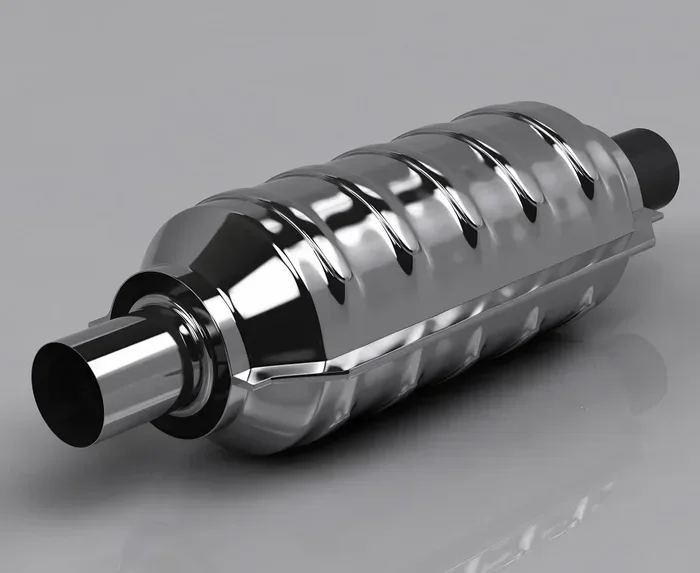
A catalytic converter is part of your car’s exhaust system. It sits between the engine and the muffler. Its job is to clean up the exhaust gases before they go into the air. Inside the converter, there is a ceramic or metallic honeycomb structure coated with thin layers of precious metals.
The Precious Metals Inside
The three main precious metals found in a catalytic converter are platinum, rhodium, and palladium. Each one plays a specific role:
- Platinum helps oxidize carbon monoxide into carbon dioxide.
- Rhodium reduces nitrogen oxide into nitrogen and oxygen.
- Palladium also assists in oxidizing harmful gases.
Together, these metals form a powerful chemical toolkit. They work at high temperatures to clean your car’s exhaust. The amount of each metal varies depending on the vehicle model and the manufacturer. Some converters hold more platinum than others. This is why converter value can differ so much from one unit to the next.
How Much Platinum Is in a Catalytic Converter?
The amount of platinum in a catalytic converter depends on several factors. The type of vehicle, the age of the converter, and the manufacturer all play a role. On average, a standard catalytic converter contains between 3 and 7 grams of platinum. Some high-end converters used in luxury vehicles or large trucks can hold even more.
Factors That Affect Platinum Content
Here are the main factors that determine how much platinum is inside a converter:
- Vehicle type: Trucks and SUVs often have more platinum than sedans.
- Converter age: Older converters may have thicker coatings of precious metals.
- Manufacturer specs: Different car brands use different amounts of platinum in their converters.
- Emission standards: Stricter emission laws can lead to more platinum being used.
If you are looking at catalytic converter recycling, knowing the platinum content helps you estimate the value. Scrap converters can sell for anywhere from $50 to $300 or more, depending on the metal load and current market prices. Platinum prices fluctuate, so the value of your scrap converter can change quickly.
The Process of Getting Platinum Out of a Catalytic Converter
Now let us get to the core question. How do you actually get platinum out of a catalytic converter? The process involves several steps, and it requires some specialized equipment. There are two main approaches: DIY chemical extraction and professional refining.
Step 1: Remove the Converter from the Vehicle
The first step is to take the catalytic converter off the car. This requires basic mechanical knowledge and tools. You will need a wrench, a jack, and some safety gear. The converter is usually held in place by bolts or clamps on the exhaust system.
Once you have removed the converter, inspect it carefully. Look for any damage or signs of wear. A damaged converter may have less platinum remaining, which affects its value. Always handle the converter with gloves, as the ceramic interior can be sharp.
Step 2: Extract the Converter Core
Inside the outer shell of the converter, there is a core. This core is the part that contains the precious metals. To get to it, you need to open the converter shell. Some people use a hammer and chisel, while others use specialized tools to cut the shell open.
The core looks like a ceramic or metallic honeycomb. It is this honeycomb structure that is coated with the thin layers of platinum, rhodium, and palladium. Be careful during this step. The ceramic core can break into sharp pieces, so wear safety goggles and thick gloves.
Step 3: Prepare the Core for Extraction
Once you have the core, you need to break it down further. The goal is to create small particles or a powder that exposes the precious metals. This makes it easier to separate the platinum from the other materials.
Some people crush the core into a fine powder. Others use a grinding tool to break it apart. The finer the powder, the easier it is to extract the metals. This step is important because it increases the surface area and improves the efficiency of the extraction process.
Step 4: Use Chemical Extraction or Smelting
This is the most critical step. There are two main methods for extracting platinum from the prepared core:
Chemical Extraction: This method uses strong acids to dissolve the non-precious metals and leave the platinum behind. Common chemicals used include aqua regia, which is a mix of hydrochloric acid and nitric acid. The platinum does not dissolve in these acids, so it remains as a solid residue. You then filter and rinse the residue to collect the platinum.
Smelting: This method uses extreme heat to melt away the base metals and ceramic materials. The platinum, having a very high melting point, remains solid. You then separate the platinum from the remaining slag. Smelting requires a furnace that can reach very high temperatures, usually above 1,700 degrees Celsius.
Both methods are effective, but they each come with risks. Chemical extraction involves handling dangerous acids. Smelting involves extreme heat. Neither method should be attempted without proper training and equipment.
Step 5: Refine and Purify the Platinum
After extraction, the platinum is not yet pure. It still contains small amounts of other metals and impurities. To get pure platinum, you need to refine it further. Professional refiners use electrolysis or additional chemical baths to achieve high purity levels.
The final product is pure platinum, which can be sold to dealers or refineries. The purity of the platinum directly affects its market value. Higher purity means a better price per gram.
Safety Tips for Platinum Extraction
Extracting platinum from a catalytic converter is not a casual weekend project. The process involves hazardous materials and dangerous conditions. Here are some important safety tips to keep in mind:
- Wear protective gear: Always use gloves, goggles, and a respirator when handling chemicals or working with converter cores.
- Work in a ventilated area: Fumes from acids and smelting can be toxic. Never work indoors without proper ventilation.
- Store chemicals safely: Keep acids and other chemicals in labeled containers away from children and pets.
- Use proper tools: Do not improvise with tools. Use equipment designed for the job to avoid injuries.
- Have a fire extinguisher nearby: Smelting and chemical reactions can produce sparks or unexpected heat.
Remember, precious metal refining is a serious industrial process. Even professionals follow strict safety protocols. If you are new to this, consider starting with a course or working under expert supervision.
Should You Extract Platinum Yourself or Hire a Professional?
This is a common question, and the answer depends on your goals and experience level. Let us look at both options side by side.
DIY Extraction
DIY extraction can be tempting, especially when platinum prices are high. The idea of recovering valuable metals from an old converter is appealing. However, DIY extraction comes with significant challenges:
- You need access to dangerous chemicals and specialized equipment.
- The process requires technical knowledge to do safely.
- Improper extraction can result in low platinum yield.
- You may not achieve the purity levels needed to get top market prices.
Professional Refining
Hiring a professional refinery or recycling center is often the better choice. Here is why:
- Higher recovery rates: Professionals can recover more platinum from each converter.
- Safety: They have the proper equipment and training to handle hazardous materials.
- Legal compliance: Professional refiners follow all local and federal regulations.
- Better pricing: Pure platinum fetches a higher price than partially extracted metal.
If you have a few scrap converters, taking them to a certified catalytic converter recycling center is usually the smartest move. You get paid for the platinum content without the risks and hassle of doing it yourself.
Legal and Ethical Considerations
The rise in catalytic converter theft has made this topic even more important. Thieves steal converters from parked cars to sell the precious metals inside. This is illegal and can result in serious penalties.
If you are extracting platinum for legitimate recycling purposes, make sure you follow the law. Keep records of where your scrap converters came from. Many states require proof of ownership or a bill of sale when selling scrap converters. Staying on the right side of the law protects you and keeps the recycling industry honest.
Ethically, it is also important to consider where your scrap converters come from. Only use converters that you own or have legally acquired. Supporting responsible recycling helps keep the industry sustainable and safe for everyone.
Common Mistakes to Avoid
Whether you are new to platinum extraction or have some experience, there are common mistakes that can cost you time, money, or safety:
- Skipping safety gear: This is the number one mistake people make. Always protect yourself.
- Not testing the converter first: Knowing the platinum content helps you decide if the effort is worth it.
- Using weak acids: Weak chemicals will not properly dissolve the base metals and can ruin your yield.
- Rushing the process: Extraction takes time. Rushing leads to mistakes and lower quality results.
- Ignoring local laws: Make sure you understand the regulations around converter recycling in your area.
Quick Tips for Better Platinum Recovery
Here are some quick tips to help you get the most out of your platinum extraction efforts:
- Research your converter model: Look up how much platinum your specific converter contains before you start.
- Use quality chemicals: Invest in reputable reagents for better extraction results.
- Keep detailed notes: Track your process, yields, and costs. This helps you improve over time.
- Network with recyclers: Connecting with experienced recyclers can teach you valuable tips and tricks.
- Monitor platinum prices: Sell your recovered platinum when market prices are favorable.
Expert Insights on Catalytic Converter Recycling
Industry experts agree that the future of catalytic converter recycling is bright. As platinum prices rise and more vehicles hit the road, the demand for recovered precious metals grows. Recycling not only recovers valuable resources but also reduces the need for new mining.
Experts also emphasize the importance of proper training. The platinum extraction process involves real risks, and cutting corners can lead to serious injuries or environmental damage. If you are serious about this field, invest in education and work with trusted professionals.
Another expert insight is the role of technology. New refining techniques are making the extraction process safer and more efficient. Automated systems and advanced chemical processes are reducing the risks associated with manual extraction. These innovations are helping the industry grow responsibly.
Key Takeaways
- Platinum is a valuable metal found inside catalytic converters: Each converter holds several grams of platinum along with rhodium and palladium.
- The extraction process involves several steps: From removing the converter to refining the final platinum, each step requires care and knowledge.
- Safety must come first: Handling acids, high heat, and sharp materials requires proper protective gear and precautions.
- Professional refining offers the best results: Certified recyclers achieve higher purity and better yields than most DIY methods.
- Know the legal rules: Only recycle converters you legally own, and follow all local regulations.
- Market prices matter: The value of your recovered platinum depends on current market conditions for precious metals.
Conclusion
Getting platinum out of a catalytic converter is a fascinating process that combines chemistry, metallurgy, and recycling know-how. The steps are clear, from removing the converter and extracting the core to using chemical or heat-based methods for extraction. However, the process is not without risks, and it demands respect for safety and the law.
If you have scrap converters sitting around, consider taking them to a professional recycling center. You will get a fair price for the platinum content without the dangers of DIY extraction. And if you are exploring this as a business or hobby, invest in proper training and equipment first.
The world of catalytic converter recycling offers real value and real opportunities. By understanding how platinum is extracted and recovered, you can make informed decisions. Whether you are a car owner, a mechanic, or a recycling enthusiast, this knowledge gives you a real edge. Start exploring your options today and see what the process of platinum recovery can offer you.
Frequently Asked Questions
How much platinum is in an average catalytic converter?
An average catalytic converter contains between 3 and 7 grams of platinum. The exact amount depends on the vehicle type, manufacturer, and the age of the converter. Luxury vehicles and trucks often have more platinum than standard sedans.
Can I extract platinum from a catalytic converter at home?
While it is technically possible, extracting platinum at home is not recommended. The process involves dangerous chemicals, high heat, and specialized equipment. Professional refineries have the proper tools and safety protocols to do the job effectively and safely.
Is catalytic converter recycling legal?
Yes, catalytic converter recycling is legal when done properly. However, you must own the converter or have proof of legal acquisition. Converter theft is illegal and carries serious penalties in most states.
What is the best way to sell scrap catalytic converters?
The best way is to work with a certified recycling center or precious metal refiner. They will test the converter, determine the metal content, and offer you a fair price based on current market rates for platinum, rhodium, and palladium.
How long does the platinum extraction process take?
The extraction process can take several hours to a few days, depending on the method used. Chemical extraction may take longer due to soaking and filtering times. Professional smelting and refining processes are usually faster and more efficient.
Why are catalytic converters targeted by thieves?
Catalytic converters are targeted because they contain valuable precious metals like platinum, rhodium, and palladium. These metals can be sold for good money, making converters an easy target for thieves. The quick removal process and high resale value make them particularly attractive to criminals.