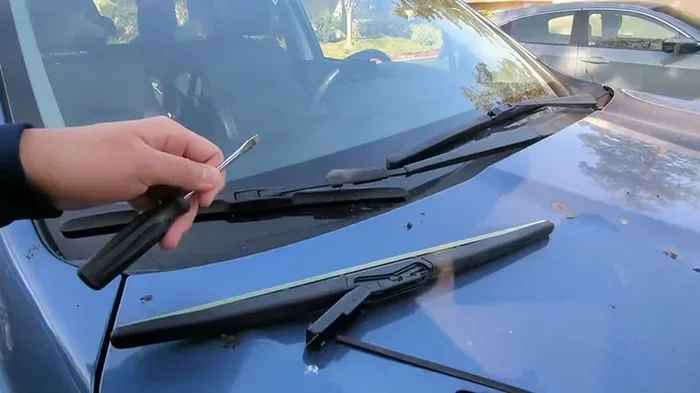
How Do You Remove Front Windshield Wipers Right Now
Removing front windshield wipers is a simple DIY task you can finish in under 10 minutes. Whether you need to replace worn blades or store your car for winter, this guide walks you through every step with confidence. You will learn how to identify your wiper connector type, avoid common damage risks, and install new blades the right way.
Windshield wipers are one of the most overlooked parts of your car. They work hard every time it rains, snows, or even when you just need to clear morning dew. Over time, the rubber wears out, the blades crack, and your visibility suffers. That is when you need to know how to remove them and put new ones on.
Maybe your wipers are chattering across the glass. Maybe one of them is stuck in the upright position after a rough winter storm. Or perhaps you are prepping your car for a long period of storage and want to protect both the blades and the windshield. Whatever the reason, removing front windshield wipers is a task anyone can do at home. You do not need a mechanic, a fancy garage, or expensive tools. A few minutes and a little know-how is all it takes.
This guide will show you exactly how to do it. We will cover every connector type, the safest way to lift the wiper arm, and the steps to remove the blade without damaging your car. By the end, you will feel completely confident handling this simple but essential piece of car maintenance.
Key Takeaways
- Pull the wiper arm away from the windshield first to prevent glass damage during removal.
- Identify your connector type — hook, pin, or push-button — before attempting removal.
- Never force the wiper blade off — use the correct release mechanism to avoid breaking the arm or connector.
- Wrap the wiper arm in a cloth when done to protect your windshield during storage or transport.
- Replace wiper blades every 6-12 months for clear, streak-free visibility in all weather conditions.
- Keep the old blades as a reference when shopping for new replacements at your local auto parts store.
📑 Table of Contents
- Why You Might Need to Remove Your Front Windshield Wipers
- Tools You Will Need
- Understanding Wiper Blade Connectors
- Step-by-Step Guide to Remove Front Windshield Wipers
- Common Mistakes to Avoid When Removing Wiper Blades
- How to Choose the Right Replacement Wiper Blades
- Installing New Windshield Wiper Blades
- Maintenance Tips to Extend Wiper Blade Life
- When to Seek Professional Help
- Final Thoughts on Removing Front Windshield Wipers
Why You Might Need to Remove Your Front Windshield Wipers
There are several reasons you might need to take your wiper blades off. Some are routine maintenance tasks, and others come up only in certain situations. Let us look at the most common ones.
Worn or Damaged Wiper Blades
The rubber on wiper blades breaks down over time. Sun, rain, snow, and dirt all wear the rubber away. When this happens, your wipers leave streaks, skip across the glass, or make annoying squeaking noises. The rubber squeegee loses its flexibility and cannot make proper contact with the windshield anymore. Removing the old blades is the first step toward better visibility and safer driving.
Seasonal Storage
Many car owners lift their wiper blades away from the windshield during winter. This prevents the blades from freezing onto the glass. If you live in a cold climate, you know the frustration of trying to free frozen wipers. Removing them entirely for long-term storage is even better. It protects both the blades and the windshield from unnecessary stress.
Replacing Wiper Arms or Connectors
Sometimes the problem is not the blade itself. The wiper arm or the connector between the blade and the arm can fail. Rust, corrosion, or a broken linkage can stop the wiper from working at all. In these cases, you need to remove the blade to access the arm or connector for repair or replacement.
Winter Wiper Blades or Specialty Blades
Winter wipers have a protective cover over the mechanism to prevent ice buildup. If you want to switch between all-season and winter blades, you will need to remove one set before installing the other. Some drivers also upgrade to OEM wiper blades or specialty designs that require a different attachment method.
Tools You Will Need
One of the best things about removing windshield wipers is that you barely need any tools. Here is what you should have on hand before you start.
- A clean microfiber cloth — to wrap the wiper arm and protect the windshield glass.
- Flat-head screwdriver or wiper removal tool — helpful for stubborn push-button connectors.
- New wiper blades — make sure you have the correct wiper blade size for your vehicle before you begin.
- Gloves — optional, but they keep your hands clean and protect your grip.
- Your vehicle owner manual — this is the best resource for finding the right connector type and wiper blade size.
You do not need a wrench or any power tools for this job. The entire process is manual and straightforward. If you have never done it before, the cloth and a new set of blades are really all you need to get started.
Understanding Wiper Blade Connectors
Before you remove the wiper blade, you need to know what type of connector holds it to the wiper arm. Different vehicles use different systems. Once you identify the connector, the removal process becomes much easier.
Hook-Style Connector
The hook-style connector is the most common type found on vehicles today. It has a small hook that catches a tab on the wiper blade adapter. You will see a small tab or latch on the underside of the connector. Pressing or sliding this tab releases the hook, and the blade slides right off the arm.
Pin-Style Connector
Pin-style connectors use a small pin that slides through a hole in the blade adapter. To remove the blade, you push the pin out from the side or back of the connector. These are common on older vehicles and some European models. The pin is usually spring-loaded, so it will pop out with gentle pressure.
Push-Button Connector
Push-button connectors have a small button or release mechanism on the side of the connector. You press the button, and the blade pops off the arm. These are found on many modern vehicles, especially Japanese and Korean models. They are the easiest type to remove and usually require no tools at all.
Side-Clip Connector
Side-clip connectors have a clip on one side that you squeeze to release the blade. These are common on some Ford and Chrysler vehicles. A flat-head screwdriver can help you gently squeeze the clip if your fingers do not reach it comfortably.
If you are not sure which type your vehicle has, check your owner manual or look up your wiper blade size online. Most auto parts store websites let you search by vehicle make, model, and year. They will tell you the connector type along with the blade size.
Step-by-Step Guide to Remove Front Windshield Wipers
Now that you know what type of connector you are working with, let us walk through the removal process step by step. Follow these instructions carefully, and you will have your old blades off in no time.
Step 1: Lift the Wiper Arm Away from the Windshield
Start by lifting the wiper arm away from the windshield. Gently pull it upright until it stays in place on its own. Be careful during this step. Wiper arms have a spring inside them, and if they snap back suddenly, they can crack the windshield glass. Place a folded cloth between the arm and the glass if you need to set it down temporarily.
Step 2: Locate the Connector Release Mechanism
Look closely at the point where the wiper blade connects to the wiper arm. You should see a small tab, button, pin, or clip. This is the release mechanism. Depending on your connector type, you will either press a button, slide a tab, or push out a pin. Take a moment to study the mechanism before you try to force anything.
Step 3: Release the Blade from the Arm
Once you have found the release mechanism, activate it. For hook-style connectors, slide the tab and pull the blade downward. For pin-style connectors, push the pin out while pulling the blade away. For push-button connectors, simply press the button and slide the blade off. The key here is to be gentle. Do not use excessive force. If the blade does not come off easily, double-check that you have released the correct mechanism.
Step 4: Separate the Blade from the Adapter
In many cases, the wiper blade itself is attached to a plastic adapter that clips onto the arm. To fully remove the blade, you may need to separate the rubber squeegee from the adapter. Look for small tabs or clips along the sides of the adapter. Press them and slide the rubber blade out. Keep track of any small plastic pieces so you do not lose them.
Step 5: Repeat for the Other Wiper
Follow the same steps for the second front windshield wiper. Both blades should come off using the same process, though the connector type may differ between the driver and passenger side. Note the blade size and connector type for each side, especially if you plan to buy replacement blades.
Common Mistakes to Avoid When Removing Wiper Blades
Removing windshield wipers is simple, but mistakes can happen. Here are the most common errors people make and how to avoid them.
Forcing the Blade Off
The biggest mistake is using too much force. If the blade does not slide off easily, you have probably not released the connector mechanism yet. Stop and look more carefully. Forcing the blade can break the connector, damage the wiper arm, or even crack the windshield if the arm snaps back.
Lifting the Wiper Arm Too Quickly
Wiper arms are spring-loaded. When you lift them, do it slowly and steadily. A sudden release can cause the arm to flip up and hit the windshield with enough force to chip or crack the glass. This is especially true for vehicles with curved or laminated windshields.
Forgetting to Wrap the Arm
If you are removing the blades for storage or transport, always wrap the wiper arm in a cloth or towel. The exposed metal arm can scratch or chip your windshield if it shifts during driving or storage. This is a small step that saves a lot of money in windshield repair costs.
Mixing Up Blade Sizes
Driver and passenger side wiper blades are often different sizes. Always check your owner manual or the packaging before you install new blades. Putting the wrong size on can lead to poor contact with the windshield, streaking, and reduced visibility.
Ignoring the Adapter
Some people remove the rubber blade but leave the adapter on the arm. When you go to install new blades, you may find that the adapter is not compatible with the new blade. Always remove the entire assembly if you are upgrading to a different brand or style of wiper blade.
How to Choose the Right Replacement Wiper Blades
Once you have removed the old blades, the next step is picking the right replacements. The right wiper blade size and type make a huge difference in performance and durability.
Check Your Wiper Blade Size
Every vehicle requires a specific wiper blade size for each side. The driver side and passenger side are often different lengths. You can find the correct size in your owner manual, on the packaging of your old blades, or by searching online with your vehicle information.
Choose the Right Blade Type
There are several types of wiper blades available. Traditional bracket-style blades are the most common and affordable. Beam blades have a sleek, frameless design that provides even pressure across the windshield. Winter wipers have a protective cover that prevents ice from building up on the blade. Choose the type that fits your climate and driving needs.
Consider OEM vs. Aftermarket Blades
OEM wiper blades are made by the same manufacturer that supplied the original equipment for your vehicle. Aftermarket blades are made by third-party companies. Both options can perform well. OEM blades tend to have a perfect fit, while aftermarket blades often offer better value and sometimes improved features like coated rubber or aerodynamic designs.
Where to Buy Replacement Blades
You can buy wiper blades at almost any auto parts store, dealership, or online retailer. Popular brands include Bosch, Rain-X, Michelin, and Trico. When shopping, make sure to confirm the connector type matches your vehicle. Most replacement blades come with an adapter that fits multiple connector styles.
| Connector Type | Common Vehicles | Removal Method |
|---|---|---|
| Hook-Style | Toyota, Honda, most modern vehicles | Slide tab, pull blade downward |
| Pin-Style | Older vehicles, European models | Push pin out, pull blade away |
| Push-Button | Many Japanese and Korean models | Press button, slide blade off |
| Side-Clip | Ford, Chrysler vehicles | Squeeze clip, slide blade off |
Installing New Windshield Wiper Blades
Once your new blades arrive, installation is just as easy as removal. Follow these steps to get your new wiper blades on quickly and correctly.
- Remove the protective packaging from the new blade. Some blades come with a plastic cover over the rubber to protect it during shipping. Peel this off before installation.
- Attach the adapter to the new blade if it does not already come pre-attached. Slide the adapter onto the rubber squeegee until it clicks into place.
- Align the connector with the wiper arm. Slide the adapter onto the arm until it locks in. You should hear a click or feel a firm snap when it is properly seated.
- Lower the wiper arm back onto the windshield gently. Do not let it snap down on its own. Guide it down slowly to prevent any damage to the glass.
- Repeat for the second blade. Make sure each blade is fully seated and secure before you turn on the wipers.
After installation, run the wipers briefly on a clean, wet windshield. Listen for any squeaking or skipping. If the new blades make noise, they may need a break-in period. A quick wipe with a damp cloth on the rubber edge can help speed up the process.
Maintenance Tips to Extend Wiper Blade Life
Your wiper blades work hard, but a little care can help them last longer. Here are some simple maintenance habits that make a real difference.
- Clean your windshield regularly. Dirt and grit act like sandpaper on the rubber edge. A clean windshield means less wear on the blades.
- Wipe the rubber edge with a damp cloth. This removes built-up grime and keeps the blade gliding smoothly across the glass.
- Lift the blades away from the windshield during freezing weather. This prevents them from freezing onto the glass and tearing the rubber when you try to use them.
- Use windshield washer fluid generously. Running the wipers dry causes premature wear on the rubber squeegee. Always wet the glass first.
- Inspect the blades monthly. Look for cracks, tears, or missing rubber. Catching damage early means you replace the blade before it affects your visibility.
Taking care of your wiper blades is one of the easiest and most affordable ways to improve your driving safety. Clear visibility in rain, snow, and fog depends entirely on the condition of your wipers. A few minutes of maintenance each month goes a long way.
When to Seek Professional Help
Most of the time, removing and replacing wiper blades is a straightforward DIY job. However, there are situations where professional help makes sense. If your wiper arm is rusted, bent, or stuck in place, a mechanic can safely remove and replace it without risking damage to your windshield. If the wiper linkage or motor is failing, that is a more complex repair that requires professional diagnosis and tools. For the average driver, though, blade removal and replacement is a quick, easy task that saves money and builds confidence in maintaining your own vehicle.
Final Thoughts on Removing Front Windshield Wipers
Removing front windshield wipers is one of the simplest and most useful skills you can learn as a car owner. Whether you are swapping out old blades for new ones, storing your car for the season, or just doing routine maintenance, the process is quick and straightforward once you know what to do. The key is to identify your connector type, work gently, and take your time. Rushing through the process is the fastest way to make a mistake or cause damage.
Keep this guide handy the next time your wipers start streaking or chattering. With the right tools and a little patience, you will have new blades on and your windshield clear in under 15 minutes. Once you have done it a couple of times, you will wonder why you ever paid someone else to do it. This is one of those small car maintenance tasks that pays off big in safety and visibility every time you drive.
So grab your new wiper blades, find a clean cloth, and get started. Your windshield and your driving experience will thank you. Removing front windshield wipers the right way means protecting your car and keeping yourself safe on the road every single day.
Frequently Asked Questions
Can I remove windshield wipers without damaging the wiper arm?
Yes, as long as you follow the correct removal steps and avoid forcing the blade off. The key is to locate and release the connector mechanism before pulling the blade away from the arm. Never yank or twist the blade aggressively, as this can bend or break the wiper arm.
How do I know which wiper blade size I need?
Check your vehicle owner manual for the exact wiper blade size for each side. You can also look up your vehicle make, model, and year on any auto parts store website. The packaging of your old blades will also list the correct size.
Is it safe to leave wiper blades off overnight?
Yes, it is generally safe to leave the wiper blades off overnight, especially during freezing weather. Just be sure to wrap the wiper arm in a cloth to protect the windshield from scratches if the arm shifts. This is a common practice for winter storage.
What is the easiest type of wiper connector to remove?
Push-button connectors are the easiest to remove. They require no tools and no special technique. You simply press the button, and the blade slides right off the arm. Hook-style connectors are also very common and easy once you locate the small release tab.
Can I use the same removal method for rear windshield wipers?
Most rear windshield wiper blades use the same connector types as front wipers. The removal process is essentially the same. However, rear wiper arms may be shorter and positioned differently, so exercise the same care when lifting the arm away from the glass.
How often should I replace my windshield wiper blades?
Most experts recommend replacing wiper blades every six to twelve months. If you notice streaking, skipping, or squeaking during use, it is time for a new set. Regular replacement ensures clear visibility and protects your windshield from scratches caused by worn rubber.