How Do You Reset the TPMS on a 2016 Toyota Camry Now
Wondering how do you reset the TPMS on a 2016 Toyota Camry? This guide walks you through the simple steps to turn off your tire pressure monitoring system light. We also cover common causes and pro tips to keep your tire pressure in check.
Key Takeaways
- Simple Reset Process: You can reset the TPMS on your 2016 Camry in just a few minutes using the button under the steering wheel.
- Check Tire Pressure First: Always verify all tires, including the spare, are properly inflated before attempting a reset.
- TPMS Warning Light Matters: Ignoring the TPMS warning light can lead to unsafe driving conditions and reduced fuel efficiency.
- Professional Help Available: A Toyota service center can diagnose and fix TPMS sensor issues if a simple reset does not work.
- Regular Maintenance: Routine tire pressure checks and tire rotation help prevent TPMS problems from recurring.
- Cold Weather Impact: Temperature drops can trigger the TPMS light due to natural air contraction in tires.
📑 Table of Contents
- Introduction
- Why Your 2016 Camry TPMS Light Comes On
- How Do You Reset the TPMS on a 2016 Toyota Camry: Step-by-Step
- Common TPMS Problems on the 2016 Camry
- When to Visit a Toyota Service Center for TPMS Help
- TPMS Maintenance Tips for Long-Term Reliability
- Understanding TPMS Sensors and How They Work
- Conclusion
Introduction
That little tire pressure light just popped up on your Toyota Camry dashboard, and now you are wondering what to do. You are not alone. Plenty of 2016 Toyota Camry owners face this exact situation at some point. The good news is that how do you reset the TPMS on a 2016 Toyota Camry is actually pretty straightforward. In most cases, you can handle it yourself in under five minutes.
In this guide, we will walk you through every step of the TPMS reset process. We will also explain why the light comes on, what can go wrong, and when it is time to see a professional. By the end, you will feel confident handling this common car maintenance task on your own. Let us get into it.
Why Your 2016 Camry TPMS Light Comes On
Before you reset anything, it helps to understand why the light turned on in the first place. Your tire pressure monitoring system (TPMS) is designed to alert you when tire pressure drops below a safe level. Here are the most common reasons the light appears on your 2016 Camry.
Low Tire Pressure from a Leak or Puncture
The most obvious reason is a simple air leak. You might have picked up a nail or a screw on the road. A small puncture in the tire sidewall can also cause slow air loss over time. Even a valve stem issue can drop your pressure enough to trigger the light.
Temperature Changes
Here is something many people do not realize. When the outside temperature drops suddenly, the air inside your tires contracts. This natural process can lower your tire pressure by several PSI. Cold mornings in winter are a common culprit for the TPMS light coming on unexpectedly.
Tire Rotation or Replacement
Sometimes the light comes on after you have had work done. If you recently got a tire rotation, a new set of tires, or had a flat repaired, the system may need to be relearned. The sensors need to recognize the new positions of the tires.
Faulty TPMS Sensor
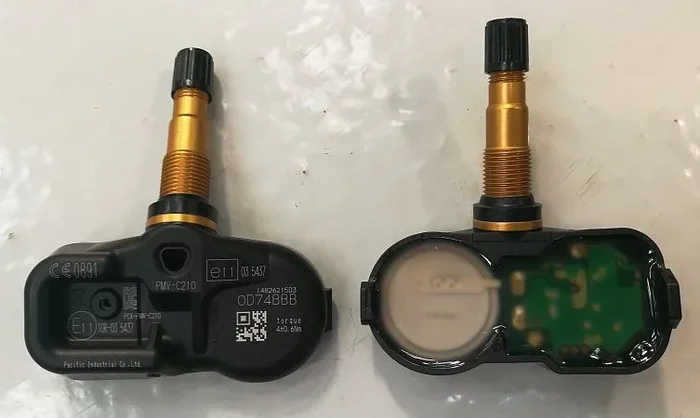
In some cases, the problem is not your tires at all. A TPMS sensor inside the wheel can malfunction or lose its battery over time. When this happens, the system sends a false alert. You might see the light even when all your tires are perfectly inflated.
How Do You Reset the TPMS on a 2016 Toyota Camry: Step-by-Step
Now for the main event. Learning how do you reset the TPMS on a 2016 Toyota Camry is easier than you might think. Follow these steps carefully, and you will have that light off in no time.
Step 1: Check All Tire Pressure First
This is the step most people skip, and it is the most important one. Before you reset anything, grab a tire pressure gauge and check every tire. This includes your spare tire too. The recommended pressure for a 2016 Camry is usually found on a sticker inside the driver door jamb.
Here is a quick checklist:
- Check all four tires when they are cold (parked for at least three hours).
- Compare each tire to the PSI rating on the door jamb sticker.
- Inflate any low tires to the correct level at a gas station or with a portable compressor.
- Do not forget to check the spare tire pressure as well.
If any tire is significantly low, fix that first. Resetting the system with a flat tire is not going to solve anything.
Step 2: Locate the TPMS Reset Button
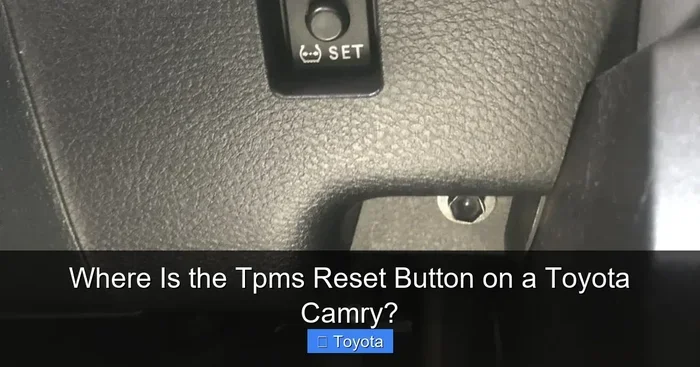
On the 2016 Toyota Camry, the TPMS reset button is located under the steering column, on the lower left side near the driver knee area. It is a small button, sometimes hidden under a plastic cover. You may need to remove a small trim piece to access it.
Some owners also find it helpful to consult the Camry owner manual for the exact location. The button is not always obvious, so take your time finding it.
Step 3: Perform the TPMS Reset
Once you have located the button and confirmed all tires are at the right pressure, follow these steps:
- Turn the ignition to the ON position, but do not start the engine.
- Press and hold the TPMS reset button until the tire pressure light on the dashboard blinks three times.
- Release the button.
- Start the engine and drive the car for about 15 to 20 minutes at a moderate speed.
- The system will relearn the tire pressure readings from all sensors.
After the drive cycle, the TPMS warning light should stay off. If it does, you are all set. If the light comes back, there may be a deeper issue to investigate.
Quick Tips for a Successful Reset
- Do the reset when the tires are cold for the most accurate reading.
- Make sure the car is in Park when you press the reset button.
- Take the drive on a road with moderate speed limits, not the highway.
- Avoid heavy braking during the relearn drive cycle.
Common TPMS Problems on the 2016 Camry
Even after a proper reset, some owners run into issues. Here are a few common tire pressure reset problems and what you can do about them.
The Light Keeps Coming Back After Reset
If the TPMS light returns shortly after your reset, one of your sensors might be failing. Batteries inside TPMS sensors typically last five to seven years. A dead sensor battery means the system cannot read that tire properly. A tire shop or Toyota service center can diagnose this with a diagnostic scanner.
Incorrect Tire Pressure Readings
Sometimes the system shows a reading that does not match your gauge. This can happen after a tire rotation or when sensors need recalibration. Driving through an auto tire service center that has the right equipment can fix this quickly.
TPMS Light Stays On During Cold Weather
As we mentioned, cold weather can trigger the light. If this happens regularly, you may want to check your tire pressure more frequently during winter months. Keeping your tires slightly closer to the upper end of the recommended PSI range can help prevent false alerts.
When to Visit a Toyota Service Center for TPMS Help
There is no shame in asking for help. Knowing when to see a professional is an important part of tire maintenance. Here are a few situations where you should head to a Toyota service center rather than DIY.
- The TPMS light stays on even after a proper reset and drive cycle.
- You notice the light flashing or blinking, which indicates a system malfunction.
- One sensor consistently shows a different pressure than the others.
- You hear a hissing sound from a tire, which suggests a larger leak.
- You are not comfortable working under the steering column or with tire equipment.
A trained technician can run a full TPMS relearn procedure with professional tools. They can also replace faulty sensors and check for hidden leaks. Most Toyota service centers offer free tire pressure checks, so it is worth a visit.
Plus, if your car is still under warranty, any TPMS sensor replacement might be covered. It never hurts to check. Toyota service departments are specifically trained for your vehicle, so they understand the nuances of the Camry dashboard systems better than most independent shops.
TPMS Maintenance Tips for Long-Term Reliability
Once you have successfully figured out how do you reset the TPMS on a 2016 Toyota Camry, you want to avoid doing it again too soon. Here are some practical tips to keep your system happy.
Check Tire Pressure Monthly
Making it a habit to check your tire pressure every month is the best thing you can do. It only takes a few minutes with a good tire pressure gauge. Keeping your tires properly inflated improves fuel efficiency, extends tire life, and keeps you safer on the road.
Get Regular Tire Rotation
Tire rotation every 5,000 to 7,500 miles helps ensure even wear. Uneven tire wear can affect pressure readings and sensor accuracy. It also keeps your ride smoother and safer.
Inspect Valve Stems and Caps
Those little rubber valve stem caps do more than you think. They keep dirt and moisture out of the valve core. A missing or damaged cap can slowly cause air loss. Take a moment to inspect them every few months.
Watch for Dashboard Alerts
Never ignore the TPMS warning light. Even if it seems like a false alarm, it is always better to check. Driving with low tire pressure can lead to blowouts, poor handling, and reduced gas mileage. Road trip safety starts with paying attention to these alerts.
Understanding TPMS Sensors and How They Work
To really appreciate what your tire pressure monitoring system does, it helps to understand the technology behind it. Each wheel on your 2016 Camry has a small sensor mounted inside the tire assembly. This sensor measures the air pressure inside the tire in real time.
The sensor sends a radio signal to your car computer. When the pressure in any tire drops below the threshold, the system triggers the dashboard warning light. Modern TPMS systems are quite accurate, but they are not indestructible. They are small electronic components that can be affected by impacts, corrosion, or age.
There are two types of TPMS systems: direct and indirect. Your 2016 Camry uses a direct TPMS, which means each tire has its own dedicated sensor. This is different from an indirect system that uses wheel speed sensors to estimate pressure based on tire rotation speed. Direct systems give you more precise readings.
If you ever need to replace a sensor, keep in mind that the new one will need to be programmed and relearned by your vehicle. This is another reason to visit a professional auto tire service center for sensor-related issues. They have the right tools and software to get the job done right.
Conclusion
So there you have it. Now you know how do you reset the TPMS on a 2016 Toyota Camry and everything that goes along with it. From checking your tire pressure and finding the reset button to understanding when to see a professional, you have all the information you need. Remember to always check your tire pressure before resetting, drive through the relearn cycle, and stay on top of regular tire maintenance. A little attention to your tire inflation goes a long way toward keeping you safe and your car running great. Take a few minutes this week to check those tires, and you will be driving with confidence in no time.
Frequently Asked Questions
Where is the TPMS reset button on a 2016 Toyota Camry?
The TPMS reset button on a 2016 Camry is located under the steering column on the lower left side, near the driver knee area. It may be hidden under a small plastic cover. You can also check the Camry owner manual for the exact placement.
Can I reset the TPMS if my tire pressure is low?
No, you should never reset the TPMS with low tire pressure. Always inflate all tires, including the spare, to the recommended PSI level first. Resetting with low pressure will just cause the light to come back immediately.
How long does the TPMS relearn process take?
The relearn process takes about 15 to 20 minutes of moderate driving after you press and hold the reset button. The system needs this drive cycle to sync with all tire pressure sensors and confirm the readings are accurate.
Why is my TPMS light on but all tires are fine?
This usually means a TPMS sensor is malfunctioning or its battery is dead. Temperature changes can also cause false alerts. If the light stays on after a proper reset, visit a tire shop or Toyota service center for a diagnostic check.
Does a tire rotation reset the TPMS on a Camry?
A tire rotation does not automatically reset the TPMS. After rotating tires, you should perform a TPMS relearn so the system updates the new positions of each sensor. This ensures accurate pressure readings for each wheel.
How much does it cost to replace a TPMS sensor?
Replacing a TPMS sensor typically costs between $50 and $100 per sensor, depending on the brand and where you go. Toyota service centers may charge a bit more, but they offer specialized expertise. Independent tire shops often provide more affordable options.