How Often Should You Replace the Clutch on a Maserati
Knowing how often to replace the clutch on a Maserati is essential for every owner. Most Maserati clutches last between 60,000 and 100,000 miles, but driving habits and model differences play a big role. This guide covers the signs, costs, and tips to help you make smart decisions about your Maserati clutch replacement.
Owning a Maserati is a thrilling experience. The Italian engineering, the sleek design, and the raw power all come together to deliver an unforgettable drive. But even the most exotic cars need regular care. One question that Maserati owners often ask is, how often should you replace the clutch on a Maserati? The answer is not as simple as a fixed number. It depends on your driving habits, the model you own, and how well you maintain the vehicle.
Your clutch is one of the most hardworking parts of your car. It engages and disengages the engine from the transmission every single time you shift gears or start from a stop. Over time, this friction causes wear. Understanding when and why a clutch needs replacement can save you money, prevent breakdowns, and keep your Maserati performing at its best. This guide covers everything you need to know about Maserati clutch replacement timing, costs, warning signs, and maintenance tips.
Key Takeaways
- Average clutch life: A Maserati clutch typically lasts 60,000 to 100,000 miles depending on the model and driving style.
- Watch for warning signs: Slipping, grinding, and a spongy pedal are clear signals that your clutch needs attention.
- Cost matters: Expect to pay between $1,500 and $3,500 for a full Maserati clutch replacement.
- Driving habits count: Stop-and-go traffic and aggressive driving wear out your clutch faster.
- Regular maintenance helps: Following the Maserati service schedule and checking clutch fluid can extend clutch life.
- Use OEM parts: Genuine Maserati clutch components offer the best fit and performance.
📑 Table of Contents
- Understanding Your Maserati Clutch System
- How Often Should You Replace the Clutch on a Maserati
- Signs Your Maserati Clutch Needs Replacement
- Factors That Affect Clutch Lifespan
- Maserati Clutch Replacement Cost and Process
- Tips to Extend Your Maserati Clutch Life
- Expert Insights on Maserati Clutch Care
- Key Takeaways
- Conclusion
Understanding Your Maserati Clutch System
Before we talk about replacement intervals, let us understand what the clutch does. In a Maserati with a manual transmission, the clutch connects your engine to the gearbox. When you press the pedal, the clutch disengages. When you release it, the clutch grips and transfers power to the wheels. In newer Maserati models, some come with a dual-clutch transmission. This system uses two clutches for faster shifts and smoother driving.
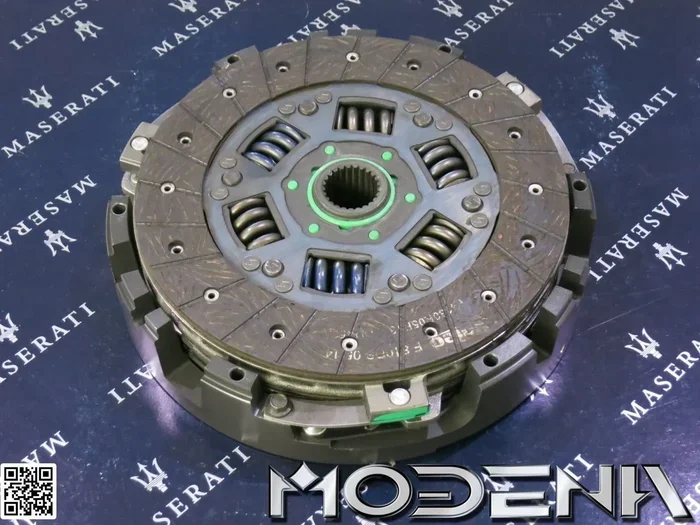
The clutch assembly includes several components. The clutch disc presses against the flywheel. The pressure plate pushes the disc against the flywheel. The throw-out bearing releases the pressure when you press the pedal. All of these parts work together every time you drive. Over thousands of miles, the friction material on the clutch disc wears down. This is normal. But how fast it wears depends on many factors.
Maserati uses high-performance clutch materials in most of its models. These materials handle more heat and pressure than standard car clutches. However, they still wear out over time. Knowing the basics of your clutch system helps you appreciate why proper maintenance matters so much.
Manual vs Automatic Clutch Systems
Not all Maseratis use the same type of clutch. Older models and some current ones come with a traditional manual gearbox. These use a single clutch disc that you control with a pedal. The driver decides when to shift and how to engage the clutch. This gives you more control but also more responsibility for clutch health.
Newer Maserati models often feature a dual-clutch automatic transmission. This system uses two separate clutches for odd and even gears. It shifts faster than a manual and does not require a clutch pedal. While this system is more convenient, it still has clutch components that wear over time. The replacement process and cost can differ from a manual setup. Always check your specific model to understand which type you have.
How Often Should You Replace the Clutch on a Maserati
The general answer is that a Maserati clutch lasts between 60,000 and 100,000 miles. Some owners report their clutch lasting even longer with gentle driving. Others find they need a replacement much sooner. The wide range depends on several factors that we will explore in detail.
For most Maserati models, the factory does not set a strict replacement interval. Unlike oil changes or brake inspections, there is no mileage-based clutch service on the maintenance schedule. Instead, the clutch is a wear item. You replace it when it shows signs of failure. This is why knowing the symptoms is so important.
Here is a rough guideline based on common Maserati models:
- Maserati Ghibli: Clutch typically lasts 70,000 to 100,000 miles with normal driving.
- Maserati Quattroporte: Expect 75,000 to 100,000 miles before needing a replacement.
- Maserati GranTurismo: The manual transmission version may last 80,000 to 100,000 miles.
- Maserati MC Stradale: High-performance driving can reduce clutch life to 40,000 to 60,000 miles.
These numbers are estimates. Your actual clutch life may vary. The key is to pay attention to how your car feels and responds while driving.
Manufacturer Recommendations
Maserati’s official maintenance guide does not list a specific clutch replacement interval. Instead, it recommends inspecting the clutch during regular service appointments. A trained technician can check the clutch disc thickness, the pressure plate condition, and the flywheel surface. If any of these components show excessive wear, the technician will recommend a replacement.
Following the Maserati service schedule is one of the best things you can do for your car. Regular inspections catch small problems before they become expensive repairs. Even if the clutch seems fine, a professional check every 15,000 to 20,000 miles gives you peace of mind.
Signs Your Maserati Clutch Needs Replacement
Catching the early warning signs of a failing clutch can save you from a major breakdown on the road. The sooner you identify the problem, the easier and cheaper the repair will be. Here are the most common signs that your Maserati clutch needs attention.
Clutch Slipping
Clutch slipping is one of the most common symptoms. You might notice that your engine RPMs rise when you press the accelerator, but your speed does not increase as quickly. This happens when the friction material on the clutch disc wears thin. The disc can no longer grip the flywheel properly. Slipping often gets worse under heavy load, like when you are climbing a hill or towing something.
If you feel your Maserati struggling to accelerate even though the engine sounds like it is working hard, have your clutch checked right away. Driving on a slipping clutch can damage the flywheel and make the repair more expensive.
Difficulty Shifting Gears
A healthy clutch engages and disengages smoothly. If you start having trouble shifting gears, it could be a clutch problem. You might hear grinding noises when you try to put the car in gear. Or the gear might not fully engage. This often means the clutch is not releasing completely when you press the pedal.
Difficulty shifting should never be ignored. Continuing to drive with this issue can cause further damage to the gearbox. Have a Maserati specialist inspect the clutch and hydraulic system as soon as possible.
Spongy or Soft Clutch Pedal
When you press the clutch pedal, it should feel firm and responsive. If the pedal feels spongy, soft, or sinks to the floor, there is a problem. This usually points to air in the clutch hydraulic line or a leak in the master or slave cylinder. Hydraulic issues prevent the clutch from fully engaging or disengaging.
A soft pedal might not always mean the clutch disc itself is worn. But it does mean your clutch system needs immediate attention. Check the clutch fluid level and have the hydraulic system inspected.
Burning Smell
A burning smell coming from under the hood is never a good sign. In the context of a clutch, this smell usually comes from the friction material overheating. This often happens when the clutch is slipping or when you ride the clutch pedal too much. If you notice a burning, acrid smell, pull over safely and let the car cool down.
Continuing to drive with an overheating clutch can cause irreversible damage. Get your car towed to a service center if the smell persists.
Clutch Pedal Vibration
A vibrating or chattering clutch pedal can indicate a worn clutch disc or a damaged flywheel. The vibration often happens when you first start engaging the clutch. You might feel it through the pedal or the entire car. This is a clear sign that the clutch components need inspection.
Factors That Affect Clutch Lifespan
Why does one Maserati owner get 100,000 miles out of a clutch while another needs a replacement at 50,000? The answer lies in the factors that influence clutch wear. Understanding these can help you make choices that extend the life of your clutch.
Driving Habits
Your driving style has the biggest impact on clutch longevity. If you tend to ride the clutch, keeping your foot partially on the pedal while driving, you wear out the clutch much faster. The same goes for aggressive launches and rapid shifting. Each time you partially engage the clutch, you create extra friction and heat.
Smooth, deliberate driving is the best way to protect your clutch. Press the pedal fully when shifting and release it gently. Avoid resting your foot on the clutch pedal while cruising. These small changes can add thousands of miles to your clutch life.
Traffic Conditions
If you live in a city with heavy stop-and-go traffic, your clutch takes a beating. Every time you crawl forward in traffic, you partially engage the clutch. In rush hour, this can happen hundreds of times in a single commute. Over months and years, this adds up quickly.
Maserati owners in urban areas often notice faster clutch wear than those who drive on open highways. If you deal with heavy traffic daily, consider using the automatic transmission if your model offers one, or practice habits that reduce clutch engagement in slow traffic.
Model and Engine Power
Not all Maseratis are created equal when it comes to clutch wear. A high-powered model like the Maserati MC Stradale puts more stress on the clutch than a GranTurismo. More power means more torque transferred through the clutch. This accelerates wear, especially if you enjoy spirited driving or track days.
When choosing a Maserati or planning long-term ownership, consider how much power your model produces and how you plan to drive it. Higher-powered models may need clutch replacements more frequently.
Clutch Fluid Maintenance
Many people forget about clutch fluid, but it plays a vital role in clutch health. Old or contaminated clutch fluid can cause the hydraulic system to operate poorly. This leads to incomplete clutch engagement and increased wear on the clutch disc.
Maserati recommends changing the clutch fluid at regular intervals, usually every 2 to 3 years. Check your owner’s manual for the specific recommendation. Keeping the hydraulic system clean and full of fresh fluid is a simple way to protect your clutch.
Flywheel Condition
The flywheel is the surface that the clutch disc presses against. A warped or damaged flywheel causes uneven clutch engagement and premature wear. When replacing a clutch, always inspect the flywheel. In many cases, the flywheel should be resurfaced or replaced at the same time as the clutch.
Replacing a clutch without addressing flywheel issues is a wasted effort. The new clutch will wear out quickly if the flywheel is not in good condition. Ask your mechanic to check the flywheel during any clutch service.
Maserati Clutch Replacement Cost and Process
Replacing a clutch on a Maserati is not a cheap job. The cost is higher than on most mainstream cars because of the luxury parts, the complexity of the work, and the specialized labor required. But knowing what to expect can help you budget and avoid surprises.
Average Cost Breakdown
The total cost for a Maserati clutch replacement typically ranges from $1,500 to $3,500. Here is a general breakdown of what you can expect to pay:
- Clutch kit (disc, pressure plate, throw-out bearing): $500 to $1,200 for OEM parts.
- Labor: $800 to $2,000 depending on the model and shop rates.
- Flywheel resurfacing or replacement: $200 to $500 if needed.
- Clutch fluid and hydraulic system service: $100 to $200.
The Maserati Ghibli and Quattroporte fall in the middle of this range. High-performance models or older cars with harder-to-access components may cost more. Always ask for a detailed estimate before authorizing the repair.
What the Replacement Process Involves
Replacing a clutch on a Maserati is a major job. The transmission must be removed to access the clutch assembly. This requires draining fluids, disconnecting electrical connections, and unbolting the transmission from the engine. Once the transmission is out, the old clutch is removed and the new one is installed.
The process typically takes 6 to 10 hours of labor at a qualified Maserati service center. Shops that specialize in Italian cars or Maserati models will have the right tools and expertise. After the replacement, the clutch needs to be bled properly to remove any air from the hydraulic system.
Always use genuine OEM Maserati clutch parts or high-quality aftermarket alternatives. Cheap clutch kits may save money upfront but can wear out much faster and cost you more in the long run.
Warranty and Coverage
If your Maserati is still under warranty, check whether the clutch replacement is covered. Factory warranties typically cover defects in materials but do not cover normal wear items like the clutch disc. However, if a clutch problem is caused by a manufacturing defect, the warranty may apply.
Extended warranty plans or Maserati-certified pre-owned warranties may offer clutch coverage. Always read the terms carefully and ask your dealer about what is included before committing to a repair.
Tips to Extend Your Maserati Clutch Life
You cannot stop a clutch from eventually wearing out, but you can slow down the process. Follow these practical tips to get the most miles out of your Maserati clutch.
1. Avoid Riding the Clutch
This is the number one killer of clutches. Keep your foot off the clutch pedal when you are not actively shifting gears. Even a slight pressure creates partial engagement and causes unnecessary friction.
2. Use the Handbrake on Hills
When parking on a hill, use the handbrake instead of holding the car with the clutch. Using the clutch to hold the car on an incline creates extra wear on the clutch disc.
3. Shift Smoothly and Decisively
Do not half-shift or hesitate between gears. Quick, confident shifts put less strain on the clutch. Take the time to learn the proper shifting technique for your specific Maserati model.
4. Keep Up with Fluid Changes
Replace your clutch fluid on schedule. Fresh fluid keeps the hydraulic system working properly and prevents internal corrosion. This is a small maintenance task that pays big dividends.
5. Address Problems Early
If you notice any symptoms of clutch trouble, get it checked immediately. Ignoring a small problem lets it grow into a bigger, more expensive repair. Early intervention is always cheaper than waiting for a full failure.
6. Drive Gently When the Car Is Cold
Clutch components are stiffer and less flexible when cold. Give your Maserati a few minutes to warm up before pushing it hard. Gentle driving during the first few minutes of operation reduces stress on the clutch.
Expert Insights on Maserati Clutch Care
Experienced Maserati mechanics agree that most clutch problems are preventable. Regular inspections and good driving habits go a long way. One common mistake is ignoring the early signs of clutch wear. By the time a clutch starts slipping significantly, the damage is already done, and a replacement becomes unavoidable.
Another insight from professionals is the importance of the flywheel. Many owners only replace the clutch disc and pressure plate but skip the flywheel. If the flywheel has worn spots or is warped, the new clutch will not perform correctly and will wear out prematurely. Always insist on a flywheel inspection during any clutch service.
Finally, experts recommend choosing a specialist over a general mechanic. Maserati cars have unique engineering and specific torque specifications. A Maserati-trained technician will know exactly how to handle your car’s clutch system and ensure the job is done right the first time.
Key Takeaways
- Average clutch life: A Maserati clutch typically lasts 60,000 to 100,000 miles depending on the model and driving style.
- Watch for warning signs: Slipping, grinding, and a spongy pedal are clear signals that your clutch needs attention.
- Cost matters: Expect to pay between $1,500 and $3,500 for a full Maserati clutch replacement.
- Driving habits count: Stop-and-go traffic and aggressive driving wear out your clutch faster.
- Regular maintenance helps: Following the Maserati service schedule and checking clutch fluid can extend clutch life.
- Use OEM parts: Genuine Maserati clutch components offer the best fit and performance.
Conclusion
So, how often should you replace the clutch on a Maserati? The honest answer is that it depends. Most Maserati clutches last between 60,000 and 100,000 miles, but your experience may vary. Driving habits, traffic conditions, and how well you maintain the car all play a role. The best approach is to stay proactive. Watch for the warning signs, follow the maintenance schedule, and address any clutch issues the moment they appear.
Taking care of your Maserati clutch is not just about avoiding expensive repairs. It is about preserving the driving experience that makes owning a Maserati so special. A smooth, responsive clutch makes every shift feel perfect and keeps your car performing like the Italian masterpiece it is. Stay attentive, drive smoothly, and your Maserati will reward you with years of exhilarating performance.
Remember, the clutch is a wear item. Even with the best care, it will eventually need replacing. When that time comes, trust a qualified Maserati specialist, use genuine parts, and do not cut corners. Your Maserati deserves nothing less.
Frequently Asked Questions
What is the average Maserati clutch replacement cost?
The average cost to replace a clutch on a Maserati ranges from $1,500 to $3,500. This includes parts, labor, and any additional services like flywheel resurfacing. The final price depends on your specific model and the shop you choose.
How many miles does a Maserati clutch last?
Most Maserati clutches last between 60,000 and 100,000 miles. High-performance driving, heavy traffic, and poor maintenance can reduce this significantly. Gentle driving and regular inspections help extend clutch life.
Can you drive a Maserati with a slipping clutch?
You can, but you should not. Driving on a slipping clutch causes further damage to the flywheel and transmission. It also reduces your car’s performance and can be dangerous. Get the clutch replaced as soon as you notice slipping.
Does Maserati cover clutch replacement under warranty?
Factory warranties typically do not cover clutch replacement because it is considered a normal wear item. However, if the problem is caused by a manufacturing defect, it may be covered. Check with your dealer for specific warranty details.
How long does a Maserati clutch replacement take?
A Maserati clutch replacement usually takes between 6 and 10 hours of labor. The exact time depends on the model, the condition of the flywheel, and the complexity of the job. Always let a qualified Maserati technician handle this work.
What are the first signs that my Maserati clutch is failing?
The first signs include clutch slipping, difficulty shifting gears, a spongy or soft pedal, a burning smell, and vibrations in the clutch pedal. If you notice any of these symptoms, have your Maserati inspected by a professional immediately.