How Much Should an Oil Change Cost at a Trusted Shop
The average oil change cost ranges from $35 to $75 for conventional oil and $65 to $125 for synthetic oil. The price depends on your vehicle type, oil choice, and where you go. This guide breaks down every factor so you know what a fair price looks like and how to avoid overpaying.
You pull into the gas station or open your phone to book a service, and one question hits you right away. How much should an oil change cost? It seems like a simple question, but the answer can surprise you. Prices swing wildly depending on where you go, what kind of oil you need, and what type of car you drive.
Some shops advertise a $19.99 oil change, and that sounds amazing. But is it really a good deal? Or could it end up costing you more in the long run? The truth is, the oil change cost at a trusted shop reflects more than just the price tag. It reflects the quality of the oil, the skill of the technician, and the level of service you receive.
In this guide, we are going to break down everything you need to know about oil change pricing. We will look at what drives the cost, what oil type is best for your vehicle, and how to find a shop that offers fair, honest pricing. By the end, you will feel confident walking into any service center and knowing exactly what a fair oil change price looks like.
Key Takeaways
- Average oil change cost: Expect to pay between $35 and $125 depending on oil type and location.
- Synthetic vs. conventional: Full synthetic costs more but offers better engine protection and longer intervals.
- Where you go matters: Independent shops are usually cheaper than dealerships, but both can be trustworthy.
- Hidden fees exist: Always ask what is included in the quoted oil change price before you agree.
- DIY is cheapest: Changing your own oil can cut the cost by 50% or more if you have basic tools.
- Coupons and memberships: Many shops offer discounts that can significantly lower your oil change cost.
- Don’t skip oil changes: Skipping this routine maintenance can lead to expensive engine repairs down the road.
📑 Table of Contents
- What Drives the Oil Change Cost?
- How Much Does an Oil Change Cost at Different Shops?
- Conventional vs. Synthetic Oil: Which Saves You More?
- How Often Should You Change Your Oil?
- Hidden Fees to Watch Out For
- Tips to Save Money on Oil Changes
- How to Find a Trusted Shop for Your Oil Change
- The Real Cost of Skipping Oil Changes
- Conclusion
What Drives the Oil Change Cost?
Not all oil changes are created equal. The price you pay depends on several factors that work together. Understanding these factors helps you make smart decisions and avoid surprises on your bill.
Type of Oil Used
The single biggest factor in your oil change cost is the type of oil. There are three main categories: conventional, synthetic blend, and full synthetic. Conventional oil is the most basic and least expensive option. It works fine for older vehicles with simpler engines. Synthetic blend mixes conventional and synthetic oils for better performance at a moderate price. Full synthetic oil is the premium choice, offering the best protection and the longest intervals between changes.
Here is a quick look at how oil type affects pricing:
- Conventional oil: Usually the most affordable option, ranging from $25 to $50.
- Synthetic blend: Falls in the middle, typically $35 to $70.
- Full synthetic oil: The priciest option, often $55 to $125.
These ranges vary by region and shop, but they give you a solid baseline. The oil type alone can swing your total bill by $50 or more.
Your Vehicle Type
The make and model of your car also plays a big role. A compact sedan needs less oil than a full-size truck or SUV. Some luxury vehicles require special oil that costs more per quart. European cars like BMW or Mercedes often need specific formulations, which drives up the oil change price. Larger engines simply use more oil, so the parts cost goes up.
If you own a high-mileage vehicle, you might also need high mileage oil. This type of oil contains additives that help seal older engine gaskets and reduce wear. It costs a bit more than standard oil but can be worth it for older cars.
Location and Shop Type
Where you get your oil changed matters a lot. Dealerships tend to charge the highest prices because they have brand-specific expertise and use factory-approved parts. Independent mechanics usually offer lower rates because their overhead costs are smaller. Quick-lube chains like Jiffy Lube or Valvoline fall somewhere in between and often run promotions.
Geographic location also affects pricing. Shops in major cities or affluent neighborhoods often charge more than those in suburban or rural areas. Cost of living plays a role here, so what costs $40 in one town might cost $60 in another city just 50 miles away.
How Much Does an Oil Change Cost at Different Shops?
Let us get into the numbers. Knowing what to expect at different types of shops helps you compare and choose wisely.
Dealership Service Centers
Dealerships are often the most expensive option for an oil change. You might pay anywhere from $80 to $150 for a standard oil change. The higher price includes dealership labor rates, which are typically the steepest in the industry. You also pay for the dealership’s brand reputation and their use of factory-spec parts and fluids.
However, dealerships do have some advantages. Their technicians are trained specifically for your vehicle make. They have access to the latest service bulletins and software updates. If your car is still under warranty, getting your oil change at the dealership ensures it is documented properly. For some people, that peace of mind is worth the extra cost.
Independent Mechanics
Independent shops are often the sweet spot for value and quality. A trusted independent mechanic might charge between $40 and $80 for a standard oil change. These shops often use the same quality oils and filters as dealerships but at a lower labor rate.
The best independent shops build their reputation on honest pricing and solid workmanship. Many of them have been serving local communities for decades. They know their customers by name and take the time to explain what your car actually needs. When searching for an oil change near me, independent shops should be at the top of your list.
Quick-Lube Chains
Quick-lube chains like Jiffy Lube, Valvoline, and Take 5 are known for speed and convenience. An oil change at one of these chains typically costs between $30 and $65. They specialize in oil changes and fluid services, so they work fast. Many locations are open evenings and weekends, which is a huge plus for busy schedules.
The downside is that quick-lube shops sometimes push additional services you might not need. Upsells for transmission fluid flush, tire rotation, or fuel system cleaning can quickly add $100 or more to your bill. The key is to know what you need and politely decline anything that is not on your maintenance schedule.
DIY Oil Changes
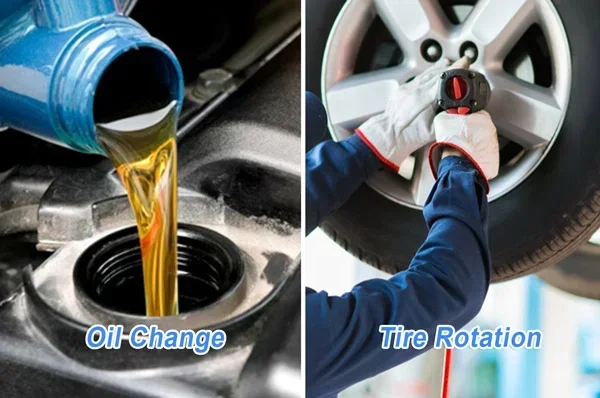
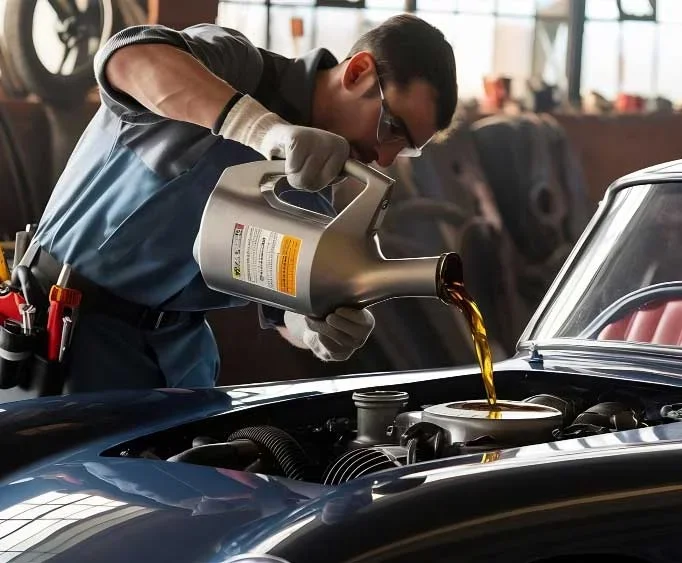
For those who like to get their hands dirty, a DIY oil change is the cheapest option by far. You can buy a quality oil filter and enough oil for around $20 to $40. The process takes about 30 minutes if you have a jack and basic tools. The oil change cost drops dramatically when you do it yourself.
Just make sure you dispose of the old oil properly. Most auto parts stores accept used oil for recycling at no charge. Also, keep in mind that DIY oil changes do not get recorded in your vehicle’s service history, which could matter if you ever need to make a warranty claim.
Conventional vs. Synthetic Oil: Which Saves You More?
This is one of the most common debates in car maintenance. Conventional oil is cheaper upfront but needs to be changed more often. Synthetic oil costs more per change but lasts longer, which means fewer trips to the shop.
Cost Comparison Over Time
Let us look at a realistic example. Say you drive about 15,000 miles per year. With conventional oil, you might need an oil change every 5,000 miles. That is three oil changes per year at roughly $40 each, totaling about $120 annually. With full synthetic oil, you could go 7,500 miles between changes. That is two oil changes per year at roughly $80 each, totaling about $160 annually.
At first glance, conventional oil looks cheaper. But synthetic oil provides better engine protection, better fuel economy, and less wear over time. Over a five-year period, the difference in total cost is not as dramatic as the per-change price suggests.
When to Choose Each Type
- Choose conventional oil if: You have an older vehicle with a simple engine, you drive fewer than 10,000 miles per year, or you are on a tight budget.
- Choose synthetic blend if: You want better protection than conventional oil but cannot justify the full synthetic price.
- Choose full synthetic oil if: You drive a newer vehicle, you put on high annual mileage, or you want the longest possible oil change interval.
Always check your owner’s manual before choosing an oil type. Using the wrong oil can void your warranty or cause engine problems.
How Often Should You Change Your Oil?
The old rule of thumb was every 3,000 miles or three months. Modern vehicles and improved oils have changed that. Most newer cars can go 5,000 to 7,500 miles between oil changes when using synthetic oil. Some manufacturers even claim intervals of 10,000 miles for full synthetic.
Check Your Owner’s Manual
Your vehicle’s owner manual is the best source for oil change frequency. It tells you the recommended interval for your specific engine and driving conditions. Follow those guidelines to keep your engine running smoothly and your warranty intact.
Driving Conditions Matter
Your driving habits affect how often you need an oil change. If you frequently drive in stop-and-go traffic, tow heavy loads, or operate in extreme temperatures, you fall into the “severe service” category. Severe driving conditions mean you should change your oil more often, even if your mileage is below the standard interval.
Short trips are especially hard on oil. When you drive less than 10 miles at a time, the engine never fully warms up. Moisture and fuel contaminate the oil faster, which means you need more frequent changes.
Hidden Fees to Watch Out For
One of the most frustrating things about getting an oil change is discovering hidden fees after the fact. A shop quotes you $39.99 and then hands you a bill for $75. What happened?
Common Add-On Charges
Some shops charge extra for things like:
- Environmental disposal fees: These are legal in some states and can add $2 to $5.
- Shop supplies fee: Covers items like rags, gloves, and drain pans.
- Digital inspection fee: Some shops charge for a multi-point inspection report.
- Upgraded oil filter: A premium filter costs more than the standard one included in the base price.
The best way to avoid surprises is to ask for a complete breakdown before the service begins. A trustworthy shop will gladly explain every charge on your bill.
What a Fair Oil Change Price Should Include
A fair oil change cost should cover the oil, the oil filter, labor, and any required disposal fees. If a shop charges extra for a basic oil and filter change, that is a red flag. Ask what is included in the quoted price before you agree to the service.
Tips to Save Money on Oil Changes
Saving money on your oil change cost does not mean sacrificing quality. There are smart ways to keep your car maintained without overspending.
Look for Coupons and Promotions
Almost every auto service shop runs promotions. Check their websites, sign up for email newsletters, or download their mobile apps. Many shops offer first-time customer discounts or seasonal promotions. A simple oil change coupon can save you $10 to $25 per visit.
Consider a Maintenance Membership
Some shops and chains offer membership programs. For a monthly or annual fee, you get discounted oil changes and other services. If you change your oil frequently, a membership can pay for itself quickly.
Keep Up with Routine Maintenance
This might sound counterintuitive, but staying on top of your oil changes actually saves money. Fresh oil protects your engine from wear and prevents costly repairs. Skipping oil changes to save $40 today can lead to engine damage that costs thousands tomorrow.
Ask About Multi-Service Discounts
If your car needs more than just an oil change, ask about bundled pricing. Many shops offer discounts when you combine services like an oil change with a tire rotation or brake inspection.
How to Find a Trusted Shop for Your Oil Change
Finding a reliable mechanic is just as important as understanding the oil change cost. A good shop will be honest, transparent, and fair with their pricing.
Check Reviews and Recommendations
Start by reading online reviews on Google, Yelp, or Facebook. Look for patterns in the feedback. Are customers consistently happy with the pricing? Do they mention honest communication? Personal recommendations from friends and family are also incredibly valuable.
Ask the Right Questions
When you call a shop, ask these questions:
- What type of oil do you use?
- Is the oil filter included in the price?
- What does the oil change cost cover?
- Do you provide a written estimate before starting work?
- Are your technicians ASE certified?
The answers to these questions tell you a lot about a shop’s professionalism and transparency.
Trust Your Gut
You should feel comfortable walking into a shop. The staff should be willing to answer your questions without rushing you. If something feels off, trust your instincts and find another shop. There are plenty of options out there, and you deserve a mechanic who respects your time and your money.
The Real Cost of Skipping Oil Changes
Some people skip oil changes to save money. This is one of the most expensive shortcuts you can take. Old, dirty oil loses its ability to lubricate and protect your engine. Over time, this leads to increased friction, overheating, and eventually engine failure.
A new engine can cost anywhere from $4,000 to $8,000. Compare that to an oil change cost of $40 to $80 every few months. The math is clear. Regular oil changes are one of the cheapest and most important things you can do for your vehicle.
Beyond the financial cost, skipping oil changes can also reduce your car’s resale value. A well-maintained vehicle with documented service history sells for more than one with neglected maintenance. Keep your records, and your wallet will thank you later.
Conclusion
The oil change cost at a trusted shop depends on several factors, including oil type, vehicle model, and where you go. On average, you should expect to pay between $35 and $125 for a professional oil change. The key is finding a shop that offers fair pricing, quality oil, and honest service.
Do not let the cheapest price be your only deciding factor. A $19.99 oil change might sound like a steal, but it could use low-quality oil or skip essential steps. Instead, focus on finding a balance between price, quality, and trust. Your engine is the heart of your vehicle, and it deserves the best care you can provide.
Now that you understand what goes into the oil change cost, you are ready to make informed decisions. Use the tips in this guide to compare prices, choose the right oil type, and find a shop you can trust. Your car and your wallet will both thank you.
Frequently Asked Questions
Is it worth paying more for a synthetic oil change?
Yes, for most modern vehicles, synthetic oil provides better protection and lasts longer than conventional oil. The higher oil change cost upfront can save you money over time by reducing the number of changes you need. Check your owner’s manual to see if your manufacturer recommends synthetic oil.
Can I go longer than the recommended oil change interval?
It is not recommended. Going past the recommended interval puts extra wear on your engine and can void your warranty. If you drive in severe conditions, you may need to change your oil even more frequently than the standard interval suggests.
Why do dealership oil changes cost so much more?
Dealerships charge higher labor rates and use factory-approved parts and fluids. They also document the service in your vehicle’s official service history, which can be important for warranty claims. The higher cost reflects this specialized service and brand-specific expertise.
How can I find a reliable oil change near me?
Start by checking online reviews on Google or Yelp. Look for shops with consistent positive feedback about pricing and service quality. Ask friends and family for personal recommendations. Visiting a shop in person and asking questions is also a great way to gauge their professionalism.
What should I do with my old oil after an oil change?
Most auto parts stores and service shops accept used oil for recycling at no charge. Never dump old oil down a drain or in the trash. It is a hazardous material that can contaminate water supplies. Many communities also host hazardous waste collection days where you can drop off old oil safely.
Does the oil filter need to be changed every time?
Yes, absolutely. The oil filter catches dirt, metal particles, and other contaminants. A clogged filter reduces oil flow and can damage your engine. A proper oil change always includes a new oil filter, and the cost of the filter is typically included in the total oil change price.