How Long Do Sequoia Cars Last and What You Should Know
How Long Do Sequoia Cars Last depends on maintenance, driving habits, and model year. With proper care, a Toyota Sequoia can easily surpass 200,000 miles and reach 300,000 miles or more. This full-size SUV’s V8 engine and sturdy frame make it one of the most durable trucks on the road. Learn what factors influence longevity and how to get the most miles out of your Sequoia.
When you buy a Toyota Sequoia, you’re not just getting a big SUV—you’re getting a vehicle built to endure. How Long Do Sequoia Cars Last is a question on every buyer’s mind, and the answer is simpler than you might think. With the right care, these full-size trucks routinely cross the 200,000-mile mark and keep going strong. The Sequoia has earned a reputation as one of the most reliable SUVs on the road, thanks to its tough V8 engine and body-on-frame design.
But longevity doesn’t happen by accident. It comes down to a mix of factory quality, owner habits, and a commitment to Toyota Sequoia maintenance. Some Sequoias have been logged at over 300,000 miles, and those stories aren’t rare. Whether you’re buying a used model or planning to keep your current one for decades, understanding what affects lifespan is the first step.
This guide breaks down everything you need to know. From engine durability to common problems, we’ll cover the real-world factors that determine how long your Sequoia will last. You’ll find practical tips, expert insights, and honest advice to help you get the most out of your investment.
Key Takeaways
- Regular maintenance is the #1 factor: Oil changes, fluid flushes, and timely repairs keep the Sequoia running for 250,000+ miles.
- The 5.7L V8 engine can last over 300,000 miles: Its cast-iron block and robust internals are built for durability.
- Frame rust is the biggest threat in older models: Regular undercarriage washing and anti-rust coatings prevent structural issues.
- Towing heavy loads reduces lifespan if not maintained: Use a transmission cooler and stay within the rated capacity.
- High-mileage Sequoias hold their value well: A well-kept 200,000-mile Sequoia still commands strong resale prices.
- Simple habits like warm-up drives extend engine life: Gentle starts and gradual warm-ups reduce wear on cold mornings.
- 3rd gen models have improved reliability: The 10-speed transmission and updated engineering suggest even longer lifespans ahead.
📑 Table of Contents
How Long Do Sequoia Cars Last: The Big Picture
The average lifespan of a Toyota Sequoia falls between 200,000 and 300,000 miles. That’s well above the industry standard for SUVs, which typically sits around 150,000 to 200,000 miles. The Sequoia’s longevity is rooted in its simple, proven engineering. The truck uses a solid rear axle, a robust V8 engine, and a body-on-frame construction that can handle years of hard use.
Several factors push some Sequoias past the 300,000-mile mark while others retire at 150,000. Sequoia reliability is high across the board, but it’s not uniform. The model year matters, the driving environment matters, and the owner’s maintenance routine matters most. A Sequoia that gets regular oil changes and fluid flushes will outlast one that sits in a garage without service.
Let’s look at the numbers. According to data from iSeeCars and RepairPal, the Toyota Sequoia ranks in the top 10 for longest-lasting vehicles. Many owners report high mileage Sequoia experiences with minimal major repairs. The truck’s resale value also reflects this durability—Sequoias hold their value better than most competitors.
What the Generations Tell Us
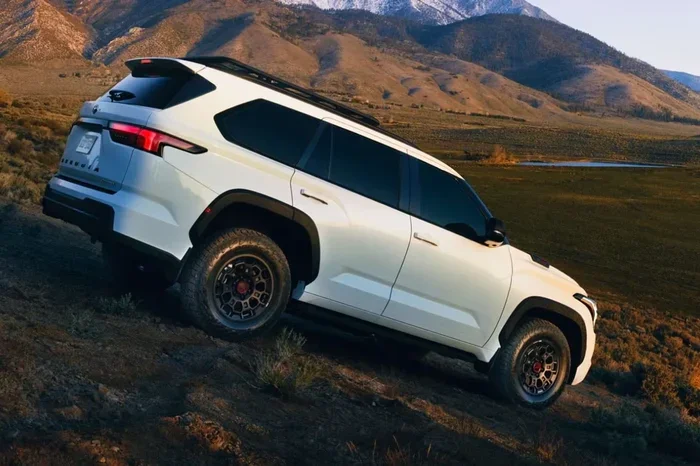
The Sequoia has gone through three generations. The first generation (2001-2007) was based on the Tundra platform and set the tone for reliability. The second generation (2008-2019) introduced more refined engineering and a stronger 5.7L V8. The third generation (2022-present) brings modern tech and improved efficiency, but the core durability remains the same. Each generation has its strengths, but all share the same long-life DNA.
Engine and Drivetrain Durability
The heart of any Sequoia is its engine. The 4.7L V8 (first and second gen early models) and the 5.7L V8 (2007+) are both known for exceptional longevity. These engines use cast-iron blocks and robust valve trains that can handle high mileage with proper care. The 5.7L in particular is a powerhouse that can last over 300,000 miles before needing a major overhaul.
4.7L vs 5.7L V8: Which Lasts Longer?
The 4.7L V8 is a simpler engine with fewer electronics, which can be an advantage for longevity. However, it produces less power and may work harder when towing. The 5.7L V8 has more torque and advanced features like variable valve timing, but it’s also more complex. Both engines are reliable, but the 5.7L benefits from stronger internals and better cooling. If you’re choosing between used models, a 5.7L second-generation Sequoia often has the edge for long-term durability.
Towing and Its Impact on Engine Life
Towing heavy trailers puts extra stress on the engine, transmission, and cooling system. A Sequoia that regularly hauls 5,000 to 7,000 pounds will experience more wear than one used only for commuting. That doesn’t mean towing kills the engine—it just means you need to be more vigilant with maintenance. Regular coolant flushes, transmission fluid changes, and tow-mode driving habits can offset the extra load.
Transmission Longevity
The 4-speed automatic (early models) and 6-speed automatic (later models) are both stout units. The 6-speed transmission in 2007+ Sequoias is particularly well-regarded. With proper Toyota Sequoia maintenance, the transmission can easily reach 250,000 miles. Common issues include solenoid wear and fluid degradation, both of which are preventable with regular service. Changing the transmission fluid every 60,000 miles is a small cost that pays huge dividends.
Quick Tip: Always warm up your Sequoia for 30 seconds before driving gently for the first mile. This lets the oil circulate and reduces engine wear, especially in cold weather.
Maintenance That Extends Life
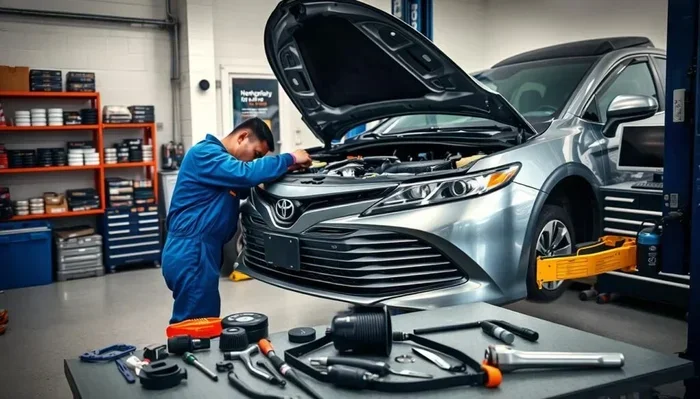
The single biggest factor in how long do Sequoia cars last is maintenance. A well-maintained Sequoia will outlast a neglected one by 100,000 miles or more. The maintenance schedule is straightforward and affordable, especially if you handle basic services yourself.
Regular Oil Changes: The Foundation
Oil is the lifeblood of the engine. Changing it every 5,000 to 7,500 miles with quality synthetic oil keeps the internals clean and lubricated. The 5.7L V8 holds about 6 quarts of oil, and using the right viscosity (5W-30 or 0W-20 per the manual) is critical. Skipping oil changes leads to sludge buildup, which can clog oil passages and cause premature engine wear.
Fluid Checks and Flushes
Beyond oil, several other fluids need attention:
- Coolant: Flush every 60,000 miles to prevent corrosion and overheating.
- Transmission fluid: Change every 60,000 miles for automatic models.
- Brake fluid: Replace every 2 years to maintain braking performance.
- Power steering fluid: Check for leaks and top off as needed.
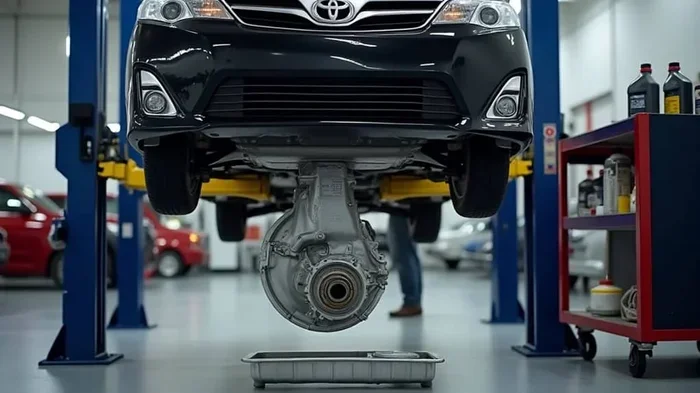
- Differential fluid: Replace every 30,000 to 50,000 miles.
Timing Chain and Belt Maintenance
The 5.7L V8 uses a timing chain, not a belt, which is a major plus for longevity. Timing chains rarely need replacement, but they can stretch over time. Listening for a rattling noise on startup is a warning sign. The 4.7L V8 also uses a timing chain. Regular oil changes keep the chain tensioner and guides healthy. Replacing the timing chain prematurely is rare, but it can happen if oil changes are neglected.
Common Maintenance Mistakes That Shorten Lifespan
Even well-meaning owners can make errors. Here are the most common mistakes:
- Ignoring the check engine light: A small issue can become a big problem if left unchecked.
- Using cheap fuel: The 5.7L V8 requires premium fuel for optimal performance and carbon buildup prevention.
- Skipping wheel alignments: Misaligned wheels cause uneven tire wear and strain the suspension.
- Neglecting brake inspections: Worn brakes damage rotors and calipers, leading to costly repairs.
- Overlooking coolant leaks: A small leak can lead to overheating and engine damage.
Expert Insight: Toyota dealers recommend a full inspection every 15,000 miles. This includes checking all fluids, filters, belts, and hoses. Staying ahead of small issues is the best way to ensure your Sequoia reaches 300,000 miles.
Common Problems That Shorten Lifespan
No vehicle is perfect, and the Sequoia has its share of known issues. Understanding these problems helps you address them early and avoid costly repairs that can cut a Sequoia’s life short.
Frame Rust: The Silent Killer
The biggest threat to older Sequoias is frame rust. The body-on-frame design is strong, but the frame can corrode when exposed to salt, moisture, and road grime. Rust typically appears on the frame rails near the rear wheels and under the doors. A rusted frame compromises structural integrity and can render the truck unsafe. Regular washing, especially the undercarriage, is essential. Applying an anti-rust coating every year adds a protective layer. If you live in a coastal or snowy region, inspect the frame closely.
Electrical Gremlins in Older Models
Second-generation Sequoias (2008-2019) are generally reliable, but some owners report electrical issues. Common problems include faulty window regulators, failing HVAC blend doors, and intermittent instrument cluster flickering. Most of these are minor and inexpensive to fix. However, ignoring them can lead to more complex electrical failures. Keeping connectors clean and replacing worn switches promptly prevents bigger headaches.
Suspension Wear Over Time
The Sequoia’s suspension takes a beating, especially when towing or carrying heavy loads. Key components that wear out include:
- Shock absorbers: Replace every 50,000 to 75,000 miles for a smooth ride.
- Struts: The front struts can leak oil and lose damping ability.
- Ball joints and tie rods: Worn ball joints cause clunking noises and steering play.
- Control arm bushings: These rubber parts deteriorate over time, leading to alignment issues.
Replacing these parts proactively keeps the truck stable and safe. Waiting until they fail can damage tires and compromise handling.
Brake System Longevity
Sequoia brakes are large and durable, but they still wear out. Brake pads typically last 40,000 to 60,000 miles, depending on driving style. Rotors can warp from towing or hard braking. Flushing brake fluid every two years prevents moisture absorption, which leads to corrosion inside the brake lines and ABS module. A well-maintained brake system stops the truck reliably for hundreds of thousands of miles.
Real-World Mileage and Generational Differences
What do actual Sequoia owners report? The data is encouraging. Let’s look at real-world mileage trends and compare the generations.
100,000-Mile Mark
At 100,000 miles, most Sequoias are just getting started. Routine maintenance items like brake pads, tires, and battery may need replacement, but the engine and transmission are still in their prime. Owners who keep up with services often report no major issues at this stage. The truck feels strong and capable, with plenty of life left.
200,000-Mile Club
Crossing 200,000 miles is a milestone that many Sequoias achieve. At this point, some owners notice minor wear: a slight tick in the valve train, a soft suspension bushing, or a fading AC compressor. These are normal and inexpensive to fix. The 5.7L V8 often continues to run smoothly, and the transmission shifts without hesitation. Regular oil analysis can help detect internal wear early.
300,000+ Mile Stories
Some dedicated owners have pushed their Sequoias past 300,000 miles. These trucks often have rebuilt or replaced major components, but the core drivetrain remains original. The secret is consistent care and a willingness to address small problems before they grow. These high-mileage Sequoias prove that the truck is built to last a lifetime.
Comparison Table: 2nd Gen vs 3rd Gen Sequoia
| Feature | 2nd Gen (2008-2019) | 3rd Gen (2022+) |
|---|---|---|
| Engine | 5.7L V8 (381 hp) | 5.7L V8 (381 hp) |
| Transmission | 6-speed automatic | 10-speed automatic |
| Expected Lifespan | 250,000-300,000 miles | 300,000+ miles (projected) |
| Common Issues | Frame rust, electrical gremlins | New tech learning curve, fewer miles reported |
| Towing Capacity | Up to 7,400 lbs | Up to 9,520 lbs |
| Fuel Economy | 13-17 mpg combined | 13-18 mpg combined |
| Resale Value | Strong | Strong, but newer model |
Note: The 3rd gen Sequoia is too new for long-term reliability data, but its platform improvements and stronger towing capacity suggest it will match or exceed the 2nd gen’s lifespan. The 10-speed transmission is smoother and may reduce wear during towing.
Maximizing Your Sequoia’s Longevity
You can’t change the past, but you can control how you treat your Sequoia today. These practical steps help you maximize every mile.
Driving Habits That Add Miles
How you drive directly affects engine and transmission wear. Avoid aggressive acceleration and hard braking whenever possible. Let the engine warm up gradually, especially in cold weather. When towing, use the tow/haul mode and keep speeds steady. These habits reduce thermal stress and extend component life.
Storage and Climate Considerations
Where you store your Sequoia matters. A garage or covered parking spot protects the paint and undercarriage from UV rays, rain, and road salt. In humid climates, moisture can accelerate rust. In dry climates, dust can clog air filters and scratch the paint. Regular washing and waxing create a barrier against the elements.
Upgrades and Modifications
Some upgrades can improve longevity, while others may hurt it. Consider these:
- Cold air intake: Improves airflow and engine breathing, but ensure it’s properly sealed to avoid dirt ingestion.
- Performance exhaust: Reduces backpressure, but cheap systems can cause exhaust leaks.
- Upgraded spark plugs: Iridium or platinum plugs last longer and improve combustion efficiency.
- Transmission cooler: A must for towing enthusiasts. It keeps fluid temperatures in check and extends transmission life.
Always consult a trusted mechanic before making modifications. Some changes can void warranties or cause unexpected problems.
Common Mistake: Installing a lift kit without upgrading the shocks and struts. A lift changes the suspension geometry and can accelerate wear on ball joints, tie rods, and CV joints. Always pair a lift with quality suspension components.
Expert Insights: What Mechanics Say
Experienced Toyota technicians agree that the Sequoia is one of the easiest trucks to maintain. The biggest factor they see is owner neglect. “The Sequoia will go 300,000 miles if you just change the oil and fluids on time,” says a master technician with 20 years of experience. “The engine and transmission are bulletproof. It’s the stuff people ignore—coolant leaks, brake fluid, and tire rotations—that brings them in for major repairs.”
Another mechanic emphasizes the importance of using genuine Toyota parts. “Aftermarket parts can work fine, but they don’t always match the tolerances of OEM components. For critical items like brake lines, fuel lines, and suspension bushings, I recommend sticking with Toyota parts.”
Key Takeaways for Sequoia Longevity:
- Stick to the maintenance schedule religiously.
- Use premium fuel and quality synthetic oil.
- Inspect the undercarriage for rust regularly.
- Address small issues before they become big problems.
- Tow within the rated capacity and use a transmission cooler.
- Keep the truck clean, especially the undercarriage.
- Drive with care—gentle acceleration and braking extend all components.
Conclusion: How Long Do Sequoia Cars Last and What You Should Do
The answer to how long do Sequoia cars last is clear: with proper care, your Sequoia can easily reach 200,000 to 300,000 miles and beyond. The Toyota Sequoia is built on a foundation of durability, with a strong V8 engine, a rugged frame, and proven drivetrain components. The key to unlocking that longevity is consistent Toyota Sequoia maintenance, smart driving habits, and prompt attention to any issues that arise.
Frame rust and electrical gremlins are the main threats to older models, but both are manageable with prevention. The 5.7L V8 engine and 6-speed transmission are designed to last a lifetime, and many owners have proven that 300,000 miles is within reach. Whether you’re buying a used Sequoia or keeping your current one, the principles are the same: maintain it well, drive it gently, and address problems early.
A Sequoia is more than a vehicle—it’s a long-term investment. By following the tips in this guide, you’ll ensure that your truck remains reliable, safe, and valuable for decades to come. Start today with a simple oil change and a thorough inspection, and you’ll be on the road to a long, worry-free journey with your Toyota Sequoia.
Frequently Asked Questions
How often should I change the oil in my Sequoia?
Change the oil every 5,000 to 7,500 miles using quality synthetic oil. This keeps the engine internals clean and prevents sludge buildup that can shorten engine life.
What is the biggest threat to an older Sequoia’s lifespan?
Frame rust is the most serious threat. Salt, moisture, and road grime can corrode the frame rails, especially near the rear wheels. Regular undercarriage washing and anti-rust coatings help prevent this.
Can a Sequoia last 300,000 miles?
Yes, many owners have logged over 300,000 miles on their Sequoias. Consistent maintenance, gentle driving, and prompt repairs are the keys to reaching that milestone.
Does towing shorten a Sequoia’s life?
Towing puts extra stress on the engine and transmission, but it doesn’t automatically shorten lifespan. Using a transmission cooler, staying within the rated capacity, and keeping up with fluid changes offset the extra wear.
Are 3rd gen Sequoias more reliable than 2nd gen?
The 3rd gen is too new for long-term data, but it features a 10-speed transmission and updated engineering that suggest equal or better durability. The 2nd gen (2008-2019) has proven reliability with many examples above 250,000 miles.
What maintenance items are most often overlooked?
Brake fluid flushes, coolant flushes, and wheel alignments are the most commonly skipped services. Neglecting these leads to corrosion, uneven tire wear, and costly repairs down the road.