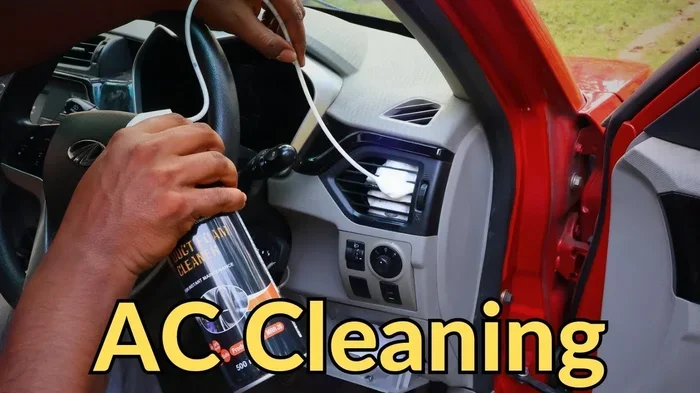
The Best Car Ac Vent Cleaning Brush For A Deep Clean
A car AC vent cleaning brush is one of the simplest yet most effective tools you can own. It reaches deep into narrow vent slats to remove dust, debris, and allergens that regular cleaning misses. In this guide, we break down everything you need to know about choosing and using the right car AC vent cleaning brush for a truly deep clean.
This is a comprehensive guide about car ac vent cleaning brush.
Key Takeaways
- Regular vent cleaning matters: Dirty AC vents can harbor mold, dust, and allergens that affect your health and cabin air quality.
- The right brush makes all the difference: A dedicated car AC vent cleaning brush reaches where cloths and vacuum cleaners cannot.
- Look for key features: Flexibility, bristle density, and an ergonomic handle are the most important qualities in a top-rated vent brush.
- Use proper technique: Gentle back-and-forth motions work best. Avoid pressing too hard to protect your vent slats.
- Clean your vents monthly: For best results, plan to do a thorough vent cleaning at least once a month.
- Avoid common mistakes: Never use stiff-bristled household brushes or harsh chemicals on your car vents.
[FEATURED_IMAGE_PLACEHOLDER]
Why Your Car AC Vents Need Regular Cleaning
You might not think about it often, but your car’s AC vents work harder than you do. Every day, they push air through your cabin. Along the way, dust, pollen, and tiny particles pile up inside. Over time, this buildup becomes visible on your dashboard and seats. It also smells musty and feels unhealthy.
Here is why car AC vent cleaning should be on your regular maintenance list:
- Better air quality: Clean vents mean cleaner air flowing into your car. This matters a lot if you or your passengers have allergies.
- Fresher smell: Dust buildup causes that stale car smell. Removing it keeps your interior smelling clean.
- Improved AC performance: When vents are clogged, your AC works harder. A clean system runs more efficiently.
- Protect your health: Mold spores and allergens trapped in vents can cause coughing, sneezing, and fatigue.
- Keep your car looking new: Dust blowing out of vents settles everywhere. Regular cleaning protects your dashboard and upholstery.
Many car owners rely on air fresheners or a quick wipe. These only mask the problem. A car ac vent cleaning brush actually removes the buildup at the source. That is what makes it so important.
How Often Should You Clean Your Vents?
For most drivers, cleaning once a month is enough. If you drive in dusty areas, near construction sites, or during allergy season, aim for every two weeks. Think of it like brushing your teeth. Regular care prevents big problems later on.
What Makes a Great Car AC Vent Cleaning Brush
Not all vent brushes are created equal. A cheap brush might scratch your vents or miss the tight spots entirely. The best car ac vent cleaning brush combines smart design with effective cleaning power. Here is what sets a great one apart.
Flexible Brush Head
Car AC vents have narrow slats arranged at odd angles. A flexible brush head bends and adapts to these shapes. It reaches behind slats and into corners that rigid brushes simply cannot touch. Look for brushes with a bendable neck or angled head for maximum reach.
Dense but Soft Bristles
The bristles need to be firm enough to dislodge dust but soft enough not to scratch. Nylon bristles are a popular choice. They offer the right balance. Some premium brushes use a mix of nylon and microfiber for even gentler cleaning.
Ergonomic Handle
You will be gripping this brush for a few minutes at a time. A comfortable, non-slip handle makes the job easier. Some brushes feature rubberized grips or contoured shapes. These reduce hand fatigue and give you more control.
Compact Size
A good vent cleaning tool fits easily in your glove compartment or center console. It should be small enough to carry around but large enough to clean effectively. Oversized brushes are awkward. Tiny ones miss areas. Aim for something in between.
Dual-Ended Design
Many top-rated brushes come with two different ends. One side has dense bristles for dust removal. The other has a scraper or sponge for stubborn grime. This dual functionality saves time and gives you more versatility inside your car.
Top Features to Look For in a Car AC Vent Cleaning Brush
Shopping for the right brush can feel overwhelming. There are so many options online. Use this checklist to narrow your choices quickly.
Bristle Material Comparison
Different bristle materials serve different purposes. Here is a quick comparison:
- Nylon bristles: Great all-around choice. Durable and flexible. Good for daily cleaning.
- Microfiber bristles: Ultra-soft. Best for luxury interiors or painted vent surfaces.
- Boar bristles: Natural and gentle. Excellent at trapping dust rather than pushing it around.
- Polypropylene bristles: Stiffer option. Best for heavy buildup but use with caution on delicate vents.
Handle Grip Types
The handle matters more than you think. Here are the most common types:
- Rubber grip: Stays comfortable even when your hands are sweaty. Ideal for warm climates.
- Foam grip: Lightweight and affordable. May wear out faster over time.
- Contoured plastic: Hard and durable. Offers precise control but can feel slippery.
- Silicone wrap: Combines durability with comfort. A popular choice in premium brushes.
Quick Tips for Choosing the Right Brush
- Always test flexibility before buying. A good brush bends at least 45 degrees without snapping back.
- Check bristle length. Medium-length bristles (around 15mm) work best for most car vents.
- Read reviews. Look for feedback specifically about dashboard vent brush performance and durability.
- Consider a brush with a hanging loop. This keeps it handy inside your car.
How to Use a Car AC Vent Cleaning Brush Like a Pro
Buying the right air vent dust brush is only half the battle. Using it correctly makes the difference between a surface clean and a deep clean. Follow these steps for professional results.
Step-by-Step Cleaning Process
- Park in the shade: Direct sunlight can make plastic parts brittle. A shaded spot protects your interior during cleaning.
- Turn off the AC: You do not want dust blowing around while you work. Switch off the system completely.
- Remove large debris: Use a handheld vacuum or your fingers to clear obvious dirt from the vents first.
- Insert the brush: Gently slide the brush head between the vent slats. Let the bristles do the work.
- Use back-and-forth motions: Move the brush slowly along each slat. Do not press too hard. Let the bristles pull dust out.
- Work from top to bottom: Start at the highest vent and work your way down. Dust naturally falls downward.
- Wipe away residue: Use a microfiber cloth to catch any loosened dust on the dashboard.
- Repeat monthly: Make this a habit. Consistent care keeps your vents in great shape all year.
Expert Insights: Pro Detailing Tips
Professional car detailers share these insider tips for car detailing with vent brushes:
- “Warm up the brush slightly before use. Soft bristles spread wider and catch more dust,” says a detail expert from AutoGuru.
- Use the brush on a low-setting AC fan. The gentle airflow helps pull loosened dust outward while you brush.
- Pair your vent cleaning technique with a cabin air filter replacement. Clean vents plus a fresh filter equals maximum air quality.
- Never spray liquid directly into the vents. If you need to use a cleaning solution, apply it to the brush first.
Common Mistakes to Avoid
Even with the right brush, mistakes can ruin your results. Watch out for these errors:
- Using a household brush: Kitchen or bathroom brushes are too stiff. They scratch car vent slats and damage finishes.
- Ignoring behind the slats: Most dust hides behind the slats, not on top. Angle your brush to reach behind them.
- Too much force: Pressing hard bends or breaks slats. Gentle strokes are more effective anyway.
- Skipping the wipe-down: Brushing alone leaves residue. Always follow up with a clean cloth.
- Using harsh chemicals: Bleach or ammonia-based cleaners can discolor plastic. Stick to mild soap or dedicated automotive cleaners.
Best Car AC Vent Cleaning Brushes on the Market
Not sure where to start? Here are some popular options that drivers love. Each one offers strong car interior cleaning performance at different price points.
Top Picks Overview
- Best Overall: A flexible nylon brush with a dual-ended design and ergonomic grip. It handles most vent shapes with ease.
- Best Budget Pick: A compact brush with medium bristles and a slim handle. Great for occasional cleaning.
- Best Premium Pick: A boar bristle brush with a contoured silicone grip. It offers the gentlest and most thorough clean.
- Best for Heavy Buildup: A stiffer polypropylene brush with a scraper end. Perfect for neglected vents that need serious attention.
Comparison Table
Here is how the top options stack up against each other:
- Flexibility: All four options offer at least moderate flexibility. The premium pick bends the most.
- Bristle softness: Boar bristle and microfiber options score highest. Polypropylene is the firmest.
- Handle comfort: Silicone-wrapped handles rank first for long-term comfort.
- Price range: Budget picks cost under $10. Premium options range from $15 to $25.
- Durability: Nylon and polypropylene brushes last the longest. Boar bristles may wear faster but clean more gently.
What to Consider Before Buying
Before you click “buy,” think about these factors:
- What type of vent system does your car have? Some cars have wide vents. Others have narrow, closely spaced slats.
- How often do you clean? If rarely, a budget brush works fine. If monthly, invest in a premium one.
- Do you need extra features? Some brushes come with attachments for seats, crevices, or cup holders.
- Are you sensitive to materials? Choose hypoallergenic bristles if you have skin sensitivities.
Maintaining Your Car AC Vent Cleaning Brush
A good brush lasts longer with proper care. Neglecting maintenance reduces its effectiveness over time. Here is how to keep your car ac vent cleaning brush in top shape.
Cleaning the Brush After Use
Rinse the bristles under warm water after every use. Use a mild soap if there is heavy grime. Pat dry with a towel. Do not leave it wet. Moisture encourages mold growth on the bristles. This defeats the whole purpose of cleaning vents.
Storage Tips
- Store the brush in a dry, cool place.
- Keep it in a small bag or case. This protects the bristles from dust and damage.
- Hang it from a hook or clip inside your car. This keeps it accessible and visible.
- Avoid leaving it in direct sunlight. UV rays weaken plastic and bristles over time.
When to Replace Your Brush
Even the best brush wears out eventually. Replace it when you notice any of these signs:
- Bristles are bent, frayed, or falling out.
- The handle is cracked or slippery.
- The brush no longer flexes properly.
- It leaves scratches or marks on your vents.
- It has a persistent odor even after cleaning.
Most quality brushes last between six months and one year with regular use. Replacing it on time ensures your automotive vent maintenance stays effective.
Car AC Vent Cleaning Brush and Cabin Air Quality
Your car’s cabin air filter and your vents work together. A vent filter brush helps you clean the filter area too. When both are maintained, your car’s cabin air quality improves dramatically.
Here is how they connect:
- The cabin filter captures dust and pollen before air enters the cabin. Over time, it gets clogged.
- The vents distribute filtered air throughout the car. Dirty vents re-contaminate clean air.
- Together, a clean filter and clean vents create a fresh, healthy driving environment.
Consider pairing your car detailing tips routine with a cabin filter change every 12,000 to 15,000 miles. This combination delivers the best results for air circulation cleaning and overall car hygiene.
DIY Vent Cleaning Solution Recipe
Want to boost your cleaning power? Try this simple DIY solution:
- Mix one cup of warm water with two drops of mild dish soap.
- Dip your narrow vent brush into the solution. Shake off excess liquid.
- Brush the vents gently. The soap helps break down grease and grime.
- Wipe with a damp microfiber cloth afterward.
- Dry the vents completely before turning the AC back on.
Avoid using vinegar or essential oils directly on vents. These can damage plastic components over time. Stick to gentle soap and water for safe, effective cleaning.
Final Thoughts on Car AC Vent Cleaning Brushes
Keeping your car’s AC vents clean does not have to be complicated. The right car ac vent cleaning brush turns a dreaded chore into a quick, satisfying task. You get fresher air, a cleaner interior, and a healthier driving space. All it takes is a few minutes each month.
Choose a brush that fits your car and your budget. Focus on flexibility, bristle quality, and comfort. Use proper technique, avoid common mistakes, and maintain your brush regularly. These small steps add up to big results over time.
Remember, a clean car is more than just looks. It is about how it feels to breathe inside your vehicle. Invest in a good car ac vent cleaning brush today. Your lungs and your dashboard will thank you.
Frequently Asked Questions
How often should I use a car AC vent cleaning brush?
For most drivers, once a month is ideal. If you drive in dusty or polluted areas, clean your vents every two weeks. Regular cleaning prevents buildup and keeps your cabin air fresh.
Can I use a regular household brush instead?
You can, but it is not recommended. Household brushes are usually too stiff and can scratch your car’s vent slats. A dedicated dashboard vent brush has softer bristles and better flexibility for automotive use.
Is a car AC vent cleaning brush safe for all car types?
Yes. Most brushes are designed to work on all standard vent systems. Whether you drive a sedan, SUV, or truck, you will find a brush that fits. Always check the brush size against your vent dimensions before buying.
Can a vent cleaning brush help with bad car odors?
Absolutely. Musty smells often come from dust and mold buildup inside vents. A car ac vent cleaning brush removes that buildup at the source. For stubborn odors, pair brushing with a mild antibacterial spray.
What is the difference between a vent brush and a detailing brush?
A vent cleaning tool is designed specifically for narrow slats and tight spaces. Detailing brushes are broader and meant for larger surfaces like seats or dashboards. Some brushes are dual-purpose, but a specialized vent brush delivers better results for AC vents.
Are boar bristle brushes better than nylon ones?
Boar bristles are softer and trap dust more effectively. Nylon bristles are more durable and easier to clean. Both work well. Choose based on your priority. Pick boar for gentle cleaning or nylon for long-lasting durability.
Conclusion
A car ac vent cleaning brush is a small investment that pays off big. It improves your air quality, protects your interior, and keeps your car smelling fresh. Whether you are a daily commuter or a weekend driver, this tool belongs in your car care kit.
Use the tips and guidelines in this article to choose the right brush. Master the technique. Avoid common mistakes. Stay consistent with your cleaning schedule. You will be amazed at how much difference a simple brush can make.
So grab your car ac vent cleaning brush, start today, and enjoy the benefits of a truly deep clean. Your car and your health are worth it.
Frequently Asked Questions
What is car ac vent cleaning brush?
car ac vent cleaning brush is an important topic with many practical applications.