How Long Do Subaru Tires Last and When to Replace Them
Most Subaru tires last between 40,000 and 80,000 miles, depending on the tire type, driving habits, and road conditions. Regular tire maintenance like rotations and pressure checks can significantly extend your tire life. This guide covers everything you need to know about Subaru tire lifespan, replacement timing, and how to spot early warning signs.
Your Subaru is built to handle all kinds of roads. Whether you drive a Subaru Outback through mountain passes or a Subaru Forester through city streets, your tires carry the load. But here is the big question — how long do Subaru tires last?
The answer is not as simple as a single number. Tire lifespan depends on many factors. These include the tire brand, your driving style, road conditions, and how well you maintain them. Some Subaru owners get 80,000 miles out of a set of tires. Others need replacements at 35,000 miles. The difference often comes down to care and awareness.
In this guide, we will walk you through everything you need to know about Subaru tire lifespan. You will learn how to read wear patterns, when to replace tires, and what simple habits can stretch your tire mileage. Let us get into it.
Key Takeaways
- Subaru tires typically last 40,000 to 80,000 miles based on tire type and driving conditions.
- All-season tires on Subarus like the Outback and Forester usually hit the 60,000-mile mark.
- Tire tread depth is the most reliable indicator of when replacement is needed.
- Regular tire rotations and proper inflation can add thousands of miles to tire life.
- Age matters too — tires older than six years should be inspected regardless of tread.
- Driving habits and road conditions play a huge role in how fast tires wear down.
- Watch for visible damage like cracks, bulges, or uneven wear patterns.
📑 Table of Contents
- Understanding Subaru Tire Lifespan
- Factors That Affect Subaru Tire Wear
- How to Tell When Subaru Tires Need Replacement
- Best Tire Brands for Subaru Models
- Maintenance Tips to Extend Tire Life
- Common Mistakes That Shorten Tire Life
- When to Replace All Four Tires vs. Just Two
- Expert Insights on Subaru Tire Care
- How Long Do Subaru Tires Last — Final Thoughts
Understanding Subaru Tire Lifespan
Every tire has a predicted lifespan. Manufacturers estimate this based on lab tests and real-world data. But those numbers are just starting points. Your actual experience may vary quite a bit.
Average Mileage for Subaru Tires
Most Subaru tires fall within a 40,000 to 80,000-mile range. Here is a quick breakdown of what to expect from common tire types:
- All-season tires: These are the most common on Subarus. They typically last around 50,000 to 70,000 miles.
- Performance tires: Sportier options wear faster. Expect about 30,000 to 45,000 miles.
- Winter tires: Softer rubber compounds mean shorter life. These often last 20,000 to 30,000 miles per season.
- Touring tires: A balanced choice. These can reach 60,000 to 80,000 miles with proper care.
Keep in mind that these are general ranges. The specific tire mileage you get depends on many variables. We will cover those next.
Why Tire Brand Matters
Not all tires are created equal. Premium brands like Michelin, Bridgestone, and Continental often outlast budget options. They use advanced rubber compounds and tread designs that resist wear. A quality tire brand longevity reputation is not just marketing — it reflects real engineering.
When shopping for new tires, check the tread wear rating on the sidewall. This number, called the UTQG rating, gives you a rough comparison between models. Higher numbers mean the tire is expected to last longer. For example, a tire rated 800 should outlast one rated 400.
Factors That Affect Subaru Tire Wear
Several things influence how quickly your tires wear down. Understanding these factors helps you take control of your tire lifespan.
Driving Habits
How you drive matters more than you might think. Aggressive acceleration, hard braking, and sharp cornering all eat through tread fast. If you drive gently and smoothly, your tires will thank you with extra miles.
Highway driving is generally easier on tires than stop-and-go city driving. But constant high speeds generate more heat, which can degrade rubber over time. The best approach is steady, predictable driving whenever possible.
Road Conditions
The roads you travel on play a huge role. Rough, unpaved surfaces wear tires faster than smooth highways. Potholes, gravel, and debris can cause damage that shortens tire life.
If you live in an area with harsh winters, salt and ice can also take a toll. Road conditions like these accelerate both tread wear and rubber breakdown. Consider seasonal tires if your area sees extreme weather.
Tire Pressure and Alignment
Underinflated tires wear out on the outer edges of the tread. Overinflated tires wear in the center. Both scenarios shorten your tire life significantly.
Wheel alignment is equally important. A misaligned Subaru pulls to one side and causes uneven wear. Get your alignment checked at least once a year or after hitting a large pothole.
Tire Rotation Schedule
Rotating your tires regularly is one of the simplest ways to extend their life. Front tires wear differently than rear tires. Rotation ensures even wear across all four tires.
Most Subaru owners should rotate tires every 5,000 to 7,500 miles. Check your owner manual for the exact recommendation. Many Subaru dealerships include tire rotation with routine service visits.
How to Tell When Subaru Tires Need Replacement
Knowing the signs of worn tires keeps you safe and saves money. Catching wear early prevents costly repairs and accidents.
The Penny Test
The penny test is the easiest way to check tread depth. Insert a penny into the tread groove with Lincoln’s head facing down. If you can see the top of his head, your tread is too worn. It is time for new tires.
The legal minimum tread depth in most states is 2/32 of an inch. But experts recommend replacing tires at 4/32 of an inch for better safety, especially in wet conditions.
Tread Wear Indicators
Modern tires have built-in tread wear indicators. These are small rubber bars that run across the tread. When the tread wears down to the same level as these bars, you will feel a smooth strip in the groove. That is a clear signal to replace the tire.
Visual Inspection Checklist
Get in the habit of inspecting your tires regularly. Look for these warning signs:
- Cracks in the sidewall — these can lead to slow leaks or blowouts.
- Bulges or blisters — caused by internal damage to the tire structure.
- Uneven wear patterns — indicating alignment or suspension issues.
- Punctures or embedded objects — nails, screws, or glass lodged in the tread.
- Excessive vibration while driving — may signal tire imbalance or internal damage.
Age-Based Replacement
Even if your tire tread looks fine, age matters. Tires degrade over time due to exposure to UV rays, heat, and ozone. Most manufacturers recommend replacing tires that are six years old or older. Check the DOT code on the sidewall to find the manufacturing date.
The last four digits tell you the week and year. For example, “2519” means the tire was made in the 25th week of 2019. If your tires are older than six years, get them inspected by a professional.
Best Tire Brands for Subaru Models
Choosing the right tire for your Subaru makes a big difference in performance and longevity. Different models have different needs.
Subaru Outback Tires
The Outback is a versatile crossover. It handles highways, trails, and everything in between. Popular choices include the Michelin Defender LTX M/S and the Bridgestone Turanza QuietTrack. These tires offer a good balance of comfort, grip, and tire mileage.
Subaru Forester Tires
The Forester is a compact SUV built for versatility. All-season tires like the Continental TrueContact Tour work well here. They provide reliable traction in various conditions and deliver solid tread life.
Subaru WRX and STI Tires
These performance models need tires that can handle higher speeds and sharper handling. Performance tires like the Michelin Pilot Sport 4 are popular choices. Keep in mind they will wear faster than all-season options.
Maintenance Tips to Extend Tire Life
Proper maintenance is the secret to getting the most miles out of your Subaru tires. These simple habits add thousands of miles to your tire lifespan.
Check Tire Pressure Monthly
Tire pressure changes with temperature. Cold weather reduces pressure, which increases wear. Make it a habit to check all four tires, including the spare, once a month. Use a quality tire gauge and compare readings to the recommended PSI listed on your driver-side door jamb.
Stick to a Rotation Schedule
As mentioned earlier, regular rotations promote even wear. This single habit can add 20 to 30 percent to your tire life. Set a reminder on your phone or calendar so you never miss a rotation.
Balance Your Tires
Unbalanced tires cause uneven wear and vibration. Have your tires balanced whenever you install new tires or notice vibration at highway speeds. This small investment pays off in longer tire life.
Store Tires Properly
If you switch between seasonal tires, store them correctly. Keep them in a cool, dark place away from direct sunlight. Stack them horizontally or hang them to prevent flat spots and rubber degradation.
Avoid Overloading Your Subaru
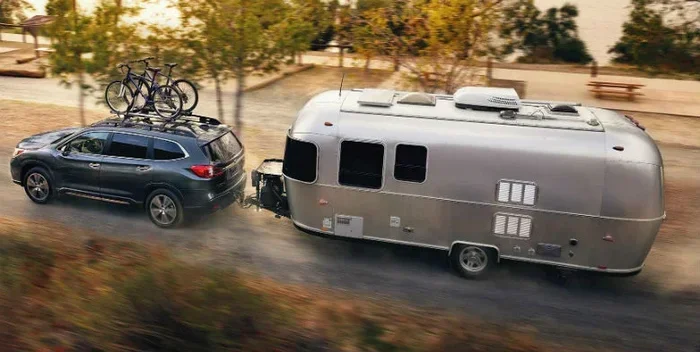
Every Subaru has a maximum load capacity. Exceeding it puts extra stress on your tires. Check your owner manual for the recommended load limits and try to stay within those numbers.
Common Mistakes That Shorten Tire Life
Many Subaru owners unknowingly shorten their tire lifespan. Avoid these common mistakes to get the most out of your investment.
Ignoring Low Tire Pressure
Driving on underinflated tires is one of the fastest ways to ruin them. The sidewall flexes more, causing heat buildup and uneven wear. Check pressure regularly and inflate to the recommended level.
Skipping Tire Rotations
Without rotation, your front tires wear much faster than the rears. This leads to premature replacement and wasted money. Do not skip this simple maintenance step.
Neglecting Alignment Issues
A pulling steering wheel or crooked alignment causes one-sided wear. Many people ignore this for months. By the time they fix it, they have already lost thousands of miles of tire life.
Mixing Tire Types
Using different tire brands, sizes, or tread patterns on the same axle creates uneven wear. Always match tires on the same axle. Replace tires in pairs or all four at once for best results.
Overlooking Tire Age
Tires that look fine on the outside may be old on the inside. Rubber hardens and loses flexibility with age. Do not rely solely on tread depth — always check the manufacturing date too.
When to Replace All Four Tires vs. Just Two
This is a common question among Subaru owners. The answer depends on your drivetrain and tire condition.
Subarus with symmetrical AWD systems work best when all four tires have similar tread depth. Replacing only two tires can cause drivetrain stress and handling issues. If you must replace only two, put the new tires on the rear axle for better stability.
However, if your remaining tires are relatively new and have plenty of tread, replacing just the damaged pair may be fine. Consult your owner manual or a trusted tire professional for guidance.
The safest approach is always to replace all four tires at once. This ensures balanced performance, better traction, and longer-lasting tire wear patterns across the set.
Expert Insights on Subaru Tire Care
We spoke with certified Subaru technicians about their top tips for maximizing tire life. Here is what they shared:
- Start with proper installation. Always have tires mounted and balanced by certified professionals. Improper installation causes premature wear.
- Invest in a TPMS. A tire pressure monitoring system alerts you to pressure changes in real time. Many newer Subarus come with this feature built in.
- Do not ignore small issues. A minor vibration or slight pull can signal a bigger problem. Address these early before they damage your tires.
- Choose tires based on your driving environment. If you live in a rainy area, prioritize wet traction. If you live in a snowy region, consider dedicated winter tires.
These small steps add up over time. They protect your investment and keep you safe on the road.
How Long Do Subaru Tires Last — Final Thoughts
The Subaru tire lifespan varies from driver to driver. But with the right care, most owners can expect 50,000 to 70,000 miles from a quality set of all-season tires. The key is staying proactive about maintenance and watching for early warning signs of wear.
Remember to check your tire pressure monthly, rotate your tires on schedule, and inspect them regularly for damage. Replace tires when the tread gets low or when they reach six years of age. These habits keep your Subaru performing at its best and protect you on every drive.
Your tires are the only part of your car that touches the road. Treat them well, and they will carry you safely for many miles to come. Take a few minutes today to inspect your tires. It is one of the simplest things you can do to keep your Subaru running strong.
Frequently Asked Questions
How many miles do Subaru all-season tires typically last?
Most Subaru all-season tires last between 50,000 and 70,000 miles. This range depends on driving habits, road conditions, and how well you maintain the tires. Regular rotations and proper inflation help you reach the higher end of this range.
Can I replace just two Subaru tires instead of all four?
You can replace two tires if the remaining ones are in good condition and have similar tread depth. Always put the new tires on the rear axle for better stability. However, replacing all four tires at once is the safest and most recommended approach for Subarus with AWD.
What is the best tire for a Subaru Outback?
Popular choices for the Subaru Outback include the Michelin Defender LTX M/S and the Bridgestone Turanza QuietTrack. These tires offer excellent tread life, comfort, and all-season performance. Choose based on your driving environment and priorities.
How can I tell if my Subaru tires are too old?
Check the DOT code on the tire sidewall. The last four digits show the week and year of manufacture. Tires older than six years should be inspected by a professional, even if the tread looks good. Rubber degrades over time regardless of mileage.
Does Subaru tire warranty cover wear and tear?
Many tire manufacturers offer treadwear warranties that cover premature wear. These warranties typically range from 40,000 to 80,000 miles depending on the tire. Check your specific tire warranty for coverage details and claim procedures.
How often should I rotate my Subaru tires?
Rotate your Subaru tires every 5,000 to 7,500 miles. This promotes even wear across all four tires and extends overall tire life. Many Subaru service centers include tire rotation with routine maintenance visits.