How Long Does It Take Toyota to Build a Car From Scratch
How Long Does It Take Toyota to Build a Car from scratch? The answer depends on the model, options, and factory. On the assembly line, a vehicle takes about 17 to 20 hours to go from bare frame to finished car. But the full journey from design to delivery can stretch across several weeks, involving thousands of parts and a precise supply chain.
If you’ve ever wondered how long it takes Toyota to build a car, the answer is both fascinating and complex. How Long Does It Take Toyota to Build a Car from scratch? On the assembly line, a vehicle takes about 17 to 20 hours to go from bare frame to finished car. But the full journey from design to delivery can stretch across several weeks, involving thousands of parts and a precise supply chain.
Toyota is famous for its smooth production process. The company builds millions of vehicles each year across plants in Japan, the United States, and other countries. Every car follows a carefully planned path. Understanding this journey helps buyers appreciate the craftsmanship behind their Toyota. It also shows why wait times can vary.
In this article, we’ll break down the entire car manufacturing process. You’ll learn about each stage, from design to the final drive off the lot. We’ll share real numbers, expert insights, and practical tips. Whether you’re shopping for a new Camry or a Tacoma, this guide has you covered.
Key Takeaways
- Assembly line time: Most Toyota models take 17 to 22 hours on the line to go from frame to finished vehicle.
- Full production cycle: From initial design to dealer delivery, the process typically lasts 4 to 8 weeks.
- Just-in-time manufacturing: Toyota’s supply chain delivers parts exactly when needed, minimizing waste and delays.
- Customization adds time: Special orders and unique trim levels can extend the build window by days or weeks.
- Model differences: Larger trucks and SUVs take longer than compact sedans due to more complex assembly steps.
- Quality checks: Every vehicle passes multiple inspections before leaving the factory, ensuring reliability.
📑 Table of Contents
The Toyota Production System: Built for Speed and Quality
What Makes Toyota’s Process Unique
Toyota didn’t invent the assembly line, but it perfected it. The Toyota Production System, or TPS, focuses on removing waste. Every movement on the factory floor has a purpose. Workers and robots work together in a carefully choreographed dance. This system is called lean manufacturing.
Lean manufacturing means producing only what is needed, when it is needed. Toyota avoids stockpiling parts. Instead, parts arrive just in time for installation. This reduces storage costs and keeps the production line moving. The result is a faster, more efficient build process.
Toyota assembly line workers are trained to spot problems early. If a part doesn’t fit, the line stops. This might sound slow, but it prevents bigger delays later. Quality is built into every step, not added at the end.
Lean Manufacturing in Action
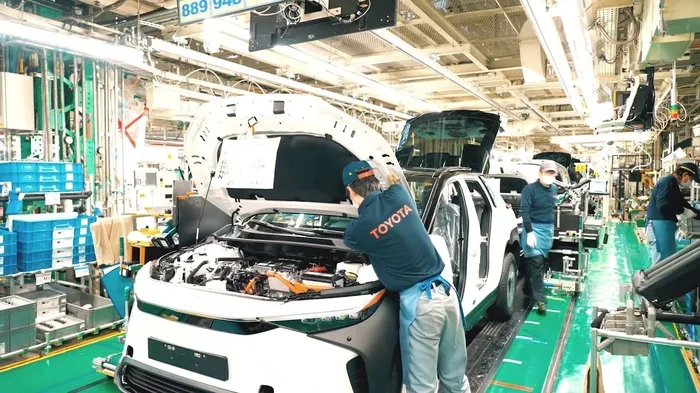
Imagine a huge factory floor. Parts arrive on carts that move on rails. Each station adds a component. First, the engine goes in. Then the transmission. Then the doors, roof, and wheels. At each point, a worker or robot performs a specific task.
The entire car manufacturing process is designed to flow smoothly. There are no bottlenecks. If one station falls behind, the whole line slows down. This forces everyone to work together. It’s a team effort that keeps the Toyota factory running like clockwork.
Step-by-Step: How a Toyota Car Is Built
Design and Engineering
Before any metal is cut, the car exists only as a digital model. Engineers use powerful computers to test every part. They simulate crashes, aerodynamics, and durability. This stage can take several years for a new model.
For existing models, updates happen more quickly. A team might tweak the headlights or improve fuel efficiency. These small changes still require testing. The design phase ensures that the final car meets safety and quality standards.
Quick Tip: If you want to see a car’s development timeline, look at Toyota’s press releases. They often share milestones like “design freeze” or “production start.” These dates hint at how long the process takes.
Stamping and Welding the Body
Large sheets of steel are stamped into body panels. Robots press the metal into precise shapes. A door panel, hood, and fender all start as flat sheets. The stamping process is fast, but the molds are expensive.
Next, the panels are welded together. Giant robots join the roof to the sides. The underbody is attached. At this point, the car looks like a metal cage. It’s called the body-in-white. This stage takes about 3 to 4 hours on the line.
Common Mistake: Many people think painting comes first. In reality, the body must be fully welded and cleaned before any paint is applied.
Painting and Final Assembly
The body-in-white goes through a thorough washing. Then it enters the paint shop. A primer coat is applied, followed by color and clear coat. Each layer is baked in a huge oven. The paint gives the car its shine and protects the metal.
After painting, the car moves to final assembly. The engine and transmission are lowered into place. The dashboard, seats, and carpet go in. Electricians wire the entire vehicle. The steering wheel and pedals are installed. This phase is the most time-consuming part of the vehicle production cycle.
Expert Insight: Painting is one of the most delicate steps. A single dust particle can ruin a finish. Toyota plants use positive air pressure rooms to keep dust out. Workers wear full body suits.
How Long Does It Take Toyota to Build a Car?
Assembly Line Time for Different Models
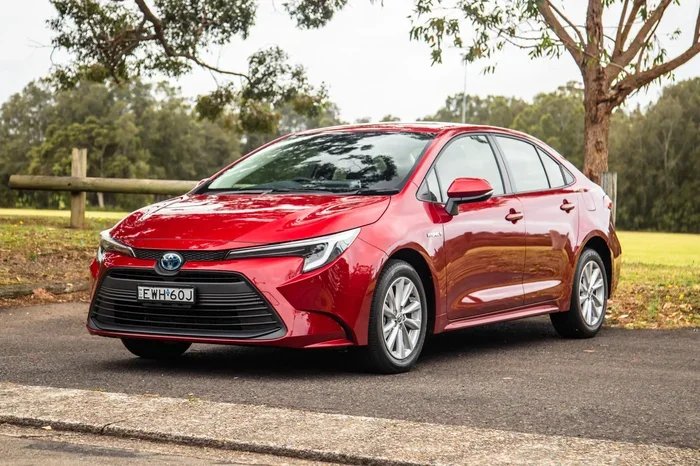
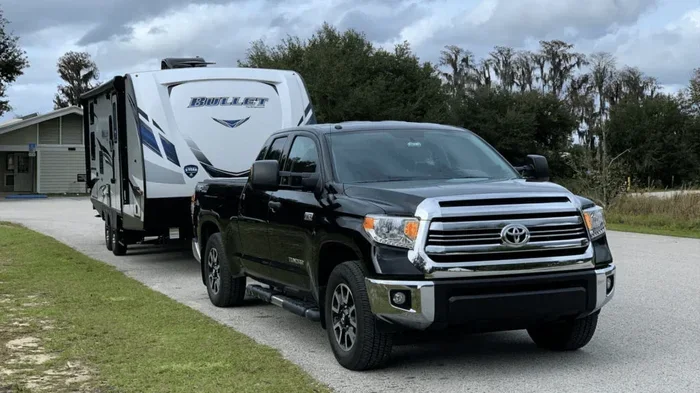
The answer to how long does it take Toyota to build a car depends on the model. A compact Corolla moves faster than a large Tundra truck. Here’s a quick comparison of average assembly times for popular Toyota models.
| Model | Assembly Line Time | Total Production Cycle |
|---|---|---|
| Corolla | 17–19 hours | 4–6 weeks |
| Camry | 18–20 hours | 5–7 weeks |
| RAV4 | 19–21 hours | 6–8 weeks |
| Tacoma | 20–22 hours | 6–8 weeks |
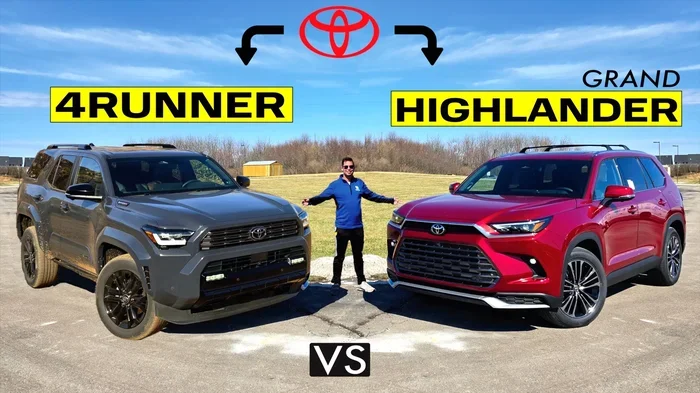
| Highlander | 20–22 hours | 6–8 weeks |
These numbers are estimates. Actual times vary by factory location and shift schedule. The assembly line time is just the final stage. The total production cycle includes design, stamping, painting, and shipping.
The Role of Each Production Stage
Breaking down the timeline helps you understand where time goes. Design takes the longest, often years. Stamping and welding take a few hours. Painting needs careful drying time. Final assembly is the most hands-on part.
At any given moment, a Toyota factory might have hundreds of cars in different stages. Some are just frames waiting for engines. Others are freshly painted and waiting for interiors. The production cycle is a continuous flow, not a single batch.
Key Takeaway: The 17 to 20 hours on the line is only the visible tip of the iceberg. The true Toyota production time includes months of planning and logistics.
Supply Chain Magic: Just-in-Time Delivery
Parts Arriving Exactly When Needed
Toyota doesn’t keep a giant warehouse full of parts. Instead, it uses a just-in-time system. Suppliers deliver components hours before they are needed on the line. This requires perfect coordination.
Imagine a supplier in Kentucky sending a box of bolts to a plant in Kentucky. The truck arrives at exactly 8:00 AM. The bolts go straight to the assembly station. No storage, no waste. This keeps the Toyota supply chain lean and fast.
If a supplier is late, the line might slow down. Toyota works closely with its partners to prevent this. Regular meetings, shared data, and backup plans keep things running. The car assembly time depends heavily on these partnerships.
Reducing Inventory and Waste
Traditional manufacturers often ordered parts in bulk. This created inventory costs and storage space. Toyota changed the game by ordering only what it needed. This approach is called the kanban system.
Kanban uses visual signals, like cards or digital prompts, to trigger orders. When a bin of parts empties, a signal goes out. A new bin is delivered. This keeps the factory floor clean and organized. It also reduces the risk of parts sitting unused.
Expert Insight: The just-in-time system is why Toyota could recover quickly from supply chain shocks. By keeping minimal inventory, the company can adapt faster than competitors.
Customization: How Options and Trim Levels Add Time
Build-to-Order vs. Standard Production
Not all Toyotas are built the same way. Some are standard production models, built in large batches. Others are built to order, with specific options chosen by the buyer. Custom orders take longer because they follow a different path on the line.
When you configure a Toyota online, you’re creating a unique build sheet. The factory receives this sheet and schedules your car. It might be built weeks after the standard models. This is why some vehicles arrive faster than others.
Common Mistake: Buyers often assume their new car will roll off the line the same day they place the order. In reality, even standard models can take weeks to reach the dealership.
Popular Options That Extend the Timeline
Certain options add complexity to the build. A hybrid powertrain requires extra wiring and battery packing. A luxury trim with leather seats and wood trim needs more hand-installation steps. A towing package adds a hitch and wiring harness.
Color choices also matter. Special paints, like metallic tri-coat, take longer to apply and cure. Standard white or black is faster. If you want a rare color, your Toyota model build time might stretch a few extra days.
Quick Tip: If you need a car quickly, choose a popular color and a standard trim. These are often already built and sitting at a dealership.
Finding Your Toyota’s Build Date and Timeline
Decoding the VIN
Every Toyota has a unique vehicle identification number, or VIN. The 11th character tells you the factory where the car was built. The 10th character indicates the model year. While the VIN doesn’t show the exact build date, it gives you a starting point.
You can use online VIN decoders to learn more. These tools pull data from Toyota’s system. You’ll see the production sequence number and approximate build date. This is handy if you’re tracking a specific vehicle.
Checking with Your Dealer
Your local Toyota dealer can look up the build date using the VIN. They have access to the factory production system. The dealer can tell you when the car left the assembly line and when it arrived at the port or distribution center.
If you’re waiting for a custom order, ask your salesperson for a status update. They can check the build schedule and give you an estimated arrival date. Good communication makes the wait easier.
Key Takeaway: Understanding your car’s production timeline helps set realistic expectations. You’ll know whether your Toyota was built last week or is still on the factory floor.
Conclusion
How Long Does It Take Toyota to Build a Car from scratch? The assembly line work takes about 17 to 20 hours. The full journey from design to delivery takes 4 to 8 weeks. Every step is carefully managed to balance speed and quality.
Toyota’s production system is a marvel of modern engineering. The just-in-time supply chain, lean manufacturing, and skilled workers all play a role. When you drive off in a new Toyota, you’re getting a vehicle that went through thousands of precise steps.
Now you know what happens behind the scenes. The next time you see a Toyota on the road, you’ll appreciate the journey it took to get there. If you’re in the market for a new car, use this knowledge to plan your purchase and set realistic timelines.
Frequently Asked Questions
How long does it take Toyota to build a car from scratch?
On the assembly line, a Toyota takes about 17 to 22 hours to go from frame to finished vehicle. The entire process from design to delivery usually takes 4 to 8 weeks, depending on the model and options.
Why do some Toyota models take longer to build than others?
Larger vehicles like trucks and SUVs have more parts and complex assembly steps. A Tacoma or Highlander requires extra time for wiring, seating, and cargo systems compared to a compact Corolla.
Does customizing my Toyota add to the build time?
Yes, special orders with unique colors, trims, or hybrid powertrains take longer. Custom builds follow a separate schedule and may take a few extra weeks compared to standard production models.
What is the Toyota Production System and how does it affect build time?
The Toyota Production System uses lean manufacturing and just-in-time delivery. Parts arrive exactly when needed, reducing waste and keeping the assembly line moving smoothly. This efficient workflow helps maintain consistent build times.
Can I find out the exact build date of my Toyota?
You can decode the VIN to learn the factory and model year. Your local Toyota dealer can provide the exact build date and shipping timeline using your vehicle’s VIN.
How does Toyota ensure quality during the short build time?
Toyota builds quality into every step. Workers stop the line if they spot an issue. Multiple inspection points check the vehicle throughout assembly. This prevents defects and keeps the final car reliable.