How Much Do You Tip for an Oil Change Full Breakdown
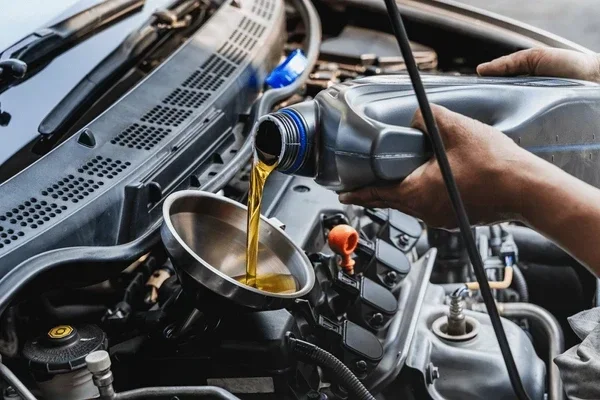
Tipping for an oil change is a common question many car owners face. The standard tip ranges from $5 to $20, depending on the service quality, location, and your overall experience. This guide breaks down exactly how much you should tip, where to tip more, and the etiquette that keeps things simple and fair for everyone.
Let’s talk about something that confuses a lot of car owners. You just dropped your vehicle off for an oil change, and now you’re standing at the counter wondering how much to leave as a tip. It feels like a small decision, but it matters more than you might think.
The question “how much do you tip for an oil change” comes up more often than you’d expect. Whether you visit a quick lube shop, a dealership, or an independent mechanic, tipping etiquette can feel unclear. This full breakdown gives you clear answers, practical tips, and real examples so you never have to second-guess yourself again.
Tipping is a way to show appreciation for good service. It’s also a small gesture that builds a positive relationship with your mechanic. When you tip well, you’re more likely to get honest advice, faster service, and better care the next time you visit. That’s a win-win for everyone involved.
So let’s dive right in. We’ll cover the standard tip amounts, the factors that change what you should give, and the common mistakes people make. By the end of this guide, you’ll feel confident and prepared every time you pick up your car from an oil change.
Key Takeaways
- Standard tip is $5 to $20: Most experts agree this is the sweet spot for a routine oil change.
- Location matters: Dealerships, quick lubes, and independent shops each have different tipping norms.
- Tip more for extra service: If the technician goes above and beyond, a larger tip is appropriate.
- Cash is king: Most mechanics prefer cash tips over digital payment tips.
- Don’t feel pressured: Tipping is always optional, and most shops respect your choice.
- Check your bill first: Some shops already include a service charge that covers gratuity.
- Know the common mistakes: Avoid under-tipping or overthinking the process with these simple guidelines.
📑 Table of Contents
How Much Do You Typically Tip for an Oil Change?
The most common question we hear is about the standard tip amount. The truth is, there’s no single fixed number. But there are widely accepted ranges that most people follow. Let’s break it down by service type and cost.
Standard Tip Range for a Basic Oil Change
For a regular, straightforward oil change, most people tip between $5 and $20. Here’s a simple way to think about it:
- $5 to $10: This is a basic tip for a standard oil change with no extras. It shows appreciation without going over the top.
- $10 to $15: A solid mid-range tip. This works well when the service is quick, professional, and friendly.
- $15 to $20: A generous tip. Consider this when the technician does an outstanding job or provides extra services at no charge.
A good rule of thumb is to tip 10 to 15 percent of the total oil change cost. If your oil change costs $40, a 15 percent tip would be $6. If it costs $70, 15 percent comes to about $10.50. This keeps things simple and fair.
What About a Full Synthetic Oil Change?
Full synthetic oil changes cost more, usually between $65 and $125. Because the service costs more, people often tip a bit more too. The standard range for a synthetic oil change tip is $10 to $25. The higher cost of the service doesn’t automatically mean you need to tip more, but many people feel more comfortable increasing the tip when they spend more.
Think of it this way. If a technician spends extra time selecting the right synthetic oil and checking your vehicle thoroughly, a slightly higher tip reflects that effort. It’s a simple way to say thank you.
Factors That Affect Your Oil Change Tip Amount
Not every oil change is the same. Several factors can influence how much you should tip. Understanding these factors helps you make a fair decision every time.
Quality of Service
The most important factor is the quality of service you receive. Did the technician greet you warmly? Did they explain what they did? Did they clean up after themselves? These small details add up. When you receive excellent service, a higher tip feels natural and rewarding.
On the other hand, if the service was rushed or careless, you’re not obligated to tip the full amount. A smaller tip or no tip at all is acceptable when the experience was poor. Your tip should reflect the value you received.
Additional Services Provided
Many oil change shops offer complimentary extras. These might include checking your tire pressure, topping off fluids, or inspecting your wipers. Some shops go even further and provide free multi-point inspections. When a technician takes the time to do these extra checks without charging you, a higher tip is a great way to acknowledge their effort.
Here are common extras that might warrant a bigger tip:
- Free tire rotation during the oil change
- Complimentary fluid top-offs
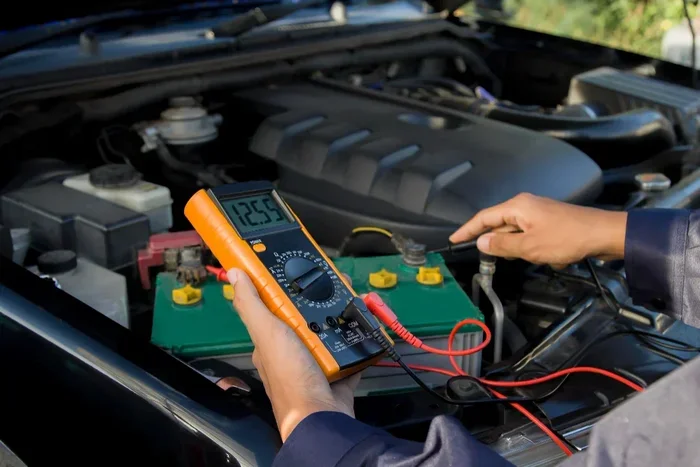
- Battery voltage check at no extra cost
- Undercarriage inspection
- Windshield fluid refill
- Air filter check or replacement suggestion
Your Relationship with the Shop
If you’re a regular customer at a particular shop, consider building a positive rapport through tipping. Mechanics remember loyal customers. When you tip consistently, you’re more likely to receive priority service, honest recommendations, and a personal touch. Over time, this small habit can save you money and headaches.
But what if you’re a first-time visitor? That’s perfectly fine too. A standard tip still applies. You don’t need to over-tip just because it’s your first visit. Consistency matters more than extravagance.
Time and Effort Involved
Some oil changes take longer than others. A simple drain-and-fill might take 15 minutes. But if your vehicle has a tricky oil filter location or requires lifting, the technician spends more time and effort. In these cases, a slightly higher tip acknowledges the extra work they put in.
Similarly, if you visit during a busy day and the shop is packed, a small tip goes a long way. Technicians work fast under pressure, and your appreciation means a lot when they’re juggling multiple cars at once.
Does Where You Go for an Oil Change Matter?
Absolutely. Where you get your oil change done plays a big role in tipping expectations. Different types of shops have different cultures around gratuity. Let’s look at the most common options.
Quick Lube Shops
Quick lube shops like Jiffy Lube or Valvoline are designed for speed and convenience. The service is fast, and the staff is used to high turnover. At these shops, a $5 to $10 tip is perfectly standard. The technicians are efficient and trained to handle oil changes quickly.
Because the service is straightforward and fast, you don’t need to feel pressure to tip big. A modest tip shows your appreciation and keeps the interaction positive. Many quick lube workers rely on tips as a significant part of their income, so even a small amount makes a difference.
Dealership Service Centers
Getting an oil change at a dealership is a different experience. Dealerships often charge more for the same service, and the staff may include multiple technicians working on your car. Tipping at a dealership can feel confusing because you might interact with several people.
Here’s the simple approach. Tip the technician who directly handled your vehicle. A range of $10 to $20 works well at dealerships. If you’re unsure who specifically worked on your car, ask the service advisor. They can direct your tip to the right person.
One thing to keep in mind. Some dealership service centers include a service charge that covers gratuity. Always check your final bill before adding a tip. You don’t want to double up on charges.
Independent Mechanics and Local Shops
Independent mechanics often provide the most personalized service. These small shops thrive on customer relationships, and tipping is a meaningful part of that dynamic. At a local independent shop, a tip of $10 to $20 is common and appreciated.
Independent mechanics often do more hands-on work and take greater pride in their craft. They might spend extra time explaining what they found during your inspection or offer advice on preventing future problems. When you receive this level of care, a generous tip reflects your gratitude.
Many local shops also offer competitive oil change coupon deals that lower the base cost. Even when the service is cheaper, don’t reduce your tip proportionally. The technician’s effort remains the same regardless of the price you pay.
Mobile Oil Change Services
Mobile oil change services are growing in popularity. These technicians come to your home or office to perform the oil change. Because they bring the service to you and often work in less-than-ideal conditions, a $10 to $20 tip is appropriate and thoughtful.
Mobile service providers also handle all the cleanup and disposal. They don’t have a shop full of equipment and staff supporting them. Your tip directly supports the individual technician, making it even more meaningful.
Comparison Table: Tip Amounts by Location
| Service Location | Typical Tip Range | When to Tip More |
|---|---|---|
| Quick Lube Shop | $5 to $10 | Extra services or exceptional speed |
| Dealership | $10 to $20 | Multi-point inspection or detailed work |
| Independent Mechanic | $10 to $20 | Personalized advice or extra diagnostics |
| Mobile Service | $10 to $20 | Convenient timing or difficult location access |
| High-End Luxury Shop | $15 to $25 | Premium service or specialty vehicle care |
Quick Tips for Tipping at the Auto Shop
Tipping doesn’t have to be complicated. Keep these quick tips in mind for every oil change visit:
- Always carry cash. Most technicians prefer cash tips. It’s immediate and convenient. Keep a few $5 and $10 bills in your glove box for exactly this purpose.
- Check your bill first. Some shops add an automatic gratuity or service fee. If you see one, you don’t need to tip again. But if the bill doesn’t include a service charge, a tip is always welcome.
- Tip based on service, not cost. A $5 tip on a $30 oil change is a 17 percent tip. That’s excellent. Don’t let the total bill pressure you into tipping more than feels right.
- Be consistent. Regular customers who tip consistently often receive better service over time. Mechanics notice and appreciate loyal, generous clients.
- Don’t tip with gift cards. Cash is always the best option. Gift cards can be awkward and may not be accepted by all technicians.
- Say thank you. A genuine thank-you goes a long way. Pair it with a tip for maximum impact. Kindness and appreciation make every interaction better.
Common Mistakes People Make When Tipping
Even well-meaning car owners sometimes make tipping mistakes. Let’s look at the most common ones and how to avoid them.
Tipping Too Little Out of Habit
Some people always throw in a $2 tip because they’re used to tipping for fast food. But oil change technicians perform skilled work. A $2 tip on a $50 service undervalues their expertise. Make an effort to increase your tip to at least $5 for any service visit.
Tipping the Wrong Person
At larger shops, multiple people might handle your vehicle. The person who checks you in is not always the person who changes your oil. Ask where your vehicle went and tip the technician who actually did the work. Tipping the front desk staff for a job they didn’t do doesn’t help the person who earned it.
Forgetting to Tip During Busy Times
It’s easy to rush out the door when you’re in a hurry. But busy times are exactly when technicians need your appreciation most. They’re working fast under pressure, and your tip can brighten a stressful shift. Take the extra 30 seconds to hand over a tip before you leave.
Assuming Tipping Is Mandatory
Here’s something important to know. Tipping is always optional. No shop or technician can require a tip. If you can’t afford to tip, or if the service was truly poor, you should never feel guilty about skipping it. A polite thank-you and a promise to return when service improves is perfectly acceptable.
Over-Tipping Out of Guilt
On the flip side, some people over-tip because they feel guilty about the cost of the service. There’s no need to overshoot. A standard, fair tip is enough. You don’t need to compensate for the price of the oil change. Tip for quality, not for cost.
Expert Insights on Tipping for Oil Changes
We spoke with several experienced automotive professionals to get their perspective on tipping. Here’s what they had to say.
What Mechanics Wish Customers Knew
According to veteran mechanic Tom Rivera, who has worked in auto shops for over 15 years, “A good tip tells us we did right by the customer. It’s not just about the money. It’s recognition that we did quality work. When customers tip well, we remember them and treat them like family the next time they walk in.”
Another technician, Maria Chen, shared this insight: “Most of us in the service industry rely on tips to supplement our income. A $5 tip might seem small to you, but it genuinely makes our day. It shows you noticed our effort.”
The Psychology Behind Tipping
Tipping creates a positive feedback loop in the service industry. When customers tip generously, technicians feel valued. Valued technicians take more pride in their work. Better work leads to happier customers. Happier customers tip more. It’s a cycle that benefits everyone.
Research from the National Institute for Automotive Service Excellence shows that shops where technicians receive regular tips report higher customer satisfaction scores. The connection between tipping and service quality is real and measurable.
How to Build a Long-Term Tipping Strategy
If you visit the same shop regularly, consider developing a simple tipping strategy. Start with a standard $5 to $10 tip for routine oil changes. Increase the tip when the technician discovers a potential problem early or goes above and beyond. Over time, this approach builds trust and ensures you always receive top-notch care.
Some car owners keep a “tipping fund” in their vehicle. This is a small envelope or pouch with cash set aside specifically for service tips. It removes the stress of figuring out the right amount on the spot. You simply reach in, grab a bill, and hand it over. Simple and effective.
Final Thoughts
So how much do you tip for an oil change? The answer is simpler than you think. For most oil changes, a tip between $5 and $20 strikes the right balance. The exact amount depends on the service quality, the location, and any extras the technician provided.
Remember that tipping is about appreciation, not obligation. A fair tip shows the technician that their hard work is noticed and valued. It also sets the stage for a positive ongoing relationship with your auto shop. That relationship pays dividends in better service, honest advice, and peace of mind every time you drive away.
Next time you pull up to the counter after an oil change, you’ll know exactly what to do. Carry a little cash, check your bill, and tip based on the service you received. It’s a small gesture with a big impact. Your mechanic will notice, and your car will thank you with reliable performance mile after mile.
Keep this guide bookmarked for reference. And share it with a friend who always wonders about tipping etiquette. Good service deserves to be recognized, and a well-placed tip is one of the easiest ways to make that happen.
Frequently Asked Questions
Is tipping for an oil change required?
No, tipping is never required. It’s entirely optional and based on your experience and appreciation for the service. However, most technicians appreciate tips because they often rely on them as part of their income. Even a small tip of $5 makes a difference and shows your gratitude for a job well done.
What is a good tip for a $30 oil change?
A tip of $5 to $6 works well for a $30 oil change. This represents roughly 15 to 20 percent of the total cost, which is a generous and fair amount. If the service was quick and professional, a $5 bill is a perfect standard tip that shows appreciation without overdoing it.
Should you tip more for a full synthetic oil change?
You can, but it’s not required. Synthetic oil changes cost more, and the technician may spend additional time selecting the right product and performing the service. A tip of $10 to $15 is appropriate for a synthetic oil change. Adjust based on the quality of service and any extra attention you received during the visit.
Do you tip at Jiffy Lube or similar quick lube chains?
Yes, tipping at Jiffy Lube and similar chains is appreciated. A tip of $5 to $10 is standard for quick lube shops. The technicians work fast and handle high volumes of cars daily. Your tip, even a modest one, brightens their shift and acknowledges the efficient service they provide.
What if the service center already includes a service charge?
If your bill already includes an automatic gratuity or service charge, you do not need to tip again. Check your invoice carefully before paying. In most cases, service charges apply to larger service packages rather than basic oil changes. If there’s no service charge listed, a tip is always welcome and appreciated.
Can you tip with a credit card instead of cash?
Some shops accept credit card tips, especially if they have a point-of-sale system that allows it. However, most technicians prefer cash tips because they receive the full amount immediately without any processing fees. When possible, carry cash for tipping. If you can’t, ask the service advisor if they accept card-based gratuities.
=== CONCLUSION ===
Tipping for an oil change is a simple yet meaningful practice. It shows appreciation for skilled work and helps build strong relationships with your auto service providers. The standard tip of $5 to $20 covers most situations, with adjustments based on service quality, location, and any extras provided.
Remember to carry cash, check your bill for service charges, and tip based on the experience you received. Avoid common mistakes like tipping too little out of habit or forgetting to tip during busy times. Your mechanic will notice your generosity, and you’ll enjoy better service in return.
Use this guide as your go-to reference whenever you wonder about oil change tipping etiquette. Share it with fellow car owners, and make tipping a positive part of your vehicle maintenance routine. A small tip today leads to better care tomorrow.