How Many Gallons to Fill Up a Car Gas Tank Every Time
Most cars need between 12 and 18 gallons to fill up, but the exact amount depends on your vehicle type, tank design, and driving habits. Knowing how many gallons to fill up a car takes the guesswork out of budgeting for gas, planning road trips, and avoiding those dreaded fuel gauge warnings. This guide breaks down tank sizes by vehicle type, shares simple calculation methods, and gives practical tips to save money at the pump.
Have you ever pulled up to a gas pump and wondered exactly how many gallons to fill up a car actually takes? It is a simple question, but the answer is not always obvious. Your fuel tank size depends on your car model, body type, and even the year it was made. A compact sedan might need only 12 gallons, while a large SUV could demand 25 gallons or more to reach a full tank.
Understanding your car fuel tank capacity matters more than most people think. It affects your monthly gas budget, your driving range, and even your planning for long road trips. Whether you drive a daily commuter or a family hauler, knowing your tank size helps you make smarter decisions at the pump. This article breaks down everything you need to know about fuel tank sizes, fill-up costs, and how to get the most out of every gallon.
Key Takeaways
- Average fuel tank size: Most passenger cars hold 12 to 18 gallons of fuel.
- Vehicle type matters: Sedans need less gas than SUVs, trucks, and luxury vehicles.
- Check your owner manual: It lists your exact fuel tank capacity and recommended fuel type.
- Driving habits affect range: Aggressive driving and highway speeds change how far you go on a full tank.
- Fill up smart: Avoid topping off, refuel in cooler hours, and use loyalty programs to save money.
- Common mistakes waste fuel: Driving on empty, ignoring the fuel gauge, and overfilling can damage your car.
- Budget planning is key: Knowing your tank size helps you estimate monthly fuel costs accurately.
📑 Table of Contents
- Understanding Your Car Fuel Tank Size
- How Many Gallons Does an Average Car Hold?
- How to Calculate Your Fill-Up Needs
- Factors That Affect How Much Gas You Need
- Common Mistakes People Make When Filling Up
- How to Maximize Your Fuel Tank and Save Money
- How Gas Prices Affect Your Fill-Up Budget
- Key Takeaways
- Conclusion
Understanding Your Car Fuel Tank Size
Every vehicle comes with a specific fuel tank capacity. This number is set by the manufacturer based on the car design, weight distribution, and intended use. The fuel tank capacity is usually listed in your owner manual or on the manufacturer website. It is measured in gallons in the United States and liters in most other countries.
There is no one-size-fits-all answer when it comes to tank size. A small hatchback and a full-size pickup truck can have wildly different fuel tank designs. Let us look at what goes into determining how much gas your car can hold.
What Determines Fuel Tank Capacity?
Several factors play a role in setting your car fuel tank capacity:
- Vehicle size and weight: Larger vehicles need bigger tanks to achieve a reasonable driving range.
- Engine type: Bigger engines burn more fuel, so manufacturers often pair them with larger tanks.
- Car design: Sedans have different tank shapes than SUVs, which affects total volume.
- Safety regulations: Fuel tanks must meet crash safety standards, which can limit how large they can be.
- Emission standards: Stricter emission rules sometimes push automakers toward smaller, more efficient tanks.
The average gas tank size for a standard passenger car falls between 12 and 16 gallons. But this is just a starting point. Your specific vehicle may be well above or below that range.
Common Tank Sizes by Vehicle Type
Different vehicle categories have different fuel tank designs. Here is a quick look at what to expect across popular types:
- Compact cars: 10 to 14 gallons. Think Honda Civic or Toyota Corolla.
- Mid-size sedans: 14 to 18 gallons. Models like the Honda Accord or Toyota Camry fit here.
- SUVs: 16 to 25 gallons. Larger models like the Ford Explorer can hold even more.
- Trucks: 18 to 30 gallons. Full-size pickups like the Ford F-150 often have generous tanks.
- Luxury cars: 18 to 22 gallons. Brands like BMW and Mercedes use larger tanks for long-range comfort.
- Hybrid vehicles: 10 to 14 gallons. They need less gas because the electric motor assists the engine.
These numbers give you a solid baseline. But always check your specific vehicle to get the exact fuel tank capacity.
How Many Gallons Does an Average Car Hold?
If you drive a typical family sedan, you are probably looking at a tank that holds around 14 to 16 gallons. This is the sweet spot for most everyday drivers. It gives you a decent driving range without making the car too heavy.
But the average fuel tank size varies a lot depending on what kind of car you own. Let us break it down further.
Sedans and Compact Cars
Small to mid-size sedans are some of the most fuel-efficient vehicles on the road. Their compact fuel tank designs keep the car light and nimble. Most sedans in this category hold between 12 and 16 gallons.
For example, a Toyota Corolla typically has a 13.2-gallon tank, while a Honda Accord sits closer to 18 gallons. These cars deliver excellent gas mileage, often achieving 30 to 40 miles per gallon on the highway. That means a full Corolla tank can take you roughly 400 miles before you need to stop for gas.
SUVs and Trucks
SUVs and trucks are bigger, heavier, and thirstier. Their fuel tank capacity reflects that. A mid-size SUV like the Honda Pilot usually carries about 19.5 gallons, while a full-size truck like the Chevrolet Silverado can hold 24 gallons or more.
These vehicles offer great range on a single fill-up, but they also cost more to fill. A full tank for a large truck can set you back $80 to $120 depending on gas prices. If you are shopping for a truck or SUV, factoring in fuel tank size is a smart move for your budget.
Hybrid and Electric Vehicles
Hybrid cars use a combination of gasoline and electric power. Their fuel tank capacity is usually smaller because the electric motor handles some of the work. A Toyota Prius, for instance, has a fuel tank capacity of about 11.3 gallons.
Fully electric vehicles have no gas tank at all. They run on rechargeable battery packs. But if you are comparing gas-powered cars, the hybrid fuel tank size is worth noting for its balance of range and efficiency.
How to Calculate Your Fill-Up Needs
Knowing how many gallons to fill up a car becomes much easier when you understand a few simple calculations. You do not need to be a math whiz to figure this out. A little basic math goes a long way toward planning your fuel stops and budgeting for gas.
Step-by-Step Calculation Method
Here is how you can estimate your fill-up needs in just a few steps:
- Find your tank capacity: Check your owner manual or look up your car model online. This gives you the maximum fuel tank capacity in gallons.
- Check your current fuel level: Use the fuel gauge to see how much gas is left. Some cars show this as a percentage.
- Subtract to find the gap: If your tank holds 16 gallons and you have 4 gallons left, you need 12 gallons to fill up.
- Factor in your driving range: Multiply your tank capacity by your miles per gallon to know how far a full tank takes you.
This simple method works for any vehicle. It takes about 30 seconds and saves you from guessing at the pump.
Quick Tips for Estimating Your Fill-Up
- Reset your trip meter: Fill up completely, then reset the odometer. When you need gas again, divide miles driven by gallons used to get your real-time fuel economy.
- Use a fuel tracking app: Apps like GasBuddy and Fuelly track your fill-ups and calculate your average cost per gallon.
- Watch the fuel gauge: Most cars show a reserve light when you have about 2 to 3 gallons left. Do not wait for this light to hit the pump.
- Keep a log: Write down your fill-up amounts for a month. This helps you spot patterns and budget more accurately.
Factors That Affect How Much Gas You Need
Filling up your tank is not just about the tank size. Several factors influence how much fuel your car actually uses and how often you need to visit the gas station.
Driving Habits and Fuel Efficiency
Your driving style has a huge impact on fuel efficiency. Aggressive acceleration, speeding, and hard braking all waste gas. Smooth, steady driving helps you get more miles out of every gallon.
Highway driving is generally more fuel-efficient than stop-and-go city driving. But at very high speeds, wind resistance increases and fuel economy drops. The sweet spot for most cars is between 45 and 65 miles per hour.
If you carry heavy cargo or tow a trailer, your car burns more fuel. Even roof racks add drag and reduce your driving range. Small changes in how you drive and load your car can make a noticeable difference at the pump.
Gas Prices and Fuel Budget
Gas prices change constantly. A gallon that costs $3.00 today might cost $3.50 next month. When you know your fuel tank capacity, you can estimate your fill-up cost quickly.
Here is a simple formula:
- Tank capacity (gallons) x price per gallon = total fill-up cost
For a 16-gallon tank at $3.20 per gallon, a full tank costs about $51.20. Multiply that by how many times you fill up each month to get your monthly fuel budget.
Gas prices vary by region, season, and even time of day. Filling up early in the morning or late at night can sometimes save you a few cents per gallon. Over time, these small savings add up.
Seasonal and Environmental Factors
Weather and terrain affect your fuel economy too. Cold weather reduces gas mileage because engines take longer to warm up. Driving in hilly or mountainous areas burns more fuel than flat highways.
Air conditioning also impacts fuel usage. Running the AC at full blast can reduce your miles per gallon by 10 to 20 percent. On hot days, using the recirculation setting helps keep the cabin cool without overworking the engine.
Common Mistakes People Make When Filling Up
Most drivers do not think twice about filling up their tank. But common habits can waste money, reduce fuel efficiency, or even damage your car. Let us look at the mistakes you should avoid.
Topping Off the Tank
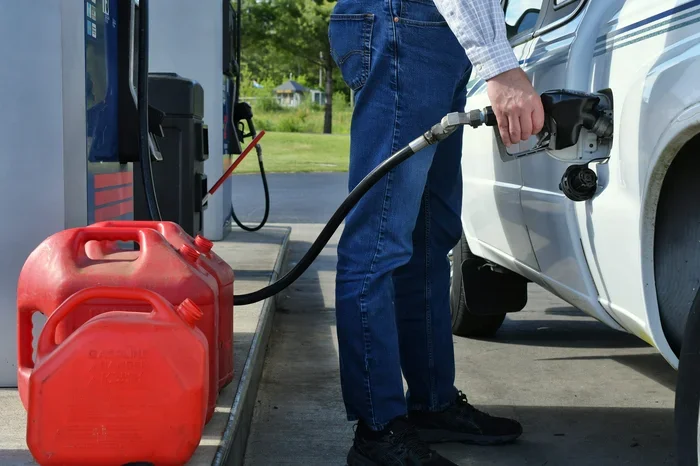
Many people like to squeeze in every last drop after the pump clicks off. This is called topping off, and it is a bad habit. Overfilling can cause liquid fuel to enter the vapor recovery system, which leads to costly repairs.
Topping off also releases harmful vapors into the air. Modern cars have emission control systems designed to capture these vapors. When you top off, you bypass that system and contribute to air pollution.
Driving on Empty
Running your car on fumes might seem harmless, but it is not. When the fuel level drops very low, sediment from the bottom of the tank can get pulled into the fuel line. This can clog your fuel filter and damage the engine over time.
Driving on empty also risks stalling out in dangerous locations. Always try to refuel when your tank hits a quarter full. This gives you a comfortable buffer and protects your engine.
Ignoring the Fuel Gauge
Your fuel gauge is there for a reason. Ignoring it until the low-fuel light comes on means you are already running low. Make it a habit to check your gauge regularly and plan fill-ups before you get desperate.
Using the Wrong Fuel Grade
Not all cars need premium fuel. Check your owner manual to see what grade your engine requires. Using a higher octane than needed wastes money without any real benefit. And using a lower grade than recommended can cause engine knocking and long-term damage.
How to Maximize Your Fuel Tank and Save Money
Getting the most out of your fuel tank is about more than just filling up. Smart habits and simple maintenance steps can help you go further on every gallon.
Keep Your Tires Properly Inflated
Underinflated tires create more rolling resistance, which means your engine works harder and burns more fuel. Check your tire pressure at least once a month. The recommended pressure is listed on the driver side door jamb, not on the tire itself.
Stick to a Regular Maintenance Schedule
A well-maintained engine runs more efficiently. Regular oil changes, air filter replacements, and spark plug checks all contribute to better fuel economy. Follow your car maker’s maintenance schedule and keep records of your service.
Plan Your Trips Wisely
Combining errands into a single trip saves fuel. Cold starts use more gas, so several short trips in a row are less efficient than one longer trip. Map out your route before you leave to avoid unnecessary driving and backtracking.
Use Gas Rewards Programs
Many gas stations offer loyalty programs that give you points or cash back on every fill-up. Apps like GasBuddy also show you the cheapest fuel prices near you. These small perks can save you hundreds of dollars over the course of a year.
Remove Unnecessary Weight
Every extra pound in your car means the engine has to work a little harder. Clear out heavy items you do not need, especially from the trunk. A cleaner car is a more fuel-efficient car.
How Gas Prices Affect Your Fill-Up Budget
The cost to fill up your car fuel tank depends on two things: how many gallons your tank holds and the current price of gas. Gas prices have been unpredictable in recent years, making it harder to plan a fuel budget.
Let us look at a few real-world examples. A compact car with a 12-gallon tank at $3.50 per gallon costs $42 to fill. A large SUV with a 25-gallon tank at the same price costs $87.50. That is more than double the cost for a single fill-up.
If you fill up twice a week, those costs add up fast. A compact car driver might spend $336 per month on gas, while an SUV driver could spend $700 or more. This is why knowing your tank capacity and fuel economy is so important for managing your monthly expenses.
One way to reduce fuel costs is to drive less. Carpooling, using public transit, or switching to a hybrid vehicle can all lower your gas bill. Even small changes like combining trips and avoiding idling can make a real difference over time.
Is It Better to Fill Up All at Once or Top Off Gradually?
Many drivers wonder whether it is cheaper to fill up completely or add small amounts throughout the week. Filling up all at once is generally better for two reasons. First, it means fewer trips to the gas station, which saves time and fuel. Second, gas density is slightly higher in cooler temperatures, so filling up early in the morning gives you a bit more fuel for your money.
However, the price difference between filling up all at once and spreading it out is very small. The biggest savings come from driving efficiently and avoiding waste.
Key Takeaways
- Average fuel tank size: Most passenger cars hold 12 to 18 gallons of fuel.
- Vehicle type matters: Sedans need less gas than SUVs, trucks, and luxury vehicles.
- Check your owner manual: It lists your exact fuel tank capacity and recommended fuel type.
- Driving habits affect range: Aggressive driving and highway speeds change how far you go on a full tank.
- Fill up smart: Avoid topping off, refuel in cooler hours, and use loyalty programs to save money.
- Common mistakes waste fuel: Driving on empty, ignoring the fuel gauge, and overfilling can damage your car.
- Budget planning is key: Knowing your tank size helps you estimate monthly fuel costs accurately.
Conclusion
So, how many gallons to fill up a car? The answer depends on your vehicle, but most drivers will need somewhere between 12 and 18 gallons for a complete fill-up. Understanding your fuel tank capacity is one of the simplest ways to take control of your gas budget and plan your trips with confidence.
Whether you drive a nimble compact sedan or a spacious full-size truck, knowing your tank size helps you make smarter decisions at the pump. You can estimate fill-up costs, avoid running on empty, and maximize your fuel efficiency with just a little planning.
The next time you pull into a gas station, you will know exactly how much fuel your car needs and why it matters. Use the tips in this guide to fill up smarter, drive farther, and keep more money in your pocket. Your car fuel tank is the starting point for every journey, and treating it with care pays off in the long run.
Take a few minutes today to look up your fuel tank capacity and make a habit of tracking your fill-ups. These small steps add up to big savings over time. Happy driving, and here is to many more miles on a full tank.
Frequently Asked Questions
How many gallons does a typical car hold?
Most standard passenger cars hold between 12 and 18 gallons of fuel. Compact cars tend to be on the lower end, while larger sedans and SUVs can hold more. Always check your owner manual for the exact fuel tank capacity of your specific vehicle.
Is it bad to fill your gas tank all the way?
No, filling your tank completely is generally fine and even recommended. It reduces the frequency of trips to the gas station and keeps your fuel system primed. Just avoid topping off after the pump clicks off, as this can cause fuel to enter the vapor recovery system.
How far can you drive on a full tank?
Your driving range depends on your tank size and fuel efficiency. A car with a 15-gallon tank that gets 30 miles per gallon can travel about 450 miles on a full tank. Check your owner manual or use a fuel tracking app to estimate your specific range.
Does tank size affect fuel economy?
Tank size itself does not directly affect fuel economy. However, a fuller tank adds weight to the vehicle, which can slightly reduce miles per gallon. The bigger impact on fuel economy comes from driving habits, engine type, and vehicle maintenance.
How often should you fill up your car?
There is no set rule, but most drivers fill up once or twice a week depending on their daily mileage and tank size. Refueling when your tank reaches a quarter full is a good habit that prevents running on empty and protects your engine.
What is the best time of day to fill up?
Early morning or late evening is often considered the best time to fill up. Gas is denser in cooler temperatures, so you get slightly more fuel per gallon. While the savings are small, they can add up over many fill-ups throughout the year.