Who Can Be in the Car With a Permit Driver for Beginners
Knowing who can ride with a permit driver is one of the most important steps for new drivers and their families. Permit rules vary by state, but most require a licensed adult in the front seat. This guide covers passenger limits, supervisor requirements, insurance rules, and common mistakes to help you stay safe and legal on the road.
Getting a learner’s permit is an exciting milestone. It means you are one step closer to full driving freedom. But with that freedom comes a big responsibility. One of the first questions new drivers ask is: who can be in the car with a permit driver?
The answer is not always straightforward. Rules differ from state to state. Some places allow only one passenger. Others are more flexible. Insurance companies also have their own requirements. And let us be honest, most beginners do not read the fine print. They just want to know what is safe and legal.
This guide breaks it all down. You will learn about permit driver restrictions, passenger rules, supervisor requirements, and common mistakes to avoid. Whether you are a teen getting your first permit or a parent supervising a new driver, this article has you covered.
Let us dive into the world of driving with a permit and make sure you stay on the right side of the law.
Key Takeaways
- Supervised Driving Is Required: Most states mandate a licensed adult in the car when a permit holder drives.
- Passenger Rules Vary by State: Some states limit the number of passengers; others have no restrictions beyond the supervisor.
- Insurance Matters: Having the right coverage protects both the permit driver and the vehicle owner.
- Common Mistakes Happen: Driving alone or with unlicensed passengers can lead to fines or permit suspension.
- Practice Makes Perfect: Filling road practice hours with qualified passengers builds confidence and safety.
- Nighttime Restrictions Apply: Many states impose curfews on permit drivers that affect who can ride along.
📑 Table of Contents
Understanding Permit Driver Restrictions
Before we talk about who can ride along, it helps to understand the bigger picture. A learner’s permit is not a full license. It comes with specific rules designed to keep new drivers safe. These rules are part of a system called graduated driver licensing, or GDL for short.
GDL programs exist in almost every state. They slowly introduce driving privileges as a driver gains experience. The permit phase is the very first step. It is meant to build skills in a controlled environment. That means a licensed adult supervisor must always be present.
What Is a Permit Driver?
A permit driver is someone who has passed the written knowledge test but has not yet earned a full driver’s license. They are in the learning phase. During this phase, they must practice driving under supervision. The goal is to gain real-world experience before driving solo.
Most permit holders are teenagers, but adults can also get learner’s permits. The rules apply the same way regardless of age. You cannot drive alone. You need a qualified person in the car with you at all times.
Why Do Permit Restrictions Exist?
New drivers face higher crash risks. Studies show that teen drivers are especially vulnerable during the first year behind the wheel. Permit restrictions aim to reduce those risks. By limiting passengers and requiring supervision, these rules create a safer learning environment.
Think of it this way. You would not let someone perform surgery after reading a medical textbook. Driving is similar. You need hands-on practice with someone experienced guiding you. That is exactly what supervised driving provides.
Who Can Ride With a Permit Driver?
This is the big question. The short answer is: it depends on your state. But there are general guidelines that apply in most places. Let us break them down.
The Licensed Adult Supervisor
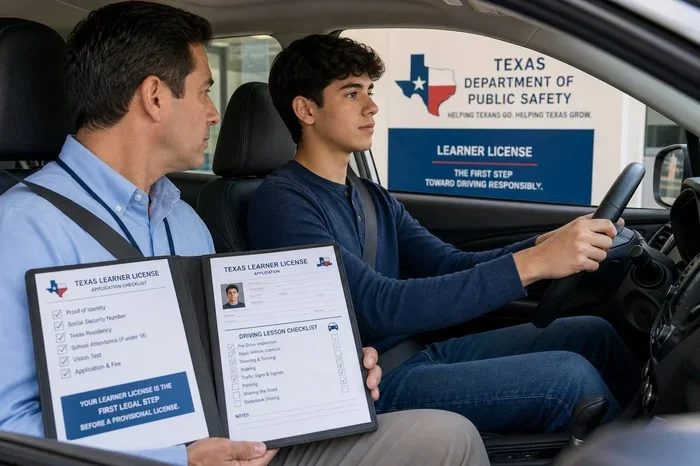
Almost every state requires a licensed adult to sit in the front passenger seat. This person must hold a valid driver’s license. They must have a clean driving record in most cases. And they must be capable of taking control if needed.
Here is what makes someone a qualified supervisor:
- Holds a full, unrestricted driver’s license. A provisional or restricted license may not count in some states.
- Has at least 3 to 5 years of driving experience. Exact requirements vary.
- Is sober and alert. No alcohol or drugs. Period.
- Can reach the brakes and controls. They should be able to intervene if necessary.
Can Friends or Siblings Ride Along?
Many states allow additional passengers beyond the supervisor. But there are often limits. Some states restrict permit drivers to just one passenger. Others allow multiple passengers as long as the supervisor is present.
For example:
- California: Permit drivers must have a licensed adult 25 or older in the car. Additional passengers are allowed.
- Texas: A permit holder can drive with a licensed adult supervisor and other passengers.
- New York: Only the supervisor and one other passenger are allowed during the permit phase.
Always check your state’s permit driving laws before letting friends hop in. The rules can surprise you.
Can a Permit Driver Carry Multiple Passengers?
This is where things get tricky. More passengers mean more distractions. Studies consistently show that peer passengers increase crash risk for new drivers. That is why many states limit the number of people in the car.
Here is a quick comparison of common passenger rules:
| State | Supervisor Required? | Passenger Limit |
|---|---|---|
| California | Yes, age 25+ | No extra limit |
| Texas | Yes, licensed adult | No extra limit |
| New York | Yes, licensed adult | 1 additional passenger |
| Florida | Yes, licensed adult 21+ | No extra limit |
| Illinois | Yes, licensed adult 21+ | 1 immediate family member |
As you can see, the rules vary widely. Never assume your state follows the same rules as a neighbor’s state. Always verify with your local DMV.
Who Can Supervise a Permit Driver?
The supervisor plays a critical role. They are not just a passenger. They are a teacher, a safety net, and a second set of eyes. Choosing the right person matters more than most beginners realize.
Qualifications of a Permit Supervisor
Not just anyone can sit in the front seat. Here are the standard requirements:
- Valid driver’s license. Must be from the same state in most cases.
- Minimum age. Usually 21 or 25, depending on the state.
- Clean driving record. No recent violations or DUI convictions.
- Ability to remain calm. A nervous supervisor can make a beginner more anxious.
Who Should NOT Supervise a Permit Driver?
This is just as important. Certain people should not be in the car with a permit driver:
- Anyone under the legal age. A 17-year-old cannot supervise a permit holder in most states.
- Unlicensed individuals. No license means no supervising.
- People under the influence. This includes prescription medications that impair driving.
- Distracted drivers. If your supervisor is scrolling through their phone, that defeats the purpose.
Can a Parent or Guardian Supervise?
Yes, in most cases. Parents are often the first supervisors for new permit drivers. This can be a great bonding experience. But it also comes with challenges. Parents may be too emotional during lessons. They might yell or panic, which can unsettle a beginner.
If you are a parent supervising your teen, here are some tips:
- Stay calm and patient.
- Give clear, simple instructions.
- Practice in low-traffic areas first.
- Keep lessons short, especially in the beginning.
- Consider supplementing with a professional driving instructor.
Insurance Rules for Permit Drivers
Insurance is an often-overlooked part of permit driving. Many beginners do not think about it until they get a ticket or an accident. But insurance rules directly affect who can be in the car.
Does the Permit Driver Need Their Own Insurance?
In most cases, the permit driver is covered under the vehicle owner’s insurance policy. If Mom or Dad owns the car, the teen permit driver is typically included. However, this is not guaranteed. Some policies have specific exclusions.
Always check with your insurance provider. Ask these key questions:
- Is the permit driver covered while practicing?
- Are there any restrictions on passengers?
- Does the policy cover non-family supervisors?
- What happens if there is an accident during practice?
What If the Permit Driver Uses a Friend’s Car?
This scenario is trickier. If a permit driver borrows a friend’s car, the friend’s insurance usually applies. But the permit driver must be listed or approved as a driver. Driving without proper coverage can lead to serious financial consequences.
Quick tip: Before getting behind the wheel of someone else’s car, confirm the insurance details. A few minutes of checking can save thousands of dollars later.
Practical Tips for Safe Permit Driving
Now that we have covered the rules, let us talk about best practices. Following the law is essential. But going beyond the minimum requirements makes you a better, safer driver.
Start with Low-Risk Environments
Begin your practice in empty parking lots. Then move to quiet residential streets. Gradually work up to busier roads and highways. This progression builds skills without overwhelming you.
Limit Distractions
Even with a supervisor in the car, distractions are real. Here are some ways to minimize them:
- Keep the radio off or at low volume.
- Put phones away completely.
- Limit the number of passengers.
- Avoid eating or drinking while driving.
Track Your Practice Hours
Many states require a minimum number of driving practice hours before the road test. For example, some states require 50 hours, with 10 at night. Keep a log of your practice sessions. Include the date, time, duration, and driving conditions.
This log serves two purposes. It helps you meet state requirements. And it gives you a clear picture of your progress.
Choose the Right Passengers
Not all passengers are created equal when it comes to learning. Experienced drivers who are calm and encouraging make the best riding companions. Friends who are loud, chaotic, or distracting should wait until you have your full license.
Think about it this way. Would you rather have a quiet, focused passenger or a chatty friend who keeps grabbing the steering wheel? The choice is obvious.
Common Mistakes Permit Drivers Make
Everyone makes mistakes when learning to drive. But some mistakes are more costly than others. Here are the ones to watch out for.
Driving Alone
This is the number one mistake. Some permit drivers sneak out solo because they are eager to practice. But driving alone on a permit can result in fines, permit suspension, and even delays in getting your license. Always have a qualified supervisor in the car.
Ignoring State-Specific Rules
As we covered earlier, rules vary significantly by state. Assuming your rules are the same as your friend’s rules is dangerous. Always look up your state’s current permit driving laws before getting behind the wheel.
Overloading the Car
More passengers does not equal more practice. Overloading the car creates distractions and can violate passenger limits. Stick to the legal number of passengers and focus on quality practice over quantity.
Forgetting Insurance Coverage
Insurance is not glamorous. But it is essential. A single accident without coverage can derail your financial future. Make sure you understand your policy before you start driving.
How State Laws Affect Permit Driving
State laws shape every aspect of permit driving. From the minimum age to passenger limits to nighttime curfews, each state has its own framework. Understanding these differences is crucial.
Age Requirements for Permit Holders
Most states allow learners permits at age 14 to 16. Some states allow adults to get permits as well. The age at which you can start learning does not change the passenger rules significantly. Whether you are 15 or 35, you still need a supervisor.
Nighttime Driving Restrictions
Many states impose curfews on permit drivers. For example, some states prohibit permit driving between 11 PM and 5 AM unless a parent or certified instructor is present. These restrictions affect who can ride with you during those hours.
Always check whether your state has nighttime driving limits. Planning your practice sessions around these rules keeps you legal and safe.
Moving to a Different State
If your family moves to a new state, your permit rules may change. Some states honor out-of-state permits. Others require you to get a new permit. The passenger and supervision rules may also differ. Always update your knowledge when relocating.
Key Takeaways
- Supervised Driving Is Required: Most states mandate a licensed adult in the car when a permit holder drives.
- Passenger Rules Vary by State: Some states limit the number of passengers; others have no restrictions beyond the supervisor.
- Insurance Matters: Having the right coverage protects both the permit driver and the vehicle owner.
- Common Mistakes Happen: Driving alone or with unlicensed passengers can lead to fines or permit suspension.
- Practice Makes Perfect: Filling road practice hours with qualified passengers builds confidence and safety.
- Nighttime Restrictions Apply: Many states impose curfews on permit drivers that affect who can ride along.
Conclusion
Who can be in the car with a permit driver? The answer comes down to three things: your state’s laws, your insurance policy, and common sense. Always have a licensed adult supervisor in the front seat. Know your passenger limits. Choose calm, experienced riding companions. And never drive alone.
Permit driving is a learning process. You will make mistakes, and that is okay. What matters is that you learn from them. Follow the rules, practice consistently, and prioritize safety above all else.
The road to your full license starts with the permit phase. Make it count. Drive safely, practice often, and remember that every trip in the car is a chance to get better.
Stay informed, stay safe, and enjoy the journey toward becoming a confident, responsible driver.
Frequently Asked Questions
Can my friend sit in the car with me while I drive on a permit?
In most states, yes, but with conditions. A licensed adult supervisor must be present, and some states limit the number of additional passengers. Always check your state’s specific rules before allowing friends to ride along.
What happens if I get caught driving alone with a permit?
Penalties vary by state but can include fines, permit suspension, and delays in getting your full license. In some cases, your driving record may be affected, making future insurance more expensive.
Do I need to be a certain age to supervise a permit driver?
Yes, most states require the supervisor to be at least 21 years old. Some states set the minimum age at 25. The supervisor must also hold a valid, unrestricted driver’s license.
Can I drive at night with a permit?
Many states have nighttime restrictions for permit drivers. Some prohibit driving between certain hours unless a parent or certified instructor is in the car. Check your state’s rules to understand any curfew requirements.
Does my permit holder need their own car insurance?
Usually not. Permit drivers are typically covered under the vehicle owner’s insurance policy. However, it is wise to confirm coverage details with your insurance provider before the permit holder starts practicing.
Can a permit driver practice in a parking lot without a supervisor?
No. Even in private parking lots, a permit driver must have a licensed adult supervisor present in the vehicle. Driving alone in any location can result in legal consequences and permit violations.