How Many Drive Cycles Does It Take to Clear a Code
So, how many drive cycles does it take to clear a code? Most vehicles need between one and three complete drive cycles to reset a fault code and turn off the check engine light. The exact number depends on your car model, the type of code, and whether the readiness monitors are fully ready. Understanding this process helps you pass emission testing and avoid costly trips to the mechanic.
Have you ever cleared a check engine light and then wondered, how many drive cycles does it take to clear a code? You are not alone. This is one of the most common questions car owners ask after they reset their diagnostic trouble codes. The answer might surprise you. It is not always as simple as driving around the block once.
When your car’s check engine light comes on, it means the onboard computer has detected a problem. After you fix the issue and clear the code, your vehicle needs to run through a series of tests. These tests are called drive cycles. They allow the ECM to verify that everything is working properly. Let us walk through everything you need to know about drive cycles, readiness monitors, and clearing codes the right way.
Key Takeaways
- One to three drive cycles are typically needed to clear most OBD-II codes.
- A drive cycle is a series of specific driving conditions that test your vehicle’s emission systems.
- Readiness monitors must all be set to “ready” before you can pass an emissions test.
- Different car makes and models may require different numbers of drive cycles.
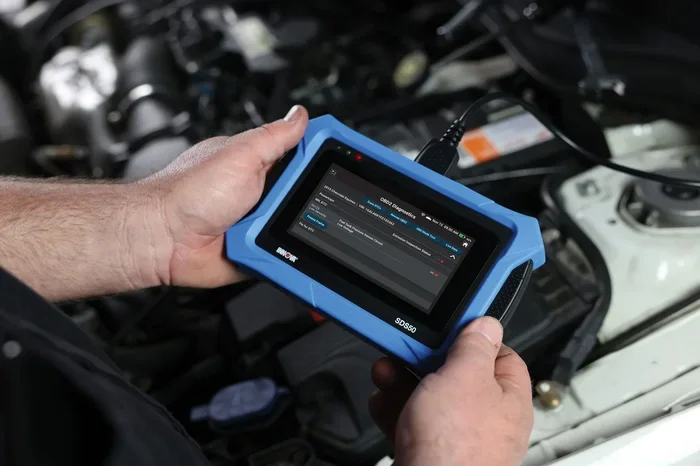
- Using a quality scan tool helps you track readiness monitor status in real time.
- Common mistakes like disconnecting the battery can reset codes but won’t complete readiness monitors.
- Patience and proper driving technique are the keys to successfully clearing a code.
📑 Table of Contents
What Exactly Is a Drive Cycle?
A drive cycle is a specific set of driving conditions your car must go through. These conditions test every part of your vehicle’s emission system. The goal is to make sure all the sensors, converters, and circuits are working as they should.
During a drive cycle, the ECU runs what are called readiness monitors. Each monitor checks a different part of the system. For example, one monitor might check the catalytic converter. Another might test the oxygen sensor. Your car needs to complete all of these checks successfully.
Why Drive Cycles Matter for Emissions
Every state and country has its own emission testing rules. When you take your car in for an emission test, the technician plugs in an OBD-II scanner. This device reads the status of your readiness monitors. If any monitor shows as “not ready,” your car fails the test. That is true even if the check engine light is off.
This is why simply clearing a code does not mean your car is ready. The ECM needs time and the right driving conditions to set all the monitors back to “ready.”
What Happens When You Clear a Code?
When you use a scan tool to erase a fault code, you are telling the ECM to forget the problem. The check engine light turns off. But here is the catch. The readiness monitors stay in a “not ready” state. They need fresh data from a complete drive cycle to reset.
Think of it like a test after you have been sick. Even though you feel better now, your body still needs time to fully recover. The same idea applies to your car’s computer.
How Many Drive Cycles Does It Take to Clear a Code?
The short answer is usually one to three complete drive cycles. But the long answer depends on several factors. Let us break them down.
Factors That Affect the Number of Drive Cycles
Not all cars are the same. Several things determine how many drive cycles you need:
- Vehicle make and model: Some cars complete monitors faster than others. A Toyota might need fewer cycles than a Ford.
- Type of code cleared: A simple oxygen sensor code may reset quickly. A complex misfire code might take longer.
- Driving conditions: You must hit specific speeds and temperatures for monitors to run.
- How many monitors were triggered: More monitors mean more driving time.
- Climate and temperature: Cold weather can slow down the process because the engine takes longer to warm up.
General Timeline for Most Vehicles
For most cars, you can expect the following:
- First drive cycle: Some basic monitors will start running. You might see one or two monitors go to “ready.”
- Second drive cycle: More monitors should complete. The ECM collects data during both city and highway driving.
- Third drive cycle: All readiness monitors should be set to “ready.” The ECM has confirmed the system is healthy.
In some cases, you might get lucky and have all monitors ready after just one cycle. In other cases, it takes three or even four complete cycles. Be patient with the process.
What Counts as a Complete Drive Cycle?
A complete drive cycle is not just any drive. It must include specific conditions. Here is what typically needs to happen:
- Cold start from a fully cooled engine
- Idle for two to three minutes
- Low-speed city driving for about five minutes
- Highway driving at steady speed for five to ten minutes
- Deceleration without using the brake pedal
- Return to idle and shut off the engine
If you miss any of these steps, the ECM may not complete all the monitors. That means you need to start over again.
Understanding Readiness Monitors
Readiness monitors are the heart of the drive cycle process. Each monitor tests a specific part of your vehicle’s emission system. Let us look at the most common ones.
Oxygen Sensor Monitor
The oxygen sensor measures how much oxygen is in your exhaust. This helps the ECM adjust the fuel mixture. The oxygen sensor monitor checks that the sensor is responding correctly. If it is slow or lazy, you will get a code.
Catalytic Converter Monitor
The catalytic converter reduces harmful emissions. The monitor compares the oxygen sensor readings before and after the converter. If the efficiency drops below a certain level, you get a P0420 or P0430 code. This is one of the most common emission-related codes.
EVAP System Monitor
The EVAP system prevents fuel vapors from escaping into the air. The monitor tests for leaks in the system. A loose gas cap is the most common cause of an EVAP code. But cracked hoses or faulty purge valves can also trigger it.
Misfire Monitor
The misfire monitor watches for uneven combustion in the engine cylinders. A misfire can damage your catalytic converter over time. This monitor detects even small misfires that you might not feel while driving.
EGR System Monitor
The Exhaust Gas Recirculation system reduces nitrogen oxide emissions. The EGR monitor checks that the valve opens and closes properly. A stuck EGR valve can cause rough idling and poor fuel economy.
Common Mistakes When Trying to Clear a Code
Many people make mistakes when trying to clear a code and complete drive cycles. Here are the biggest ones to avoid.
Disconnecting the Battery
Some people think disconnecting the battery will clear a code and reset everything. It does clear the code. But it also wipes out the readiness monitor status. You will still need to complete full drive cycles. And in some vehicles, disconnecting the battery can cause other problems like lost radio presets or adaptation values.
Driving Too Short
Quick trips around the neighborhood do not count. The monitors need sustained driving at different speeds. A five-minute drive to the grocery store is not enough to complete a full drive cycle.
Ignoring the Root Cause
Clearing a code does not fix the underlying problem. If you clear a misfire code without fixing the spark plug or coil, the code will come right back. Always diagnose and repair the issue first.
Using a Cheap Scan Tool
Not all OBD-II scanners are created equal. Cheap generic scanners might clear codes but give you poor data. A good scan tool lets you see which monitors are ready and which are not. This saves you a lot of guesswork.
Not Letting the Engine Fully Cool
For the first part of a drive cycle, you need a cold start. If you drive the car for ten minutes, park it, and start again five minutes later, the engine is not truly cold. The monitors will not run correctly.
Tips to Successfully Complete a Drive Cycle
Here are some practical tips to help you complete drive cycles efficiently and get your car ready for inspection.
Start with a Cold Engine
Make sure your car has sat for at least one hour. The engine coolant should be cold to the touch. This ensures the first phase of the drive cycle starts properly.
Use a Highway On-Ramp
You need steady highway speeds of at least 55 mph for several minutes. Find a safe on-ramp and merge onto a highway. Maintain a steady speed without heavy acceleration.
Avoid Heavy Braking
During the deceleration phase, take your foot off the gas pedal. Do not brake unless necessary. The ECM needs to see smooth deceleration to complete certain monitors.
Check Readiness Monitor Status
Use your scan tool to check monitor status before and after each drive cycle. This tells you exactly which monitors have completed and which still need to run.
Plan Your Driving Route
Instead of random driving, plan a route that includes city driving, highway driving, and idle time. A 20 to 30 minute mixed drive works well for most vehicles.
Be Patient
Some monitors take longer than others. The EVAP system monitor, for example, can take up to 24 hours of driving to complete. Do not get discouraged if not everything happens in one trip.
How to Check If Your Codes Are Fully Cleared
After completing your drive cycles, you need to verify the results. Here is how to know for sure.
Plug your OBD-II scanner back into the diagnostic port. Check for any stored codes. If no codes appear, that is a good sign. Next, look at the readiness monitor status. All monitors should show as “complete” or “ready.”
If any monitor still shows as “not ready,” you need to complete another drive cycle. Focus on the monitors that are still incomplete. Drive conditions that target those specific systems will help them finish faster.
Some modern vehicles have a simplified drive cycle process. The ECM can complete most monitors in a single short trip. Check your owner’s manual or look up your specific vehicle on a repair database for the exact procedure.
When to See a Professional Mechanic
Most of the time, clearing a code and completing drive cycles is something you can handle yourself. But there are situations where you should call a professional.
If the check engine light comes back on immediately after you clear it, there is likely a serious problem. A flashing check engine light means you should stop driving and get the car towed. A steady light is less urgent but still needs attention.
If you have completed multiple drive cycles and some monitors still will not go to “ready,” there may be an underlying issue. A mechanic with advanced diagnostic tools can find problems that a basic scan tool might miss.
Also, if you are preparing for a state inspection and the monitors will not set, a professional can help. They may have access to manufacturer-specific drive cycle procedures that are more effective than generic ones.
Conclusion
So, how many drive cycles does it take to clear a code? For most vehicles, the answer is one to three complete drive cycles. But the real goal is not just clearing the code. It is getting all the readiness monitors to “ready” so you can pass your emission test with confidence.
Remember to fix the root cause first, use a good scan tool, and follow proper drive cycle procedures. Be patient and give your car the time it needs. Rushing the process is the number one reason people fail emission tests after clearing codes.
Whether you are dealing with a simple oxygen sensor code or a complex misfire issue, understanding drive cycles puts you in control. You will save money, learn more about your vehicle, and walk into that inspection station with confidence.
Frequently Asked Questions
Can I pass an emissions test with the check engine light off but monitors not ready?
No, in most states you cannot. The inspection station checks the readiness monitor status through the OBD-II port. If any monitor shows “not ready,” you will fail the test regardless of whether the check engine light is on or off.
How long does it take to complete a drive cycle?
A single drive cycle typically takes 15 to 30 minutes of mixed driving. However, some monitors like the EVAP system can take several hours or even up to 24 hours of cumulative driving to complete.
Will disconnecting the battery clear my codes permanently?
No. Disconnecting the battery will temporarily clear codes, but the codes often return once the ECM relearns the problem. It also resets all readiness monitors to “not ready,” so you will still need to complete drive cycles.
Can I use any OBD-II scanner to check readiness monitor status?
Most basic OBD-II scanners can show monitor status, but advanced scanners provide more detailed information. A quality scan tool lets you see exactly which monitors are complete and which still need to run.
What should I do if a readiness monitor will not go to ready after multiple drive cycles?
This could indicate a real problem with that specific system. Double-check your repair and inspect related components. If everything looks good, try different driving conditions or consult a professional mechanic.
Do all cars use the same drive cycle procedure?
No, each manufacturer has its own drive cycle specifications. Some are simple and others are quite complex. Always refer to your vehicle’s service manual or a reliable repair database for the exact procedure.