Do You Have to Reset the Oil Light After an Oil Change
Do You Have to Reset the Oil Light After an Oil Change? In most vehicles, yes. The oil change reminder is part of your car’s oil life monitoring system. It tracks driving conditions and needs a manual reset after fresh oil is added. Skipping this step leaves the light on and can cause confusion. This guide shows you exactly when and how to reset it for any car.
You just got your oil changed. The mechanic hands you the receipt. You drive away, but then you notice it. That little yellow or red oil can symbol on your dashboard is still glowing. It’s annoying. It makes you wonder: Do You Have to Reset the Oil Light After an Oil Change? The truth is, it depends on your car’s system. Most modern vehicles use an oil life monitoring system. This system tracks driving conditions, not just mileage. After an oil change, you often need to reset the reminder manually. If you don’t, the light will keep blinking or staying on. That can be confusing and stressful. In this guide, I’ll explain exactly why the light stays on, when you need to reset it, and how to do it for popular brands. I’ll also share common mistakes and what happens if you ignore it. By the end, you’ll know exactly what to do. Let’s get started.
The oil change light is part of your car’s maintenance reminder. It’s designed to help you stay on top of oil change intervals. The light is not a warning of low oil pressure. It’s a service indicator. It tells you it’s time to change the oil. Different cars handle this differently. Some reset automatically. Others need a manual reset. Understanding your vehicle’s system is the first step. I’ll break it all down in simple terms. No jargon. No confusing manuals. Just clear, practical advice you can use today.
Key Takeaways
- Most cars need a manual reset: The oil change light won’t turn off automatically after an oil change in most vehicles.
- Resetting is quick and easy: It usually takes under 3 minutes using steering wheel buttons or the trip meter.
- It depends on your oil life system: Modern cars use condition-based monitoring, not just mileage.
- Ignoring the light causes problems: It can lead to alarm fatigue and inaccurate service tracking.
- Don’t confuse it with the check engine light: The oil change light is a maintenance reminder, not an emergency warning.
- Reset immediately after service: Do it right after the oil change while you’re still at the shop or garage.
- Check your owner’s manual: Every car model has a specific reset procedure. The manual is your best resource.
📑 Table of Contents
- What Is the Oil Change Light and Why Does It Exist?
- Do You Have to Reset the Oil Light After an Oil Change?
- How to Reset the Oil Light for Popular Car Brands
- Common Mistakes People Make When Resetting the Oil Light
- What Happens If You Never Reset the Oil Light?
- Oil Light Reset vs. Check Engine Light: Know the Difference
- Key Takeaways
- Final Verdict: Should You Reset the Oil Light?
What Is the Oil Change Light and Why Does It Exist?
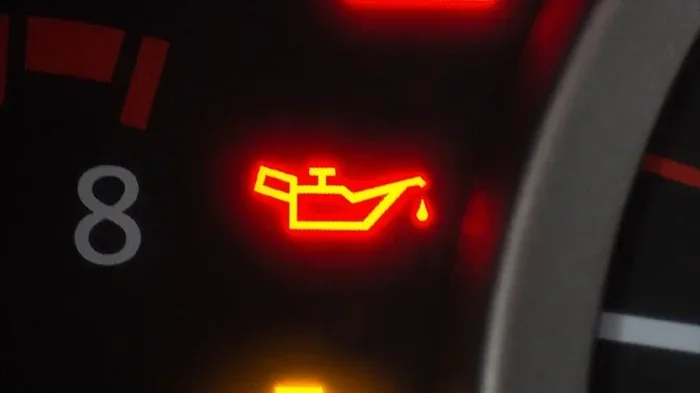
The oil change light is a dashboard symbol. It usually looks like an oil can. Sometimes it says “CHANGE OIL” or “SERVICE DUE.” This light is part of your car’s maintenance reminder system. It tracks the oil life percentage. When the percentage hits zero, the light comes on. The system calculates this based on driving habits. It considers engine temperature, idling time, and driving distance. It’s more advanced than a simple mileage counter. The oil life monitoring system uses algorithms to estimate oil degradation. This helps protect your engine. Fresh oil keeps your engine clean and cool. Old oil breaks down and loses its ability to lubricate. The light reminds you to replace it before damage occurs. It’s a smart feature. But it needs your help after an oil change.
How Oil Life Monitoring Systems Work
Modern cars use electronic sensors and software. The oil life indicator doesn’t just count miles. It looks at many factors. Short trips with lots of stopping are hard on oil. Highway driving is easier on oil. The system adjusts the service interval accordingly. Some cars use a time-based system. Others use a condition-based system. The condition-based system is more accurate. It tells you exactly when your oil needs changing. After you add new oil and a new filter, the system doesn’t know. It still thinks the old oil is in there. That’s why you must reset it. The reset tells the computer: “New oil is in. Start the countdown again.”
Why Your Car Needs a Reminder
Engine oil is the lifeblood of your car. It reduces friction between metal parts. It carries away heat and contaminants. Over time, oil gets dirty and loses its additives. The oil change reminder ensures you don’t forget. Skipping oil changes leads to engine wear. In worst cases, it can cause engine failure. The light is your early warning system. It keeps your vehicle maintenance on track. You wouldn’t ignore a check engine light. Don’t ignore this one either. But you also don’t need to panic. It’s just a maintenance prompt. Resetting it after an oil change is part of the process.
Do You Have to Reset the Oil Light After an Oil Change?
The direct answer is: Do You Have to Reset the Oil Light After an Oil Change? In most cases, yes. But there are exceptions. It depends on the type of system your car uses. Let’s look at the details.
The Short Answer: It Depends on Your Vehicle
Older cars often have a simple mileage-based reminder. You set the interval yourself. After an oil change, you might need to reset it. Many newer cars have an automatic oil life system. These systems sometimes reset automatically when you insert the key cycle. But most still require a manual step. The owner’s manual is your best friend here. It tells you the exact procedure. If you don’t have the manual, I’ll cover popular brands below. The key takeaway is: don’t assume the light will turn off by itself. Take a few minutes to reset it. It’s a quick fix that saves confusion later.
When Resetting Is Necessary
You need to reset the light if:
- Your car has a manual oil life reset system.
- The light stays on after the oil change is complete.
- You changed the oil yourself at home.
- The maintenance light was on before the service.
- You want the oil change tracker to start fresh.
Resetting ensures the service schedule is accurate. It keeps your dashboard clear. It also prevents false warnings. If the light stays on, you might ignore it later when a real problem arises. That’s called “alarm fatigue.” You don’t want that.
When the Light Stays Off on Its Own
Some newer vehicles reset automatically. They might recognize a new oil filter or a change in oil pressure sensor data. In those cases, you don’t need to do anything. But this is not the norm. Most cars require a button press or a sequence. If you’re unsure, just reset it. It won’t hurt anything. The oil reset procedure is simple and safe. I’ll walk you through it for Toyota, Honda, Ford, and more.
How to Reset the Oil Light for Popular Car Brands
Resetting the oil light is different for every brand. But the process is usually similar. You’ll often use the steering wheel buttons or the instrument cluster. Here’s a quick comparison table to get you started.
| Car Brand | Typical Reset Method | Time Required | Notes |
|---|---|---|---|
| Toyota | Trip meter reset button sequence | 2 minutes | Turn ignition to ON, press and hold trip reset |
| Honda | Select/reset stalk or buttons | 1-3 minutes | Some models use steering wheel controls |
| Ford | Steering wheel up/down arrows | 2 minutes | Use Info/Reset button on steering wheel |
| Chevrolet | Trip display button | 1 minute | Press and hold the trip button |
| Nissan | Instrument cluster buttons | 2 minutes | Hold the trip button until light flashes |
| BMW | iDrive controller or buttons | 3 minutes | Vehicle Info > Service > Reset |
This table gives you a quick idea. I’ll now give step-by-step instructions for the most popular brands. Follow them carefully.
Step-by-Step for Toyota
Toyota uses a simple method. First, turn the ignition key to the “ON” position. Do not start the engine. Then, press the trip meter reset button. Hold it for a few seconds. The maintenance light should start blinking. Keep holding it for about 10 seconds. Release the button. Turn the ignition off and then back on. The light should be off now. If it’s still on, repeat the process. This resets the oil life monitoring system. It tells the car that fresh oil is in the engine.
Step-by-Step for Honda
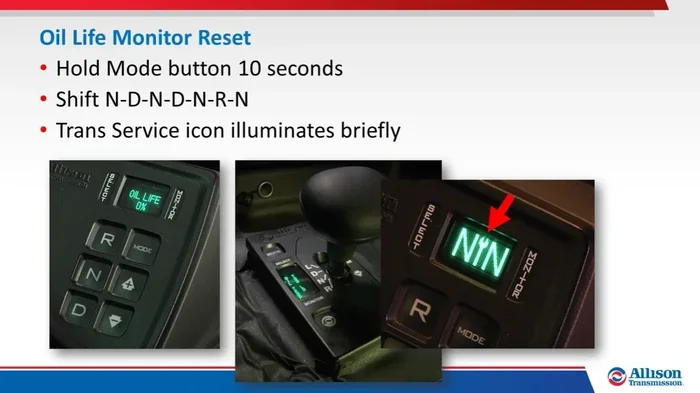
Honda models vary. Many newer Hondas use steering wheel controls. Press the “Select” or “Reset” button on the steering wheel. Scroll to the maintenance menu. Press and hold the reset button for about 10 seconds. The light should blink and then go off. On older Hondas, you might use a small button near the trip meter. Consult the owner’s manual for your specific model. The oil reset procedure is similar across the range.
Step-by-Step for Ford
Ford vehicles often use the steering wheel arrow buttons. Use the up or down arrows to scroll to the “Vehicle Info” menu. Find the “Oil Life” or “Maintenance” option. Press the “Reset” or “Info” button. Hold it until the display says “Reset Successful.” This resets the service interval indicator. The dashboard light will turn off. It’s a simple process that takes less than a minute.
Step-by-Step for Chevrolet
Chevrolet uses the trip button on the instrument cluster. Turn the ignition to ON without starting the car. Press and hold the trip button. The maintenance light will start to flash. Keep holding for about 10 seconds. Release the button. Turn the ignition off and back on. The light should be reset. If it’s not, try the steering wheel controls on newer models. The reset oil change light process is straightforward.
Quick Tips for Resetting
- Always do the reset with the ignition in the ON position, not while driving.
- Have the owner’s manual handy if you get stuck.
- Reset immediately after the oil change is complete.
- Don’t confuse the oil light with the check engine light.
- If the light won’t turn off, check the oil level first.
- Some cars need a special tool at the dealership. Ask your mechanic.
Common Mistakes People Make When Resetting the Oil Light
Resetting the light is easy, but people make mistakes. Here are the most common ones.
- Mistake 1: Resetting before the oil change is complete. You want to reset only after fresh oil and a new filter are installed. If you reset before, the system still counts down from the old oil life. You’ll get the light again too soon.
- Mistake 2: Holding the button too briefly. You need to hold the button long enough for the light to blink. Usually 10-15 seconds. Letting go too early means the reset didn’t work.
- Mistake 3: Ignoring the oil level. The light might stay on because the oil level is low. Resetting won’t fix that. Always check the oil dipstick first.
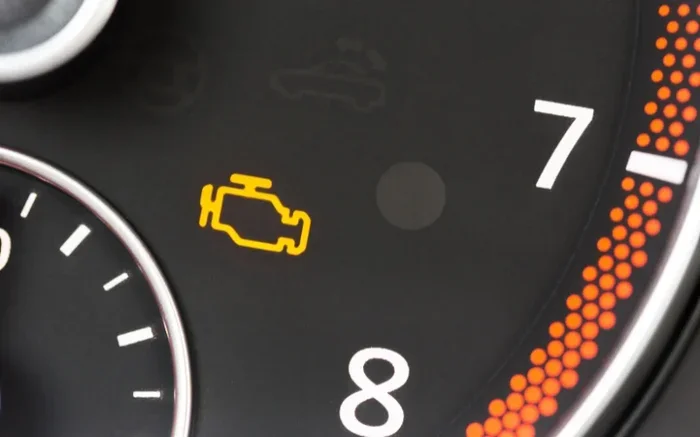
- Mistake 4: Confusing the oil light with the check engine light. The oil change light is an orange or yellow oil can. The check engine light is a yellow engine shape. They mean different things. A check engine light needs immediate attention.
- Mistake 5: Not resetting after a DIY oil change. If you did the work yourself, it’s easy to forget. The light will keep reminding you. Take a moment to reset it.
Avoid these mistakes and the process will be smooth. A quick reset is part of the oil change routine. It keeps your dashboard clean and your mind at ease.
What Happens If You Never Reset the Oil Light?
If you ignore the light, it won’t harm your engine directly. But it creates other problems. The light will stay on. It can be distracting while driving. It might distract you from real warnings. If you have multiple dashboard lights, it’s hard to tell which one matters. The light also means your oil change tracker is out of sync. Your car might tell you to change oil again too soon. That’s wasteful. You might end up changing oil more often than needed. Or you might ignore the next real warning because you think it’s just the reminder again.
Expert Insights: “A persistent oil change reminder can cause drivers to overlook actual service needs,” says automotive technician Mark Torres. “When the light is always on, it loses its meaning. Resetting it after each oil change keeps the system accurate and the driver alert.” I agree. It’s a small step with big benefits. It keeps your vehicle maintenance schedule on track.
Oil Light Reset vs. Check Engine Light: Know the Difference
People often mix up these two lights. They are completely different. The oil change light is a maintenance reminder. The check engine light is a warning about engine performance or emissions. Here’s a quick comparison.
| Feature | Oil Change Light | Check Engine Light |
|---|---|---|
| Symbol | Oil can or “CHANGE OIL” text | Engine shape |
| Meaning | Time for scheduled maintenance | Possible engine or emissions issue |
| Urgency | Low to moderate | High – check immediately |
| Reset After Oil Change? | Yes, usually manually | No – requires fixing the problem first |
| Common Causes | Reached oil life percentage | Loose gas cap, sensor fault, misfire |
| Can You Drive Safely? | Yes, for now | Not always – get it checked |
The check engine light is more serious. If it’s on, don’t just reset it. Find the root cause. The oil change light is just a reminder. Resetting it is safe and expected. If both lights are on, you need to address the check engine light first. Then reset the oil light if needed.
Key Takeaways
- Always reset after an oil change: It’s a quick habit that keeps your maintenance schedule accurate.
- Follow your car’s specific procedure: Each brand has a simple button sequence.
- Don’t ignore a persistent light: A light that won’t turn off may signal low oil level or a deeper issue.
- Keep your owner’s manual accessible: It has the exact reset steps for your model year.
- Resetting is not the same as fixing a problem: The oil change light is a reminder, not a repair alert.
Final Verdict: Should You Reset the Oil Light?
So, do you have to reset the oil light after an oil change? The answer is a clear yes for most vehicles. It takes only a few minutes. It keeps your dashboard accurate. It prevents confusion. It’s a simple part of car maintenance that many people skip. Don’t be one of them. After your next oil change, take a moment to reset the maintenance light. Your future self will thank you. You’ll know exactly when the next oil change is due. And you’ll avoid the nagging yellow light. It’s a win-win.
Remember, the oil change reminder is there to help you. It’s not a punishment. It’s a tool. Use it properly. Reset it after every oil change. Follow the steps for your car brand. Keep your service schedule in sync. Your engine will run better and last longer. That’s the real benefit. So next time you hear the question “Do You Have to Reset the Oil Light After an Oil Change?” you’ll know the answer. You’ll also know exactly how to do it. Safe driving and happy motoring!
Frequently Asked Questions
Is it okay to drive with the oil change light on?
Yes, it’s generally safe for a short time. The light is a reminder, not a breakdown warning. However, you should get the oil changed soon. Driving with old oil can reduce engine protection. Reset the light only after the fresh oil is in.
What if my oil light won’t turn off after I reset it?
First, check your actual oil level with the dipstick. Low oil can keep the light on. If the level is fine, try the reset procedure again. Make sure you held the button long enough. If it still won’t go off, there may be a sensor issue. Have a mechanic check the oil pressure sensor.
Do all cars need a manual oil light reset?
No, some newer vehicles reset automatically. They detect a new oil filter or oil pressure change. But the majority of cars on the road today require a manual step. Check your owner’s manual to be sure. When in doubt, just reset it manually.
How often do I need to reset the oil change light?
You reset it every time you change the oil. That’s usually every 5,000 to 7,500 miles for conventional oil. Synthetic oil can go longer, around 7,500 to 10,000 miles. Always reset after each service. This keeps your oil life monitoring system accurate.
Can resetting the oil light clear a check engine light?
No, absolutely not. The check engine light indicates a real problem. Resetting it without fixing the issue is dangerous. The oil change light is completely separate. It’s just a maintenance reminder. Never ignore a check engine light.
What’s the difference between an oil change light and an oil pressure warning light?
The oil pressure warning light is red and looks like an oil can with a drip. It means your oil pressure is dangerously low. Stop driving immediately. The oil change light is usually yellow or orange. It says “CHANGE OIL” or shows an oil can symbol. It’s a service reminder, not an emergency.