How to Know if Transmission Fluid Is Low in Your Car
You can prevent expensive transmission damage by learning how to know if transmission fluid is low in your car. Watch for slipping gears, delayed shifting, and a burning odor. This simple guide walks you through the symptoms, the dipstick check, and what to do next.
Your car’s transmission works hard every time you drive. It shifts gears smoothly so you can accelerate and cruise. But it needs the right amount of transmission fluid to do its job. When that fluid drops too low, things go wrong fast. You might notice strange noises, slipping gears, or a burning smell. How to Know if Transmission Fluid Is Low is a skill every driver should have. Catching the problem early can save you from a costly transmission rebuild. In this guide, you will learn the clear symptoms, how to check the fluid yourself, and what to do next. We will also cover common causes and simple prevention tips. By the end, you will feel confident about protecting your car’s most important system.
Many drivers ignore their transmission until something breaks. That is a big mistake. Transmission repairs can cost hundreds or even thousands of dollars. But most problems start small. A slight delay when shifting or a faint burning smell is your car asking for help. Low transmission fluid is one of the most common causes of these issues. The good news is that checking your fluid is easy. You can do it at home with just a few minutes. This article will walk you through every step. You will know exactly what to look for and how to fix it. Let us get started.
Key Takeaways
- Slipping gears and delayed engagement are the top warning signs of low fluid.
- Check the transmission dipstick regularly to monitor your fluid level.
- Low fluid often means a leak that needs immediate attention.
- Burning smell and dark fluid color indicate overheating or contamination.
- Topping up fluid is a quick fix, but find the root cause first.
- Preventive maintenance keeps your transmission healthy for years.
📑 Table of Contents
Why Transmission Fluid Matters
Transmission fluid does several important jobs at once. It acts as a lubricant, reducing friction between moving parts. It also serves as a coolant, keeping the transmission from overheating. In automatic transmissions, the fluid creates hydraulic pressure to shift gears. Without enough fluid, the system cannot build that pressure. Manual transmissions use fluid too, but the principles are similar. Both types need a full transmission fluid level to work properly.
The Role of Fluid in Gear Shifting
Think of your transmission fluid as the lifeblood of the system. When you press the gas pedal, the transmission sends fluid through channels and valves. That fluid pushes clutch packs and band assemblies to engage the right gear. If the fluid level drops, the pressure falls. Gears may hesitate or slip. You might feel a jolt when shifting from park to drive. This is called delayed engagement. It happens because the fluid cannot move fast enough to apply the clutch. Over time, low fluid causes extra wear on gears and seals.
Automatic vs. Manual Transmission Fluid
Automatic transmissions use a special fluid called ATF, or automatic transmission fluid. It is engineered to handle high pressure and heat. Manual transmissions often use a heavier gear oil. Both fluids can break down over time. They collect metal particles and debris. Old fluid loses its ability to lubricate and cool. That is why regular transmission fluid changes are so important. But a sudden drop in fluid level usually points to a leak, not just age. You should check your fluid if you notice any symptoms.
How to Know if Transmission Fluid Is Low: Key Warning Signs
Your car gives you clear signals when the fluid is low. Some signs are subtle at first. Others are impossible to ignore. Learning to recognize them is the first step in how to know if transmission fluid is low. Here are the most common symptoms.
Slipping Gears
Slipping gears is one of the most noticeable signs. You might be driving at a steady speed, and then the engine RPMs spike. The car feels like it is trying to shift but cannot hold the gear. This happens because low fluid cannot maintain proper hydraulic pressure. The clutch packs slip instead of gripping. Slipping can happen in any gear, including overdrive. If you feel this, stop safely and check your fluid level.
Delayed Engagement
When you shift from park to drive or reverse, there is normally a brief pause. But if the delay stretches beyond two seconds, that is a red flag. Your transmission may rev up without moving. This is a classic low transmission fluid symptom. The fluid is too low to fill the clutch packs quickly. Delayed engagement puts extra stress on the transmission bands. It can lead to premature wear if you ignore it.
Burning Smell
A burning smell coming from under your hood is never good. Transmission fluid should smell slightly sweet or tart. When it overheats, it gives off a sharp, acrid odor. Overheating often happens because the fluid level is too low. The fluid cannot circulate properly to cool the internal parts. Burnt fluid turns dark brown or black. If you smell something burning, pull over and let the car cool down. Then check the fluid.
Transmission Warning Light
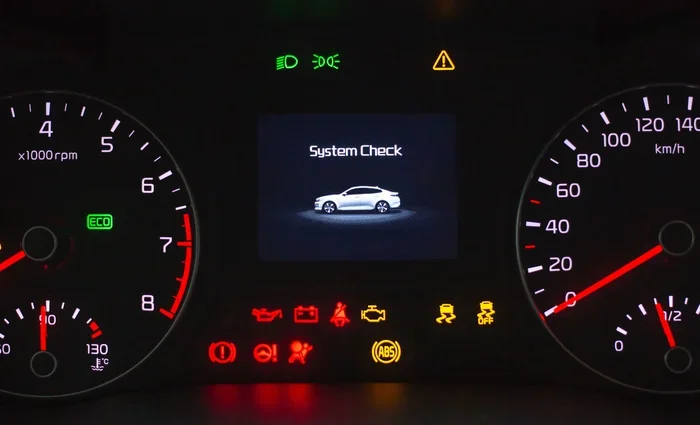
Many modern cars have a transmission warning light on the dashboard. It may look like a gear icon with an exclamation point. Some vehicles use a check-engine light instead. Do not ignore these warnings. They are designed to alert you to problems early. A warning light combined with any of the above symptoms strongly suggests low fluid or another issue.
Fluid Leaks Under the Car
Transmission fluid leaks are a direct cause of low levels. You might see a puddle of red or brownish fluid under your car. The fluid is slick and oily. It often collects near the center of the car, under the transmission pan. A small leak can become a big problem quickly. Even a few drops per day can drop the level enough to cause damage. Check your parking spot regularly for fresh leaks.
| Symptom | What It Feels Like | Urgency |
|---|---|---|
| Slipping Gears | Engine revs rise but car does not accelerate smoothly | High – stop and check fluid |
| Delayed Engagement | Long pause or revving before the car moves | High – check fluid immediately |
| Burning Smell | Sharp, acrid odor from the engine area | Critical – pull over safely |
| Warning Light | Gear icon or check-engine light on dash | Medium – inspect soon |
| Fluid Leak | Red or brown puddle under the car | High – check for source |
This table gives you a quick reference. If you notice any of these signs, do not wait. The sooner you address low fluid, the less damage you will face.
Quick Tip: Check Fluid When the Engine Is Warm
For the most accurate reading, check your transmission fluid after the engine has reached normal operating temperature. Drive the car for a few minutes, then park on a level surface. The fluid will be fully circulated and give you a true level. However, if you notice severe symptoms, check it right away even if the engine is cold. Safety first.
Common Mistake: Relying Only on the Warning Light
Some drivers assume the warning light will tell them everything. But by the time the light comes on, the fluid may already be dangerously low. Do not wait for a dashboard alert. Make it a habit to check your fluid level during routine oil changes or at least once a month. Proactive checks catch small leaks before they become big problems.
How to Check Your Transmission Fluid Level
Checking your transmission fluid is simpler than many people think. The process is similar to checking your engine oil. You will need a clean rag or paper towel and a few minutes. Here is a step-by-step guide.
Locate the Transmission Dipstick
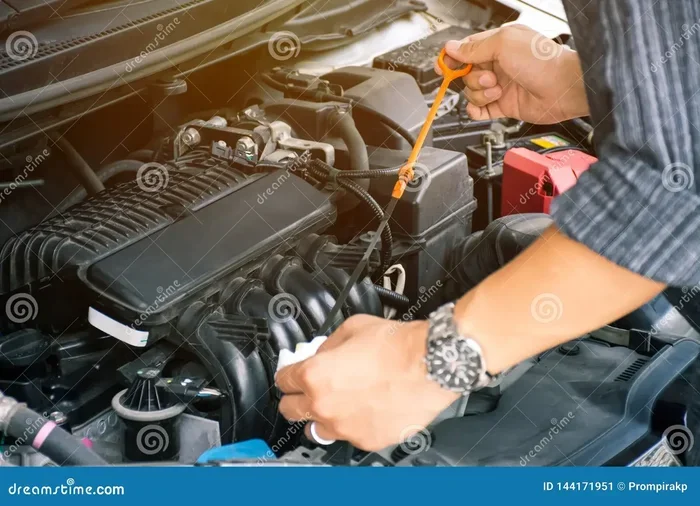
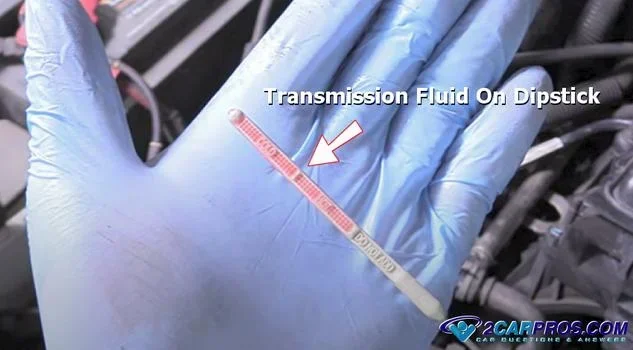
First, find the dipstick. In most front-wheel-drive cars, it is located near the front of the engine bay, often to the left or right of the oil dipstick. The handle is usually red or yellow, making it easy to spot. If you are not sure, consult your owner’s manual. Some newer vehicles do not have a dipstick at all. They have a sealed transmission that requires a scan tool or a visit to a shop. If your car has a dipstick, you are in luck.
Checking the Fluid Level
Follow these steps for an accurate reading:
- Park the car on a level surface and engage the parking brake.
- Start the engine and let it idle. Shift through all gears, then return to park.
- Wait a few minutes for the fluid to settle.
- Pull out the dipstick, wipe it clean with a rag.
- Reinsert the dipstick fully, then pull it out again.
- Look at the fluid level against the markings. There are usually two lines: “Full” and “Add” or “Min” and “Max”.
If the fluid is between the lines, your level is good. If it is at or below the “Add” line, you need to top up. If there is no fluid on the dipstick at all, the level is critically low.
Interpreting Fluid Color and Smell
The fluid should be clear red or pinkish. It should feel smooth and not have a burnt smell. Here is how to read the condition:
- Bright red – Fresh and healthy fluid.
- Light brown – Still okay, but consider a fluid change soon.
- Dark brown or black – Old, burnt fluid. It needs to be replaced.
- Milky or frothy – Water or coolant has mixed in. This is a serious problem.
If your fluid looks or smells bad, a simple top-up may not be enough. You will need a full transmission fluid change to flush out the old fluid and contaminants.
Expert Insight: The “Wipe and Reinsert” Method
Many people pull the dipstick once and read it without wiping. That can give a false reading because fluid clings to the stick. Always wipe it clean, reinsert it fully, and then check again. This simple habit ensures accuracy and prevents unnecessary fluid top-ups.
What Causes Transmission Fluid to Drop
Transmission fluid does not just disappear on its own. A drop in level always has a reason. Understanding the cause helps you fix the problem and prevent it from happening again.
External Leaks
The most common cause is a leak somewhere in the system. The transmission pan sits underneath the car and can be punctured by road debris. The pan gasket can wear out over time. Seal rings around the driveshaft or input shaft can also fail. Even a small crack in the transmission housing can cause a slow leak. Look for wet spots around the pan, the output shaft, and the cooler lines. A fluid leak is often the culprit when you find low fluid.
Internal Consumption
In rare cases, a transmission can consume small amounts of fluid internally. This usually happens when seals or piston rings are worn. The fluid passes through and burns off slightly. This is not common in well-maintained transmissions, but it does happen in high-mileage vehicles. If you keep topping up and the level drops again without any visible leak, an internal issue may be the cause.
Overheating
Overheating breaks down transmission fluid and can cause it to evaporate or burn off. Towing heavy loads, driving in stop-and-go traffic on hot days, or a malfunctioning cooling system can all lead to overheating. When the fluid overheats, it loses its protective properties. The transmission works harder, creating more heat. This cycle can quickly damage internal components like the torque converter and transmission solenoids.
Neglected Maintenance
Skipping regular transmission fluid changes is a silent killer. Old fluid becomes contaminated with metal shavings and clutch material. It loses its viscosity and ability to lubricate. This accelerates wear on the transmission filter and other parts. A clogged filter can restrict fluid flow, making the system work harder and use more fluid. Stick to the maintenance schedule in your owner’s manual.
Quick Tip: Use the Right Fluid
Not all transmission fluids are the same. Automatic transmissions require specific ATF formulations. Manual transmissions often use gear oil. Using the wrong fluid can cause slipping, overheating, and premature failure. Always check your owner’s manual for the correct specification. If you are unsure, ask a mechanic or check the fluid container label.
What to Do When Your Transmission Fluid Is Low
Finding low fluid does not mean panic. You have options, but you must act carefully. Here is what to do step by step.
Topping Up the Fluid Safely
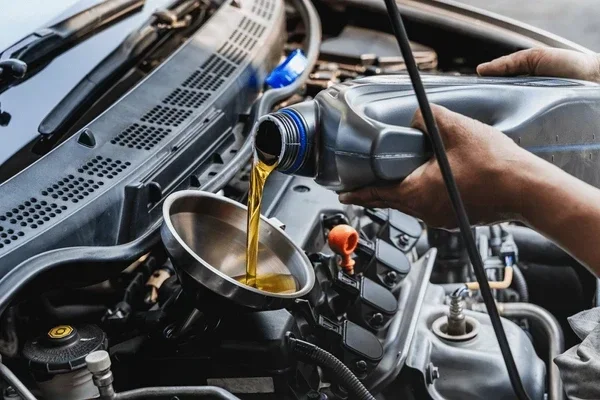
If the level is low but the fluid looks healthy, you can add more. Use the exact type of fluid specified in your owner’s manual. Insert a funnel into the dipstick tube and pour slowly. Add small amounts and recheck the level. Overfilling is just as bad as underfilling. Too much fluid can cause foaming and pressure buildup, which damages seals. Add fluid until it reaches the “Full” line on the dipstick. Remember that each vehicle has a specific transmission fluid capacity, so do not guess.
Finding and Fixing Leaks
If the fluid level drops again after you top up, you have a leak. Inspect the car underneath for wet spots. Common leak points include the transmission pan gasket, the output shaft seal, and the cooler lines. A small leak might be temporarily sealed with a stop-leak additive, but that is not a permanent fix. For a proper repair, take the car to a trusted mechanic. They can pressure-test the system and replace the faulty seal or gasket.
When to See a Mechanic
Some situations require professional help right away. If you have no fluid on the dipstick at all, do not drive the car. Running a transmission with zero fluid can destroy it in minutes. Also, if you notice grinding noises, complete gear failure, or a lot of slipping, stop driving and call for a tow. Continuing to drive on low fluid can turn a simple repair into a transmission rebuild cost that runs into thousands of dollars. A mechanic can diagnose the root cause and perform a proper transmission fluid change or repair.
Common Mistake: Overfilling the Fluid
It is tempting to add extra fluid just to be safe. But overfilling can cause serious problems. Excess fluid gets whipped into foam by the moving parts. Foamy fluid cannot transmit hydraulic pressure properly. It leads to erratic shifting, overheating, and seal damage. Always add fluid in small increments and check the level after each addition. Less is more when you are topping up.
Preventing Transmission Fluid Problems
The best way to deal with low fluid is to prevent it from happening. Regular maintenance and good driving habits keep your transmission healthy.
Stick to a Regular Maintenance Schedule
Your owner’s manual will recommend a transmission fluid change interval. For many cars, this is every 30,000 to 60,000 miles. Some newer vehicles claim “lifetime” fluid, but that is often marketing. Heat and contamination break down fluid over time. A periodic fluid and filter change removes harmful particles and restores protection. This simple service can extend the life of your transmission by tens of thousands of miles.
Check Fluid Levels Monthly
Make it a habit to check your transmission fluid once a month. It takes only two minutes. Park on a level surface, warm up the engine, and pull the dipstick. You will quickly learn what normal looks and smells like. Any change in color, smell, or level gives you an early warning. Catching a small leak early can save you from a major repair bill.
Drive Gently to Reduce Stress
Harsh driving habits wear on the transmission. Avoid sudden acceleration and heavy braking. When towing, use the proper gear and do not exceed your vehicle’s towing capacity. In hot weather, give your car extra time to cool down before shutting it off. These simple habits reduce heat and friction, keeping the fluid in good condition longer.
Expert Insight: Transmission Cooling
If you regularly tow or haul heavy loads, consider adding an external transmission cooler. Factory coolers are often small and can be overwhelmed under heavy load. An aftermarket cooler keeps the fluid temperature in the safe range. This alone can dramatically extend the life of your transmission and its fluid. It is a small investment that pays off big.
Conclusion
Knowing how to know if transmission fluid is low is an essential skill for every car owner. You now understand the key warning signs like slipping gears, delayed engagement, and burning smells. You know how to check the dipstick and interpret the fluid condition. You also know what causes low fluid and how to address it safely. By staying proactive with regular checks and maintenance, you can avoid expensive repairs and keep your transmission running smoothly for years. Do not ignore the symptoms. Take action today, and your car will thank you tomorrow.
Frequently Asked Questions
Can I drive my car if the transmission fluid is low?
You should avoid driving if the fluid is very low or empty. Even a short trip can cause serious internal damage. If you must move the car, push it to a safe spot and call for a tow. Continuing to drive on low fluid can destroy the transmission.
How often should I check my transmission fluid?
Check it at least once a month and before any long trips. It is a quick check that takes only a couple of minutes. Regular checks help you catch leaks early before they become big problems.
What color should transmission fluid be?
Healthy automatic transmission fluid is clear red or pinkish. It should not be dark brown, black, or milky. Dark color means the fluid is old and burnt. Milky fluid indicates water contamination, which is a serious issue that needs immediate attention.
Does low transmission fluid mean I need a rebuild?
Not necessarily. Low fluid often comes from a small leak or neglected maintenance. Topping up and fixing the leak can resolve the issue. However, if you have driven with low fluid for a long time, internal damage may have already occurred. A mechanic can assess the extent of the damage.
Can I use any transmission fluid to top up?
No, always use the exact type specified in your owner’s manual. Automatic and manual transmissions use different fluids. Even within automatic transmissions, there are many specific formulations. Using the wrong fluid can cause slipping, overheating, and premature failure.
What is the average cost of a transmission fluid change?
A routine fluid and filter change typically costs between $100 and $300, depending on your vehicle. A full transmission rebuild can cost anywhere from $1,800 to $3,500 or more. Regular fluid changes are a small price to pay compared to a rebuild.