How to Tell If Your Cabin Air Filter Needs Replacing
A dirty cabin air filter can make your car smell musty and reduce airflow. This guide shows you 5 clear signs it is time for a replacement. You will learn how to check the filter yourself and save money on DIY cabin filter replacement.
Your car’s cabin air filter works hard every day. It traps dust, pollen, and debris before they reach your lungs. Over time, this filter gets clogged and stops working well. Many drivers ignore it until the problem becomes obvious. A dirty cabin filter can make driving uncomfortable and even unhealthy.
Learning to spot the early warning signs saves you money and keeps your car’s air clean. You do not need a mechanic to check this simple part. With a little knowledge, you can handle the job yourself. This guide walks you through every step clearly.
We will cover what a cabin air filter does, how to spot a failing one, and when to replace it. You will find practical tips for checking the filter and choosing the right replacement. Let us keep your car’s air fresh and your family breathing easy.
Key Takeaways
- 5 clear warning signs: musty odor, weak airflow, allergy flare-ups, strange noises, and visible dirt tell you it is time to replace the cabin air filter.
- Check it yourself: You can inspect and swap the filter in under 15 minutes with basic tools.
- Replacement frequency matters: Most cars need a new cabin filter every 12,000 to 15,000 miles, but conditions can shorten that interval.
- DIY saves money: Replacing the filter at home costs a fraction of a shop visit.
- Right filter choice: Pick the correct size and type for your vehicle model to ensure proper fit and filtration.
- Preventive habits: Parking in shaded areas and avoiding dusty roads can extend filter life.
📑 Table of Contents
- What Is a Cabin Air Filter and Why It Matters
- 5 Clear Signs Your Cabin Air Filter Needs Replacing
- How Often Should You Replace Your Cabin Air Filter?
- Step-by-Step: How to Check Your Cabin Air Filter
- DIY Replacement vs. Professional Service
- Preventive Tips to Keep Your Cabin Air Filter Fresh Longer
- Common Mistakes People Make with Cabin Air Filters
- Conclusion
What Is a Cabin Air Filter and Why It Matters
The cabin air filter cleans the air that enters your car’s interior. It sits behind the glove box or under the hood. Think of it as a sieve for your vehicle’s breathing system. It catches pollen, dust, mold spores, and even tiny bugs. Without it, your AC filter would push all that junk straight into the cabin.
Many people confuse the cabin filter with the engine air filter. They are different parts. The engine air filter cleans air for combustion. The cabin filter cleans air for you to breathe. Both are vital, but they serve separate jobs. A clogged cabin air filter strains the HVAC system. That can lead to weak airflow and higher energy use.
During allergy season, a clean pollen filter makes a huge difference. It traps airborne particles before they enter your nose. If you drive with kids or pets, this filter works even harder. Pet dander and dust build up fast. Regular checks keep the air quality inside your car healthy.
5 Clear Signs Your Cabin Air Filter Needs Replacing
Your car often gives you hints before the filter fully fails. Watch for these five warning signs. Catching them early prevents bigger problems and keeps your cabin air filter working at its best.
Musty Odor Coming from the Vents
A stale, moldy smell when you turn on the fan is a red flag. A dirty cabin filter traps moisture and organic matter. That creates the perfect home for mold and bacteria. The odor spreads every time you use the heating or cooling system. If you notice a musty smell, inspect the filter right away. Replacing it often eliminates the smell completely.
Weak Airflow from the AC or Heater
When the cabin air filter gets clogged with dust and debris, air struggles to pass through. You may notice weak airflow even on high fan settings. The vents might feel like they are barely breathing. This puts extra strain on the blower motor. Over time, that strain can lead to costly repairs. A clean cabin filter allows air to flow freely and keeps your system efficient.
Increased Allergy Symptoms Inside the Car
If you or your passengers start sneezing, itching, or coughing inside the car, the filter could be the cause. A worn cabin air filter lets allergens like pollen and dust pass through. You might notice more allergy symptoms during spring or fall. This is a clear sign the filter is no longer trapping particles. Swapping it out can bring quick relief for sensitive noses.
Unusual Noises from the HVAC System
Strange whistling or rattling sounds when the fan runs can point to a clogged filter. The HVAC system works harder to push air through a dirty cabin filter. That extra effort creates noise. You might hear a whistling sound near the vents or a rattling under the dashboard. Ignoring these sounds can wear out the blower motor. A simple filter change often solves the problem.
Visible Dirt and Debris on the Filter
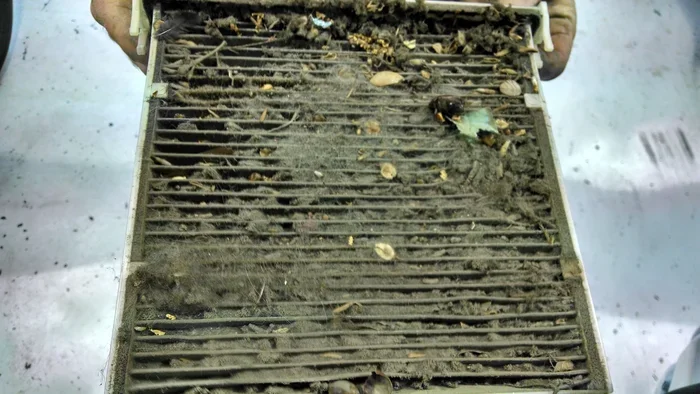
The best way to know is to look at the filter itself. When you open the housing, a healthy cabin air filter looks off-white or light gray. If it appears dark brown or black with visible dirt, it needs replacing. You may see leaves, twigs, or dust packed into the pleats. A dirty cabin filter loses its ability to clean the air. Do not wait for this visual check to become your only clue.
How Often Should You Replace Your Cabin Air Filter?
Most manufacturers recommend replacing the cabin air filter every 12,000 to 15,000 miles. However, real-world conditions can change that timeline. Your driving environment plays a big role in how fast the filter fills up.
Manufacturer Recommendations vs. Real-World Conditions
Check your owner’s manual for the factory replacement interval. That number assumes ideal driving conditions. If you often drive on dirt roads or in dusty areas, the filter clogs faster. City driving with lots of stop-and-go traffic also adds strain. Heavy pollen seasons, construction zones, and forest fire smoke all shorten the filter’s life. In these cases, you may need to replace the cabin filter every 6,000 to 8,000 miles.
As a rule of thumb, inspect the filter at every oil change. This simple habit keeps you ahead of buildup. Many quick-lube shops can check it for free. If you live in a dry, dusty climate, consider a HEPA filter upgrade. These filters trap smaller particles and last a bit longer under harsh conditions.
Step-by-Step: How to Check Your Cabin Air Filter
Checking the cabin air filter is one of the easiest maintenance tasks. You do not need special tools or mechanical skills. Most cars make the filter easy to access. Follow these simple steps to inspect it yourself.
Locating the Filter Housing
Start by opening the glove box. In many vehicles, the cabin filter sits directly behind it. Push the glove box in and look for a rectangular cover with clips or screws. Some cars hide the filter behind a panel under the hood, near the windshield base. Your owner’s manual will show the exact location. If you are unsure, a quick online search for your car model and year will help.
What to Look for During Inspection
Once you open the housing, gently pull out the filter. Hold it up to a light source. If light passes through easily, the filter is still clean enough. If it looks dark and blocks the light, it is time for a new one. Check both sides of the filter for dust buildup and debris. Look for any moisture or mold spots. A damp, dirty filter means it is time to replace it. Note the airflow direction arrow printed on the old filter. You will need to match that arrow when installing the new one.
DIY Replacement vs. Professional Service
Deciding between doing it yourself or visiting a shop depends on your comfort level. Both options have clear advantages. Understanding them helps you choose the best path for your cabin air filter replacement.
Cost Comparison and Time Savings
A new cabin filter costs between $15 and $40 for most vehicles. You can buy one at any auto parts store or online. Professional replacement often adds a labor fee of $30 to $75. That means a DIY job can save you up to $75. The entire process takes about 10 to 15 minutes at home. You simply swap the old filter for the new one and snap the cover back on.
If you prefer not to get your hands dirty, a quick service visit is fine. Many tire shops and dealerships offer cabin air filter replacement as a standalone service. They will also check the filter condition for you. Either way, the important thing is to stay on top of it. Skipping this simple task can lead to HVAC system problems and poor air quality.
Preventive Tips to Keep Your Cabin Air Filter Fresh Longer
A little prevention goes a long way. You can extend the life of your cabin air filter with a few smart habits. These tips help you get the most miles out of each filter.
Driving Habits That Help
Try to avoid driving behind dusty trucks or construction vehicles when possible. Close the windows in heavy traffic or on gravel roads. Using the recirculate setting on your AC can reduce the amount of outside debris entering the system. During spring maintenance and fall cleanup, run the AC filter on fresh air mode for a few minutes after driving through dusty areas. This helps clear any particles that may have entered the housing.
Choosing the Right Replacement Filter
Not all cabin air filters are the same. Some are standard particle filters. Others include activated carbon layers to absorb odors and exhaust fumes. If you live in a busy city with heavy traffic, a carbon-based filter can improve air quality inside your car. For allergy sufferers, a HEPA filter captures the finest particles. Always match the filter to your vehicle’s make, model, and year. Using the wrong size can leave gaps and reduce effectiveness.
Common Mistakes People Make with Cabin Air Filters
Even well-meaning car owners sometimes make mistakes with their cabin air filter. Avoiding these pitfalls keeps your system running smoothly and your air clean.
One common error is forgetting to check the filter altogether. Many drivers do not even know their car has a cabin filter. Another mistake is installing the filter backward. The airflow direction arrow must point in the correct direction. A backward filter restricts airflow and does not trap particles properly. Some people reuse a washed filter, but most cabin filters are not designed for washing. They lose their structure and filtration ability when wet. Always use a new, dry filter that matches the specifications in your owner’s manual.
Conclusion
Your cabin air filter plays a big role in your daily driving comfort. It keeps the air clean, reduces allergens, and helps the HVAC system work efficiently. Watching for the five clear signs of a failing filter saves you time and money. A quick check takes only minutes and can be done at home. Replacing a dirty cabin filter is one of the simplest and most rewarding maintenance tasks you can do. Stay proactive, and your car will reward you with fresh, healthy air every time you hit the road.
Frequently Asked Questions
How do I know if my cabin air filter is clogged?
Look for weak airflow from the vents, a musty odor, or increased allergy symptoms inside the car. You can also pull out the filter and check for visible dirt and darkness. If light cannot pass through easily, it is clogged and needs replacing.
Can I drive with a bad cabin air filter?
Yes, you can drive, but it is not comfortable or healthy. A bad filter reduces air quality, strains the blower motor, and can cause musty smells. Replacing it promptly restores clean air and protects your HVAC system.
What happens if you never change the cabin air filter?
Over time, the filter becomes completely clogged with dust, pollen, and debris. This restricts airflow, makes the HVAC work harder, and can lead to blower motor failure. The air inside the car becomes stale and may harbor mold and allergens.
Is a cabin air filter the same as a pollen filter?
Yes, the terms are often used interchangeably. A pollen filter is designed to trap pollen, dust, and other airborne particles. Some premium versions include activated carbon to also reduce odors and exhaust fumes.
How much does it cost to replace a cabin air filter?
The filter itself costs between $15 and $40. If you do it yourself, you pay only for the part. A shop may charge an additional $30 to $75 for labor. Doing it at home is the most cost-effective option.
Can a dirty cabin air filter cause AC problems?
Yes, a clogged filter restricts airflow over the evaporator coils. This can cause the AC to blow weakly or freeze up. It also makes the system work harder, which can lead to premature wear on the blower motor and other components.