How to Turn Off Traction Control in Volkswagen Passat
Knowing how to turn off traction control in Volkswagen Passat is a practical skill every driver should have. Whether you are stuck in snow, navigating icy roads, or heading off-road, disabling the traction control system gives you more wheel freedom. This guide covers step-by-step instructions for every Passat model year, safety tips, and common mistakes to avoid.
You are driving your Volkswagen Passat on a wet road, and you feel the wheels starting to spin. Or maybe you are stuck in snow and need a little more wheel slip to get moving. In moments like these, knowing how to turn off traction control in Volkswagen Passat can make all the difference.
Traction control is a great safety feature for everyday driving. But there are times when you need to disable traction control in your Passat. Whether you are navigating icy roads, trying to rock your car out of snow, or heading off-road, having the ability to turn off the traction control system gives you more control over your vehicle.
In this guide, we will walk you through everything you need to know. You will learn exactly where the traction control button is located in different Passat model years. We will explain when it is safe to turn off traction control and when you should leave it on. You will also discover common mistakes, troubleshooting tips, and expert advice that will keep you safe on the road.
By the end of this article, you will feel confident about disabling traction control in your Volkswagen Passat whenever the situation calls for it. Let us get started.
Key Takeaways
- Know Your Button Location: The traction control switch location varies by Passat model year, so familiarize yourself with where it is in your specific car.
- Turn It Off Only When Needed: Disable traction control for snow, off-road, or rock crawling situations, and always turn it back on for normal driving.
- Understand the Difference Between Traction Control and ESP: These are separate systems, and turning one off does not always turn the other off.
- Check Your Dashboard: The warning light tells you the system status. Never ignore a persistent traction control light.
- Reset the System When Needed: A battery disconnect can often resolve temporary traction control faults and reset the VAG system.
- Drive Safely With Traction Control Off: Without the system active, you are responsible for managing wheel slip manually, so drive cautiously.
- Regular Maintenance Matters: Keep your wheel speed sensors clean and your brake fluid at proper levels to ensure the traction control system works reliably.
📑 Table of Contents
- What Is Traction Control and Why Would You Want to Turn It Off?
- How the Traction Control System Works in Your Volkswagen Passat
- Step-by-Step Guide to Turn Off Traction Control in Your Passat
- When Should You Disable Traction Control?
- Common Mistakes People Make When Turning Off Traction Control
- Troubleshooting Traction Control Problems in the Passat
- Expert Tips for Safe Driving With Traction Control Off
- Conclusion
What Is Traction Control and Why Would You Want to Turn It Off?
Traction control is an electronic system designed to prevent your wheels from slipping when you accelerate. It works by reducing engine power or applying the brakes to individual wheels. This helps keep your Volkswagen Passat stable on slippery surfaces like wet pavement, ice, or loose gravel.
Most modern cars come with traction control enabled by default. The system uses sensors to detect wheel slip and responds in milliseconds. For normal driving conditions, this is a fantastic safety feature. It helps prevent accidents and keeps your car tracking straight.
But traction control is not always helpful. There are specific situations where having it active can actually work against you. For example, if your car is stuck in deep snow, traction control may cut engine power before your wheels can build enough momentum to move forward. In these cases, turning off traction control allows your wheels to spin freely and find traction.
Similarly, when you are driving on loose gravel or sand, a little wheel spin can actually help you maintain momentum. Traction control fights against this, which can leave you stuck. Understanding when to disable traction control is a valuable skill for any Passat owner.
How Traction Control Differs from Electronic Stability Control
People often confuse traction control with electronic stability control (ESC). While they work together, they serve different purposes. Traction control focuses on preventing wheel spin during acceleration. Electronic stability control helps you maintain direction when you are turning or swerving.
Your Volkswagen Passat has both systems built into the VAG (Volkswagen Audi Group) platform. When you press the traction control button, you typically only disable the traction portion. The stability control system may still remain partially active. This is an important distinction to understand.
The ESP (Electronic Stability Program) system uses the same sensors as traction control. It monitors steering angle, yaw rate, and individual wheel speeds. When it detects a loss of direction, it applies brakes to specific wheels to help you stay on course. Turning off traction control does not always turn off ESP entirely.
How the Traction Control System Works in Your Volkswagen Passat
Understanding how the system works helps you know exactly what happens when you turn off traction control. The traction control system in your Passat relies on several components working together seamlessly.
First, the traction control sensors monitor each wheel’s speed. If one wheel starts spinning faster than the others, the system kicks in. It can reduce engine power by limiting fuel injection or retarding ignition timing. In some cases, it applies the brake to the spinning wheel to slow it down.
The system also communicates with the ABS (anti-lock braking system). Both systems share the same sensors and hydraulic unit. This means that when traction control activates, you might feel a slight vibration in the brake pedal. That is normal and means the system is doing its job correctly.
Key Components of the Traction Control System
Here are the main parts that make up the traction control system in your Passat:
- Wheel speed sensors – These monitor how fast each wheel is spinning and send data to the engine control module.
- Engine control module (ECM) – This processes sensor data and adjusts engine power output accordingly.
- Brake actuator – This applies braking force to individual wheels when the system detects slip.
- Dashboard warning light – This alerts you when the system is active or has detected a fault.
- Traction control switch – This is the button you press to disable traction control manually.
All of these components work together seamlessly in the background. You usually never notice them unless the system activates suddenly or you decide to turn off traction control manually. Knowing what each part does helps you troubleshoot issues more effectively.
Traction Control Behavior Across Passat Model Years
The way traction control operates can vary slightly depending on your Passat model year. Here is a quick comparison of how the system works across different generations:
| Model Year | Traction Control Type | Switch Location | Default Behavior |
|---|---|---|---|
| Passat B6 (2006-2010) | Standard ESP-based | Center console near shifter | Always on until manually switched off |
| Passat B7 (2011-2014) | Advanced ESP with cross-traffic assist | Dashboard left of steering column | On by default, button toggles off |
| Passat B8 (2015-2023) | Smart ESP with driving mode select | Steering wheel controls or center console | On by default, can be toggled per driving mode |
As you can see, the traction control button location changes across Passat generations. If you are not sure where yours is, check your owner’s manual. The VAG system in newer Passats also integrates traction control with driving modes like Normal, Sport, and Off-Road. This gives you even more flexibility in how you manage wheel traction.
Step-by-Step Guide to Turn Off Traction Control in Your Passat
Now let us get into the practical part. Here is exactly how to turn off traction control in Volkswagen Passat for different model years. The process is straightforward, but the button location varies depending on your specific car.
For Passat B6 and B7 Models
Follow these steps to disable traction control in older Passat models:
- Start your engine and let the car idle for a few seconds.
- Look for the traction control button on the center console. It is usually near the gear shifter.
- The button typically has a symbol that looks like a car with squiggly lines behind it. This represents wheel slip.
- Press the button once. You should see a light appear on the dashboard.
- The dashboard warning light confirms that traction control is off.
- Drive carefully. The system is now disabled, and you have full control over wheel spin.
Quick Tip: If you cannot find the button, check your owner’s manual. Some B6 and B7 models have the switch inside the glove box area or on the dash panel to the left of the steering column. The exact location can vary depending on the trim level and optional packages installed on your vehicle.
For Passat B8 and Newer Models
The B8 Passat makes it even easier to turn off traction control:
- Press the driving mode button on the steering wheel or center console.
- Scroll through the driving modes until you reach “Off-Road” or a mode that disables traction interventions.
- Some B8 models have a dedicated traction control off button on the center console.
- Press and hold the button for two seconds to fully disable the traction control system.
- Check the instrument cluster for a confirmation message or warning light.
- You are now ready to drive with traction control turned off.
Quick Tip: In B8 Passats with the digital cockpit display, you can customize which systems are active. Go to the vehicle settings menu and look for “Driving Assistance” to adjust traction control preferences. This is especially handy if you frequently switch between on-road and off-road driving conditions.
What to Do If the Button Does Not Work
Sometimes the traction control button may not respond when you press it. Here is what you can try before assuming something is broken:
- Check if the engine is running. The button usually only works when the engine is on.
- Make sure you are not in a safety mode. Some Passats prevent you from disabling safety systems when the car detects a fault.
- Try pressing and holding the button for a few seconds rather than a quick tap.
- If nothing works, the traction control sensor may have a fault. Have a mechanic scan the VAG system for error codes.
When Should You Disable Traction Control?
Knowing when to turn off traction control is just as important as knowing how. Using this feature at the wrong time can be dangerous. Here are the situations where disabling traction control makes the most sense.
Driving on Snow and Ice
When your Passat is stuck in snow, traction control can actually prevent you from moving forward. The system detects wheel spin and cuts engine power. But sometimes, a little spin is exactly what you need to build momentum and break free from a snowbank.
Turning off traction control in snow allows your wheels to spin and dig into the snow. This works especially well when you are trying to rock the car back and forth to create a path forward. Just remember to turn it back on once you are moving safely and steadily.
Expert Insight: On ice roads, some drivers prefer to start in second gear rather than first. This reduces the torque sent to the wheels and can help prevent spin even with traction control active. Combining this technique with disabling traction control gives you the best chance of moving forward in deep snow.
Off-Road and Loose Surface Driving
Off-road driving is one of the best reasons to disable traction control in your Passat. On loose gravel, mud, or sand, the system can interfere with your ability to maintain momentum. Wheel spin on these surfaces is natural and often helpful for forward progress.
When traction control is active, it may brake individual wheels constantly, which can overheat your brakes and drain your battery. Turning it off gives you smoother control and prevents unnecessary wear on your braking system.
Rock Crawling and Low-Speed Maneuvering
If you enjoy rock crawling or navigating steep inclines, you need precise control over wheel spin. Traction control can be unpredictable in these situations. It might cut power at the wrong moment, leaving you stranded on a hill or incline.
Disabling traction control allows you to manage wheel grip manually. You can feather the throttle and use your judgment to find the right amount of wheel slip for each situation. This is especially useful when navigating uneven terrain or crossing rocky obstacles.
Performance Driving and Track Days
Some Passat enthusiasts enjoy taking their car to the track. On a racetrack, traction control can limit your acceleration and affect your lap times. Experienced drivers often prefer to turn off traction control for more predictable wheel behavior under hard acceleration.
However, track driving requires skill and experience. Never disable safety systems if you are not comfortable with the risks. Always wear proper safety gear and drive within your limits. Remember that turning off traction control on a public road is different from doing so on a controlled track environment.
Common Mistakes People Make When Turning Off Traction Control
Turning off traction control is simple, but there are mistakes that many drivers make. Avoiding these errors will keep you safe and protect your Passat from unnecessary damage.
Forgetting to Turn It Back On
This is the most common mistake. You turn off traction control for a specific situation and then forget to turn it back on. Driving with traction control disabled on wet highways or rainy days significantly increases your risk of accidents and loss of control.
Make it a habit to check your dashboard after you are done with the situation that required disabling the system. The warning light should remind you, but it is easy to ignore after a while. Get into the routine of checking before you merge onto a highway or enter a busy intersection.
Turning It Off at High Speeds on Pavement
Disabling traction control on dry pavement at high speeds is dangerous. The system is designed to help you maintain control during emergency maneuvers. Without it, your wheels can spin uncontrollably during hard acceleration, causing you to lose direction and stability.
Only turn off traction control when you are at low speeds or on surfaces where wheel slip is expected and manageable. Never disable it on dry highways or during aggressive cornering at speed.
Ignoring the Dashboard Warning Light
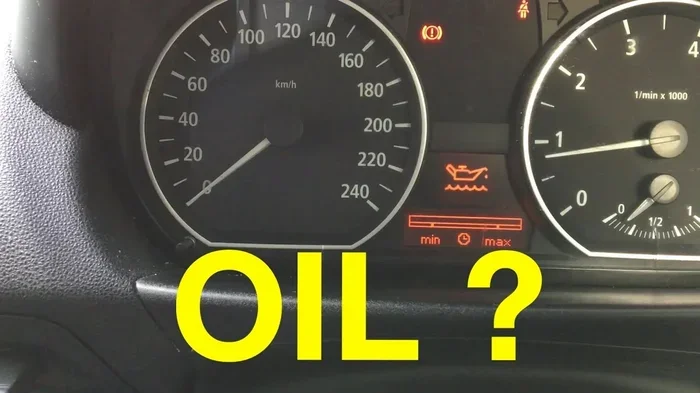
When the traction control warning light stays on, it is trying to tell you something. It could mean the system has been manually disabled, or it could indicate a fault in the traction control sensor or ABS system.
If the light stays on even after you have turned the system back on, do not ignore it. Have your Passat checked by a qualified mechanic. A persistent warning light could mean a deeper issue with the VAG system electronics that could affect other safety features.
Confusing Traction Control Off with ESP Off
Some Passat models have separate switches for traction control and ESP. Turning off one does not necessarily turn off the other. This can be confusing if you do not check which systems are currently active.
Always verify on your dashboard which safety systems are currently disabled. Understanding the difference between traction control and electronic stability control will help you make better driving decisions and avoid dangerous situations.
Troubleshooting Traction Control Problems in the Passat
Sometimes the traction control system in your Passat may not work as expected. Here are common issues and how to address them effectively.
Traction Control Warning Light Stays On
If the warning light remains illuminated even after you have toggled the system, there could be several causes:
- A faulty traction control sensor on one of the wheels
- Low brake fluid level affecting the ABS and traction control hydraulic unit
- A wiring issue in the VAG system harness
- A problem with the engine control module that affects power delivery
The first step is to have a diagnostic scan performed. A VAG-compatible scan tool can read the specific error codes and pinpoint the issue quickly. Many auto parts stores offer free diagnostic scans that can give you a good starting point.
Traction Control Keeps Turning Itself Off
Some Passat owners report that traction control disables itself unexpectedly. This is often caused by a traction control sensor sending inconsistent readings. The system may interpret this as a fault and shut down automatically to protect you.
Check your wheel speed sensors for dirt or damage. A simple cleaning with a soft cloth can sometimes resolve the issue. If not, the sensor may need replacement. This is a relatively affordable repair and is well worth the cost for the safety it restores.
Traction Control Does Not Reactivate After Turning It Back On
If you press the button to re-enable traction control but the system does not respond, try these steps:
- Turn the engine off and wait 30 seconds.
- Restart the engine and check if the warning light has cleared.
- Press the traction control button again.
- If the light still does not go away, there may be a deeper electrical fault.
- Visit a Volkswagen dealership or qualified mechanic for a full system check.
Expert Insight: In many cases, a simple battery disconnect and reconnect can reset the traction control system. Disconnect the negative battery terminal for five minutes, then reconnect it. This resets the ECU and often clears temporary faults that prevent the system from reactivating properly.
Expert Tips for Safe Driving With Traction Control Off
Driving your Passat with traction control disabled requires extra attention and care. Here are some expert tips to help you stay safe.
Reduce your speed. Without traction control, your wheels can spin more easily on slippery surfaces. Slow down and give yourself more time to react to changing road conditions. This is especially important on wet or icy roads.
Accelerate gently. When traction control is off, you need to be much more gentle with the throttle. Sudden acceleration can cause the wheels to spin and send you sliding. Smooth, gradual inputs give you much better control.
Turn it back on as soon as conditions improve. The moment you are out of the snow, off the gravel, or done with your off-road maneuver, re-enable traction control. It is there to protect you during everyday driving, and you should not drive without it longer than necessary.
Keep your tires in good condition. Proper tire tread and inflation are even more important when traction control is disabled. Worn tires reduce your ability to maintain grip, which is your only safety net when the electronic systems are turned off.
Know your limits. Even with traction control off, you should never push your Passat beyond what the road conditions and your skill level allow. Disabling traction control gives you more control, but it does not make your car invincible. Drive smart and stay safe.
Conclusion
Learning how to turn off traction control in Volkswagen Passat is a straightforward process that every Passat owner should know. Whether you are dealing with deep snow, loose gravel, or a track day, being able to disable traction control gives you the flexibility to handle challenging driving situations with confidence.
Remember to always check your dashboard and turn the system back on when conditions return to normal. Keep your sensors clean, your brake fluid topped off, and your tires in good shape. These simple habits will ensure that your traction control system works reliably whenever you need it.
Use this guide as your reference anytime you need to turn off traction control in your Volkswagen Passat. Drive safely, stay aware, and enjoy the added control that comes with understanding your vehicle’s systems.
Frequently Asked Questions
Can I Turn Off Traction Control While Driving?
Yes, you can turn off traction control in Volkswagen Passat while driving. Simply press the traction control button and the system will disable immediately. However, you should only do this when road conditions require it, such as when you are stuck in snow or driving on loose surfaces. Always turn it back on when conditions improve.
Will Turning Off Traction Control Damage My Passat?
No, turning off traction control will not damage your Volkswagen Passat. The system is designed to be toggled on and off as needed. However, driving without traction control on slippery surfaces does increase the risk of accidents. Use the feature responsibly and only disable it when necessary.
Where Is the Traction Control Button on a Volkswagen Passat?
The button location depends on your Passat model year. In B6 and B7 models, it is usually on the center console near the gear shifter. In B8 models, it may be on the center console or accessible through the steering wheel driving mode controls. Check your owner’s manual for the exact location in your specific vehicle.
What Does the Traction Control Warning Light Look Like?
The traction control dashboard warning light typically looks like a car with squiggly lines behind the wheels. When the light is illuminated, it means the system is either disabled or has detected a fault. If the light stays on after you turn the system back on, have your Passat inspected by a mechanic.
Do I Need to Turn Off Traction Control for Snow Driving?
It depends on the situation. If your Passat is stuck in snow and the wheels are spinning without gaining traction, turning off traction control can help by allowing the wheels to spin freely and build momentum. However, if you are driving on lightly snow-covered roads, it is safer to keep traction control enabled.
Can a Faulty Traction Control Sensor Cause the System to Stay Off?
Yes, a faulty traction control sensor can prevent the system from working properly. If the sensor sends inconsistent readings, the VAG system may disable traction control automatically as a safety precaution. In this case, you will need to have the sensor diagnosed and replaced by a qualified technician.