Is the Master Warning Light Bad and Should You Worry
The master warning light is a dashboard alert that signals something needs attention in your vehicle. It is not always a sign of serious damage, but you should never ignore it. This light can mean anything from a loose gas cap to a critical engine problem. Understanding what triggers the master warning light helps you stay safe and avoid costly repairs. In this guide, we break down everything you need to know about this important dashboard indicator.
You are driving down the road, and suddenly a strange symbol lights up on your dashboard. Your heart skips a beat. What does it mean? Is something broken? Should you pull over right now? The master warning light is one of the most confusing symbols on any dashboard. It pops up without warning and leaves many drivers feeling anxious and unsure. In this article, we will explain exactly what the master warning light means, why it comes on, and whether you should actually worry about it.
Dashboard warning lights are your car’s way of communicating with you. They are designed to keep you safe and help you catch problems early. The master warning light acts as a general alert that something in your vehicle needs attention. Some causes are harmless and easy to fix. Others can signal serious mechanical issues that need immediate care. Either way, understanding this light is one of the best things you can do as a car owner. Let us dive into everything you need to know.
Key Takeaways
- The master warning light is a general alert: it tells you something in your vehicle needs attention but doesn’t specify exactly what.
- It can range from minor to serious: causes include simple fixes like a loose gas cap or major issues like engine failure.
- Red and amber lights mean different things: red signals urgent danger while amber means you should get it checked soon.
- Never ignore the warning: driving with an active master warning light can lead to engine damage or unsafe driving conditions.
- Quick action saves money: addressing the problem early prevents expensive repairs down the road.
- Use your owner’s manual: it contains specific information about every dashboard symbol in your vehicle.
📑 Table of Contents
- What Does the Master Warning Light Mean?
- Common Reasons the Master Warning Light Comes On
- Is the Master Warning Light Dangerous?
- Red vs Amber Warning Lights: What Is the Difference?
- What to Do When the Master Warning Light Comes On
- How to Prevent Master Warning Light Issues
- Common Mistakes Drivers Make When the Warning Light Comes On
- Expert Insights on Dashboard Warning Lights
- Key Takeaways
- Conclusion
What Does the Master Warning Light Mean?
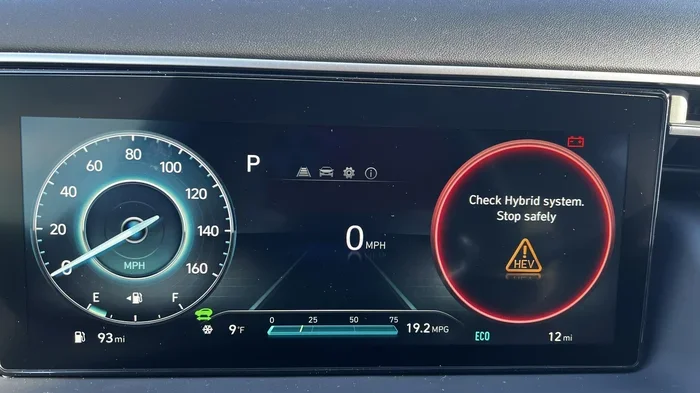
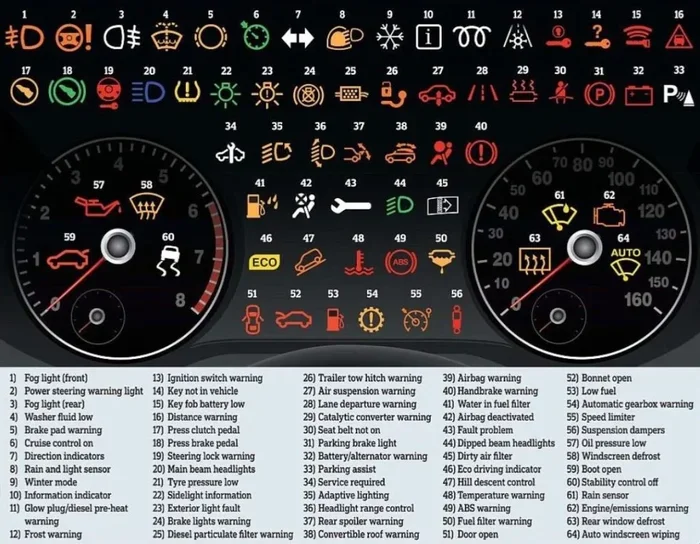
The master warning light is a broad dashboard indicator that something is not right with your vehicle. Unlike other warning lights that point to a specific system, the master warning light is more general. It acts like a catch-all alert that tells you to pay attention. The light usually looks like a circle with an exclamation mark inside. Sometimes it comes with a text message on the digital display. The exact meaning depends on your car’s make and model.
Every modern vehicle has a complex network of sensors. These sensors monitor things like engine temperature, oil pressure, fuel levels, and brake health. When a sensor detects something outside the normal range, it triggers the master warning light. Think of it as your car raising its hand and saying, “Hey, check me out.” The light itself does not tell you the exact problem. That is why it is so important to investigate further when it appears.
How Dashboard Warning Lights Work
Your car’s dashboard cluster contains many different symbols. Each one is tied to a specific system or component. For example, the battery light tells you about electrical issues. The oil can symbol points to low oil pressure. The master warning light is different because it covers a wider range of possible problems. It often appears alongside other specific warning lights. When the master light comes on, it is telling you that one or more other alerts are active.
Most cars use a color-coded system for warning lights. Green and blue lights usually mean a system is active but not a problem. Yellow or amber lights suggest something needs attention soon. Red lights signal urgent danger. The master warning light can appear in different colors depending on the severity of the issue. A red master warning light demands immediate action. An amber one means you should get it checked at your earliest convenience.
Common Reasons the Master Warning Light Comes On
There are many reasons the master warning light might activate. Some are very simple to fix. Others require professional attention. Let us look at the most common causes so you can better understand what might be happening under your hood.
Loose or Faulty Gas Cap
This might surprise you, but a loose gas cap is one of the most common triggers for the master warning light. Your fuel system relies on proper pressure to work efficiently. When the gas cap is not tight, it throws off that pressure. The sensors pick up this change and send an alert. Before you panic, try tightening your gas cap. If that was the issue, the light should turn off after a few driving cycles.
Low Oil Pressure
Oil is the lifeblood of your engine. It keeps all the moving parts lubricated and running smoothly. When oil pressure drops too low, it can cause serious engine damage. The master warning light will often come on when oil levels are critically low. This is one of the more serious triggers. If you see this light and your oil pressure gauge is in the red zone, pull over safely and turn off the engine. Check your oil level and add more if needed. But if the problem persists, do not keep driving.
Overheating Engine
Engines generate a lot of heat. The cooling system keeps temperatures in check. When the cooling system fails or coolant levels drop too low, the engine can overheat. An overheating engine is one of the most dangerous situations you can face while driving. The master warning light will often appear alongside the temperature gauge warning. If your engine is overheating, stop driving immediately. Let it cool down and seek professional help. Continuing to drive can destroy your engine.
Brake System Issues
Your brakes are arguably the most important safety feature in your car. The master warning light can activate when there is a problem with the braking system. This could mean low brake fluid, worn brake pads, or a malfunction in the brake system warning circuit. If the brake warning light comes on, take it seriously. Have your brakes inspected as soon as possible. Safe stopping depends on a properly functioning braking system.
Battery or Electrical Problems
Modern cars rely heavily on electrical systems. The battery powers the starter, the alternator keeps it charged, and dozens of electronic modules keep everything running. A weak battery, a failing alternator, or a wiring issue can all trigger the master warning light. You might also notice other symptoms like dimming headlights or slow cranking when you start the car. Electrical problems can be tricky to diagnose, so it is best to visit a qualified mechanic.
Tire Pressure Monitoring System Alert
Many newer vehicles have a tire pressure monitoring system, or TPMS. This system keeps an eye on the air pressure in each tire. When a tire is underinflated or overinflated, the master warning light may come on. Proper tire pressure is essential for safety and fuel efficiency. Check your tire pressures with a gauge and inflate them to the recommended level. You can find this information on the sticker inside your driver’s door.
Is the Master Warning Light Dangerous?
The short answer is: it depends. The master warning light itself is not dangerous. It is just a signal. But the problem it is warning you about could be dangerous. This is the key distinction that many drivers miss. The light is your friend. It is trying to protect you and your vehicle. Ignoring it is never a good idea.
If the light comes on and your car feels completely normal, the issue might be minor. A loose gas cap or a temporary sensor glitch can cause the light to appear. However, if you notice any other symptoms, treat the situation with urgency. Strange noises, loss of power, smoke, or unusual vibrations are all red flags. These signs suggest a serious problem that needs immediate attention.
When to Pull Over Immediately
There are certain situations where you should pull over right away. If the master warning light is red and flashing, do not keep driving. The same goes if you notice any of the following:
- The engine temperature gauge is in the hot zone
- You hear a loud knocking or grinding noise from the engine
- Your brakes feel soft or spongy
- You see smoke coming from under the hood
- The car suddenly loses power or stalls
In these cases, find a safe place to pull over. Turn off the engine and call for roadside assistance. Driving through these warning signs can turn a simple repair into a major catastrophe.
When It Is Probably Safe to Keep Driving
On the other hand, some triggers for the master warning light are less urgent. If the light is amber and your car is running smoothly, you can usually drive to a nearby service center. A tire pressure issue or a minor electrical glitch often falls into this category. Still, do not put off getting it checked. Even minor issues can become bigger problems if left alone. Use your best judgment and when in doubt, err on the side of caution.
Red vs Amber Warning Lights: What Is the Difference?
Understanding the color of your warning light is one of the most valuable skills a driver can have. The color tells you how urgent the situation is. Most dashboard warning lights follow a simple color code that is easy to learn.
Red Warning Lights
Red lights mean stop and take action now. These signals indicate a serious problem that could compromise your safety or damage your vehicle. The master warning light in red often means there is a critical issue with the engine, brakes, or another major system. Common red warnings include the oil pressure light, the engine temperature light, and the brake system light. If you see a red dashboard alert, pull over safely and turn off the engine.
Amber or Yellow Warning Lights
Amber or yellow lights are less urgent but still important. They indicate a problem that should be checked soon. The master warning light in amber might point to something like low tire pressure, a minor emissions issue, or a sensor that needs recalibrating. You do not need to pull over immediately, but you should schedule a service appointment. Ignoring amber lights can lead to bigger problems over time.
Green and Blue Lights
Green and blue lights are generally not warnings at all. They simply indicate that a system is active. For example, a blue headlight symbol means your high beams are on. A green fuel icon might show that the eco mode is active. These lights are informational, not alarming. The master warning light will never appear in green or blue.
What to Do When the Master Warning Light Comes On
So the master warning light just appeared on your dash. What should you do? Staying calm is the first step. Panic leads to bad decisions. Here is a simple action plan you can follow.
Step 1: Check for Other Warning Lights
Look at your full dashboard display. Is there another light on alongside the master warning? A specific symbol can give you a clue about the problem. For example, if the oil can symbol is also lit, you likely have an oil pressure issue. If the temperature gauge symbol is showing, your engine might be overheating. Vehicle diagnostic tools can also help you read the exact error codes stored in your car’s computer.
Step 2: Check Your Fluid Levels
Pop the hood and check your key fluids. Look at the oil dipstick, the coolant reservoir, and the brake fluid reservoir. Low fluids are a common cause of the master warning light. Top them off if needed. But be careful not to overfill. If you are not sure what you are looking at, refer to your owner’s manual or ask for help at an auto parts store.
Step 3: Look for Visible Problems
Take a quick look around the engine bay. Do you see any leaks? Is there smoke or steam? Are any hoses visibly damaged? Sometimes the problem is obvious once you look. A cracked hose, a loose wire, or a puddle of fluid under your car can all point to the cause of the dashboard alert.
Step 4: Drive to a Safe Location
If your car is driving normally and there are no other serious symptoms, carefully drive to the nearest service center or safe parking area. Keep an eye on your gauges. If anything changes, pull over immediately. Do not push your luck. The master warning light exists to protect you. Respect what it is telling you.
Step 5: Get a Professional Diagnosis
Even if the light turns off on its own, it is smart to get a professional diagnosis. A mechanic can hook up an OBD-II scanner to read the error codes stored in your car’s computer. These codes pinpoint the exact issue. Sometimes the light turns off because the problem was temporary, but the underlying cause might still be there. A vehicle health check can catch small problems before they become big ones.
How to Prevent Master Warning Light Issues
The best way to deal with the master warning light is to prevent it from coming on in the first place. Regular maintenance goes a long way toward keeping your car healthy and your dashboard clear. Here are some practical tips to help you avoid unnecessary warning lights.
- Follow your owner’s manual: Stick to the recommended maintenance schedule for oil changes, fluid flushes, and inspections.
- Check your fluids regularly: Make it a habit to check oil, coolant, and brake fluid levels once a month.
- Keep your gas cap tight: Always hear the cap click when you refuel. This simple habit prevents many false alerts.
- Monitor tire pressure: Check your tire pressure at least once a month, especially before long trips.
- Address small issues quickly: Do not ignore minor symptoms like a slight vibration or a faint noise. Small problems grow into big ones fast.
- Use quality fuel and parts: Cheap fuel and low-quality replacement parts can cause sensor issues and trigger warning lights.
Taking care of your car does not have to be complicated. A little attention goes a long way. Regular car maintenance keeps your vehicle running smoothly and helps you avoid unexpected dashboard surprises. Think of it as an investment in your safety and your wallet.
Common Mistakes Drivers Make When the Warning Light Comes On
Many drivers make the same mistakes when the master warning light appears. Learning from these errors can save you time, money, and stress. Here are the most common mistakes and how to avoid them.
Mistake 1: Ignoring the light completely. Some drivers see a warning light and simply pretend it is not there. This is the worst thing you can do. Even if the light turns off, the underlying issue might still be present. Over time, small problems become expensive repairs.
Mistake 2: Panic and shutting down on the highway. On the other end of the spectrum, some drivers slam on the brakes and pull over in dangerous locations. If your car is driving normally and the light is amber, you can safely drive to the next exit or service center. Use common sense and stay calm.
Mistake 3: Trying to DIY a repair you are not qualified for. The internet is full of advice, and not all of it is good. Some drivers try to fix complex electrical or mechanical issues without the proper tools or knowledge. This can make things worse. When in doubt, trust a certified mechanic.
Mistake 4: Resetting the light without fixing the problem. Many people use an OBD-II scanner to clear the code and turn off the light. This only hides the symptom. The real problem is still there, and the light will likely come back. Always address the root cause.
Mistake 5: Not reading the owner’s manual. Your owner’s manual is packed with useful information about every dashboard symbol. It explains what each light means and what action to take. Taking five minutes to read the relevant section can save you a lot of confusion and worry.
Expert Insights on Dashboard Warning Lights
Automotive experts agree that the master warning light should never be taken lightly. According to certified mechanics, most drivers tend to ignore dashboard alerts until something visibly goes wrong. By that point, the repair bill is often much higher than it would have been with early intervention. Regular diagnostic checks can catch problems while they are still small and affordable to fix.
Professional technicians also recommend keeping a basic emergency kit in your car. This kit should include extra oil, coolant, a tire pressure gauge, and jumper cables. These simple items can help you handle minor issues on the spot and potentially prevent the master warning light from appearing in the first place.
Another expert tip is to invest in a quality OBD-II scanner for your home garage. These devices plug directly into your car’s diagnostic port and read error codes in seconds. They are affordable and incredibly useful for understanding what your car is trying to tell you. Many modern scanners even connect to smartphone apps for easy reading and tracking.
Key Takeaways
- The master warning light is a general alert: it tells you something in your vehicle needs attention but doesn’t specify exactly what.
- It can range from minor to serious: causes include simple fixes like a loose gas cap or major issues like engine failure.
- Red and amber lights mean different things: red signals urgent danger while amber means you should get it checked soon.
- Never ignore the warning: driving with an active master warning light can lead to engine damage or unsafe driving conditions.
- Quick action saves money: addressing the problem early prevents expensive repairs down the road.
- Use your owner’s manual: it contains specific information about every dashboard symbol in your vehicle.
Conclusion
The master warning light is not something to fear, but it is definitely not something to ignore. It is your car’s way of telling you that it needs some attention. Whether the cause is a simple loose gas cap or a more serious engine issue, the light is doing its job. By understanding what triggers the master warning light, you can respond quickly and appropriately. This knowledge protects both you and your vehicle.
Remember to stay calm when the light appears. Check for other symptoms, inspect your fluids, and get a professional diagnosis if needed. Regular maintenance and proactive care are the best ways to keep your dashboard clear and your car running smoothly. The next time that little light pops up on your dash, you will know exactly what to do. Trust your instincts, respect the warning, and take action. Your car will thank you for it.
Frequently Asked Questions
What does the master warning light look like?
The master warning light typically appears as a circle with an exclamation mark inside. Some vehicles display it as a text message on the digital dashboard. The symbol may be red or amber depending on the severity of the issue. Check your owner’s manual for the exact symbol used in your specific vehicle model.
Can I keep driving if the master warning light is on?
It depends on the color and your other symptoms. If the light is amber and your car drives normally, you can usually drive carefully to a service center. If the light is red or you notice any serious symptoms like smoke, overheating, or loss of power, pull over safely and turn off the engine immediately. Never ignore a red warning light.
Why did my master warning light turn off by itself?
Sometimes a temporary sensor glitch or a minor issue like a loose gas cap can trigger the light, and it turns off on its own after a few driving cycles. However, the underlying cause might still be present. It is a good idea to get a diagnostic check even if the light has gone away to make sure there is no lingering problem.
How much does it cost to fix the issue that triggers the master warning light?
The cost varies widely depending on the cause. A loose gas cap costs nothing to fix. A minor sensor issue might be a quick and affordable repair. But serious problems like engine overheating or brake failure can lead to expensive repairs if not addressed quickly. Early diagnosis and action always save money in the long run.
Is the master warning light the same as the check engine light?
No, they are different. The check engine light specifically relates to the engine and emissions system. The master warning light is a broader alert that can cover many different systems including brakes, oil pressure, battery, and more. The master warning light often appears alongside other specific lights to give you a fuller picture of the problem.
Can a low battery cause the master warning light to come on?
Yes, a weak battery or a failing alternator can trigger the master warning light. Your car’s electrical system depends on a healthy battery and alternator to power all the sensors and modules. If your battery is old or your alternator is failing, it can cause multiple warning lights to appear, including the master warning indicator.