West Virginia Window Tint Law Explained and Simplified
The West Virginia Window Tint Law sets clear rules for how dark and reflective your car windows can be. Legal tint limits depend on which window you are tinting, with stricter rules for the front windshield and front side windows. Medical exemptions are available for drivers who need special tint darkness for health reasons, and staying within WV state law helps you avoid costly fines and tint tickets.
If you drive in West Virginia, you have probably wondered about the rules for car window tinting. Maybe you just bought a new tint film for your truck. Or maybe you are thinking about tinting your windows for the first time. Either way, knowing the West Virginia Window Tint Law is important. You do not want to get pulled over and handed a ticket for something you did not know was illegal.
This guide breaks down every rule in simple terms. We will cover legal tint limits for each window, reflection rules, medical exemptions, and what happens if you get a tint ticket. By the end, you will know exactly what is allowed and what is not. Let us get started.
Tinting your windows can do a lot of good things. It reduces sun glare, keeps your car cooler, and adds privacy. But every state has its own auto tint regulations. West Virginia is no different. The state sets specific rules on tint darkness and tint reflection for safety reasons. These rules apply to passenger cars, SUVs, vans, and trucks. Whether you live in Charleston, Huntington, or a small town in the mountains, the same WV state law applies to you.
Key Takeaways
- Front side windows must allow more than 35% of light in for passenger vehicles in WV
- Windshield tint is only allowed on the top 5 inches and must be non-reflective
- Rear windows can be any tint darkness as long as dual side mirrors are present
- Medical exemptions let you go darker than standard limits with proper documentation
- Tint violation fines can cost you money and even lead to failed inspections
- Reflective tint is not allowed on any window in West Virginia
- Professional installation helps ensure your tint meets all legal requirements
📑 Table of Contents
What Is the West Virginia Window Tint Law?
The West Virginia Window Tint Law is a set of rules that tells you how dark or reflective your car windows can be. These rules are part of the state vehicle code. They exist to keep drivers safe on the road. Dark windows can block your view, especially at night. Reflective windows can blind other drivers. The law tries to balance personal comfort with public safety.
Why Tint Laws Exist
Every state has tint darkness laws for a reason. The main concern is visibility. A driver needs to see clearly in all directions. Tinted windows can make it hard for police officers to see inside your vehicle during a traffic stop. They can also make it harder for you to see pedestrians or other cars. WV state law sets limits to make sure everyone stays safe. The rules are not meant to be annoying. They are meant to protect all of us on the road.
Who Enforces These Rules
Local police and state troopers enforce auto tint regulations in West Virginia. During a routine traffic stop, an officer can check your window tint percentage using a special device called a tint meter. If your tint is too dark or too reflective, you can get a tint ticket. The fine for a tint violation can add up quickly. In some cases, you may even be told to remove the tint before your car can pass inspection.
Legal Tint Limits for Each Window
Not all windows are treated the same under the West Virginia Window Tint Law. The rules change depending on which window you are talking about. Let us break it down window by window. This will help you understand exactly what is legal and what is not.
Front Side Window Rules
The front side windows on your car must let in a good amount of light. In West Virginia, legal tint limits for front side windows require a visible light transmission (VLT) of more than 35%. This means your tint darkness cannot block more than 35% of the light coming in. This rule applies to both the driver and passenger front doors. The goal is to keep the driver’s view clear at all times.
If you have a factory tint from the manufacturer, check the VLT percentage. Many new cars come with a light tint already on the front windows. This is usually fine as long as it meets the 35% VLT rule. You can find the VLT percentage on your window sticker or in your owner’s manual.
Rear Side Window Rules
The rear side windows have different rules than the front. In West Virginia, you can tint your rear side windows to any tint darkness level you want. There is no minimum VLT requirement for rear side windows on passenger vehicles. This gives you a lot of freedom if you want a very dark look for privacy or heat reduction.
However, there is one important condition. If your rear windows are tinted darker than the standard limits, your car must have dual side mirrors. This makes sure you can still see what is behind you even with dark rear windows. Without dual mirrors, you could run into trouble with WV state law.
Rear Window Rules
The rear window rules are similar to the rear side windows. You can use any level of tint darkness on the back window. Just like with the rear side windows, dual side mirrors are required if the rear window is heavily tinted. This rule helps keep the roads safe for everyone.
Windshield Tint Rules
The windshield tint law in West Virginia is the strictest of all. You are only allowed to tint the top 5 inches of your windshield. This strip must be non-reflective. The rest of the windshield must remain completely clear. The windshield tint law exists because the front windshield is your main view of the road. Any tint that goes lower than 5 inches can seriously block your vision, especially during sunrise and sunset.
| Window | Legal Tint Limit | Reflection Allowed |
|---|---|---|
| Front Side Windows | More than 35% VLT | No reflective tint |
| Rear Side Windows | Any tint darkness | No reflective tint |
| Rear Window | Any tint darkness | No reflective tint |
| Windshield | Top 5 inches only, non-reflective | No reflective tint |
Medical Exemptions and Special Cases
Not everyone can follow the standard legal tint limits. Some people have medical conditions that make them very sensitive to sunlight. For these individuals, the West Virginia Window Tint Law offers a way out through a medical exemption. This allows you to tint your windows darker than the standard rules would normally allow.
Who Qualifies for an Exemption
You may qualify for a medical exemption if you have a condition that makes you extra sensitive to UV light. Common conditions include lupus, eczema, porphyria, and severe allergies to sunlight. A licensed physician must confirm your condition and recommend darker tint for your health. The exemption is not just for any reason. It must be backed by real medical need.
How to Apply for an Exemption
To get a medical exemption in West Virginia, you need a signed letter from your doctor. This letter should explain your condition and why darker window tint is medically necessary. You then submit this letter to the WV Division of Motor Vehicles (DMV). If approved, you will receive a certificate or sticker that you must keep in your vehicle. During a traffic stop, you can show this certificate to prove your tint darkness is legal. Without this certificate, even a medical need will not protect you from a tint ticket.
Tint Reflection and Color Restrictions
The West Virginia Window Tint Law does not only care about how dark your tint is. It also has strict rules about reflection and color. These rules are just as important as the tint darkness levels. Let us look at what is allowed and what is not.
What About Reflective Tint?
Reflective tint is not allowed on any window in West Virginia. This includes the front side windows, rear side windows, rear window, and windshield strip. Tint reflection can blind other drivers, especially when the sun hits it just right. The law wants to keep everyone safe. So no mirrored or shiny tint film is permitted on your vehicle. If you see tint that looks like a mirror, it is not legal on WV roads.
Are Colored Tints Allowed?
West Virginia does not allow red, amber, or blue tint on any window. The legal window tint must be a neutral color, usually gray, bronze, or charcoal. Colored tints can confuse other drivers and make it hard for police to identify vehicles. Stick to neutral colors to stay within WV state law. If you are unsure about a particular tint color, ask your installer before they apply it.
Common Mistakes and Tint Violations
Even with good intentions, many drivers run into trouble with auto tint regulations. Most violations happen because of simple mistakes. Knowing what these mistakes are can save you time, money, and stress. Let us look at the most common errors drivers make in West Virginia.
How to Avoid Getting a Tint Ticket
The easiest way to avoid a tint ticket is to know the rules before you get your windows tinted. Do not guess at the tint percentage. Ask your installer to measure the VLT of the film they are applying. Make sure it meets the legal tint limits for each window. Another common mistake is assuming that factory tint is always legal. Some factory tints are darker than the 35% VLT rule allows for front side windows. Always double-check.
Here are some quick tips to stay out of trouble:
- Get your tint measured after installation to confirm it meets the 35% VLT rule for front windows
- Keep your medical exemption certificate in your glove box if you have one
- Choose a reputable installer who knows WV tint regulations
- Check your rearview mirror visibility before driving off with new tint
- Keep dual side mirrors if your rear windows are tinted dark
What Happens If You Get Pulled Over
If an officer pulls you over for a tint violation, the first thing that happens is a check of your window tint darkness. The officer will use a tint meter to measure the VLT. If your tint is too dark, you will receive a citation. The tint violation fine in West Virginia can vary. In most cases, it is a fix-it ticket, meaning you must remove or lighten the tint to comply with the law. If you do not fix the issue, the fine can increase. Repeated violations may also lead to points on your driving record.
It is also worth noting that a tint ticket can cause problems during vehicle inspections. If your tint does not meet WV state law, your car will not pass inspection. This can delay registration and renewals. Fixing the tint before inspection is always the best move.
Tips for Choosing the Right Tint Film
Now that you know the rules, you might be ready to tint your windows. Choosing the right tint film makes a big difference. Not all films are the same. Some are better for heat rejection, while others focus on UV protection. Here are some tips to help you make the best choice for your vehicle and your budget.
Best Tint Films for WV Drivers
West Virginia gets hot summers and cold winters. You want a tint film that works year-round. Ceramic tint is one of the best options. It blocks a lot of heat without making your windows too dark. It also reduces sun glare very well, which is helpful on winding mountain roads. Carbon tint is another great choice. It looks sleek, fades less over time, and provides good heat rejection.
If you are on a budget, dyed tint film is the most affordable option. However, it may fade faster than ceramic or carbon options. For the best balance of quality and price, carbon tint is hard to beat. Whatever you choose, make sure the VLT meets the legal tint limits for each window in West Virginia.
Professional Installation vs DIY
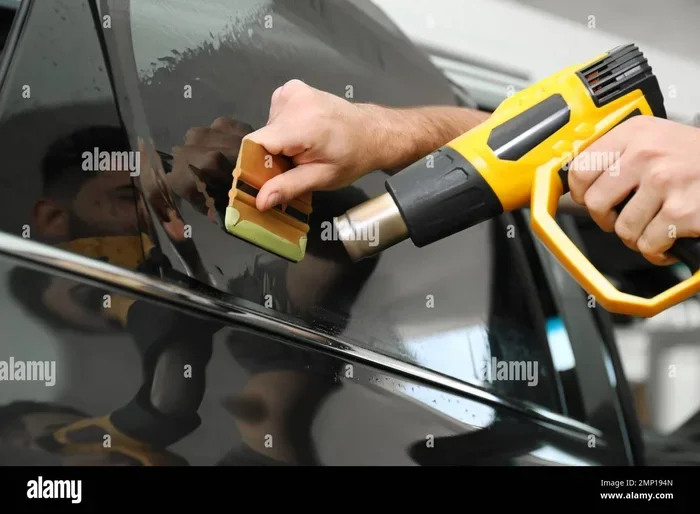
You can tint your windows yourself or hire a professional. Both have pros and cons. Professional installation usually comes with a warranty and ensures the film is applied correctly. A good installer will know the WV state law and make sure your tint percentage is legal. DIY kits are cheaper but can lead to bubbles, peeling, and uneven application. If you go the DIY route, buy quality film and follow the instructions carefully. A bad installation can cost you more in the long run if you need to redo it or get a tint violation fine.
When choosing an installer, look for reviews and ask about their experience with WV tint regulations. A good installer will measure the VLT of your windows before applying the film. This ensures you stay on the right side of the law from day one.
Frequently Asked Questions About WV Tint Laws
Many drivers have the same questions about car window tinting in West Virginia. Here are answers to the most common ones.
Can I tint my front windshield in West Virginia?
You can only tint the top 5 inches of your windshield, and it must be non-reflective. The rest of the windshield must remain clear. This is one of the strictest rules under the West Virginia Window Tint Law.
How dark can my side windows be in WV?
Front side windows must allow more than 35% of visible light in. Rear side windows can be any darkness level, but dual side mirrors are required if the tint is very dark.
Do I need a medical exemption for dark tint?
Yes, if you want your front side windows tinted darker than 35% VLT, you need a signed letter from a doctor and a certificate from the WV DMV. Without this, you risk a tint ticket.
What is the fine for a tint violation in West Virginia?
The tint violation fine varies but is usually treated as a fix-it ticket. You may need to remove or lighten the tint and pay a fee. Repeated violations can lead to higher fines and points on your record.
Is reflective tint legal in WV?
No. Reflective tint is not allowed on any window in West Virginia. All windows must have a non-reflective finish to comply with WV state law.
Can I use any color tint on my car?
No. Red, amber, and blue tints are not allowed. The legal window tint must be a neutral color like gray, bronze, or charcoal to stay within WV tint regulations.
Conclusion
The West Virginia Window Tint Law is not as complicated as it might seem at first. Once you understand the legal tint limits for each window, it all makes sense. Front side windows need more than 35% VLT. The windshield can only have a non-reflective strip on the top 5 inches. Rear windows can be any darkness, but dual mirrors are needed. And reflective or colored tints are not allowed at all.
Staying compliant is easy when you work with a trusted installer and choose the right tint film. If you have a medical condition, do not skip the medical exemption process. It is there to protect you and keep you legal on the road. Avoiding a tint ticket is simple when you know the rules ahead of time.
Take the time to learn the West Virginia Window Tint Law before you tint your windows. It will save you money, stress, and time. Drive safe, stay compliant, and enjoy the benefits of a properly tinted vehicle. Your car, your eyes, and your wallet will all thank you.