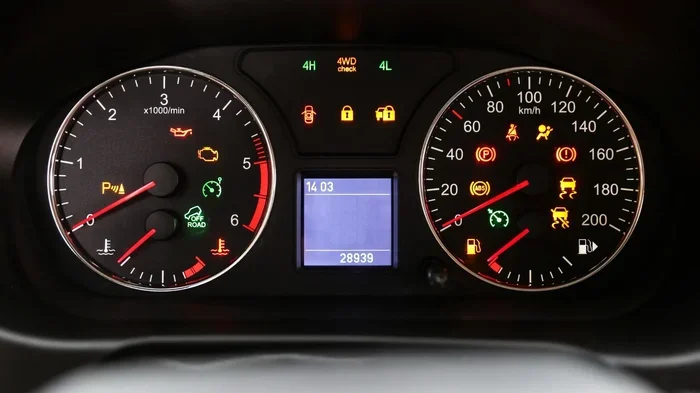
What Happens If I Dont Reset Light Before You Drive
What happens if I dont reset light after an oil change or service? Your car keeps tracking old service data, which can mess up your maintenance schedule. Ignoring the reset process may cause confusing dashboard warnings, reduce engine protection, and even void your warranty in some cases. Resetting your maintenance light is a simple step that keeps your vehicle running smoothly and helps you stay on top of service intervals. This guide walks you through exactly what can go wrong and how to fix it in minutes.
You just got your oil changed. The mechanic hands you the receipt, you pay, and you drive off feeling good. But wait — there is a little light on your dashboard that has been staring at you the whole time. You tell yourself you will deal with it later. Sound familiar? Here is the thing most people do not realize. That tiny maintenance light is not just a decoration. It is your car telling you something important. And if you ignore it, things can get messy fast.
So what actually happens if you dont reset light after a service? The answer might surprise you. It is not just about clearing a annoying glow on your dash. It affects your oil life system, your service interval tracking, and even your engine’s long-term health. In this article, we will break down exactly what goes wrong, why it matters, and how to fix it in under five minutes. Let us get into it.
Key Takeaways
- Missed Service Tracking: Not resetting your light causes your car to lose accurate service records, leading to skipped maintenance.
- Dashboard Confusion: A stale maintenance light can mask real problems or create false warnings that confuse drivers.
- Engine Protection Risks: Your oil life system relies on reset data to time oil changes properly and protect your engine.
- Warranty Issues: Some manufacturers require documented maintenance resets to keep your warranty valid.
- Easy Fix: Resetting the light takes just a few minutes and can be done at home with simple steps.
- Long-Term Savings: Staying on top of your service interval reminders prevents costly repairs down the road.
- Peace of Mind: A properly reset light gives you confidence that your vehicle is up to date on care.
📑 Table of Contents
- What Is a Reset Light and Why Does It Exist
- What Happens If You Dont Reset Light After Service
- Common Types of Maintenance Lights on Your Dashboard
- How to Reset Your Light the Right Way
- Risks of Ignoring Your Maintenance Reminder
- When to Seek Professional Help for Light Issues
- Key Takeaways
- Conclusion
What Is a Reset Light and Why Does It Exist
Before we dive into the consequences, let us talk about what the maintenance light actually is. Every modern vehicle has some kind of dashboard indicator that tracks when your car is due for service. This could be an oil change, a tire rotation, a brake inspection, or any other routine checkup. The light is part of your car’s oil life monitor or service reminder system.
Here is how it works. Your car’s computer tracks things like mileage, driving habits, engine temperature, and time since the last service. When it calculates that you are approaching a service interval, it triggers the light. The goal is simple. Keep you on top of vehicle maintenance so your car stays healthy and safe.
Different car brands use different names for this system. Toyota calls it the maintenance required light. Honda uses the oil life indicator. BMW has the service interval display. No matter what brand you drive, the purpose is the same. It reminds you that your car needs attention. Resetting the light simply tells the computer that the service has been completed and the cycle can start fresh.
How the System Tracks Your Service
Your car’s onboard computer does the heavy lifting here. It stores data about when the last service happened. Then it counts down from there. When the countdown hits zero, the light comes on. If you do not reset it after completing the service, the computer still thinks the old cycle is active. This means your maintenance schedule gets thrown off from the very start.
Think of it like a kitchen timer. You set it for 30 minutes. The food is done at 25 minutes because it cooked faster. You pull it out, but you never reset the timer. Now it keeps counting down from 30 even though the cooking is already over. That is essentially what happens when you skip the reset. Your car is still “counting down” to a service that already happened.
What Happens If You Dont Reset Light After Service
Now let us get to the real question. What happens if i dont reset light after my oil change or other service? There are several real consequences that go way beyond a glowing symbol on your dashboard. Let us walk through them one by one.
1. Inaccurate Service Records
This is the biggest issue. When you do not reset the light, your car’s computer still thinks the previous service has not been done. Your oil life system continues counting from the old starting point. This means your next service reminder will come too early or too late. Either way, it throws off your entire maintenance schedule.
Over time, this adds up. You might get a reminder for an oil change at 2,800 miles when it should have been at 3,000. Or worse, you might ignore a real service need because the light has been on so long you stopped paying attention. Inconsistent tracking leads to inconsistent care, and inconsistent care leads to problems.
2. Confusing Dashboard Warnings
Your dashboard is designed to communicate with you. Each light has a specific meaning. When the maintenance light stays on after service, it creates confusion. You might start wondering if something else is wrong with your car. Is the engine overheating? Is there a serious fault? The uncertainty can be stressful and distracting while driving.
Even worse, a persistent light can cause you to ignore other important warnings. If your dash is already lit up with a stale maintenance reminder, you might not notice a new check engine light or an oil pressure warning. This is called “warning fatigue,” and it is a real safety concern on the road.
3. Reduced Engine Protection
Your oil life monitor plays a direct role in engine protection. It tells you when the oil has degraded and needs replacing. Fresh oil lubricates engine parts, reduces friction, and prevents overheating. Old oil loses its effectiveness and can cause serious damage over time.
If you do not reset the light after changing your oil, the system may not recalibrate properly. It might not track the new oil life cycle accurately. This means you could end up running old oil longer than you should, or changing it too early and wasting money. Either way, your engine is not getting the protection it needs at the right time.
4. Potential Warranty Complications
This one is important for newer car owners. Many vehicle warranties require documented proof of regular maintenance. If your dealer or service center sees that your service intervals were not properly tracked — because the light was never reset — it could become a headache. In some cases, manufacturers may deny a warranty claim if they cannot prove the vehicle was properly maintained.
Now, this does not mean one missed reset will automatically void your warranty. But it is a risk you do not need to take. Keeping accurate records and resetting your light after every service shows you are a responsible car owner. It protects your investment and keeps you covered if something goes wrong.
5. Decreased Resale Value
Buyers notice details. A car with a constantly lit maintenance light signals neglect. Even if the vehicle has been well cared for, that glowing light tells a different story. Potential buyers may assume the car has missed services or has hidden mechanical issues. This perception can lower your resale value and make it harder to sell quickly.
On the flip side, a car with a clean maintenance history and properly functioning dashboard indicators inspires confidence. It tells buyers the previous owner took car care seriously. That small reset button can make a real difference when it is time to sell or trade in.
Common Types of Maintenance Lights on Your Dashboard
Not all maintenance lights look the same. Different vehicles use different symbols and colors to communicate service needs. Understanding what each one means helps you respond faster and avoid problems.
Here are the most common types of dashboard indicators you will encounter:
- Oil Change Reminder Light: Usually a genie lamp or oil can symbol. This is the most common light related to oil life reset procedures.
- Maintenance Required Light: Often a wrench or service icon. Common on Toyota and Lexus vehicles.
- Check Engine Light: A yellow engine shape. This is different from a maintenance light but can be related to service interval issues if the light stays on due to a loose gas cap or sensor problem.
- Oil Pressure Warning: A red oil can symbol. This is urgent and requires immediate attention. It is not the same as a maintenance reminder but can be confused with one.
- Tire Pressure Monitoring Light: A horseshoe shape with an exclamation point. Related to routine maintenance but not always reset through the same process.
Knowing which light is which matters. If you confuse a maintenance reminder with an oil pressure warning, you might delay a critical fix. Take a moment to learn your specific vehicle’s symbols. Your owner’s manual is the best resource for this.
| Light Type | Color | Urgency Level | Common Cause |
|---|---|---|---|
| Oil Change Reminder | Yellow/Orange | Low to Medium | Service interval reached |
| Maintenance Required | Yellow | Low | Scheduled service due |
| Check Engine | Yellow/Orange | Medium | Sensor issue, loose cap |
| Oil Pressure Warning | Red | High | Low oil pressure |
| Tire Pressure Light | Yellow | Medium | Low tire pressure |
As you can see from the table, the maintenance light is generally low urgency compared to red warning lights. But that does not mean you should ignore it. Low urgency does not mean no urgency. It just means you have a little more time to address it — but you should still act promptly.
How to Reset Your Light the Right Way
The good news is that resetting your maintenance light is usually straightforward. The exact steps vary by vehicle, but the general process is similar across most makes and models. Here is a guide to help you do it correctly every time.
Method 1: Using the Odometer Reset Button
Many older vehicles use a simple button-based system. Here is how it typically works:
- Turn the ignition to the “on” position without starting the engine.
- Locate the odometer or trip meter reset button on your dashboard.
- Press and hold the button.
- Turn the ignition off and then back to “on” while still holding the button.
- Continue holding until the light flashes or resets.
- Release the button and start the engine to confirm the reset.
This method works on many Honda, Nissan, and Ford models. If it does not work for your vehicle, check your owner’s manual for the specific sequence.
Method 2: Using the Steering Wheel Controls
Newer vehicles often use digital menus on the instrument cluster or steering wheel controls to reset the light. The general steps are:
- Press the menu or settings button on your steering wheel.
- Navigate to the vehicle maintenance or service menu.
- Select the option to reset the oil life monitor or service interval.
- Confirm the reset when prompted.
- Turn the engine off and back on to verify the light is cleared.
Vehicles from brands like Chevrolet, Volkswagen, and Subaru often use this digital menu approach. It may take a few minutes to learn the navigation, but once you do it once, it becomes second nature.
Method 3: Using a Diagnostic Tool
If you prefer a hands-off approach, you can use an OBD2 diagnostic scanner. These tools plug into your car’s diagnostic port and allow you to reset maintenance lights and read error codes. They are affordable and widely available online or at auto parts stores.
This method is especially useful if your light is stuck on even after a reset attempt. A diagnostic tool can help you identify whether there is a deeper issue causing the persistent light. It is a great addition to any car care toolkit.
Quick Tips for a Successful Reset
- Always reset the light immediately after completing the service.
- Double-check that the light is off before driving away.
- Keep your owner’s manual handy for model-specific instructions.
- Note the reset date and mileage in your service log.
- If the light returns, do not ignore it. Investigate the cause.
Risks of Ignoring Your Maintenance Reminder
We have covered what happens if you dont reset light after service. But what about the risks of ignoring the light in general? Even if you do reset it properly, ignoring the underlying reminder can cause problems. Let us talk about those risks.
First, delayed maintenance leads to wear and tear. Your engine oil breaks down over time. Brake pads wear down with every stop. Tires lose tread with every mile. When the service interval reminder comes on and you ignore it, you are essentially telling your car to keep running without the care it needs.
Second, small problems become big problems. A minor oil leak caught early is a simple fix. Ignored for thousands of miles, it can lead to engine damage that costs thousands of dollars. The maintenance light exists to catch these issues before they escalate. Respecting it is one of the best car maintenance tips you can follow.
Third, your safety is at stake. A car that has not received proper maintenance is more likely to experience breakdowns, reduced braking performance, and engine failure. None of these situations are safe, especially at highway speeds or in heavy traffic.
The Long-Term Cost of Skipping Maintenance
Let us put some numbers to this. An oil change costs between $40 and $80. A new engine can cost anywhere from $4,000 to $8,000. Skipping or delaying oil changes because you ignored the reset reminder is a terrible trade. The small investment in regular maintenance pays for itself many times over in avoided repairs and extended engine life.
According to industry data, vehicles that follow a consistent maintenance schedule last significantly longer than those that do not. The difference can be tens of thousands of miles and tens of thousands of dollars in avoided repair costs. Resetting your light is a tiny step that supports this long-term benefit.
When to Seek Professional Help for Light Issues
Most of the time, resetting your maintenance light is a DIY job. But there are situations where professional help makes sense. If you have tried resetting the light and it keeps coming back, there may be an underlying issue. A persistent light could indicate a sensor problem, a wiring issue, or a deeper mechanical concern that needs professional diagnosis.
Also, if you are uncomfortable working with your car’s dashboard systems, there is no shame in asking a mechanic for help. Many service centers will reset your maintenance light for free as part of an oil change or routine service. It is a quick and easy task for trained professionals.
Another situation that warrants expert attention is when multiple lights come on at once. If your check engine light, maintenance light, and oil pressure warning all activate together, pull over safely and seek assistance. This combination of dashboard indicators could signal a serious problem that needs immediate care.
Finding the Right Mechanic
Not all mechanics are created equal. Look for a shop that is certified, well-reviewed, and transparent about pricing. Ask them to explain any warning lights on your dashboard and show you the reset process. A good mechanic will not only fix the problem but also teach you how to handle it yourself in the future. That is the mark of a truly helpful service provider.
Key Takeaways
- Resetting your maintenance light after every service keeps your service interval tracking accurate and your engine protected.
- Ignoring the reset can lead to confusing dashboard warnings, reduced engine protection, and potential warranty complications.
- Different vehicles use different systems, but the reset process is generally simple and quick.
- A persistent light that will not go away may signal a deeper issue requiring professional diagnosis.
- Regular vehicle maintenance and prompt light resets are the foundation of long-term car health and safety.
- Taking two minutes to reset your light after each service is one of the easiest and most impactful car care tips you can follow.
Conclusion
So what is the final answer to the question of what happens if i dont reset light before driving? The short version is that it creates a chain of small problems that add up over time. Your service tracking becomes inaccurate. Your dashboard becomes confusing. Your engine protection weakens. And your warranty could be at risk.
The good news is that the fix is simple. It takes just a few minutes and requires no special tools or expertise. Whether you use the button method, the digital menu, or a diagnostic scanner, resetting your maintenance light is one of the easiest things you can do as a car owner.
Do not let that little light on your dash become a source of stress or confusion. Take control of your vehicle maintenance today. Reset your light after every service, stay on top of your oil life monitor, and keep your car running at its best. Your future self — and your wallet — will thank you for it.
Remember, your car communicates with you through those lights and symbols. Listening to it and responding promptly is the foundation of smart car ownership. Make the reset a habit, and you will enjoy a safer, smoother, and more reliable driving experience for years to come.
Frequently Asked Questions
Can I drive with the maintenance light on?
Yes, you can generally drive with the maintenance light on. It is not an immediate safety threat like a red warning light. However, it does mean your car is due for service, and ignoring it for too long can lead to engine wear and other problems. Reset the light after your service and get back on the road with confidence.
Will a maintenance light affect my car’s performance?
The light itself does not directly affect performance. But the underlying reason it came on — such as degraded oil or overdue maintenance — can impact how your engine runs. Fresh oil and timely service keep your vehicle performing at its best. Resetting the light simply acknowledges that the service has been completed.
How often do I need to reset my maintenance light?
You should reset your light every time you complete a service, such as an oil change or tire rotation. This ensures your car’s oil life system starts a fresh tracking cycle. If you do not reset it, the system will not accurately monitor when the next service is due.
What if my maintenance light keeps coming back after resetting?
If the light returns shortly after resetting, there may be an underlying issue. It could be a sensor problem, a wiring fault, or a service that was not completed properly. In this case, have a mechanic run a diagnostic check to identify the root cause and address it before it becomes a bigger problem.
Do all cars have a reset button for the maintenance light?
Most cars have some way to reset the maintenance light, but the method varies by brand and model. Older vehicles often use a physical button near the odometer. Newer vehicles typically use steering wheel controls or digital menus. Some require a diagnostic tool. Your owner’s manual will have the exact steps for your specific vehicle.
Is it safe to reset the maintenance light myself?
Yes, resetting the maintenance light yourself is safe and straightforward for most vehicles. It does not require any special tools or mechanical knowledge. Just follow the steps in your owner’s manual, and you will have it done in a few minutes. If you are unsure, any auto parts store or service center can help you with the process.