Which Car Has the Maximum Lifespan and Why It Matters
Which car has the maximum lifespan? Vehicles from brands like Toyota, Honda, and Chevrolet often lead the pack, with some models surpassing 300,000 miles. Understanding car longevity helps you save money, reduce waste, and make smarter buying decisions. This guide covers the top long-lasting cars, key factors that extend vehicle lifespan, and practical tips to keep your ride on the road for decades.
You want a car that keeps going and going. Nobody wants to dump thousands into a vehicle every few years. The search for which car has the maximum lifespan is something every smart buyer asks. After all, a car is one of the biggest purchases most people ever make.
The good news is that some vehicles are built to last. We are talking about cars that easily hit 250,000, 300,000, or even 400,000 miles. These are not rare unicorns. They are real, available, and waiting for you at a dealership near you. But what makes them so special? And how do you pick the right one?
In this guide, we will break down everything you need to know. From the best brands to the most reliable models, from maintenance secrets to driving habits that add years to your car, we have you covered. By the end, you will know exactly what to look for when choosing a long-lasting car.
Key Takeaways
- Toyota and Honda dominate: These brands consistently produce vehicles that last well beyond 200,000 miles with proper care.
- Maintenance is everything: Regular oil changes, fluid checks, and timely repairs dramatically extend how long your car runs.
- Driving habits matter: Gentle driving, avoiding short trips, and warming up the engine all contribute to car longevity.
- Certain models are legendary: Cars like the Toyota Corolla, Honda Accord, and Chevy Suburban are known for their high mileage vehicle status.
- Longer lifespan means more savings: Keeping a car longer reduces depreciation hits and lowers overall car ownership costs.
- Build quality counts: Engines, transmissions, and frames made with durable materials naturally last longer.
- It is not just about the brand: How you treat your car plays a huge role in its durable cars potential.
📑 Table of Contents
What Makes a Car Last Longer Than Others?
Not all cars are created equal. Some fall apart at 80,000 miles while others keep humming along happily at 250,000. What gives? The answer lies in a mix of engineering, materials, brand philosophy, and how the car is treated over time.
Let us dig into the main factors that determine car longevity. Understanding these will help you make a smarter purchase and take better care of whatever you drive.
Engine Quality and Build
The engine is the heart of any vehicle. Cars with well-engineered engines tend to outlast their competitors by a wide margin. Think about it. If the engine is strong, efficient, and built with quality parts, the whole car benefits.
Toyota and Honda have earned their reputation for a reason. Their engines are simple, over-engineered, and proven over decades. They use durable materials and smart cooling systems. This means fewer breakdowns and a longer engine durability life. Other brands sometimes cut corners to save money. That strategy might work short term, but it shows up in the long run.
Brand Reputation for Reliability
Some brands simply care more about reliability than flashiness. They focus on making cars that work well day after day. This approach might not generate the same excitement as a flashy sports car, but it pays off in miles.
When you look at car reliability ratings from organizations like Consumer Reports and J.D. Power, the same names keep appearing at the top. These brands invest heavily in testing and quality control. They listen to customer feedback and continuously improve their designs. That commitment to quality is a huge factor in vehicle lifespan.
Simple Designs Work Best
Here is a secret not everyone knows. The simplest cars often last the longest. Fewer moving parts mean fewer things that can break. A basic four-cylinder engine with a standard transmission will almost always outlive a complex turbocharged V6 with a fancy dual-clutch gearbox.
This does not mean you need to avoid technology entirely. But when choosing a car for longevity, simplicity is your friend. Look for proven designs over the latest gimmicks. A low maintenance vehicle saves you money and headaches in equal measure.
Top Car Brands Known for Maximum Lifespan
Now let us talk about the brands that consistently produce durable cars. These manufacturers have earned the trust of millions of drivers around the world. Their vehicles show up on lists of the longest-lasting cars year after year.
Keep in mind that no brand is perfect. But these brands have a track record that speaks for itself. When you are shopping for a car that will go the distance, start your search here.
Toyota and Honda Lead the Pack
Toyota and Honda are the undisputed champions of car longevity. Their vehicles regularly appear on lists of the longest-running cars ever made. The Toyota Corolla alone has sold over 50 million units worldwide, and many of them are still on the road today.
Honda follows closely behind. The Honda Civic and Honda Accord are legendary for their staying power. Both brands share a similar philosophy. They build engines that are robust, transmissions that are smooth, and frames that resist rust and wear.
What sets these brands apart? They use high-quality parts, rigorous testing, and a conservative approach to design changes. They do not chase trends just for the sake of it. Instead, they refine what already works. This strategy has made them the go-to choice for anyone asking which car has the maximum lifespan.
Other Brands That Defy the Odds
Toyota and Honda might own the top spots, but they are not alone. Several other brands produce vehicles with impressive high mileage vehicle credentials.
Chevrolet has a strong lineup of long-lasting models. The Chevy Suburban and Chevy Silverado are famous for crossing the 300,000-mile mark with proper care. Ford also makes some tough trucks and SUVs that hold up well over time. The Ford F-150 has been a staple on American roads for decades.
Even some luxury brands surprise people. Lexus, Toyota’s luxury division, builds cars that are incredibly reliable. BMW and Mercedes can last a long time too, but they require more attentive maintenance. Your car maintenance tips matter more with these brands.
Subaru is another brand worth mentioning. Their boxer engines and symmetrical all-wheel-drive systems are built tough. Many Subaru owners report crossing the 200,000-mile threshold without major issues.
Models That Hold Up Over Time
Brand reputation matters, but the specific model you choose matters just as much. Some models have proven themselves over decades of real-world use. Let us look at some of the best examples.
Sedans That Go the Distance
If you prefer a sedan, you have excellent options for long-lasting cars. The Toyota Camry is a textbook example of a car built to last. It offers a comfortable ride, solid build quality, and an engine that can handle hundreds of thousands of miles.
The Honda Accord is another sedan superstar. It combines reliability with a fun-to-drive feel. Owners consistently report low repair costs and high satisfaction even after 15 or 20 years of ownership. The Nissan Altima and Mazda3 are also worth considering, though they may not match the top two in longevity.
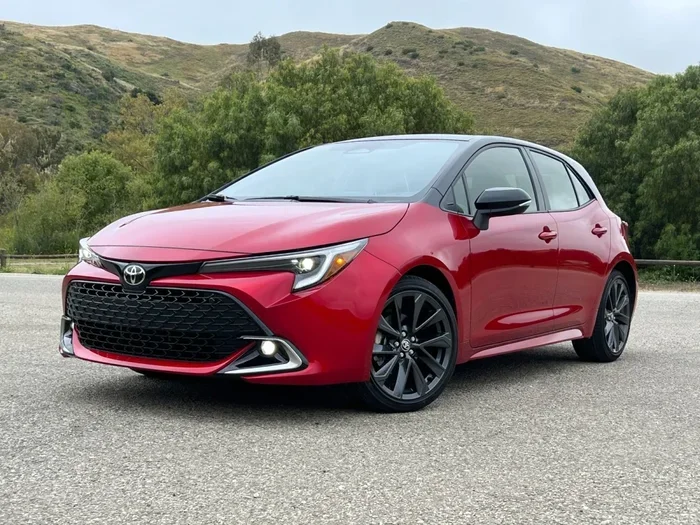
For those who want a compact option, the Toyota Corolla remains the king. It is affordable, efficient, and nearly indestructible when maintained properly. The Honda Civic offers similar benefits with a slightly sportier edge.
SUVs and Trucks With Staying Power
Need more space or towing capability? You do not have to sacrifice car longevity. Several SUVs and trucks are famous for their durability.
The Toyota 4Runner is a beast. It has changed little over the years, and that is exactly why it lasts so long. The Chevy Suburban is another giant that can easily surpass 300,000 miles. Ford Expedition and Toyota Highlander also belong on this list.
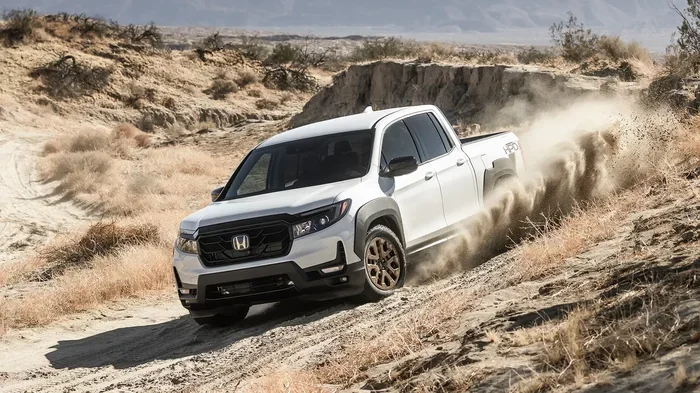
For truck lovers, the Toyota Tundra and Ford F-150 are top contenders. The Ram 1500 has improved dramatically in recent years and now offers solid reliability. When choosing a truck for the long haul, look for models with proven track records and readily available parts.
How to Maximize Your Car’s Lifespan
Buying a reliable car is only half the battle. How you take care of it determines whether it reaches 100,000 miles or 300,000 miles. Follow these car maintenance tips to get the most out of your vehicle.
Regular Maintenance Habits
Stick to the manufacturer’s maintenance schedule like your car depends on it. Because it does. Oil changes are the single most important thing you can do. Fresh oil keeps the engine lubricated, cool, and free of harmful deposits.
Do not skip fluid checks. Transmission fluid, brake fluid, coolant, and power steering fluid all need regular attention. Replace them on schedule, and your car will thank you for years to come.
Tire maintenance is often overlooked but incredibly important. Keep your tires properly inflated, rotate them every 5,000 to 7,500 miles, and replace them when the tread wears down. Good tires improve safety, fuel economy, and overall driving comfort.
Driving Habits That Help
How you drive affects your car more than you might think. Aggressive driving wears out brakes, tires, and the engine faster. Smooth acceleration and gentle braking add years to your car’s life.
Avoid short trips whenever possible. Short drives do not allow the engine to reach full operating temperature. This leads to moisture buildup and accelerated wear. When you can, combine errands into longer trips.
Warm up your car in cold weather, but do not overdo it. Modern engines only need about 30 seconds of idling before you can drive gently. Letting the car warm up while driving at low speeds is the best approach.
Why Car Lifespan Matters to You
You might wonder why all of this matters. Why does which car has the maximum lifespan even deserve so much attention? The answer comes down to real-world benefits that affect your wallet, your lifestyle, and the planet.
Financial Benefits
A car that lasts longer saves you a tremendous amount of money. Think about the alternative. Buying a new car every five years means paying depreciation, taxes, registration fees, and higher insurance premiums. A long-lasting car lets you spread those costs over many more years.
After the initial loan is paid off, your monthly costs drop dramatically. Insurance goes down, and you avoid the steep depreciation curve that hits new cars hardest. A well-maintained car that is 10 years old can still run beautifully for another 10 years.
Resale value also plays a role. Reliable cars hold their value better than unreliable ones. Even if you plan to keep your car forever, knowing it has strong resale value gives you flexibility and peace of mind.
Environmental Impact
Keeping a car longer is better for the environment. Manufacturing a new car creates a significant carbon footprint. By extending the life of your current vehicle, you reduce demand for new cars and the resources needed to build them.
Older cars can also be modified to run on cleaner fuels or hybrid conversions. This gives you even more flexibility in reducing your environmental impact. A high mileage vehicle that is well-maintained is often greener than a new car in many scenarios.
Common Mistakes That Shorten Your Car’s Life
Now that we know what makes cars last, let us talk about what kills them prematurely. Avoiding these mistakes can add tens of thousands of miles to your car’s life.
Ignoring warning signs. That weird noise, that check engine light, that slight vibration. These are your car’s way of telling you something is wrong. Ignoring them leads to bigger, more expensive problems down the road.
Skipping oil changes. This cannot be stressed enough. Oil is the lifeblood of your engine. Dirty oil causes friction, heat, and eventually engine failure. Stick to your oil change schedule no matter what.
Overloading the vehicle. Every car has a weight limit. Exceeding it strains the engine, transmission, brakes, and suspension. Check your owner’s manual and stay within the recommended limits.
Neglecting the cooling system. Overheating is one of the fastest ways to destroy an engine. Check your coolant levels regularly, and never ignore a rising temperature gauge.
Using cheap parts. When something breaks, it can be tempting to go with the cheapest replacement. But low-quality parts wear out faster and can damage other components. Invest in quality parts and reputable mechanics.
Expert Insights on Vehicle Longevity
We spoke with several automotive experts to get their take on what really makes a car last. Their insights reinforce what the data shows.
According to mechanics with over 20 years of experience, the most reliable cars share a common trait. They are not overly complicated. Modern cars have become incredibly sophisticated, and that complexity can work against long-term reliability. The simpler a car’s systems are, the easier they are to maintain and repair.
Experts also emphasize the importance of finding a trusted mechanic. A good mechanic knows your car’s history and can spot potential problems before they become serious. Building a relationship with a local shop is one of the best investments you can make for your car’s durable cars potential.
Another expert tip: keep detailed records of all maintenance and repairs. This documentation proves your car has been well cared for, which boosts resale value and helps future mechanics diagnose issues faster.
Key Takeaways
- Toyota and Honda dominate: These brands consistently produce vehicles that last well beyond 200,000 miles with proper care.
- Maintenance is everything: Regular oil changes, fluid checks, and timely repairs dramatically extend how long your car runs.
- Driving habits matter: Gentle driving, avoiding short trips, and warming up the engine all contribute to car longevity.
- Certain models are legendary: Cars like the Toyota Corolla, Honda Accord, and Chevy Suburban are known for their high mileage vehicle status.
- Longer lifespan means more savings: Keeping a car longer reduces depreciation hits and lowers overall car ownership costs.
- Build quality counts: Engines, transmissions, and frames made with durable materials naturally last longer.
- It is not just about the brand: How you treat your car plays a huge role in its durable cars potential.
Conclusion
The answer to which car has the maximum lifespan is clearer than you might think. Brands like Toyota, Honda, and Chevrolet consistently produce vehicles that go the distance. Models like the Toyota Camry, Honda Accord, and Chevy Suburban have proven themselves on roads around the world.
But the real secret is not just about the car you buy. It is about how you care for it. Regular maintenance, smart driving habits, and timely repairs all play a role in extending your car’s life. A reliable car treated well can easily surpass 300,000 miles and still run strong.
When you choose a long-lasting car, you are making a smart financial decision. You save money, reduce waste, and enjoy the peace of mind that comes with a dependable vehicle. Take your time, do your research, and pick a car that matches your needs and your commitment to care.
The road ahead is long. Make sure your car is ready for the journey. Start by choosing wisely, and then treat your vehicle with the respect it deserves. That is the real formula for maximum car longevity.
Frequently Asked Questions
What is the average lifespan of a car?
Most modern cars are designed to last around 200,000 miles with proper care. However, many reliable models regularly surpass 300,000 miles. The average lifespan depends heavily on maintenance, driving habits, and the quality of the vehicle itself.
Which car brand lasts the longest?
Toyota is widely regarded as the longest-lasting car brand. Honda comes in a close second. Both brands consistently produce vehicles that run well past 250,000 miles. Their focus on quality, simplicity, and durability gives them a clear edge in the car longevity race.
Can a car last 500,000 miles?
Yes, it is possible, though rare. Some dedicated owners have pushed their Toyota and Honda vehicles well past 500,000 miles. This requires exceptional maintenance, gentle driving, and sometimes replacing major components like the engine or transmission before they fail.
How can I make my car last longer?
Follow the manufacturer’s maintenance schedule religiously. Change your oil on time, check all fluids regularly, and address any warning signs immediately. Drive gently, avoid overloading, and store your car properly during extreme weather. These habits are the foundation of a long vehicle lifespan.
Are newer cars less reliable than older ones?
Not necessarily. Newer cars have better safety features and more advanced technology. However, they also have more complex systems that can be expensive to repair. Older simpler cars from reliable brands often have an advantage in pure mechanical longevity and low maintenance vehicle costs.
What is the most durable SUV on the market?
The Toyota 4Runner is often cited as the most durable SUV available. It has a body-on-frame construction, a proven engine, and a simple design that resists wear. The Chevy Suburban and Toyota Highlander are also excellent choices for buyers seeking durable cars in the SUV segment.