How Long to Let Your Engine Cool Before Adding Coolant
Knowing how long to let your engine cool before adding coolant is essential for safety and engine health. Most experts recommend waiting at least 30 minutes after turning off your vehicle. This prevents burns from hot coolant and avoids damage to engine components. The exact wait time depends on how hot your engine was and the type of vehicle you drive. This guide covers everything you need to know about engine cooling times and coolant safety.
You just finished a long drive, and your temperature gauge is reading higher than normal. The instinct is to pop the hood and top off the coolant right away. But hold on. Adding coolant to a hot engine can be dangerous and even harmful to your vehicle. So how long should you really wait? The answer depends on several factors, but the general rule is simple: give your engine time to cool down before you touch anything under the hood.
This guide walks you through everything you need to know about engine cooling times, why waiting matters, and how to add coolant safely. Whether you are a beginner or a seasoned car owner, these tips will help you avoid costly mistakes and stay safe.
Key Takeaways
- Wait at least 30 minutes before opening the radiator cap or adding coolant to a warm engine.
- Never open the radiator cap on a hot engine — pressurized steam can cause severe burns.
- The cooling system needs time to depressurize and drop to a safe temperature.
- Different engines cool at different rates depending on size, material, and cooling system design.
- Checking the coolant level when the engine is completely cold gives the most accurate reading.
- Common mistakes like adding cold coolant to a hot engine can cause cracks and leaks.
- Regular coolant maintenance keeps your cooling system working efficiently for years.
📑 Table of Contents
- Why You Should Wait Before Adding Coolant
- How Long to Wait: The General Rule
- Signs Your Engine Is Cool Enough to Add Coolant
- Step-by-Step Guide to Adding Coolant Safely
- Common Mistakes People Make When Adding Coolant
- How to Maintain Your Cooling System for Longevity
- When to Seek Professional Help
- Quick Tips for Coolant Safety
- Conclusion
Why You Should Wait Before Adding Coolant
Your engine generates a tremendous amount of heat while running. The cooling system works hard to keep temperatures in check. But when you shut off the engine, that heat does not disappear instantly. The coolant inside the system remains extremely hot and under pressure. Opening the system too soon can lead to serious problems.
The Dangers of a Hot Engine
The most immediate risk is personal injury. Hot coolant can reach temperatures above 200 degrees Fahrenheit. When you remove the radiator cap from a pressurized, hot system, the pressurized steam and liquid can spray out with incredible force. This can cause severe burns to your face, hands, and arms. Even a small splash of boiling coolant can damage skin and eyes.
Beyond personal safety, there are mechanical risks too. Pouring cold coolant into a hot engine block can cause thermal shock. This happens when metal expands and contracts too quickly. The result can be cracked engine blocks, damaged head gaskets, or warped cylinder heads. These repairs are expensive and entirely preventable.
How the Cooling System Works
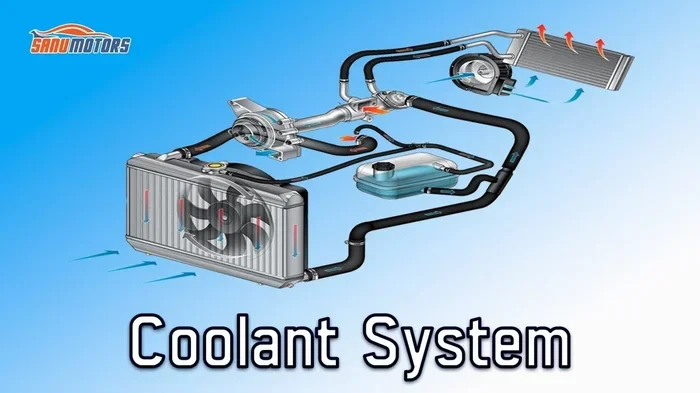
To understand why timing matters, it helps to know how your cooling system operates. When the engine runs, the water pump circulates coolant through passages in the engine block and cylinder head. The heated coolant flows to the radiator, where air passing through the fins cools it down. The thermostat regulates this process by opening and closing based on engine temperature.
When the engine is off, the coolant stops circulating. It sits in the engine block, the radiator, and the coolant reservoir. Over time, it gradually releases heat into the surrounding air. The radiator cap also plays a key role. It maintains pressure in the system, which raises the boiling point of the coolant. Once the engine cools, that pressure drops, and it becomes safe to open the cap.
How Long to Wait: The General Rule
The most commonly recommended wait time is 30 minutes to one hour after turning off the engine. This gives the cooling system enough time to drop to a temperature that is safe to handle. However, this is not a one-size-fits-all answer. Several factors influence how quickly your engine cools down.
Factors That Affect Cooling Time
Not all engines cool at the same rate. Here are the main factors that determine how long you should wait:
- Engine size: Larger engines produce more heat and take longer to cool.
- Driving conditions: Stop-and-go traffic or towing generates more heat than highway cruising.
- Ambient temperature: Hot summer days slow down cooling compared to cool weather.
- Cooling system condition: A well-maintained system with a working radiator fan cools faster.
- Engine material: Aluminum engines cool faster than cast iron engines.
- Radiator cap condition: A faulty cap may not hold pressure properly, affecting cooling behavior.
When the Engine Is Moderately Warm
If you have driven a short distance and the engine is warm but not overheating, waiting 20 to 30 minutes is usually enough. Use the back of your hand to test the hood. If you can hold your hand a few inches above the hood without feeling intense heat, the engine is cooling down. But do not open the radiator cap yet. Give it at least another 15 to 20 minutes for the pressure to fully drop.
When the Engine Has Been Overheating
If your engine has been running hot or overheating, you need to be extra patient. Wait at least one to two hours before attempting to open the radiator cap or add coolant. Overheating means the coolant temperature is extremely high, and the system is under maximum pressure. Opening it too soon could result in a dangerous burst of steam and scalding liquid.
In cases of severe overheating, it is best to call for roadside assistance. Trying to handle an overheated engine without proper precautions can turn a simple fix into a major repair.
Signs Your Engine Is Cool Enough to Add Coolant
How do you know when it is safe? You cannot always rely on a timer. Your engine gives you visual and physical cues that tell you it is ready. Learning to read these signs helps you add coolant with confidence.
Check the Temperature Gauge
The temperature gauge on your dashboard is your first indicator. When the needle has dropped back to the normal range, the engine is cooling down. If the gauge still reads in the hot zone, wait longer. Do not trust the gauge alone, though. Always combine it with a physical check.
Feel the Hood and Radiator
Carefully place the back of your hand near the hood. If the heat feels tolerable and not intense, the engine is cooling. You can also check the upper radiator hose. If it feels warm but not hot to the touch, the system has depressurized enough for a safe check. Never squeeze or touch the radiator hose with bare skin if you suspect the engine is still very hot.
Listen for Cooling Fans
Many modern cars have electric cooling fans that continue running after the engine is turned off. If you hear the fans still spinning, the engine is still dissipating heat. Wait until the fans shut off before you consider opening the hood. Once the fans stop, that is a good sign the engine is cooling down significantly.
Look at the Coolant Reservoir
The coolant reservoir has minimum and maximum fill lines. If the coolant level is low, you will need to add more. But check the reservoir only when the engine is cool or mostly cool. The reservoir is under less pressure than the radiator, but it can still contain hot liquid. Wait at least 30 minutes before checking or opening the reservoir cap.
Step-by-Step Guide to Adding Coolant Safely
Once you have waited long enough, follow these steps to add coolant safely and correctly. This process protects you and keeps your engine in good shape.
Step 1: Park on a Level Surface
Turn off the engine and engage the parking brake. Make sure the car is on a flat, level surface. This ensures the coolant level reading is accurate and prevents any residual coolant from flowing to one side of the system.
Step 2: Wait the Recommended Time
Set a timer for at least 30 minutes. If the engine was very hot, wait longer. Use this time to gather your supplies. You will need the correct type of coolant for your vehicle, a clean rag, and gloves for protection.
Step 3: Put on Protective Gear
Wear gloves and safety glasses before opening any part of the cooling system. Even a cooled engine can have residual heat. Protecting your hands and eyes is a simple step that prevents injuries.
Step 4: Open the Radiator Cap Slowly
Place a rag over the radiator cap and turn it counterclockwise slowly. You may hear a hissing sound as residual pressure releases. Wait for the hissing to stop completely before removing the cap fully. This prevents any remaining pressure from pushing hot coolant out suddenly.
Step 5: Check and Add Coolant
Look inside the radiator. The coolant should cover the top of the radiator fins. If the level is low, carefully pour in the coolant mixture until it reaches the top. Use a funnel to avoid spills. Never pour cold coolant directly into a radiator that is still warm, as this can cause thermal shock.
Step 6: Check the Reservoir Level
After filling the radiator, check the coolant reservoir. Add coolant to the reservoir until it reaches the full mark. The reservoir acts as an overflow tank and helps maintain consistent pressure in the system.
Step 7: Start the Engine and Monitor
Start the engine and let it idle for a few minutes. Watch the temperature gauge. Make sure the temperature stays in the normal range. Check under the car and around the radiator for any leaks. If everything looks good, turn off the engine and let it cool again before checking the final coolant level.
Common Mistakes People Make When Adding Coolant
Even experienced car owners make mistakes when dealing with coolant. Avoiding these common errors saves time, money, and prevents engine damage.
Opening the Radiator Cap Too Soon
This is the number one mistake. Many people open the cap just minutes after turning off the engine. The pressurized steam can cause painful burns. Always wait at least 30 minutes, and longer if the engine was running hot.
Using the Wrong Coolant Type
Not all coolants are the same. Different vehicles require different types of coolant, such as organic acid technology (OAT), hybrid organic acid technology (HOAT), or inorganic acid technology (IAT). Mixing coolant types can cause chemical reactions that damage the cooling system. Check your owner manual for the correct type.
Overfilling the Coolant System
Coolant expands as it heats up. If you fill the system to the brim when cold, the expanding fluid has nowhere to go. This can cause pressure buildup and leaks. Always leave a small gap at the top of the radiator and reservoir to allow for expansion.
Ignoring a Coolant Leak
If you find yourself constantly needing to add coolant, there is likely a leak. Ignoring this problem can lead to engine overheating and serious damage. Look for puddles under the car, white residue around hoses, or a sweet smell coming from the engine bay. Address leaks promptly.
Adding Coolant to a Running Engine
Never add coolant while the engine is running. The water pump is actively circulating the fluid, and opening the system creates a risk of burns and coolant spraying. Always add coolant to a completely turned-off engine.
How to Maintain Your Cooling System for Longevity
Proper maintenance of your cooling system ensures it works reliably for years. A well-maintained system also helps your engine cool down faster after driving.
Regular Coolant Flushes
Over time, coolant breaks down and loses its effectiveness. Old coolant can become acidic and corrode metal parts inside the cooling system. Most manufacturers recommend a coolant flush every 30,000 to 50,000 miles, or every two to five years. Check your owner manual for the specific interval for your vehicle.
Inspect Hoses and Connections
The radiator hoses and connections are common failure points. Inspect them regularly for cracks, swelling, or leaks. A radiator hose that bursts while driving can cause the engine to overheat quickly. Replace worn hoses before they fail.
Check the Thermostat
The thermostat regulates coolant flow through the engine. A stuck thermostat can prevent proper cooling. If your temperature gauge reads inconsistently or the heater does not work properly, the thermostat may be the culprit. Replacing a thermostat is inexpensive and straightforward.
Test the Radiator Cap
The radiator cap maintains system pressure. A weak cap can cause the coolant to boil at a lower temperature, leading to overheating. You can test the cap with a radiator pressure tester, which is inexpensive and available at most auto parts stores. Replace the cap if it fails the test.
Keep the Radiator Clean
Debris, bugs, and dirt can accumulate on the radiator fins and block airflow. This reduces the radiator efficiency and slows cooling. Gently hose down the radiator from the back side to remove buildup. Avoid using high-pressure washers directly on the fins, as they can bend and damage them.
When to Seek Professional Help
Sometimes, low coolant is a symptom of a bigger problem. If you find yourself needing to add coolant frequently, there may be an underlying issue. Here are signs that you should see a mechanic:
- Coolant leaks: Puddles under the car, especially bright green, orange, or pink fluid.
- Overheating after refilling: If the engine overheats again shortly after adding coolant.
- White smoke from the exhaust: This can indicate a blown head gasket allowing coolant into the combustion chamber.
- Milky oil: Coolant mixing with engine oil creates a milky residue on the dipstick.
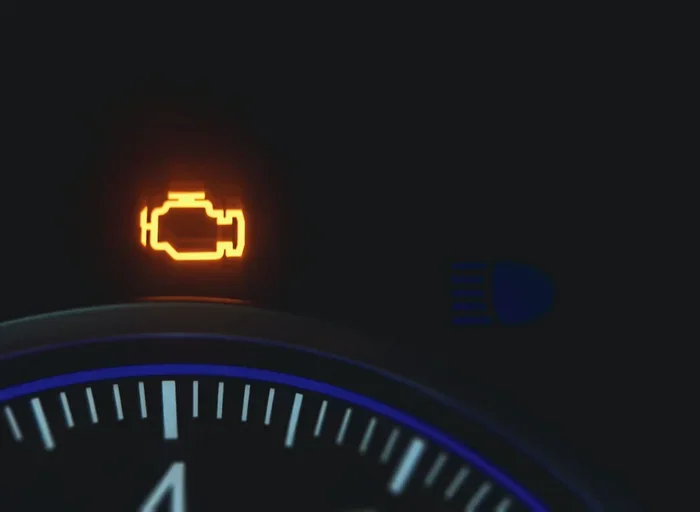
- Coolant warning light stays on: Even after refilling, if the warning light remains illuminated.
A professional mechanic can perform a cooling system pressure test to identify hidden leaks. They can also inspect the water pump, head gasket, and thermostat to ensure everything is functioning correctly. Addressing these issues early prevents expensive repairs down the road.
Quick Tips for Coolant Safety
- Always wear gloves and eye protection when handling coolant.
- Keep coolant away from pets and children. It has a sweet taste but is highly toxic.
- Dispose of old coolant properly at a recycling center. Never pour it down the drain.
- Use a 50/50 mix of coolant and distilled water for most vehicles, unless your manual says otherwise.
- Keep a spare bottle of coolant in your trunk for emergencies.
- Never use water as a permanent coolant substitute. It lacks the corrosion inhibitors found in proper coolant.
- Clean up any spills immediately. Coolant can damage paint and finish on your car.
Conclusion
Knowing how long to let your engine cool before adding coolant is one of the simplest yet most important aspects of car maintenance. Waiting at least 30 minutes after turning off the engine protects you from burns and prevents costly damage to your cooling system. If the engine has been overheating, give it even longer, up to two hours, before opening anything under the hood.
By following the steps outlined in this guide, you can add coolant safely and confidently. You will also avoid the common mistakes that lead to engine problems and expensive repairs. Regular maintenance of your cooling system, including flushes and inspections, keeps your engine running smoothly and your vehicle reliable for the long haul.
Take the time to care for your engine properly. A few extra minutes of patience can save you from serious injury and thousands of dollars in repairs. Your car will thank you for it.
Frequently Asked Questions
Can I add coolant to a warm engine?
Yes, but only if the engine is warm and not hot. Wait at least 30 minutes after turning off the engine before adding coolant to a warm engine. This allows the system to depressurize and cool enough to handle safely. Never open the radiator cap if the engine is still hot or the temperature gauge reads in the red zone.
What happens if you add coolant to a hot engine?
Adding coolant to a hot engine can cause the coolant to boil and spray out, leading to severe burns. The sudden temperature change can also cause thermal shock, which may crack the engine block or damage the head gasket. Always let the engine cool down for at least 30 minutes before adding coolant.
How do I know if my engine is cool enough to open the radiator cap?
Check the temperature gauge first. If it is in the normal range, wait another 15 to 20 minutes. Then carefully place the back of your hand near the hood. If the heat feels manageable and the radiator hose is warm but not hot, it is likely safe. Always open the cap slowly and stand back to avoid steam burns.
Can I use water instead of coolant in an emergency?
Yes, in an emergency you can add plain water to prevent overheating. However, water does not have the same heat protection or corrosion inhibitors as proper coolant. Use water only as a temporary solution and get the proper coolant mixture added as soon as possible. Drain and flush the system soon after.
How often should I check my coolant level?
Check your coolant level at least once a month and before any long trips. The best time to check is when the engine is completely cold, such as in the morning before you start the car. This gives you the most accurate reading of the coolant level in the reservoir.
Is it safe to drive with low coolant?
Driving with low coolant is risky. The engine may overheat, which can cause serious damage like a blown head gasket or cracked engine block. If the coolant level is low, top it off as soon as possible. If you notice the temperature gauge rising while driving, pull over safely and turn off the engine immediately.
=== CONCLUSION ===
Understanding how long to let an engine cool before adding coolant is a fundamental part of vehicle ownership. The simple rule of waiting at least 30 minutes can protect you from injury and your engine from damage. By following the safety steps, avoiding common mistakes, and maintaining your cooling system regularly, you keep your car running strong and your trips worry-free. Take a few minutes today to check your coolant level and make sure you are prepared for whatever the road ahead brings.